
 Published on and written by Cyril Jarnias
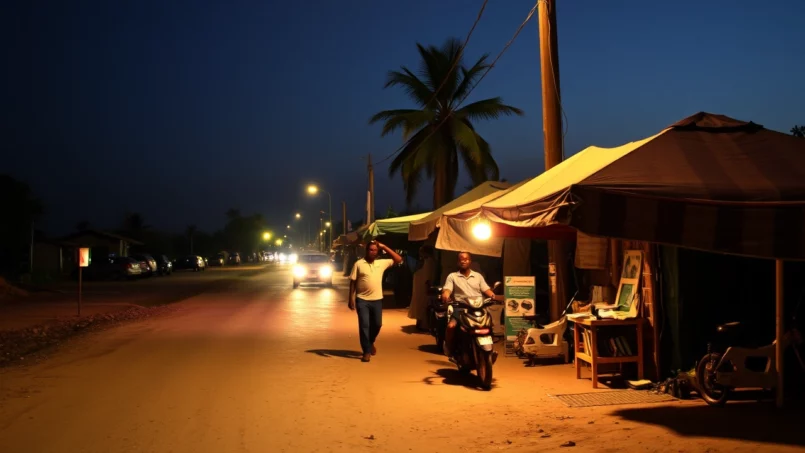
It’s impossible to sum up nightlife in Senegal with just one neighborhood or one city. Between the electric nights of Dakar, the beach-town vibe of Saly, or the more subdued atmospheres of Ziguinchor and Saint‑Louis, the country lives to the rhythm of music, outdoor cafes, casinos, neighborhood maquis, and major festivals. Once the sun sets, the smells of grilled food and seafood mingle with the Atlantic breeze, sabar drums resonate, DJs spin Afro and international hits, and the streets stay lively until dawn.
Senegalese evenings are set to the rhythm of mbalax and characterized by warm hospitality (the *teranga*). They generally start late and are an opportunity to share food. It is important to know and respect local social codes to fully enjoy the night.
Dakar, the capital of Senegalese nightlife
Dakar concentrates the bulk of the country’s nightlife. The city is often described as one of West Africa’s most vibrant capitals, with nights rarely starting before midnight and potentially lasting until sunrise. Three areas dominate discussions when it comes to going out: the city center (Dakar‑Plateau), the popular neighborhood of Médina along Avenue Cheikh Anta Diop, and the upscale peninsula of Les Almadies, towards Ngor and the Corniche Ouest.
When the night really begins
For those unaccustomed to Dakar’s rhythms, the first shock is the timing. Many Dakar residents first go out for dinner or a drink, go home to change, then head to the clubs around midnight. Major nightclubs open their doors from 11 pm, but the crowd often arrives around 1 am, with the peak atmosphere around 2–3 am. Some venues, like Le Thiossane or Vogue Super Club, close in the early morning, around 6 am or later.
This timing is also explained by the climate: the city enjoys ideal weather from November to June, with moderately warm days and cooler nights, perfect for terraces, rooftops, and open-air stages. The rainy season is more humid, but the nightlife doesn’t stop.
Médina and Avenue Cheikh Anta Diop: The popular heart
The Cheikh Anta Diop axis runs through the densest zone of Dakar’s nightlife, between the university campus, Médina, and Point E. This is where it’s easiest to hit several spots in the same night.
Right in front of the University of Dakar, the venue “Just 4 You” (or Just 4 U) is an institution. This large open courtyard, covered with tarps and metal structures, hosts concerts by Senegalese and West African stars, ranging from hip-hop groups like Daara J to mbalax singers like Omar Pene, and Afro-pop bands. Students, professionals, and tourists mingle in a permanent party atmosphere, with typical food like chicken yassa.
A few hundred meters away, Le Madison bets on themed nights for a mostly young crowd. On weekends, the lineup alternates between mbalax artists, salsa sets, or mixes of modern sounds. It reflects Dakar’s taste for musical fusions: a Saturday night might move from sabar rhythms to Afro-Cuban classics.
Further along the same axis, Le Relais Hotel Bar often serves as a starting point for the night. People order grilled goat skewers, cheap beer, and listen to local bands before heading to later clubs like The Trafic Club, known for its cocktails and festive vibe. Further on, places like Chez Anthiou (bar-grill-club with regular mbalax nights) or artistic cafes like Maison des Artistes in Ngor complete this very eclectic landscape.
To get your bearings, here are some key spots in the area:
| Venue | Neighborhood / Axis | Main Specialty |
|---|---|---|
| Just 4 You | Point E / Av. Cheikh Anta Diop | Live concerts, major outdoor parties |
| Le Madison | Av. Cheikh Anta Diop | Student parties, mbalax, salsa |
| Le Relais Hotel Bar | Médina, Av. Cheikh Anta Diop | Grilled food, beer, local music |
| The Trafic Club | Médina, Av. Cheikh Anta Diop | Cocktails, clubbing |
| Chez Anthiou | Sicap | Bar-grill, mbalax nights |
Les Almadies and Ngor: Trendy bars and clubs until dawn
At the western tip of the city, Les Almadies concentrate seaside bars, restaurants, and clubs frequented by a clientele mixing diplomats, expats, artists, executives, and Dakar’s “golden youth.” Here, prices are higher than elsewhere, but the offerings are extensive.
On the Corniche Ouest, Club Restaurant Le Patio illustrates this blend well. A restaurant early in the evening, a nightclub later, it offers generous plates of grilled fish and fries before transforming its courtyard and indoor hall into a dance floor. The programming alternates between Senegalese hits, Nigerian tracks, and Western hits, with daily opening hours until 5 am.
Located on the Almadies road, Vogue Super Club is one of the city’s best-known clubs. It mainly attracts a Senegalese clientele who come to dance all night. The busiest nights are Friday and Saturday, with peak attendance around 3 am. The club has a mezzanine offering a view of the packed dance floor.
In the same area, several clubs focus on heavy sound and very late nights: Barramundi (on the Corniche Ouest, in Ngor), half-lounge half-dancefloor, features Senegalese and international DJs with playlists ranging from Afrobeat to global hip-hop, including mbalax. It opens around 10 pm and closes in the early morning, from Wednesday to Sunday.
A few minutes away, the Casino du Cap Vert complex adds a gambling dimension to the night. Established on the road to Ngor since 1970, this historic casino has 140 slot machines and several gaming rooms (blackjack, roulette, bingo), a brasserie, a steakhouse, and, importantly, an integrated nightclub, Nightclub Seven. From Thursday to Sunday, this discotheque comes alive with themed parties, a spirits menu (whiskeys, gins, champagnes), and well-attended DJ sets.
Some emblematic addresses in Les Almadies and Ngor:
| Venue | Type of Outing | Typical Hours |
|---|---|---|
| Le Patio | Restaurant + nightclub | 7 pm – 5 am (daily) |
| Vogue Super Club | Major nightclub | 11 pm – 6 am (Wed–Sun) |
| Barramundi | Lounge club / dancefloor | 10 pm – 6 am (Wed–Sun) |
| Casino du Cap Vert | Casino + brasserie | Evening and night |
| Nightclub Seven | Casino club | Thursday–Sunday, all night |
| Yoka Lounge | Lounge / live Congolese | Very popular Sunday evenings |
Les Almadies also hosts more informal parties like Koulgraoul, a major monthly party held in the gardens of the Sunugal hotel. This outdoor party, ticketed but accessible, brings together students, workers, entrepreneurs, and artists for reggae concerts and DJ sets. The atmosphere is very friendly, but, as elsewhere, you need to keep an eye on your belongings.
Dakar‑Plateau and Mermoz: Pubs, jazz, and culture
In the center, on the Plateau side, the night unfolds more in bars, pubs, and cultural venues than in very large discos. Viking Pub, on Avenue G. Pompidou, is a go-to spot for expats and draft beer lovers. The establishment, with its mustard-yellow facade, shows soccer matches, hosts karaoke on Fridays, concerts on Saturdays, and serves everything from Guinness to a steak.
A neighborhood bar in Mermoz Sacré‑Cœur, famous for its friendly atmosphere and local specialties.
Cheap beers, pool tables, sports screens for matches, and a wide selection of spirits.
Regular concerts held every Friday night.
Taste *dibi* chicken, a smoked and spicy Dakar specialty, emblematic of local nights.
For a more cultural evening, the Institut français Léopold Sédar Senghor, in the Plateau, offers a dense program of shows: theater, concerts, contemporary dance, film screenings. Many of these events are held on an outdoor stage, in a courtyard decorated with colorful tiles and fabrics. It’s also a strategic place to start the evening: the on-site café-restaurant allows for dinner before a concert that starts, a rare peculiarity in the city, around 8–9 pm.
Nearby, venues like the Théâtre national Daniel Sorano or the Grand Théâtre national host ballets, plays, and major concerts. And for jazz lovers, the vaulted basement of the Hôtel Le Djoloff houses La Cave, an intimate club where local and international ensembles regularly perform.
– Some ideas for quieter evenings in the center:
– Board game night: gathering around various board games to encourage socializing.
– Painting workshop: creative evening where participants can express their artistic talent.
– Outdoor movie: screening of a classic film in a relaxed setting with seats and blankets.
– Group reading: reading session where everyone can share an excerpt from their favorite book.
– Meditation and relaxation evening: introduction to meditation techniques to promote relaxation.
– Acoustic concert: invitation of local musicians for an intimate concert.
| Venue | Type of Atmosphere |
|---|---|
| Viking Pub | Western-style pub, matches and concerts |
| Le Mermoz | Neighborhood bar, pool, live music on Fridays |
| Institut français (Plateau) | Theater, concerts, outdoor cinema |
| La Cave (Hôtel Le Djoloff) | Intimate jazz club |
| Pathé Dakar (Mermoz) | Modern cinema, 7 screens |
Le Thiossane: Temple of mbalax and legendary nights
It’s hard to talk about nightlife in Dakar without mentioning Le Thiossane. Located in Grand Dakar, this huge nightclub, owned by Youssou N’Dour, is one of the largest in West Africa. People come as much to dance as to experience a sort of initiation rite into Senegalese nightlife.
The club opens late in the evening, but the magic really happens when the mbalax bands take the stage, often after midnight. On weekends, over a thousand people pack in, across all generations. When Youssou N’Dour himself appears, which still happens on some nights, the place takes on the aura of a musical cathedral. The crowd, dressed in very neat and colorful outfits, sings, dances, and responds to the calls of the sabar, the drum that creates the country’s rhythmic signature.
Understanding mbalax to better experience Senegalese nights
Mbalax is not just background music in clubs: it’s the backbone of Senegalese urban music, omnipresent from nightclubs to family ceremonies.
A fusion born in Dakar in the 1970s
The word “mbalax” means “rhythm” in Wolof and originally referred to a percussion pattern in sabar ensembles. In the 1970s, groups in Dakar began to marry these traditional rhythms with influences from elsewhere: soul, jazz, rock, salsa, Afro-Cuban. Bands like Star Band, later Étoile de Dakar, Orchestra Baobab, or Africando experimented with this blend, and artists like Youssou N’Dour eventually turned it into a new musical grammar.
The result: a very percussive music, based on rapid polyrhythms, enriched with electric guitars, keyboards, brass, and sometimes synthesizers. The vocals, often in Wolof, deal with social, religious, or moral topics and are accompanied by particularly physical dances.
Where to hear mbalax at night
You can find mbalax almost everywhere in the country, but some places make it a specialty:
| City / Neighborhood | Iconic Mbalax Venues |
|---|---|
| Dakar – Grand Dakar | Le Thiossane |
| Dakar – Médina | Chez Anthiou, Le Madison, Just 4 You |
| Dakar – Nord Foire | Yengoulene (club very famous for live shows) |
| Dakar – Les Almadies | Barramundi, Vogue, Nirvana (genre-blending nights) |
| Saly | King Night Club (DJ nights and mini-concerts) |
Understanding mbalax also means understanding the role of griots – those families of musicians, storytellers, and guardians of memory – from which many of today’s artists come. In the clubs, many singers extend this tradition of social commentary in amplified and very danceable form.
Other cities: Saly, Saint‑Louis, Ziguinchor…
While Dakar dominates, Senegalese nightlife doesn’t stop there. Several cities have developed their own way of going out at night, more beachy, more heritage-focused, or more laid-back.
Saly and the Petite Côte: Beach, bars, and casinos
About 80 km south of the capital, the beach resort of Saly, on the Petite Côte, largely lives off tourism. The local economy relies almost entirely on visitors, so the night is structured around hotels, beach bars, and discos.
The long sandy beaches lined with coconut trees transform into the backdrop for parties with your feet in the sand. Many beach bars offer cocktails, Afro music, Afrobeats, and mbalax in a relaxed atmosphere. In this setting, Beach Club Saly du petit prince is one of the places where you come to dine and have a drink directly facing the ocean, about twenty minutes by car from the international airport.
Several hotels, like the Saly Hotel & Club Filaos, animate evenings with shows or entertainment. This establishment also offers a holiday club-style setting with a pool, private beach, spa, pétanque, and practical services such as a currency exchange, airport shuttle, and wifi. The staff speaks French, English, and Wolof, facilitating communication with visitors.
For clubbing, King Night Club presents itself as an essential address in Saly. Over 500 m², the club features three bars (including two VIP spaces), a patio with pool tables, a 24-hour restaurant, DJ sets, and sometimes mini-concerts. Saly doesn’t sleep early: with a resident population of about 40,000 and a constant flow of tourists, the resort often has around twenty thousand people present at any given time.
Around Saly, villages like Somone or Ngaparou offer more mellow vibes: small bars, soft music, terraces facing the lagoon or the sea. Ideal for those wanting to enjoy a quiet drink after a day of excursions or water sports.
Saint‑Louis: Jazz, heritage, and river life
The former capital of French West Africa and now a UNESCO World Heritage site, Saint‑Louis doesn’t have the frenetic nightlife of Dakar but cultivates a more discreet charm. Its ochre and pink colonial houses with wrought-iron balconies serve as the backdrop for cafes, restaurants, and small bars where people happily extend the evening along the Senegal River.
One of the city’s nightlife highlights, organized annually since 1992. For several days, squares, cultural centers, and historic buildings transform into concert stages, having hosted artists like Archie Shepp, Ali Farka Touré, Gilberto Gil, Femi Kuti, or Youssou N’Dour. Outside the festival, some hotels like La Poste animate their waterfront terraces with quieter musical evenings.
Saint‑Louis International Jazz Festival
Other events, such as Rapandar (hip-hop and reggae festival) or carnivals like Le Fanal, add a festive dimension to Saint‑Louis nights, especially in December and spring. You’ll find a mix of locals, tourists, and enthusiasts from the sub-region.
Ziguinchor and Casamance: Maquis, river bars, and neighborhood clubs
Further south, in the Casamance region, Ziguinchor offers a more relaxed nightlife. The port city, bathed by a wide river, prefers neighborhood bars and open-air maquis to flashy mega-clubs.
A few popular clubs particularly attract crowds, especially young people, on weekends.
Ranks among the city’s most frequented addresses.
Focuses on evenings with concerts, particularly on Wednesdays.
Completes the list of locally known nightclubs.
For a quieter start to the evening, hotels like Le Perroquet or Kandiandoumagne have terraces and stilted platforms by the water, perfect for an aperitif overlooking the Casamance. Other river bars – “Un Pied dans l’eau,” Zig Terrace, or Erobon bar – line the banks, with views of the pirogues.
The city also has an active Alliance Française, which regularly programs concerts, exhibitions, and shows, extending the animation after nightfall.
Eating out, the other face of the night
Going out at night in Senegal isn’t just about entering a club. The rise of restaurants, street food stalls, and canteens has profoundly transformed habits. For a long time, eating outside the home was rare, even frowned upon, outside of family events. Since the 1990s, things have changed, especially for students, colleagues, and urban families who spend the day far from home.
From street food to beach grill
The main meal generally remains lunch, often based on rice. In the evening, especially after 5 pm, the offerings diversify towards lighter dishes: vermicelli with meat, green beans with meat and fries, fried chicken, sandwiches…
In Dakar, street food offerings evolve throughout the evening. In the late afternoon, stalls offer sandwiches like fataya, accra, or pain-thon. Around 7 pm, others appear serving grain-based preparations, such as millet porridge (laax) or millet couscous (caagiri), as well as dishes traditionally linked to religious occasions (baptisms, end of Ramadan). Late at night, street vendors, often Moorish merchants, roam the streets selling forokh thiaya meat soup.
Along the Dakar coastline, several areas have become nocturnal seafood haunts. At the tip of the peninsula, on the Almadies side, rows of beach restaurants allow you to choose your fish, shrimp, or mussels and have them grilled on the spot, served with sauces based on onions, mustard, and chili. On the Soumbédioune side, a famous fishing market, stalls like Chez Tonton extend activity into the evening around large fish grills.
Dibiteries, like the establishment Le Mboté in Dakar, are restaurants specializing in dibi (marinated and charcoal-grilled pieces of mutton or beef). This example illustrates the popularity of this dish, as this address grills about ten sheep daily for a very diverse clientele, ranging from bus drivers to students.
An essential nighttime economy
These hundreds of small players – doughnut sellers, canteen operators, grill masters – structure a large part of the informal nighttime economy. You’ll find Senegalese but also migrants from other West African countries, like Hausa from Niger, Fulani from Guinea, or Moorish merchants. Some start cooking as early as 4 am to serve breakfast, continuing with evening service until late at night.
Authorities try to regulate this sector through licenses, dedicated zones, or hygiene rules, but many vendors still operate in a semi-legal state, exposed to both precariousness and controls. For residents, however, these stalls constitute a practical and affordable solution for dinner after work or before hitting the club.
Festivals, concerts, and major cultural nights
Senegal isn’t just about its clubs: a significant part of the night is also experienced through festivals and major events, often spaced between December and May, the most pleasant period climatically.
Jazz, contemporary art, and diasporas
Among the most famous events is the Saint‑Louis International Jazz Festival, launched in 1992. For several evenings, thousands of enthusiasts gather in this river city to listen to major figures of jazz, funk, gospel, or blues, alongside African stars. Concerts take place in squares, cultural centers, historic buildings, with extensions in bars and clubs.
The Dakar Biennale of Contemporary Art (Dak’Art) animates the city for about a month. Exhibitions, performances, screenings, and concerts often take place in the evening. Alongside the official program, a very dense OFF offers over 400 events, including many evening openings.
Off the coast of Dakar, the island of Gorée hosts the Diaspora Festival (Gorée Diaspora Festival), mixing exhibitions, concerts, commemorative ceremonies like the “door of no return ritual” in homage to Africans deported by the transatlantic slave trade.
Dance, hip‑hop, cinema, and fashion
Other festivals animate Senegalese evenings:
Discover a selection of major festivals that punctuate Senegalese cultural life, blending dance, music, cinema, and popular celebrations.
Major dance rendezvous in Dakar, mixing traditional and contemporary dances from around the world.
In Saint‑Louis, gives voice to hip‑hop and reggae, with concerts, workshops, and shows in several venues and public spaces.
In Dakar, spreads screenings in restaurants, museums, and cultural centers in December.
Festi’waal in Saint‑Louis, Dakar Big Carnaval, Dakar Music Festival, and the Fête de Foundiougne in Casamance punctuate the nights with parades, concerts, and street entertainment.
To all this are added major religious and national holidays, such as Independence Day with its parades, or pilgrimages like the Grand Magal of Touba, which, while not “nightlife” parties in the festive sense, generate intense activity until late.
Social codes and safety: Going out while respecting the rules
The Senegalese night is overall welcoming, but it follows specific codes, linked to both the country’s majority Muslim culture, social realities, and safety concerns.
Drinking, dressing, behaving
Alcohol is present in many bars, restaurants, and hotels, but not everywhere. Out of respect for the Muslim majority, beaches or very public places rarely serve alcohol ostentatiously. Visible drunkenness is frowned upon and can provoke negative reactions, even penalties for drunk driving.
Regarding attire, the rule is modesty outside tourist zones or clubs. Avoid very short skirts and tank tops in the street, especially during Ramadan, when drinking, eating, or smoking in public during the day is discouraged. In trendy clubs and bars, a more “smart‑casual” dress code prevails, with a certain effort in dressing, especially among women, who are often very well-groomed in the evening.
Discreet displays of affection, like a greeting kiss, are tolerated, but romantic embraces in public are often considered inappropriate. For LGBTQ+ individuals, caution is essential as homosexuality is criminalized; any visible or declarative behavior can lead to serious problems.
Accounts often describe a reversal of roles in some Dakar clubs, where women are very assertive: they observe men, their style, their demeanor, their way of speaking, and can convey their interest through a lingering look, a smile, moving closer, or passing by several times.
Motivations vary: simple desire to dance, desire for a romantic encounter, search for material security, or even transactional relationships with foreigners. Understanding this context avoids misunderstandings. The key remains respect: don’t promise what you won’t deliver, don’t confuse openness with consent, keep in mind that some relationships are motivated by differences in living standards.
Getting around at night without getting caught out
British and Canadian authorities, like other countries, recommend a certain level of vigilance in Senegal, particularly in Dakar. The mentioned risks range from snatch-and-grab theft to hotel break-ins, and pickpocketing in crowds.
Some useful reflexes for evenings out:
To get around safely, prefer official taxis (black and yellow) by negotiating the price before getting in, or ask your hotel or restaurant to call a known driver. Avoid walking alone at night in poorly lit areas, like the Corniche Est or Ouest, and don’t linger late on deserted beaches. Don’t display valuables, large sums of money, or flashy jewelry. Use your hotel safe for important documents and stay vigilant when withdrawing money from an ATM.
The rapid bus network (BRT) and urban trains don’t run 24/7. Several travelers who have experienced nighttime transport nonetheless mention a feeling of relative safety, with streets still lively at midnight and cleaning crews at work in the center. However, it’s far from a risk-free environment.
Border regions, particularly deep Casamance or areas near Mali and Mauritania, pose other problems (landmines, armed group activities). For nightlife outings, most visitors stick to main cities and beach resorts, where risks are more manageable.
Budget: How much does a night out in Senegal cost?
Prices vary strongly between a neighborhood bar and a 4-star hotel rooftop, but some benchmarks can be drawn. Outside of large bottles of imported alcohol, which are heavily taxed, nightlife remains generally more affordable than in Europe.
For food, a meal in a local restaurant often ranges between 3,000 and 8,500 CFA, with specialties like fish, shrimp, or lobster around 3,500 to 8,500 CFA. Street snacks (sandwiches, fataya, accra, spring rolls, soup) cost much less, while offering a real glimpse into the culinary culture.
The cost of a shared taxi ride in Senegal generally varies between 500 and 2000 CFA francs depending on the distance traveled.
For accommodation, you can find guesthouse rooms between 15,000 and 35,000 CFA per night. Major hotels with integrated bars, casinos, and clubs have much higher rates, especially in Dakar, but often offer appreciated security and comfort after a late night out.
Some rough estimates can be summarized: key figures are often revealing of the scale of a phenomenon.
| Expense Item | Indicative Range (in CFA) |
|---|---|
| Meal in local restaurant | 3,000 – 8,500 |
| Seafood (fish, shrimp) | 3,500 – 8,500 |
| Street snack (sandwich, fataya…) | < 2,000 |
| 1.5 L bottle of water | 200 – 400 |
| Shared taxi | 500 – 2,000 |
| Guesthouse room | 15,000 – 35,000 |
| Entrance to major party / concert | variable, often 3,000 – 10,000 |
The rise of nighttime tourism, notably in Saly, hasn’t had only positive effects. The growth of clubs and bars has sometimes been accompanied by darker phenomena: petty crime, prostitution, exploitation of minors. In the M’bour area, an observatory like Avenir de l’Enfant was created in the early 2000s to fight violence against children and abuses linked to sex tourism.
In Dakar, some popular nightclubs have a very unbalanced women/men ratio, which can create misunderstandings and fantasies. An international clientele (Europe, Middle East, other African countries) sometimes seeks asymmetrical relationships there, potentially leading to tension or abusive situations. It’s important to be aware of this to adjust your behavior and remain vigilant.
These realities don’t negate the extraordinary vitality of Senegalese nightlife, but they remind us that one can’t consume a culture without considering the local impact. Going out in Senegal also means accepting to learn about the context, to respect the people you meet, and to refuse any behavior that takes advantage of the vulnerability of the most precarious.
How to best enjoy the Senegalese night
For those who dream of dancing to the sabar, tasting grilled fish at midnight, or discovering the jazz scene of Saint‑Louis, a few simple principles allow you to experience the Senegalese night under good conditions.
Learning a few words of Wolof or at least French greatly facilitates interactions, whether to order food, chat with a musician, or negotiate a taxi. Taking the time to greet – asking about health, family – is part of basic politeness and opens many doors.
The country is exposed to malaria, dengue, and other mosquito-borne diseases. Using repellent, mosquito nets, and sometimes anti-malarial treatment is recommended. For water consumption, prefer bottled mineral water, including in the evening. Note that the most serious clinics are mainly concentrated in the capital, Dakar.
Finally, the Senegalese night rewards curiosity: a mbalax club in Grand Dakar, a reggae party in Casamance, an outdoor film screening, a jazz concert at the foot of a lighthouse, a walk on the Corniche Ouest before seeing a show at the Institut français… The more you vary the formats, the more you perceive the depth of this country where music and sociability extend until the first light of day.
Nightlife in Senegal isn’t just about ticking addresses off a list: it’s a set of sounds, smells, looks, coded gestures, shared meals, and improvised dances. By entering it with respect, caution, and openness, you quickly understand why so many travelers keep a powerful memory long after leaving the lights of Dakar, the waterways of Casamance, or the alleyways of Saint‑Louis.
Description of Senegalese Nightlife
Disclaimer: The information provided on this website is for informational purposes only and does not constitute financial, legal, or professional advice. We encourage you to consult qualified experts before making any investment, real estate, or expatriation decisions. Although we strive to maintain up-to-date and accurate information, we do not guarantee the completeness, accuracy, or timeliness of the proposed content. As investment and expatriation involve risks, we disclaim any liability for potential losses or damages arising from the use of this site. Your use of this site confirms your acceptance of these terms and your understanding of the associated risks.

Cyril Jarnias is an independent expert in international wealth management with over 20 years of experience. As an expatriate himself, he is dedicated to helping individuals and business leaders build, protect, and pass on their wealth with complete peace of mind.
On his website, cyriljarnias.com, he shares his expertise on international real estate, offshore company formation, and expatriation.
Thanks to his expertise, he offers sound advice to optimize his clients' wealth management. Cyril Jarnias is also recognized for his appearances in many prestigious media outlets such as BFM Business, les Français de l’étranger, Le Figaro, Les Echos, and Mieux vivre votre argent, where he shares his knowledge and know-how in wealth management.





