
 Published on and written by Cyril Jarnias
Buying a Beachfront Property in the Philippines
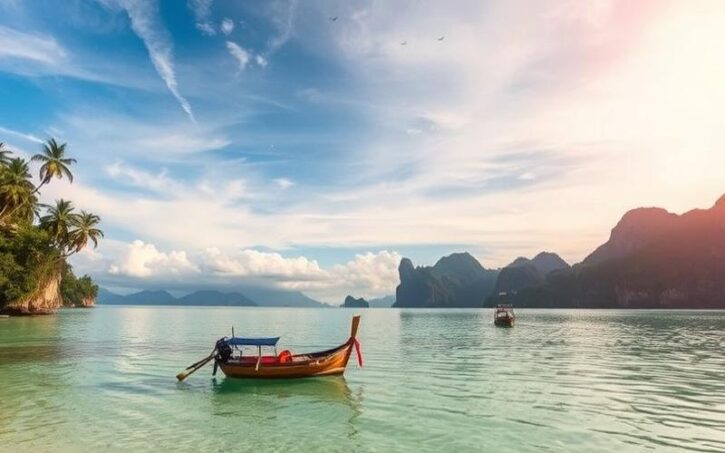
Buying a beachfront property in the Philippines represents a golden opportunity for those looking to invest in real estate while securing a slice of paradise. With its white sand beaches, crystal-clear waters, and warm culture, this Asian country is increasingly attracting international buyers.
However, before diving into this adventure, it is essential to fully understand the legal aspects, the best regions, and the local practices to ensure a worry-free purchase.
This guide will provide you with the keys to navigating the Philippine real estate market and help you realize the dream of owning a home on one of the world’s most beautiful coastlines.
The Coastal Gems of the Philippines: Where to Invest?
Palawan
Natural Beauty: An archipelago renowned for its pristine beaches, turquoise lagoons, and exceptional biodiversity (El Nido, Coron).
Accessibility: Regular air links with Manila/Cebu (airports in Puerto Princesa, El Nido), ongoing road infrastructure development.
Infrastructure: Growth of eco-resorts, high-end hotels, and sustainable residential projects.
Real Estate Potential: Strong local and international tourist demand. Estimated annual appreciation between 8 to 12%.
| Area | Beachfront Villa/House Price |
|---|---|
| El Nido | 3–6 M PHP /100 m² |
| Coron | From 2.5 M PHP /100 m² |
Popularity: A sought-after destination for long-term expats and European or Asian investors.
Boracay
Natural Beauty: Beach ranked among the world’s best (White Beach), festive atmosphere but strict environmental regulations.
Accessibility: Direct flights to Caticlan/Kalibo then ferry; modernized infrastructure after the national rehabilitation in 2018–2020.
Infrastructure: Varied offering of boutique hotels, condominium apartments (“condotels”); high standards for ecological management of new constructions.
Real Estate Potential:
- High tourist occupancy rate year-round (>80%).
- Rental yields among the best in the country (up to ~7% gross/year).
| Type | Average Price per m² |
|---|---|
| Hotel Condo | ~140,000–200,000 PHP/m² |
| Raw Land | >20,000,000 PHP/500 m² |
Cebu
Natural Beauty & Urban Advantages: Large beaches on the main island and neighboring ones like Mactan; cosmopolitan city with strong economic growth.
Accessibility: Regional air hub with international/direct domestic flights. Modern highways connecting the north/south coast.
Infrastructure: Proliferation of luxury/affordable beach resorts, new residential neighborhoods near the waterfront.
| District/Location | Average Condo Price/m² |
|---|---|
| Cebu City Center | ~130,000–160,000 PHP/m² |
| Lapu-Lapu/Mactan* | ~90,000–120,000 PHP/m² |
(*preferred area for second homes/foreign residents)
Siargao
Natural Beauty: Philippine surfing capital (Cloud9), preserved wild nature – mangroves, secret lagoons.
Accessibility: New airport terminal improving seasonal flow; gradual road network development.
Infrastructure: Real estate offering still limited but growing rapidly; proliferation of eco-friendly guesthouses/villas.
Real Estate Potential: Attractive yield due to post-pandemic tourism boom (~15% visitors/year). Steady rise in land prices over the past five years (+10 to +15% annually).
| Type | Average Prices |
|---|---|
| Developed Lot Near Beach | 1 –3 M PHP /150m² |
| Small New Villa | >4M PHP |
Growing popularity among digital nomads/young European or Australian investors.
Key Economic & Demographic Data
- Projected Philippines GDP growth in 2025: +6.2%
- International tourism (>5 million visitors/year) is a main driver for coastal areas
- Young population (<25 years = 50% of inhabitants) guarantees a dynamic workforce for the tourism sector
Coastal investment in the Philippines combines exceptional natural beauty with high rental potential – subject to strict adherence to local rules on foreign ownership!
Good to Know:
The Philippines offers many real estate investment opportunities in its coastal gems, each with its own characteristics. Palawan, with its preserved landscapes and unique biodiversity, attracts nature lovers, and properties there cost on average $100,000 to $150,000 for a beachfront villa. Boracay, known for its white sand beaches and vibrant nightlife, is very popular with international tourists, with prices around $200,000 for a buildable lot. Cebu, with its well-developed infrastructure and growing economic role, is an excellent choice for those seeking an investment with good return potential, with apartments selling for around $70,000. Siargao, popular with surfers, is booming, with prices still competitive starting from $50,000 for small properties. To invest in the Philippines, it is crucial to understand local regulations, especially the impossibility for foreigners to directly own land, but long-term lease structures are possible. Engaging a local lawyer can be wise to avoid legal and administrative pitfalls when acquiring real estate.
Key Steps in the Process of Buying a Beachfront Property in the Philippines
- Identifying Potential Properties
- Search for available properties via specialized platforms, local agents, or reputable developers.
- Determine the desired property type (apartment, condominium, house) and verify its eligibility for purchase by a foreigner.
- Engaging with Local Real Estate Agents
- Collaborate with licensed agents knowledgeable about local regulations.
- Seek assistance from a Philippine lawyer specializing in real estate law to secure the transaction.
- Negotiation Process
- Negotiate the price and payment terms.
- Sign a preliminary contract (“Reservation Agreement” or “Contract to Sell”) that binds both parties.
- Legal Verification and Due Diligence
- Examine the legality of the property and the compliance of documents (property title, absence of mortgage or dispute).
- Verify that the seller is the official owner.
- Payment and Final Formalities
- Pay a deposit, then the balance according to the agreed schedule.
- Sign the final contract before a notary.
- Register the transaction with the competent authorities to obtain the property title.
Local Regulations and Legal Considerations
- Foreigners cannot own land in their own name. Purchase is only possible for apartments or condominium units, up to 40% of the total project.
- For land, only long-term lease solutions or the creation of a local company (majority-owned by Philippine citizens) allow indirect use.
- Verification of the property title is essential to avoid disputes and ensure legal compliance.
- Any transaction must be registered to protect your rights and obtain a clear title.
Specifics of Real Estate Transactions in the Philippines
| Common Practice | Detail |
|---|---|
| Preliminary Contract | “Reservation Agreement” or “Contract to Sell” signed before the final contract. |
| Due Diligence | Verification of the title, any encumbrances, and the property’s zoning compliance. |
| Registration | Mandatory with the Land Registration Authority to obtain the new property title (Transfer Certificate of Title for a condo). |
| Foreign Limitation | Inability to directly acquire land, purchase limited to condominiums and apartments. |
Costs Associated with Buying a Property
| Type of Expense | Estimated Amount or Percentage |
|---|---|
| Value Added Tax | 12% of the purchase price |
| Documentary Stamp Tax | 1.5% of the purchase price |
| Transfer Tax | 0.5% of the purchase price |
| Registration Fees | 0.25% of the purchase price |
| Attorney’s Fees | Varies depending on the service |
| Real Estate Agent Fees | Generally borne by the seller, to be verified on a case-by-case basis |
Also budget for bank fees, insurance, and annual maintenance depending on the property.
Practical Tips: Infrastructure and Insurance
- Checking Local Infrastructure:
- Inspect the condition of roads, access points, water supply, electricity, and internet.
- Inquire about the area’s vulnerability to natural hazards (typhoons, flooding, coastal erosion).
- Insurance:
- Take out home insurance covering climate risks specific to the region.
- Explore options for title insurance to protect the investment against potential disputes.
Summary of Key Points for Buying Beachfront in the Philippines:
- Engage local professionals (lawyer, real estate agent)
- Respect foreign ownership restrictions
- Ensure the property title is clear
- Budget for all ancillary costs
- Check the quality of infrastructure and insure the property
Good to Know:
Buying a beachfront property in the Philippines requires careful navigation through several key steps. Start by identifying potential properties and engage with seasoned local real estate agents to benefit from their market expertise. Be vigilant about local regulations, particularly restrictions for foreigners who cannot own land but can purchase condominiums. During negotiation, it is crucial to ensure the property title is clear and legitimate, often with the help of a lawyer. Factor in additional costs such as taxes, registration fees, and potential title transfer costs. Don’t forget to check the condition of local infrastructure like water and electricity access, and consider insurance options to protect your investment against natural disasters.
Expert Tips for a Successful Beachfront Investment
The location of a beachfront property in the Philippines is crucial: it must be chosen not only for the beauty of the site, but also for its exposure to natural hazards. Experts recommend carefully studying flood zone maps and the local history of natural disasters (typhoons, coastal erosion) before any purchase. Properties located on protected or slightly elevated coastlines generally present fewer environmental risks.
Key Factors to Consider When Buying:
| Criterion | Expert Advice |
|---|---|
| Location | Prioritize areas outside major risk zones (flooding, landslides). |
| Climate Exposure | Check the frequency of severe weather and the resilience of infrastructure. |
| Access and Services | Ensure easy access year-round and the presence of essential services. |
Long-term appreciation potential heavily depends on local tourism development, infrastructure (roads, airports), and regional economic dynamism. It is recommended to analyze local real estate market trends as well as the projected timeline for tourism or urban projects.
Rental demand fluctuates according to several parameters:
- Tourist seasonality.
- Accessibility from urban centers.
- Positioning (luxury, family, adventure).
It is therefore appropriate to study the average occupancy rate in the target area as well as the typical profile of expected tenants.
Important Local Real Estate Laws:
- In the Philippines, only Philippine citizens can acquire land in fee simple; a foreigner can buy a condominium unit under certain conditions but cannot own more than 40% of the building.
- Arrangements via local companies exist to circumvent this land restriction but require heightened legal vigilance.
- Purchase through a company must strictly comply with all Philippine legal obligations to avoid any future challenges.
Points to Verify Before Purchase:
- Meticulous validation of the land title with the “Land Registration Authority.”
- Verification that no mortgage or dispute is attached to the property.
- Strict check on the actual identity of the seller/legal owner.
Advice on Environmental Risks:
Specialists advise:
- A thorough inspection with a specialized civil engineer to detect active coastal erosion or structural weaknesses due to salt/strong winds;
- A geotechnical study if new construction is planned;
- Plan for flood prevention systems and materials adapted to the humid tropical climate;
Key Takeaway:
Engaging an experienced local real estate agent is essential, not only to navigate the local administrative complexity but also to benefit from a reliable network for independent technical inspections, notaries specialized in transactions with foreigners, and personalized advice based on your specific project.
Essential Checklist Before Finalizing Your Purchase:
- Systematically consult official flood/natural hazard maps
- Request a complete technical audit by an independent expert
- Have all legal documents validated by a specialized Philippine lawyer
- Ensure the fiduciary transfer strictly complies with local legislation
Good to Know:
To succeed in a beachfront real estate investment in the Philippines, it is crucial to choose a location that is not only attractive but also resilient to climatic elements, such as typhoons and the risk of coastal erosion. Evaluating local rental demand can also multiply long-term appreciation potential. Make sure to collaborate with experienced local real estate agents who understand the nuances of local laws and can anticipate administrative hurdles. Experts recommend rigorous inspections to detect environmental risks and ensure the property complies with current regulations. Before finalizing a purchase, meticulously verify the legal and fiduciary aspects to avoid future complications, and engage a local lawyer to secure your steps.
Disclaimer: The information provided on this website is for informational purposes only and does not constitute financial, legal, or professional advice. We encourage you to consult qualified experts before making any investment, real estate, or expatriation decisions. Although we strive to maintain up-to-date and accurate information, we do not guarantee the completeness, accuracy, or timeliness of the proposed content. As investment and expatriation involve risks, we disclaim any liability for potential losses or damages arising from the use of this site. Your use of this site confirms your acceptance of these terms and your understanding of the associated risks.

Cyril Jarnias is an independent expert in international wealth management with over 20 years of experience. As an expatriate himself, he is dedicated to helping individuals and business leaders build, protect, and pass on their wealth with complete peace of mind.
On his website, cyriljarnias.com, he shares his expertise on international real estate, offshore company formation, and expatriation.
Thanks to his expertise, he offers sound advice to optimize his clients' wealth management. Cyril Jarnias is also recognized for his appearances in many prestigious media outlets such as BFM Business, les Français de l’étranger, Le Figaro, Les Echos, and Mieux vivre votre argent, where he shares his knowledge and know-how in wealth management.





