
 Published on and written by Cyril Jarnias
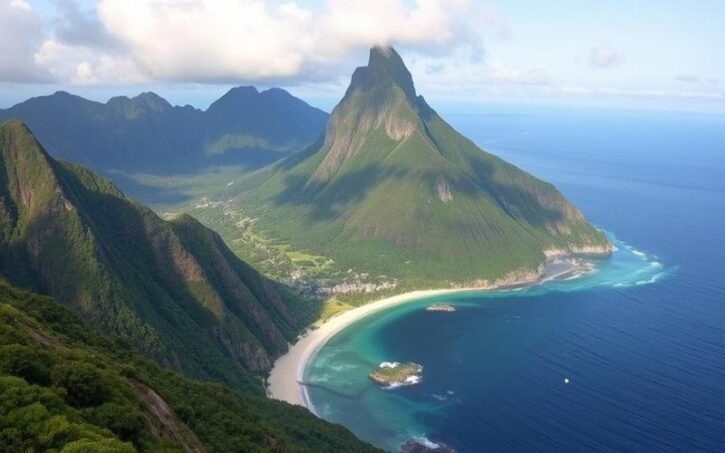
Nestled in the Heart of the Indian Ocean, Mauritius Offers Far More Than Paradise Beaches
Mauritius is also home to authentic villages brimming with opportunities for savvy investors. As modernity advances, these preserved gems are becoming essential pillars of sustainable and promising development.
Investment Outlook Through 2025
Exploring investment prospects through 2025, this article takes you on a journey to discover the island’s hidden treasures, where unique local culture and economic potential meet in harmonious balance.
Good to Know:
For those seeking a rendezvous with the future, investing in these villages promises entry into a world as enchanting as it is lucrative.
Showcasing the Authenticity of Mauritian Heritage
Mauritian villages stand out through their cultural and historical richness, offering a living heritage where traditional architecture coexists with preserved local customs and crafts passed down through generations.
Traditional Architecture:
- Colonial houses dating back to the 17th century reflect the island’s multicultural history, blending European, Creole, Indian, and Islamic influences. These buildings often feature latticed verandas, double-pitched roofs, and colorful shutters that blend harmoniously into the landscape.
- The village of Cap Malheureux perfectly illustrates this architectural authenticity with its picturesque homes and iconic red-roofed church overlooking the sea.
Local Customs:
- In villages like Trou d’Eau Douce or Le Morne, daily life still follows ancestral rhythms: fishermen depart before dawn to bring in the day’s catch while local markets buzz with warm exchanges.
- Religious traditions also shape community life. Examples include Hindu ceremonies in colorful temples and ancestor veneration in historic pagodas like the one in Port Louis.
Preserved Artisanal Crafts:
- Numerous artisans continue traditional skills: wooden pirogue construction, vacoa basket weaving, or handmade spice production.
- These practices are valuable assets for developing sustainable tourism centered on authentic experiences.
| Village | Cultural/Historical Specificity | Asset for Sustainable Tourism |
|---|---|---|
| Trou d’Eau Douce | Peaceful life centered around traditional fishing | Cultural immersion with local residents |
| Cap Malheureux | Typical architecture & red-roofed church | Iconic landscapes & built heritage |
| Le Morne | UNESCO site & Maroon legends | Historical discovery & exceptional natural setting |
Active preservation of cultural heritage is essential to maintain balance between economic development and respect for traditions. This approach particularly appeals to investors committed to promoting responsible tourism that values local authenticity.
Notable Government or Community Initiatives:
- World Heritage listing (e.g., Le Morne Brabant) promoting coordinated management between public authorities and local communities.
- Official protection of historic buildings (heritage churches, classified pagodas).
- Programs supporting local artisans through cultural fairs or workshops open to visitors.
Preserving these cultural treasures not only strengthens Mauritian identity but also provides investors with a solid foundation to develop respectful, sustainable tourism offerings focused on authentic sharing with local communities.
By valuing vernacular architecture, living customs, and traditional crafts while supporting measured growth in the tourism sector, Mauritius is charting an exemplary path toward an inclusive future combining economic prosperity with deep respect for the past.
Good to Know:
Mauritius is a treasure of cultural and historical diversity, where the authenticity of villages like Mahébourg and Chamarel fascinates visitors. These localities preserve typical Creole architecture and customs shaped by centuries of cultural blending. Artisanal crafts such as stone carpet making and wood carving withstand time, reinforcing these communities’ unique identity. Keeping these traditions alive while progressing economically is essential, and initiatives like the “Village Heritage” program encourage sustainable tourism projects supported by government and local communities. For investors, this respect for traditions, combined with an environment favorable to development, represents an opportunity to propel authentic tourism focused on respecting and valuing heritage.
Investing in Rural Real Estate for Optimal Returns
Mauritius’ rural economy, approaching 2025, benefits from stable GDP growth (approximately 4-5% annually), supporting continuous real estate market expansion even in authentic villages. These regions now attract a new generation of investors sensitive to sustainability, local heritage, and rental opportunities outside traditional coastal areas.
Current and Emerging Trends:
- Strong demand for eco-friendly housing incorporating sustainable materials, solar panels, and landscaping that promotes biodiversity
- Growth in rural rental market due to influx of expatriates seeking cultural authenticity and tranquility
- Moderate but steady increase in per-square-meter prices in villages, driven by land scarcity in coastal North/West and shift toward inland areas
- Focus on heritage enhancement: renovation of traditional Creole homes or conversion into high-end tourist lodgings
Factors Influencing Rural Real Estate Investments:
| Factor | Impact on Rural Market |
| Economic | Stable growth; government support for affordable housing |
| Social | Search for authenticity; growing expatriate population |
| Environmental | Pressure on resources; strong ecological expectations |
Potential Advantages for Investors:
- Enhanced rental profitability with average rates higher than urban areas due to eco-responsible tourism and long-term stays
- Tax incentives through specific schemes favoring rehabilitation of old buildings or green projects
- Heritage appreciation: steady price increases for properties with historical charm or unique architectural character
Identified Risks and Challenges:
- Seasonal fluctuations in rental demand due to persistent tourism dependency
- Growing land scarcity potentially limiting choice of strategic locations
- Sometimes high initial costs related to ecological renovation/rehabilitation of old structures
Recommended Strategies to Mitigate These Risks:
- Diversify between short-term (tourism) and long-term (expatriate) rentals
- Prioritize partially renovated properties to limit unexpected costs related to recent ecological standards
- Collaborate with local stakeholders thoroughly familiar with rural regulations, Creole architectural specifics, and regional tax schemes
Concrete Examples/Case Studies:
In a typical southern village, several restored colonial houses were converted into eco-friendly lodges achieving annual occupancy rates over 80%, generating gross profitability exceeding 6%.
Immediately adjacent to the national park, acquisition and energy modernization of an old sugar plantation house not only created significant added value (+20% in three years) but also established it as an essential stop in various cultural tourism circuits.
Key Takeaway: Mauritian rural real estate investment combines solid financial potential—driven by strong ecological trends—with sustainable enhancement of local heritage. Success requires careful analysis of village social fabric and professional specialized support from purchase through operation.
Good to Know:
Investing in rural real estate in Mauritius’ authentic villages can offer optimal returns due to growing interest in cultural and ecological tourism, particularly approaching 2025. The real estate market in these regions is currently experiencing growth, with increased demand for short-term seasonal rentals. Investors can benefit from rental profitability and tax incentives offered by the government to encourage preservation of local heritage. However, it’s important to consider risks such as limited infrastructure and dependence on tourism economy. Strategies like portfolio diversification and investment in community projects can help mitigate these risks. Success examples include colonial house conversions into guesthouses, which have demonstrated high profitability potential.
Top Mauritian Villages for Investment Opportunities
| Village | Location | Main Characteristics | Economic Assets & Key Projects | Investment Options | Tax/Legal Incentives | Risks & Challenges |
|---|---|---|---|---|---|---|
| Grand Baie | North coast | Lively, modern beach resort, cosmopolitan | Steady tourism growth, new hotel and residential complexes, modern infrastructure. Strong appeal for high-net-worth expatriates and tourists. | High-end residential real estate, seasonal or long-term rental | Attractive schemes for foreign investors (acquisition under PDS/RES/IHS), administrative facilities | High prices and increased competition; tourism market dependency; saturation risk |
| Tamarin | West coast | Exceptional natural setting between sea & mountains, peaceful atmosphere | Development of ecological infrastructure (smart city), real estate projects focused on sustainability. Strong demand for family housing and water sports activities. | Eco-designed villas, new apartments with high rental potential | Programs for non-citizens (PDS/IRS), simplified rental management systems | Growing land pressure; environmental preservation vigilance |
| Roches Noires | Northeast coast | Preserved authenticity; wild beaches & protected natural environment | Exclusive real estate developments oriented toward luxury; growth in alternative tourism. Environmentally respectful projects | Premium real estate with sustainability focus | Tax exemptions on capital gains under certain real estate investment schemes | Still limited market liquidity; restricted service accessibility; logistical challenges during tourist peaks |
| Beau Champs – Anahita | Southeast / Private secured estate | Proximity to Anahita international golf; ultra-premium villas integrated into luxury ecosystem | Growth in green luxury investments from demanding international clientele; continuous resort development with new sports/cultural amenities | Ultra-luxury residences with integrated hotel management; full ownership possible for foreigners under specific conditions | Advantageous taxation: no capital gains tax on real estate/low property taxes/high rental profitability through international partner resorts | High financial entry required; exposure to global luxury market; need to maintain high standards amid growing international competition |
| Moka Smart City | Center (modern urban core) | Connected smart city with commercial/educational/healthcare high-tech hubs; | Emerging economic hub outside traditional coastal areas; Numerous local CSR programs. Growing attractiveness among young Mauritian/international professionals; | Investment in commerce/offices/student housing; | Stable tax environment supported by local government; Possible tax deductions depending on investment nature. | Recent urban dynamics creating potential volatility; High initial price levels relative to other villages |
General Tax Incentives
- Free acquisition for foreigners through IRS/PDS/SCS/IHS schemes depending on project.
- Complete absence of recurrent local property tax.
- Possibility of obtaining residence permit through real estate investment (>$375,000 USD).
- General policy favorable to foreign entrepreneurship.
General Risks
- Fluctuations related to international tourism and global macroeconomic context.
- Potential saturation in already mature areas like Grand Baie.
- Coastal climate vulnerability (erosion/sea level rise).
Expert Testimonials/Opinions
“Mauritian Smart Cities like Moka are radically transforming local urban offerings by combining technological innovation and quality of life,” notes D.K., real estate investment consultant.
“The west coast continues to attract those seeking authenticity but also legal security thanks to new legal schemes promoting worry-free investment,” testifies A.B., specialized notary.
“Foreign demand remains robust as long as Mauritius maintains its competitive tax advantages compared to Dubai or Lisbon,” analyzes S.M., independent agent based in Grand Baie.
Good to Know:
Mauritian villages Trou d’Eau Douce, Cap Malheureux, and Chamarel stand out for their promising investment opportunities through 2025. Trou d’Eau Douce, on the east coast, attracts investors through dynamic tourism development and port infrastructure projects; tax incentives such as real estate investment tax reductions are numerous. Cap Malheureux, in the north, benefits from increased attractiveness through tourist influx and local sustainable development initiatives focused on ecotourism; emphasis is placed on real estate and organic agriculture. Chamarel, nestled in the southwest, is recognized for its Creole cuisine and picturesque landscapes, combining ecological and cultural efforts. Local experts highlight these villages for their judicious growth strategy despite challenges such as environmental pressure or real estate market fluctuations; nevertheless, most investors agree that medium-term potential is favorable, with increased vigilance regarding evolving regulations.
Disclaimer: The information provided on this website is for informational purposes only and does not constitute financial, legal, or professional advice. We encourage you to consult qualified experts before making any investment, real estate, or expatriation decisions. Although we strive to maintain up-to-date and accurate information, we do not guarantee the completeness, accuracy, or timeliness of the proposed content. As investment and expatriation involve risks, we disclaim any liability for potential losses or damages arising from the use of this site. Your use of this site confirms your acceptance of these terms and your understanding of the associated risks.

Cyril Jarnias is an independent expert in international wealth management with over 20 years of experience. As an expatriate himself, he is dedicated to helping individuals and business leaders build, protect, and pass on their wealth with complete peace of mind.
On his website, cyriljarnias.com, he shares his expertise on international real estate, offshore company formation, and expatriation.
Thanks to his expertise, he offers sound advice to optimize his clients' wealth management. Cyril Jarnias is also recognized for his appearances in many prestigious media outlets such as BFM Business, les Français de l’étranger, Le Figaro, Les Echos, and Mieux vivre votre argent, where he shares his knowledge and know-how in wealth management.





