
 Published on and written by Cyril Jarnias
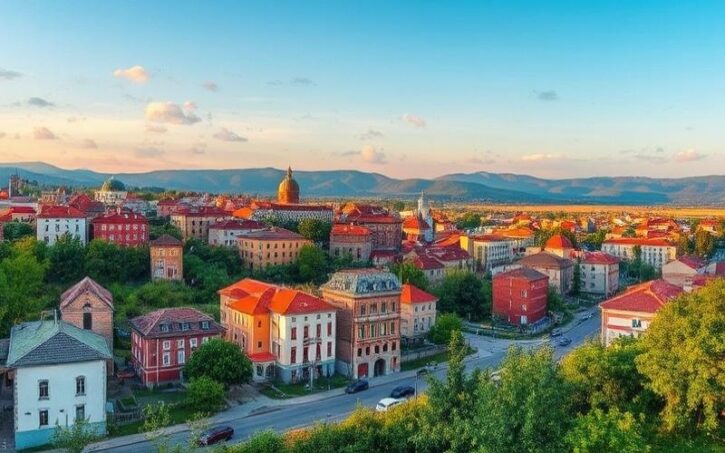
Renovating a property in Romania means immersing yourself in a world where old-world charm meets modern potential, offering investors and homeowners the opportunity to create true architectural gems. The diversity of construction styles, ranging from traditional wooden houses in mountainous regions to elegant Art Nouveau buildings in cities like Bucharest, inspires projects that blend authenticity with modern comfort. However, successful renovation requires mastering certain key elements, including understanding local regulations, selecting appropriate materials, and collaborating with skilled craftsmen. This article explores the essential steps and best practices for transforming these historic structures into welcoming residences, while respecting Romania’s unique cultural heritage.
Exceeding Your Renovation Expectations in Romania
The renovation market in Romania has experienced sustained growth in recent years, driven by a high proportion of homeowners (over 95% of Romanians own their homes) and a growing commitment to improving comfort and modernizing spaces. In 2025, three out of four Romanians plan to undertake renovation work, whether it’s essential repairs (36%), energy improvements (21%), or extensions to welcome a new family member (8%). Nearly a third are considering a complete renovation.
Typical Expectations of Romanian Clients During a Renovation:
- Aesthetic and functional modernization
- Energy optimization and cost reduction
- Use of sustainable or innovative materials
- Adherence to the initial budget with full transparency
- On-time delivery and guaranteed quality
Recent Examples of Renovations Exceeding Expectations:
| Project | Modern Techniques Used | Innovative Materials | Integrated Sustainability |
|---|---|---|---|
| Urban Apartment | Home automation for light/heating management | Bio-based insulation | Integrated solar panels |
| Family Home | Prefabricated modular systems | Low-carbon concrete | Rainwater harvesting |
| Rehabilitated Loft | 3D printing for decorative elements | Triple-glazed windows | Geothermal heat pump |
These projects illustrate the rapid adoption in Romania of:
- Home automation solutions enabling intelligent control of heating, lighting, or security;
- Eco-friendly materials such as natural insulation, low-carbon concrete, or certified wood;
- Systematic integration of equipment promoting energy self-sufficiency: photovoltaic panels, latest-generation heat pumps.
Choosing Your Renovation Company in Romania: Key Criteria
- Solid guarantees on the work performed (legal minimum, but often extended by reputable providers)
- Exceptional customer service, including administrative support for local/EU subsidies.
- Full transparency, both in planning and budget tracking—with regular reporting accessible to the client.
Reputable companies often offer a detailed contract specifying each stage of the project as well as the exact procedures in case of unforeseen events.
Practical Tips for Setting Realistic Expectations Before a Project:
- Create a prioritized list of essential needs versus secondary “wants.”
- Request multiple detailed quotes from different companies.
- Set aside an additional budget margin (10–15%) for technical contingencies.
- Thoroughly research local regulations regarding energy efficiency.
- Carefully check recent references and, if possible, visit some previous projects.
Properly preparing your project not only helps avoid disappointments or financial overruns but also—thanks to available innovations—achieves a result that sustainably exceeds initial standards.
Good to know:
The renovation market in Romania has evolved significantly in recent years, broadening client expectations who now seek cutting-edge, modern projects. Successful renovations often integrate modern techniques such as home automation and use innovative building materials like eco-friendly concrete and bio-based insulation, not only to exceed aesthetic expectations but also to enhance energy efficiency. Ecological sustainability is no longer a luxury but a necessity that many projects strive to meet, offering homeowners solutions that are both beautiful and durable. To choose the right company, it is crucial to ensure it offers solid guarantees, exceptional customer service, and full transparency in all aspects of the project. Before starting a renovation, it is advisable to clearly define your priorities and budget to set realistic expectations and avoid unpleasant surprises. Collaborating with professionals who understand local subtleties is essential for navigating Romania’s legal and cultural requirements, thus ensuring a smooth project.
Key Steps for a Successful Transformation
To successfully transform a property in Romania, it is essential to follow several structured steps, respecting legal and technical aspects, and ensuring effective coordination among all stakeholders.
Identifying Legal Aspects and Obtaining Permits
- Verify compliance with the Romanian Civil Code and specific laws (Law 50/1991 for work authorization, Law 7/1996 on cadastre, Law 10/1995 on construction quality).
- Obtain the building permit from local authorities before starting any work.
- Ensure all administrative procedures (cadastre, land registry, energy audit if applicable) are completed.
- Consider potential restrictions related to environmental protection, land nature, or building purpose.
- Consider engaging a specialized lawyer to optimize permit acquisition and avoid penalties.
Initial Structural Assessment
- Hire an expert to:
- Assess the building’s stability.
- Inspect the condition of foundations and roof.
- Check electrical and plumbing installations.
- Identify essential work to ensure safety and compliance with standards.
Detailed Preliminary Budget
Establish a budget covering:
- Cost of permits and expert fees.
- Priority work (structure, safety).
- Secondary work (improvements, finishes).
- Contingency costs (typically 10 to 20% of the total budget).
| Expense Item | Budget Estimate (%) |
|---|---|
| Permits & Fees | 10% |
| Essential Work | 40% |
| Secondary Work | 30% |
| Contingencies | 20% |
Structured Work Schedule
- Preparatory phase: obtaining permits, building diagnosis, selecting professionals.
- Demolition: removal of dilapidated or hazardous elements.
- Reconstruction and structural work: consolidation, extension, structural modification.
- Insulation: thermal, acoustic, waterproofing.
- Technical installations: electricity, plumbing, heating.
- Finishes: flooring, joinery, painting, decoration.
Choosing Qualified Professionals
- Prioritize certified companies and recognized craftsmen for their expertise.
- Check references, insurance, and guarantees offered.
- Secure written contracts clearly defining the scope, deadlines, and payment terms.
Communication and Coordination
- Establish regular meetings among all stakeholders (project owner, architect, companies, lawyer, etc.).
- Use project tracking tools to ensure transparency and traceability of decisions.
- Clarify everyone’s responsibilities from the start of the project.
Key Takeaways
The success of a property transformation in Romania relies on strict adherence to legal frameworks, a rigorous technical assessment, a realistic budget, methodical planning, the selection of competent professionals, and smooth communication among all project stakeholders.
Good to know:
Before renovating a property in Romania, it is crucial to research the legal aspects and obtain all necessary permits to comply with local regulations. Start with an initial structural assessment, checking the building’s stability, the condition of foundations, roof, and electrical and plumbing installations. A detailed preliminary budget must be established, setting aside a portion for contingencies. Plan the work in several distinct phases, such as demolition, reconstruction, insulation, and finishes. To ensure a successful transformation, hire qualified professionals, guaranteeing quality and adherence to deadlines. Finally, effective communication among all stakeholders is essential for coordinating tasks and avoiding misunderstandings.
Mastering Your Budget and Financing Options
Establishing a realistic budget is a crucial step before starting renovation work in Romania, to avoid unpleasant financial surprises and ensure the project’s viability.
Main Costs to Anticipate for a Renovation Project in Romania:
| Expense Item | Cost Range (Indicative) | Observations |
|---|---|---|
| Materials | €400–900/m² | Varies by quality and type |
| Labor | €200–400/m² | Higher in Bucharest |
| Permits and Authorizations | €100–1,000 | Depending on the nature of the work |
| Various Contingencies | 10–15% of total budget | Recommended to cover unforeseen events |
- The average purchase or renovation price of a new home in Romania was approximately €1,504/m² in 2023, with notable differences between Bucharest (more expensive) and provincial cities.
- Labor and material costs are generally lower than the European average but can fluctuate depending on the region and project complexity.
- Building or renovation permits are mandatory for most structural renovations, and their cost varies by municipality and project scope.
Available Financing Options:
Bank Loans
- Advantages: Quick access to significant amounts, possibility of fixed or variable rates, flexible repayment terms.
- Disadvantages: Requires a strong application, may require a mortgage, interest to be repaid.
- Suitable for: Major renovations or purchase/renovation of properties intended for rental or resale.
Government Subsidies
- Advantages: Reduces total cost, incentives for energy efficiency or heritage preservation.
- Disadvantages: Strict eligibility criteria, sometimes lengthy administrative procedures, capped amount.
- Suitable for: Energy renovation projects, restoration of listed buildings or those in priority areas.
Personal Savings
- Advantages: No interest or debt, total flexibility in fund usage.
- Disadvantages: Limited by savings capacity, tying up funds that could be used for other projects.
- Suitable for: Small renovations or progressive work.
Comparative Summary of Financing Methods:
| Financing Method | Speed of Access | Overall Cost | Flexibility | Financial Risk | Recommended Project Size |
|---|---|---|---|---|---|
| Bank Loan | High | Medium/High | Good | Medium/High | Medium to Large |
| Government Subsidy | Low | Low | Low | Low | Specific |
| Personal Savings | Immediate | Low | Excellent | Low | Small to Medium |
Practical Tips for Tracking and Adjusting the Budget:
- Establish a detailed preliminary budget with a contingency margin (10 to 15%).
- Use a spreadsheet or management app to track expenses in real-time.
- Request multiple quotes for each major item (materials, labor).
- Prioritize essential work and postpone secondary improvements if the budget is tight.
- Regularly check progress and adjust the plan if discrepancies arise.
- Keep all invoices and receipts for accurate tracking and potential subsidy applications.
A well-prepared budget is the key to the success of any renovation project, allowing you to anticipate costs, choose a suitable financing method, and limit the risk of overruns.
Good to know:
Establishing a realistic budget is crucial before starting renovation work in Romania, as costs can vary depending on materials, labor, and necessary permits, often between €25 and €70 per square meter for light renovations. Financing options include bank loans, advantageous for their flexibility but requiring good creditworthiness; government subsidies, which can reduce costs but have restricted eligibility; and personal savings, which avoid debt but require rigorous planning. Adapting the financing to the project is essential: a bank loan may suit major renovations, while savings or subsidies often suffice for smaller jobs. To track and adjust the budget, keep a detailed record of expenses and be prepared to adjust your needs if costs exceed forecasts.
Choosing the Best Renovation Materials
Romania’s climatic conditions, characterized by cold winters and hot summers, require building materials with high insulating performance, durability, and adaptability to humidity and thermal variations.
Most Suitable Materials and Their Properties
| Material | Insulating Properties | Durability | Specific Advantages |
|---|---|---|---|
| Wood Fiber | Very good thermal and acoustic insulation, high thermal capacity, excellent humidity regulation | High | Effective protection against summer heat, good moisture resistance |
| Hemp | Low thermal conductivity, hygrometric regulation | High | Renewable, eco-friendly material |
| Sheep’s Wool | High insulating performance, absorbs moisture without losing properties | Medium | Natural, easy to install, compostable |
| Reed | Very good thermal and acoustic insulation, moisture-regulating | High | Very durable, traditional in Eastern Europe |
| Straw | Good thermal resistance, local material | Medium to High | Low cost, low environmental impact |
| Cellular Glass | Excellent insulation, impermeable | Very High | Fire resistant, rodent-proof |
| Glass/Mineral Wool | Good value for money, thermal and acoustic insulation | Medium | Widely available, recyclable |
Importance of Local and Eco-Friendly Materials
- Local materials reduce the carbon footprint associated with transport and support the regional economy.
- Natural insulators (hemp, reed, sheep’s wool, wood fiber) are renewable, biodegradable, and contribute to indoor air quality.
- Eco-friendly materials help combat climate change by storing CO₂ and limiting polluting emissions during production.
Tax Benefits and Subsidies
- In Romania, several national and European programs offer aid for energy renovation using eco-friendly materials, in the form of direct subsidies or tax credits.
- The use of certified eco-friendly materials is often a condition for eligibility for these schemes.
Cost Comparison
| Material Type | Initial Cost | Lifecycle Cost | Remarks |
|---|---|---|---|
| Traditional (glass wool, polystyrene) | Low to Medium | Medium to High | Less durable, limited recycling |
| Modern Eco-friendly (wood fiber, hemp, reed) | Medium to High | Low to Medium | Cost offset by durability and energy savings |
Examples of Successful Use in Romania
- Renovation of traditional houses in the Carpathians using wood fiber panels and hemp, improving thermal comfort without altering the original architecture.
- Use of local reed for roof insulation in the Danube Delta, combining thermal efficiency with the valorization of regional resources.
- Urban projects in Bucharest integrating wood wool to renovate old buildings while reducing energy bills.
Local Expert Recommendations and Practical Tips
- Prioritize local and certified materials to maximize financial aid and reduce environmental impact.
- To optimize value for money:
- Compare the overall cost (purchase, installation, maintenance, energy savings) rather than just the purchase price.
- Adapt the insulation thickness to the building’s constraints (eco-friendly insulation may sometimes require more thickness).
- Combine different materials to leverage their advantages (e.g., wood fiber + hemp).
- Verify the eligibility of materials for national or European subsidies before making a final choice.
- Hire local craftsmen experienced in installing eco-friendly materials.
Key Takeaways
The use of natural and local insulating materials, although sometimes more expensive to purchase, is quickly recouped through energy savings, durability, and access to subsidies, while contributing to the preservation of Romania’s architectural and environmental heritage.
Good to know:
In Romania, it is crucial to choose renovation materials adapted to climatic variations, such as treated wood or brick, which offer excellent insulating properties and durability. Prioritizing local materials, like natural stone, not only reduces the carbon footprint but can also provide access to government ecological subsidies. Although modern materials like high-performance insulation panels are costly to purchase, their energy efficiency can generate long-term savings. Conversely, traditional materials, often more affordable, such as cob used successfully in rural renovations, show good value for money. Local experts recommend consulting experienced craftsmen to optimize these choices and analyzing available tax incentives to offset initial costs.
Disclaimer: The information provided on this website is for informational purposes only and does not constitute financial, legal, or professional advice. We encourage you to consult qualified experts before making any investment, real estate, or expatriation decisions. Although we strive to maintain up-to-date and accurate information, we do not guarantee the completeness, accuracy, or timeliness of the proposed content. As investment and expatriation involve risks, we disclaim any liability for potential losses or damages arising from the use of this site. Your use of this site confirms your acceptance of these terms and your understanding of the associated risks.

Cyril Jarnias is an independent expert in international wealth management with over 20 years of experience. As an expatriate himself, he is dedicated to helping individuals and business leaders build, protect, and pass on their wealth with complete peace of mind.
On his website, cyriljarnias.com, he shares his expertise on international real estate, offshore company formation, and expatriation.
Thanks to his expertise, he offers sound advice to optimize his clients' wealth management. Cyril Jarnias is also recognized for his appearances in many prestigious media outlets such as BFM Business, les Français de l’étranger, Le Figaro, Les Echos, and Mieux vivre votre argent, where he shares his knowledge and know-how in wealth management.





