
 Published on and written by Cyril Jarnias
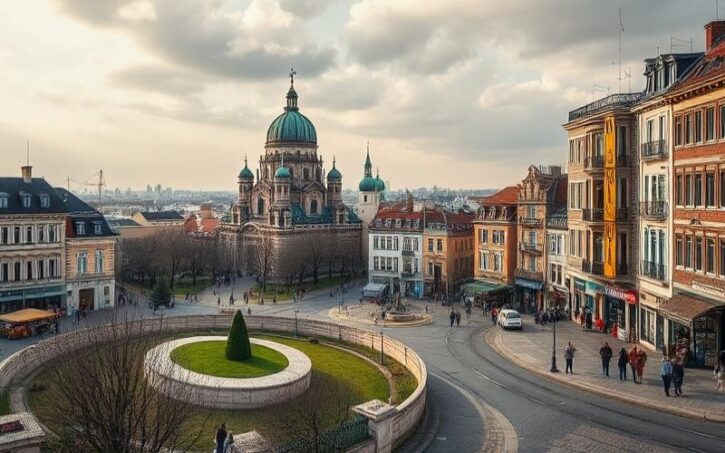
The rise of the second home market in Romania is increasingly captivating foreign and local investors, drawn by the country’s natural and cultural diversity. Offering a unique blend of mountain landscapes, pristine beaches, and charming historic villages, Romania is positioning itself as a top destination for those seeking escape and discovery.
Supported by attractive real estate prices and increasingly favorable legislation, this booming market promises lucrative opportunities and an exceptional living environment, reinforcing the appeal of a country where tradition and modernity intertwine harmoniously.
Why Choose Romania for Your Second Home
Romania is increasingly attracting second home buyers thanks to a combination of economic, natural, and cultural factors.
Cost of Living and Real Estate
- The cost of living in Romania is significantly lower than in most Western European countries, allowing for a comfortable standard of living while keeping daily expenses under control.
- Real estate remains affordable, with attractive prices per square meter, even in major cities or tourist areas.
- Properties with ecological certifications benefit from government incentives and see their value increase, particularly in sectors benefiting from energy renovation programs.
Diversity of Landscapes
- Romania offers a wide variety of landscapes:
- The Carpathian Mountains for hiking and winter sports enthusiasts
- Preserved forests and countryside for green tourism
- The Danube Delta, a UNESCO World Heritage site
- The Black Sea beaches for seaside activities
| Region | Main Attraction | Key Activities |
|---|---|---|
| Carpathians | Mountains and forests | Skiing, hiking, ecotourism |
| Danube Delta | Unique nature reserve | Birdwatching, fishing |
| Black Sea Coast | Beaches and resorts | Swimming, water sports |
| Transylvania | Authentic villages, castles | Culture, gastronomy |
Cultural and Historical Richness
- Each region has its own traditions, festivals, and varied cuisine.
- The historical heritage is remarkable: medieval castles, painted monasteries, Saxon villages, Baroque towns.
- Romanian culture, blending Eastern and Western influences, charms with its authenticity.
Economic Growth and Investment Opportunities
- Romania is experiencing dynamic economic growth, driven by the rise of a middle class and an influx of expatriates.
- The local real estate market is evolving rapidly with the creation of modern, secure residences tailored to international expectations.
- Tax incentives, low income tax rates, and an investor-friendly environment encourage the purchase and appreciation of real estate assets.
Warm Welcome and Authenticity
- Romanians are known for their hospitality and openness towards foreigners.
- Some rural areas have preserved their traditional way of life, offering an authentic living environment, far from tourist overcrowding.
Key Takeaways
- Low cost of living
- Affordable and growing real estate
- Varied landscapes: mountains, beaches, delta
- Rich historical and cultural heritage
- Investment opportunities and attractive taxation
- Warm welcome and preserved authenticity
Good to Know:
Romania stands out as a top destination for a second home due to its relatively low cost of living and real estate, offering excellent value for money compared to other regions in Europe. The diversity of landscapes, from the majestic Carpathian Mountains to the sunny Black Sea beaches, provides varied settings for residences. The country boasts a fascinating cultural and historical richness, with stable economic growth that presents promising real estate investment opportunities. Furthermore, the warm welcome of Romanians and the preserved authenticity of its rural regions make it an attractive place for foreigners seeking a more intimate and authentic experience.
The Best Places to Invest in Romania
Investment in second homes in Romania is increasingly appealing to buyers thanks to a strong real estate dynamic, still competitive prices, and high tourist demand. Major cities like Bucharest and Cluj-Napoca, as well as certain rural or coastal regions (notably Constanța), offer distinct opportunities depending on the investor’s profile.
Regional Economic Attractiveness
| Region / City | Economic Strengths | Local Infrastructure |
| Bucharest | Financial center, university hubs, headquarters of multinational companies; dynamic job market | Developed transport network (metro, international airport), technology parks |
| Cluj-Napoca | Country’s IT capital, rapid growth in the tertiary and university sectors; strong middle class | Improved highway access, active regional airport |
| Brașov | Economy focused on tourism (mountains) and light industry | Modern tourist infrastructure |
| Constanța | Romania’s main maritime port; major summer tourist hub | Proximity to the Black Sea; strong hotel development |
Real Estate Growth
- The national real estate price index is rising +4.9% annually in Q1 2025.
- Cluj-Napoca shows the most significant increase (+11%, €2704/m²).
- Bucharest remains attractive (~€1700/m²) with a moderate but steady increase.
- Brașov is also experiencing notable dynamism (+3% over one month).
- In Constanța, recent stability but high seasonal rental potential.
Tourist Demand
Key Factors:
- High summer influx on the coast (Constanța/Mamaia)
- Growing urban tourism in Bucharest and Cluj
- Growth of green/mountain tourism in the Carpathians (Brașov)
Consequences for Investment:
- Increased profitability in seasonal or short-term rentals
- Constant demand for secure, high-end housing, especially among expatriates
Rental Yields & Recent Trends
- Bucharest
- Gross rental yield: generally between 5% and 6%
- Continuous decrease in vacancy rate in the city center (7%) during summer due to tourist flow
- Rural & Mountainous Areas
- Increased interest in eco-tourism/”nature” second homes
- Attractive prices compared to major cities
Structural Trends Influencing the Market
Key Points to Remember:
- Influx of expatriates seeking security/comfort → rise of secure residences with premium services.
- Examples of sought-after services: 24/7 enhanced security, integrated pools/gyms.
- National economic stability coupled with still favorable access to credit despite a slight monetary tightening.
Good to Know:
In Romania, investing in second homes can be particularly attractive in dynamic cities like Bucharest and Cluj-Napoca, where real estate prices are continuously growing, with an average annual rate of 5% in recent years, supported by robust tourist demand and modern infrastructure. Bucharest, as the capital, offers rental yields of around 6% thanks to its role as a major economic center. Cluj-Napoca, the “Silicon Valley” of Romania, attracts many tech professionals, thus energizing the local real estate market. At the same time, rural and coastal areas such as the Constanța region on the Black Sea are gaining new interest due to growing tourist potential and still affordable purchase prices, with annual yields sometimes reaching 8% in certain coastal localities. Market trends, such as the arrival of new infrastructure, including road network extensions and improved transport services, are also stimulating the appeal of these locations, bringing new investment opportunities.
Key Takeaway:
Metropolises ensure liquidity and asset security, while seaside or rural resorts focus on high seasonal profitability linked to growing tourism. Geographic diversification remains key given the rapid changes in the current Romanian real estate market.
Indicative Comparison Table – Average Prices & Estimated Gross Yields (2025)
| Zone | Average Price €/m² | Annual Change | Gross Yield (%) |
| Cluj-Napoca | ~2700 | +11% | ~4–5 |
| Bucharest | ~1700 | Moderate increase | ~5–6 |
| Brașov | ~1870 | +3%/recent month | ~6 |
| Constanța | – | – | >7 (seasonal) |
To maximize your second home investment in Romania: target either dynamic urban centers offering stability/ease of resale or bet on coastal or mountain tourist demand promising higher profitability during seasonal peaks.
Investment Guide for a Second Home in Romania
Market Context
The second home market in Romania shows a positive dynamic in 2025, driven by investment in infrastructure, European integration, and growing investor confidence. Demand continues to increase, particularly in major cities such as Bucharest, Cluj-Napoca, Timișoara, Brașov, Oradea, Constanța, and Iași, but also in secondary and tertiary cities that are becoming increasingly attractive. Expatriates and the emerging middle class play a key role in this growth, especially for secure residences and premium housing. Inflation and rising construction costs remain challenges, but the interest in diversification and the search for residential security remain strong.
Advantages of Investing in Romania
- Attractive yields, frequently exceeding 10 to 15% per year (rental + property appreciation).
- Real estate prices still competitive compared to Western Europe, offering excellent value for money.
- High growth potential, stimulated by economic stability, rising purchasing power, and strengthening infrastructure.
- Incentive tax policies and increased banking accessibility for foreign investors.
- Occasional local incentives for investments in certain regions or project types (new housing, tourist areas).
Types of Properties Available
| Property Type | Typical Location | Main Features |
|---|---|---|
| Villas and Country Houses | Suburbs, rural areas | Large spaces, gardens, often modern |
| City Center Apartments | Bucharest, Cluj, Timișoara… | Modern, secure, premium services |
| Seafront Apartments | Constanța, Mamaia | Sea view, beach access, high seasonal demand |
| Chalets/Mountain | Brașov, Sinaia, Poiana Brașov | Proximity to skiing, natural landscapes |
| Secure Residences | Major cities, outskirts | Enhanced security, concierge services |
Purchase Procedures
- Property search and price negotiation (often through a local real estate agent).
- Verification of the legal and urban planning status of the property (title deed, absence of debts, etc.).
- Signing of a preliminary contract (promise of sale) before a notary.
- Payment of a deposit (generally 5 to 10% of the price).
- Finalization of the sale and transfer of ownership before a notary, with registration in the land registry.
- For foreigners: presentation of a valid passport and a Romanian tax identification number (easily obtainable).
- Fees to anticipate: notary fees (0.5 to 2%), agency fees (2 to 4%), registration taxes (0.5 to 1%).
Financing and Taxation
- Possible access to mortgage credit for non-residents, subject to conditions (high down payment, additional guarantees).
- Local financing or use of international banks present in Romania.
- Favorable taxation on rental income (flat rate, deductions depending on status).
- Moderate property tax and possible exemptions for certain investments.
- No major restrictions for European buyers; for non-EU, purchase via a Romanian company is recommended.
Cultural and Practical Considerations
- The official language is Romanian, but English and French are commonly used in the urban real estate sector.
- Negotiation is customary and expected during a purchase; it is recommended to be accompanied by a local agent.
- The Romanian lifestyle values conviviality, security, and access to green spaces.
- Administrative timelines are reasonable, but it is prudent to be assisted by a specialized lawyer to secure all procedures.
Risks and Precautions
- Economic fluctuations that could affect property valuation.
- Risk of delays or disputes during transactions, especially without prior verification of land documents.
- Possible instability of real estate or tax legislation; stay informed of developments.
- Local climate risks (floods, marked seasonal variations) depending on the chosen area.
- To mitigate risks: prioritize reputable neighborhoods, surround yourself with qualified professionals (agent, notary, lawyer), and conduct thorough due diligence before any purchase.
Key Takeaways
Investing in a second home in Romania combines financial attractiveness, diversity of supply, and a booming living environment, provided you are well-informed about local specifics and surround yourself with reliable partners.
Good to Know:
The second home market in Romania is experiencing growing demand, mainly in attractive areas like Transylvania and the Black Sea coast. Investors are drawn by the competitive value for money and growth potential, supported by advantageous tax policies and government incentives for new homeowners. Property options include picturesque villas and seafront apartments. To purchase, foreigners must follow specific legal procedures, engage real estate agents, and pay additional fees. Regarding financing, mortgage loans are accessible for non-residents, and taxation is generally favorable, although buyers should inquire about local tax implications. It is essential to understand cultural practices, such as negotiation and the importance of language, to facilitate transactions. Finally, investors should be aware of economic risks, which can be mitigated through diligent research and the support of local professionals.
Rental Profitability: Key Figures in Romania
Rental profitability is a central criterion for second home investors, as it measures a property’s ability to generate income relative to its total cost. It helps assess the financial attractiveness of a market and guides investment strategies towards areas offering the best balance between yield and security.
Average Rental Yields: Regional Comparison
| Country | Average Rental Yield (2024-2025) |
| Romania | 6% – 7% |
| Hungary | 5.3% |
| Poland | 5.1% |
| Czech Republic | 4.2% |
| Bulgaria | ~5.8% |
Romania thus displays one of the best rental yields in Central and Eastern Europe thanks to a combination of still accessible real estate prices and sustained demand.
Statistics on Rental Demand in Major Romanian Cities
- Bucharest: The capital concentrates over 25% of the national real estate stock. Demand remains very high due to population growth (+1.3%/year), significant student flows (over 50,000 students/year), and economic dynamism.
- Cluj-Napoca: Major university city with over 80,000 students each year. The annual occupancy rate often exceeds 90%, especially for properties near the center or campuses.
- Constanța: Strong tourist appeal during the summer season (over two million visitors/year). Dynamic market for short-term rentals; remarkable stability in the off-season.
Factors Influencing Rental Profitability in Romania
List of main factors:
- National economic growth exceeding +2%/year for several years
- Continuous but moderate increase in real estate prices (+4 to +11% depending on city)
- Increase in international tourism (+12% over the past year)
- Favorable taxation for certain tax statuses (flat tax around 10% on property income)
- Relatively low maintenance costs compared to neighboring capitals
- Modest local taxes
- Affordable labor for routine work
| Factor | Impact on Profitability |
| Economic growth | Supports solvency |
| Tourism | Occasional seasonal boost |
| Taxation | Optimizes net yield |
| Maintenance / charges | Reduces overall cost |
Long-Term Outlook & Practical Tips
Key Takeaway:
The outlook remains favorable thanks to the limited upside potential compared to already “mature” neighboring countries, the maintenance of strong urban and student demand, and a stable tax environment.
Practical Tips:
- Prioritize purchases in major university or tourist cities where the occupancy rate is highest.
- Favor properties requiring little or no renovation to limit exposure to inflationary fluctuations in the construction sector.
- Diversify between classic long-term rentals (for stability) and short-term rentals like Airbnb (to maximize seasonal yield).
- Regularly inform yourself about local regulatory developments concerning rent control or taxation.
By intelligently leveraging these levers while monitoring national macroeconomic developments, a savvy investor can achieve profitability higher than that observed in many other comparable European markets.
Good to Know:
Rental profitability is a crucial criterion for second home investors, especially in Romania where average rental yields range between 5 and 6%, comparable to or slightly higher than those of neighboring Eastern European countries like Hungary or Bulgaria. Bucharest, Cluj-Napoca, and Constanța are experiencing rising rental demand, supported by robust economic growth and dynamic tourist influx. Favorable tax policies, combined with relatively low maintenance costs, reinforce the appeal of the Romanian market. In terms of outlook, investors can expect stable rental yields thanks to an expanding economy and continuous demand. To maximize profitability, it is advisable to target areas with high tourist growth and stay informed of new tax regulations.
Disclaimer: The information provided on this website is for informational purposes only and does not constitute financial, legal, or professional advice. We encourage you to consult qualified experts before making any investment, real estate, or expatriation decisions. Although we strive to maintain up-to-date and accurate information, we do not guarantee the completeness, accuracy, or timeliness of the proposed content. As investment and expatriation involve risks, we disclaim any liability for potential losses or damages arising from the use of this site. Your use of this site confirms your acceptance of these terms and your understanding of the associated risks.

Cyril Jarnias is an independent expert in international wealth management with over 20 years of experience. As an expatriate himself, he is dedicated to helping individuals and business leaders build, protect, and pass on their wealth with complete peace of mind.
On his website, cyriljarnias.com, he shares his expertise on international real estate, offshore company formation, and expatriation.
Thanks to his expertise, he offers sound advice to optimize his clients' wealth management. Cyril Jarnias is also recognized for his appearances in many prestigious media outlets such as BFM Business, les Français de l’étranger, Le Figaro, Les Echos, and Mieux vivre votre argent, where he shares his knowledge and know-how in wealth management.





