
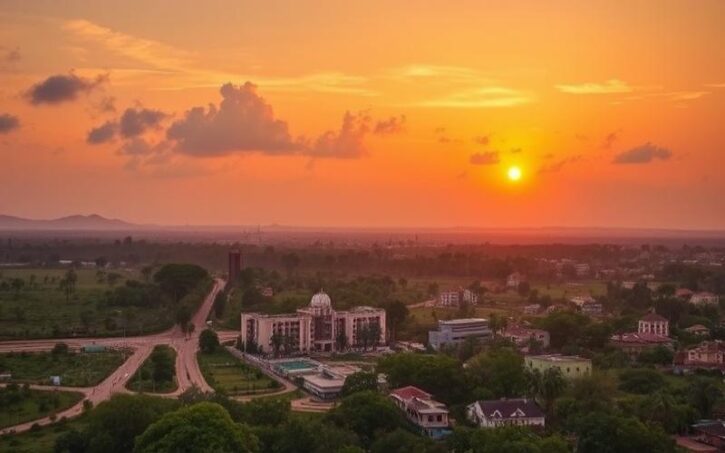
 Published on and written by Cyril Jarnias
Ivory Coast, the economic engine of West Africa, offers fertile ground for investors seeking new opportunities, particularly in the commercial real estate sector.
With sustained economic growth and rapid urbanization, the country presents a dynamic market where the establishment of shopping centers, modern offices, and industrial spaces is continuously expanding.
Recent legal and fiscal reforms have made this sector even more attractive, positioning Ivory Coast as a key hub for international companies.
Savvy investors can thus expect significant returns by betting on infrastructure projects that accompany this rapid evolution.
Investing in Commercial Real Estate in Ivory Coast: A Promising Market
Dynamics of the Ivorian Commercial Real Estate Market
The commercial real estate market in Ivory Coast is experiencing remarkable growth, driven by sustained economic expansion and accelerated urbanization. This sector is proving particularly attractive to investors, both local and international, due to its ability to generate significant returns and its long-term development potential.
The market’s attractiveness rests on several fundamental factors. On one hand, the Ivorian tertiary sector, especially financial services and information technology, is generating growing demand for modern office spaces. On the other hand, the emergence of a middle class and increasing household purchasing power are creating sustained demand for quality commercial infrastructure. International investors maintain a strong interest in Abidjan, which remains the economic hub of the sub-region.
Economic Context and Urbanization
Ivory Coast stands out with an impressive economic dynamic, with a growth rate expected to remain around 7% per year until 2025. This performance, among the highest in Africa, strongly stimulates the commercial real estate sector. In 2023, the country recorded 6.5% growth, with optimistic projections of 6.8% for 2024.
Rapid urbanization is a major catalyst for the expansion of the commercial real estate market. With an urbanization rate expected to reach 60% by 2025, demand for commercial space in urban areas is exploding. This demographic pressure generates an urgent need for new construction and adapted commercial infrastructure. Major cities like Abidjan, Bouaké, and Yamoussoukro are undergoing rapid transformation of their urban landscape.
The development of secondary business districts, outside the traditional Plateau area, is meeting the growing demand for decentralized workspaces. Areas like Cocody or Marcory are seeing the emergence of mixed-use complexes combining offices, retail, and residences, thus diversifying commercial investment opportunities.
Key Segments of Commercial Real Estate
| Segment | Characteristics | Trends |
|---|---|---|
| Shopping centers | Next-generation retail spaces | Remarkable growth driven by the modern retail sector |
| Office real estate | Coworking spaces and flexible offices | Innovative concepts and novel business models emerging |
| Industrial and logistics real estate | Warehouses and logistics platforms | Benefits from e-commerce boom and infrastructure improvements |
| Hotel complexes | Luxury tourist residences | Expansion in destinations like Grand-Bassam and Assinie |
Shopping Centers and Retail
Commercial real estate is experiencing remarkable growth, driven by the expansion of the modern retail sector. Next-generation shopping centers, such as Playce Marcory or Cosmos Yopougon, are attracting international investors. Retail parks on the outskirts of major cities are emerging as a promising new segment, offering attractive returns for investors.
Office Real Estate and Coworking Spaces
The office real estate sector is transforming with the emergence of innovative concepts. Coworking spaces and flexible offices are gaining popularity, offering investment opportunities in novel business models. Projects like Work&Co in Abidjan illustrate this emerging trend. The Plateau district in Abidjan is undergoing rapid transformation with the rise of upscale office towers.
Industrial and Logistics Real Estate
Industrial and logistics real estate benefits from the e-commerce boom and improvements in transport infrastructure. Modern industrial zones, such as PK24 near Abidjan, are attracting significant investments in warehouses and logistics platforms. This segment represents a major opportunity for investors looking to capitalize on the modernization of supply chains.
Financial Performance and Profitability
The profitability of the Ivorian commercial real estate sector remains attractive for investors. The African real estate market, particularly that of Ivory Coast, offers rental yields around 8%. This financial performance places Ivorian commercial real estate among the most profitable investment opportunities on the continent.
Residential real estate, although distinct from the commercial segment, remains underrepresented in real estate fund investments, representing only 2.5% compared to 25% in Europe. This situation suggests significant growth potential for the entire real estate sector, including the commercial segment.
Foreign Investment Dynamics
Foreign investors maintain a strong interest in the Ivorian market, particularly for Abidjan as the economic hub of the sub-region. Despite periods of political uncertainty, such as that preceding the 2025 elections, commercial real estate transactions continue at a sustained pace. This resilience testifies to international investor confidence in the long-term stability of the market.
The growing presence of international players, such as Nhood, which is strengthening its presence in Ivory Coast in real estate development and project design, illustrates the market’s attractiveness. These companies bring international expertise and high-quality standards, benefiting the entire sector.
Infrastructure and Urban Development
The rapid modernization of digital, educational, and healthcare infrastructure completes an increasingly attractive picture for commercial real estate investment. Improvements in transport infrastructure, in particular, support the development of strategically located logistics and commercial zones.
The Ivorian government actively supports urban development through infrastructure programs. The presidential program to build 150,000 social housing units by 2025 creates a clustering effect, generating increased demand for commercial services and related infrastructure in new urban areas.
Challenges and Risks for Investors
Despite promising opportunities, commercial investors in Ivory Coast must navigate several challenges. The Ivorian real estate market, where many players – developers and real estate agents – coexist, requires better structuring. This market fragmentation can complicate transactions and increase transaction costs.
Administrative bureaucracy, although stabilizing, remains a potential obstacle for foreign investors. Regional economic fluctuations and periodic political uncertainties also present short-term risks, although the commercial real estate sector has demonstrated resilience in the face of these challenges.
Corruption and informal business practices remain concerns for some investors, although the legal framework is being modernized and stabilized.
Future Outlook and Emerging Trends
The future of the commercial real estate sector in Ivory Coast looks promising, with trends expected to confirm and intensify by 2025 and beyond. The digital transformation of the sector is progressing, with increasing adoption of PropTech technologies to improve search, transaction, and property management processes.
The development of eco-friendly neighborhoods represents a major trend, responding to growing demand for green real estate, such as passive houses and solar-powered installations. This orientation towards environmental sustainability will shape the Ivorian commercial real estate landscape in the coming years.
The arrival of sophisticated investment vehicles, such as REITs and specialized funds, should contribute to better market structuring and increased investment volumes. The emergence of new urban hubs around transport infrastructure will create new opportunities for decentralized commercial real estate.
The Ivorian commercial real estate market remains a rational investment strategy for 2025 and beyond, offering a unique combination of attractive returns, sustained economic growth, and long-term development potential. Provided investors understand local codes and establish a lasting presence, they can capitalize on the exceptional opportunities presented by this rapidly transforming market.
Good to know:
The economic boom in Ivory Coast, supported by infrastructure development and fiscal incentives, boosts the market for offices and shopping centers, despite challenges like corruption and bureaucracy. Foreign investments are increasing, benefiting from bold urban projects that enhance the appeal of the commercial real estate sector.
Exploring the Different Types of Commercial Properties in Ivory Coast
Main Types of Commercial Properties Available in Ivory Coast
| Property Type | Primary Location | Current Demand | Profitability Potential | Legal/Administrative Particulars |
|---|---|---|---|---|
| Shopping centers | Abidjan, major cities | High, urban growth | High, especially in urban centers | Urban planning, operating permits |
| Office buildings | Abidjan (Plateau, Cocody), Bouaké | Growing (tertiary, digital) | Good, rise in services sector | Tax framework, commercial lease contracts |
| Coworking spaces | Abidjan, Bouaké, Yamoussoukro | Very high, innovation, SMEs | High profitability, low investment | Flexible regulations, innovation incentives |
| Logistics warehouses | Abidjan, San Pedro, port areas and urban peripheries | Rising demand (trade, e-commerce) | High potential, regional logistics and export | Specific permits, customs standards |
| Hotels | Abidjan, Grand-Bassam, San Pedro, Yamoussoukro | Strong (business tourism) | Good, especially business and upscale hotels | Tourism approvals, safety standards, taxation |
Geographic Location and Market Dynamics
- Abidjan concentrates most modern commercial properties: shopping centers (Cap Sud, Playce), office buildings (Plateau), coworking spaces, and international hotels. This city remains the main hub for the tertiary sector, trade, and specialized services.
- San Pedro positions itself as a logistics and industrial hub, with strong demand for warehouses and port infrastructure, facilitating agro-industrial exports.
- Bouaké, Yamoussoukro, and Korhogo are emerging for office spaces, coworking, and agribusiness, benefiting from government programs and lower setup costs.
- Border areas (Ghana, Mali) offer potential for logistics and cross-border trade.
Demand and Profitability Potential
- Demand for shopping centers and retail spaces is driven by urbanization and the rise of the urban middle class.
- Office buildings and coworking spaces are propelled by the growth of digital industries, startups, SMEs, and multinational subsidiaries, with attractive profitability in business districts.
- Logistics warehouses benefit from the rise of e-commerce and the need to optimize supply chains, especially in port and peripheral areas.
- The hotel sector profits from increasing business tourism and international events, with interesting returns in urban centers and tourist areas.
Legal and Administrative Particulars
- Commercial real estate projects require administrative approvals: building permits, sector-specific licenses (especially for hospitality and catering).
- Tax incentives are possible in certain free zones or priority sectors (industry, export, innovation).
- Commercial lease contracts are regulated but remain more flexible than in some neighboring countries.
- Investors must consider the stability of the regulatory framework and land procedures, which can sometimes be lengthy or complex.
Current and Future Trends
- Digitalization: strong development of coworking spaces, connected offices, and digital solutions for property management.
- Urban logistics: growth of warehouses, e-commerce platforms, and distribution hubs, responding to the rise of online shopping and urban congestion.
- Rise of business tourism: new hotels, conference centers, and hospitality infrastructure in major cities.
- Sustainable development: increasing integration of environmental standards in new projects (green buildings, energy efficiency).
- Geographic diversification: emergence of secondary hubs (San Pedro, Bouaké, Yamoussoukro) supported by decentralization policies and public investments.
The commercial real estate sector in Ivory Coast shows sustained momentum, driven by economic growth, urbanization, digitalization, and openness to West Africa. Investment opportunities are numerous but require a good grasp of the legal context and monitoring of market developments.
Good to know:
In Abidjan, growing demand for coworking spaces and hotels boosts their profitability, while the Yopougon industrial zone remains an attractive hub for logistics warehouses; be aware of complex administrative procedures for acquiring these properties.
Analyzing Profitability and Risks of Ivorian Commercial Real Estate
The commercial real estate market in Ivory Coast shows robust growth, driven by a dynamic economy and accelerated urbanization. The main types of commercial buildings in demand include modern shopping centers, premium office buildings, coworking spaces, and logistics infrastructure.
| Year | Construction Sector Growth | Share of GDP | Urbanization Rate | Commercial Rental Yield |
|---|---|---|---|---|
| 2015 | 4.5% | 4.5% | ~50% | 8-10% |
| 2019 | 5.5% | 5.5% | 51.7% | 10-14% |
| 2021 | 8.3% | n.d. | 53% | Up to 15% |
| 2025* | >7% | n.d. | ~60% (forecast) | 12-15% (strategic areas) |
Main Types of Commercial Buildings in Demand:
- High-end office buildings (Plateau, Cocody)
- Shopping centers and retail galleries (Marcory, Yopougon)
- Coworking spaces and flexible offices
- Logistics facilities and warehouses
- Hotel residences and mixed-use services
Factors Influencing Profitability
List of determining factors:
- Rental yield: Between 10% and 15% for well-located commercial properties, outperforming mature markets.
- Occupancy rate: High in Abidjan’s business districts, sometimes with waiting lists for commercial spaces.
- Capital appreciation: Strong momentum in sought-after urban areas due to land scarcity and infrastructure improvements.
- Infrastructure development: Major projects like the Abidjan Exhibition Park and the Abobo University Hospital, which stimulate demand for commercial and office space.
- Market internationalization: Attractiveness for investment funds and foreign companies.
| District | Property Type | Rental Yield | Occupancy Rate | Appreciation Potential |
|---|---|---|---|---|
| Plateau | Premium offices | 12-14% | >90% | Strong |
| Cocody | Residential/Offices | 10-12% | >85% | High |
| Marcory | Shopping centers | 12-15% | >80% | Growing |
| Yopougon | Neighborhood retail | >12% | >95% | Stable |
Concrete Case Study:
A neighborhood shopping center developed in Yopougon in 2019 for 350 million FCFA now generates a net yield of over 12%, with a permanent waiting list for available spaces.
Potential Risks
List of main risks:
- Economic risks: Dependence on macroeconomic stability, potential inflation or recession that could impact purchasing power and rental demand.
- Government regulation: Tax changes, land reform, or restrictions on foreign ownership can affect property valuation and liquidity.
- Logistical challenges: Access to financing, administrative delays in obtaining land titles, land scarcity in strategic districts.
- Housing crisis: Estimated deficit of over 600,000 housing units, pressure on prices and availability of space.
- Vacancy risk: Possible in less dynamic or poorly located segments.
| Factor | Potential Negative Impact | Opportunities for Investors |
|---|---|---|
| Economic growth | Recession, volatility | High yield, rapid appreciation |
| Regulation | Instability, new taxes | Favorable reforms, PPPs, facilities |
| Logistics/land | Scarcity, administrative delays | Development of secondary areas |
| Urbanization | Pressure on infrastructure | Growing demand, diversification |
Overall Assessment of Profitability and Risks
The profitability of the Ivorian commercial real estate market is very attractive, with rental yields among the highest in Africa and appreciation prospects supported by urban and economic growth. Risks exist but remain manageable for savvy investors, particularly in strategic areas and through asset diversification. Opportunities are significant for investment funds and developers, with a market that is increasingly internationalizing and where demand structurally exceeds supply.
Ivorian commercial real estate today offers a particularly competitive risk/return profile, with major opportunities in offices, shopping centers, and urban infrastructure, especially in Abidjan and expanding secondary cities.
Good to know:
The rental yield in Ivory Coast is around 8%, but economic fluctuations can impact occupancy rates; it is crucial to stay informed about government regulations to anticipate risks.
Discovering Current Trends in the Commercial Real Estate Sector in Ivory Coast
Main Geographic Areas Booming for Commercial Real Estate:
- Abidjan remains the nerve center, with a high concentration in the Plateau (business district), Marcory, Riviera, Cocody, and II Plateaux neighborhoods.
- Bouaké, San Pedro, Grand-Bassam, Korhogo, and Ferkessédougou are experiencing growth thanks to the development of special economic zones, logistics hubs, and agro-industrial centers.
- Coastal areas and major urban corridors benefit from port expansions and improvements in transport infrastructure.
Most In-Demand Types of Commercial Buildings:
- Modern offices: sought after by multinationals and local companies for their accessibility and amenities.
- Shopping centers: design of multifunctional complexes integrating retail, dining, and entertainment.
- Coworking spaces and spaces for entrepreneurs.
- Logistics platforms adapted to the growth of regional trade and modernization of supply chains.
Price per Square Meter Evolution in Major Cities (2025):
| City | Modern Offices (€/m²) | Commercial Spaces (€/m²) | High-End Residential (€/m²) |
|---|---|---|---|
| Abidjan | 1,000 – 2,500 | 1,200 – 3,000 | 800 – 2,000 |
| Bouaké | 500 – 1,200 | 600 – 1,500 | 400 – 900 |
| San Pedro | 600 – 1,500 | 700 – 1,600 | 500 – 1,100 |
| Grand-Bassam | 700 – 1,800 | 900 – 2,200 | 600 – 1,300 |
Variation depends on location, property condition, and amenities. Average annual price growth is around +5%.
Ongoing or Recently Completed Real Estate Development Projects:
- Multiplication of smart buildings and connected residences in Cocody and Angré.
- Launch of modern eco-districts in Bassam, Azito, and Bingerville.
- Development of new off-plan (VEFA) programs, mainly in Abidjan.
- Modernization of the ports of San Pedro and Abidjan and expansion of airline routes.
- Construction of new shopping centers and multifunctional complexes in major cities.
- Creation of agro-industrial hubs and special economic zones on urban peripheries.
Local Economic and Political Influences on the Market:
- Growth in GDP per capita (around USD 2,900 in 2025) and the emergence of the middle class stimulate demand for modern commercial and residential spaces.
- Political stability and government policies favoring real estate investment, with tax incentives and public-private partnerships.
- Growing involvement of the Ivorian diaspora in real estate investment (+20% in 2024).
- Rapid urbanization, development of logistics infrastructure, and attractiveness for international investors.
- Emphasis on sustainability and quality of construction to meet new consumer and business requirements.
Recent Statistics and Insights from Local Experts:
- Real estate market size (2025): USD 377.62 billion, with nearly 90% for residential.
- Projected annual growth: +5.03% per year until 2029.
- Commercial real estate yields: 10 to 15% per year, with leases offering long-term visibility.
- The Cocody, Riviera, and II Plateaux districts remain the most sought-after for high-end residential and commercial real estate.
- Mixed-use projects (residential + retail + leisure) are becoming the norm, ensuring stability and income diversification.
Key takeaways:
Commercial real estate in Ivory Coast shows strong momentum, driven by urbanization, the emergence of the middle class, macroeconomic stability, and the ambition to attract international investors. Modern offices, shopping centers, and mixed-use spaces are the most sought-after assets in rapidly growing urban areas.
Good to know:
Abidjan neighborhoods like Cocody and Plateau are experiencing strong demand for offices and leisure spaces, with a 5% increase in price per square meter; new projects like the Abidjan Financial City reinforce this trend, influenced by policies favoring foreign investment.
Disclaimer: The information provided on this website is for informational purposes only and does not constitute financial, legal, or professional advice. We encourage you to consult qualified experts before making any investment, real estate, or expatriation decisions. Although we strive to maintain up-to-date and accurate information, we do not guarantee the completeness, accuracy, or timeliness of the proposed content. As investment and expatriation involve risks, we disclaim any liability for potential losses or damages arising from the use of this site. Your use of this site confirms your acceptance of these terms and your understanding of the associated risks.

Cyril Jarnias is an independent expert in international wealth management with over 20 years of experience. As an expatriate himself, he is dedicated to helping individuals and business leaders build, protect, and pass on their wealth with complete peace of mind.
On his website, cyriljarnias.com, he shares his expertise on international real estate, offshore company formation, and expatriation.
Thanks to his expertise, he offers sound advice to optimize his clients' wealth management. Cyril Jarnias is also recognized for his appearances in many prestigious media outlets such as BFM Business, les Français de l’étranger, Le Figaro, Les Echos, and Mieux vivre votre argent, where he shares his knowledge and know-how in wealth management.





