
 Published on and written by Cyril Jarnias
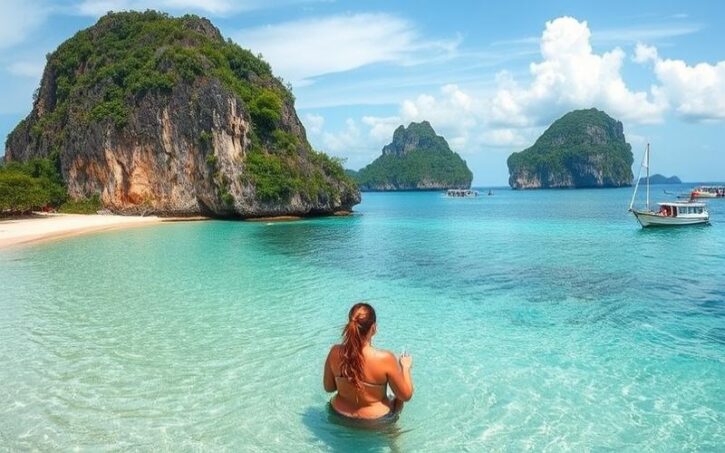
Nestled in the heart of Southeast Asia, the Philippines offers a myriad of breathtaking landscapes just waiting to be discovered. From the pristine beaches of Palawan to the Chocolate Hills of Bohol, the terraced rice paddies of Banaue, and the bustling streets of Manila, every corner of this archipelago promises unforgettable adventures.
Whether you’re a diving enthusiast, a history buff, or simply a nature lover, the Philippines is brimming with treasures that will captivate your imagination and fuel your spirit of exploration.
Get ready to be amazed and let yourself be guided through these must-see tourist attractions that have made this tropical paradise famous.
Hidden Gems Not to Miss in the Philippines
Hidden Gems Not to Miss in the Philippines
| Destination | Notable Features | Unique Activities | Ideal Time | Practical Tips |
|---|---|---|---|---|
| Linapacan | Isolated island between Coron and El Nido, incredibly clear turquoise waters | Snorkeling on pristine reefs, navigating between deserted islets | March to May | Access by boat from Coron or El Nido, prioritize local expeditions, limit plastic use |
| Bislig | Spectacular Tinuy-an Falls, Hinayagan Cave, Enchanted River | Swimming under waterfalls, cave exploration, forest hiking | December to April | Land transport from Davao, respect nature and local communities |
| Malapascua | Peaceful island known for thresher sharks | Scuba diving, observing thresher sharks and manta rays, authentic island life | March to June | Boat from Maya (north Cebu), support small family-run businesses |
| Guimaras | Famous mangoes, quiet beaches, preserved nature | Mountain biking, snorkeling, mango tasting, exploring traditional villages | January to May | Ferry from Iloilo, avoid peak harvest season for more tranquility |
| Ticao | Wild paradise, untouched beaches, low tourist traffic | Diving at lesser-known spots, observing manta rays, meeting local fishermen | March to June | Access by ferry from Masbate, prioritize local guides |
| Camotes Islands | Lush nature, secret lagoons, peaceful atmosphere | Kayaking on lagoons, spelunking, cycling, swimming on deserted beaches | March to May | Ferry from Cebu, opt for eco-friendly accommodations |
| Siquijor | Mystical atmosphere, white sand beaches, ancestral traditions | Discovering healers, jungle hiking, snorkeling | March to May | Ferry from Dumaguete, respect local beliefs and rituals |
| Port Barton | Small fishing village, relaxed vibe, deserted beaches | Snorkeling, bangka excursions, meeting locals | January to April | Access by van from Puerto Princesa, minimize environmental impact of excursions |
Other Cultural and Natural Gems to Explore:
- El Nido (Palawan): Bacuit Archipelago, hidden lagoons, welcoming fishing villages. Ideal for kayaking exploration and hiking on rocky ridges.
- Bohol (Visayas): Chocolate Hills, tarsier sanctuary, baroque churches, immersion in rural culture.
- Hinayagan Cave (Bislig): Luminous cave, accessible after a forest walk, mystical and preserved atmosphere.
Tips for an Authentic and Respectful Experience:
- Prioritize homestays or small family-run inns.
- Participate in local festivals, often held in summer, to discover dances, music, and culinary specialties.
- Always ask for permission before photographing people or traditional ceremonies.
- Bring your own reusable water bottles and bags to limit waste.
- Learn about local customs and traditions to avoid cultural faux pas.
The Philippines, beyond its iconic sites, reveals to those who dare to venture off the beaten path natural treasures, living traditions, and sincere hospitality that leave a lasting mark on travelers.
Good to Know:
Explore the isolated beaches of Calaguas in June to avoid the crowds, or discover the cultural richness of the Ifugao villages during the rice festival in April; for a unique dive, head to Tubbataha before the typhoon season in May.
Traveling to the Philippines: Our Tips for a Successful Trip
Best Itineraries for Discovering the Philippines
- For a 2 to 3-week stay, prioritize a route including Manila, northern Luzon (Banaue, Batad rice terraces), Palawan (El Nido, Coron), and the main islands of the Visayas (Cebu, Bohol, Siquijor).
- Nature lovers will enjoy a rice terraces & lagoons combo: Northern Luzon then Palawan.
- For island diversity: Visayas and Coron are must-sees with paradisiacal beaches and dive sites.
- In an express version (10 days): Manila > Palawan > Cebu > Bohol.
| Duration | Recommended Itinerary |
|---|---|
| 10 days | Manila – Palawan – Cebu/Bohol |
| 15 days | Manila – Northern Luzon – Palawan – Visayas |
| 20+ days | Grand tour including Luzon, Palawan & several islands |
Recommended Transportation Between Islands
- Domestic flight: fast for connecting Manila or Cebu to major islands (Palawan/Coron/Siquijor/Camiguin). Ideal for saving time on long distances.
- Ferry or bangka: economical and scenic between nearby islands in the Visayas or around Mindoro/Palawan.
- Local buses/vans: practical on a single large island or for reaching certain ports.
| Route | Recommended Means | Estimated Time |
|---|---|---|
| Manila – El Nido | Direct flight | ~1h30 |
| Cebu – Bohol | Fast ferry | ~2h |
| Coron – El Nido | Ferry | ~4h |
| Manila – Banaue | Overnight bus | ~9h |
Ticket Booking Tips & Practical Advice
Book major domestic flights online in advance via local airlines (Cebu Pacific, Philippine Airlines).
Prioritize advance purchase of fast ferries on heavily traveled tourist routes.
Check updated schedules as weather/sea conditions can impact maritime punctuality.
Money-Saving Tips
- Multi-destination flights are often cheaper than separate single flights.
- Local ferries are more economical than private speedboats; negotiate the price outside peak season.
Essential Items to Prepare
Essential Checklist:
- Passport valid at least 6 months after entry date
- Return/onward ticket required upon arrival
- Travel insurance covering health/repatriation mandatory
- Recommended vaccines: hepatitis A/B, typhoid; check based on duration/season/rural destination
- International bank card + cash in small denominations
Also Pack:
- Mask/snorkel if you’re a snorkeling enthusiast
- Eco-friendly sunscreen that respects coral reefs
Travel and Stay Safety
Safety Tips List:
- Avoid nighttime travel in certain isolated or non-tourist areas.
- Inquire locally about the security situation before any off-the-beaten-path excursion. Some southern regions are advised against by the Ministry of Foreign Affairs depending on the period.
- Protect your belongings on crowded public transport/boats.
On the Ground:
Prefer official taxis/Grab in major cities rather than unlicensed motorcycle taxis.
Cultural and Ethical Recommendations
Best Practices List:
- Respect local customs: appropriate attire when visiting villages/rice terraces/religious sites
- Greet with “Mabuhay” (“welcome”)
- Do not touch a child’s head or point directly at a person
- Maintain a smiling attitude despite unexpected events
Environmental Respect:
Do not litter in nature/on beaches; avoid single-use plastic
Ideal Periods by Season
The best period generally runs from December to May (dry season):
- December-February: mild/cool climate ideal for northern Luzon/hiking
- March-May: ideal beaches but high temperatures
Avoid June-November if possible (wet season, typhoon risks especially August-October).
Administrative Procedures on Arrival/Departure
On Arrival:
- Fill out immigration form/distribute tourist card on international flight/boat
- Present passport + return/onward ticket
On Departure:
Pay any applicable local airport tax depending on the airport used
To travel smart in the Philippines: plan your itinerary based on seasonality/local school holidays; group inter-island trips/accommodations; book early in peak season; always keep digital/paper copies of important documents and adopt a respectful attitude toward locals and their natural environment.
Good to Know:
For a successful trip to the Philippines, prioritize domestic flights to save time between islands and book your tickets in advance for better rates, ensure you have the necessary vaccines and be vigilant about current safety measures; respect local customs by avoiding touching children’s heads and removing your shoes before entering a home.
Accommodation in the Philippines: Where to Stay?
The Philippines, an archipelago of over 7,000 islands, offers a diversity of must-see tourist regions, each with its natural, cultural, and accommodation assets. Here is an overview of the main destinations, types of accommodations available, and the best times to enjoy them.
| Region | Major Highlights | Best Time | Cultural & Natural Experiences |
|---|---|---|---|
| Palawan | Beaches, lagoons, limestone cliffs, diving, preserved nature | December to May (dry season) | Boat excursions, kayaking in lagoons, fishing villages, Sabang caves, local markets |
| Boracay | White sand, vibrant nightlife, water sports | December to May | Festivals, beach parties, fusion cuisine, artisan markets |
| Cebu | Diving, waterfalls, marine life (whale sharks), colonial history | December to May | Old Cebu City, basilica, markets, traditional dances |
| Manila | Dynamic capital, shopping, museums, historic districts | November to April | Visit Intramuros, museums, street food, cultural shows |
Types of Accommodations Available:
- Luxury Hotels: 5-star resorts in Palawan (El Nido, Coron), international hotels in Manila and Cebu, private villas in Boracay. These establishments typically offer direct beach access, pools, spas, gourmet restaurants, and custom excursion services.
- Hostels: Present in all major tourist areas, ideal for backpackers and budget travelers. Friendly atmosphere, dormitories or private rooms, common areas, sometimes a bar or restaurant, organization of group activities.
- Vacation Rentals: Apartments, houses, or bungalows, often on the beach or in the city center. Perfect for families or groups, flexibility and autonomy, sometimes equipped kitchen and cleaning services.
Facilities Offered by Accommodation Type:
- Direct beach access (Palawan, Boracay, Cebu)
- Pool and spa
- Organized excursions: diving/snorkeling trips, island discovery, hikes, cultural visits
- Dining services: from gourmet restaurants to local snacks or shared kitchens in hostels
- Water sports equipment rental (kayak, paddleboard, windsurf)
- Airport/hotel transfers
Climate and Its Influence on Accommodation Choice:
Dry season (December to May): ideal period for beach and water activities; high hotel occupancy, especially in Boracay and El Nido, advance booking recommended.
Wet season (June to November): lower rates, quieter atmosphere, but typhoon risks especially in Manila and Cebu. Some establishments, particularly resorts, offer off-season specials.
Recommendations and Traveler Reviews:
- Palawan: Travelers praise the raw beauty of El Nido and Coron, and recommend booking excursions in advance. Boutique hotels are appreciated for their charm and eco-friendly commitment.
- Boracay: The island is popular for its White Beach and nightlife. Hostels allow meeting other travelers, while luxury hotels offer a more exclusive experience.
- Cebu: Ideal for diving and marine life enthusiasts. Vacation rentals near Moalboal or Oslob allow you to be close to points of interest.
- Manila: Recommended for an urban and cultural immersion, with a wide variety of accommodations for all budgets. Travelers appreciate the proximity to historic districts from downtown hotels.
Unique Experiences by Region:
- Palawan: Kayaking in lagoons, exploring the Sabang Underground River, discovering indigenous villages.
- Boracay: Sunset on White Beach, kitesurfing at Bulabog Beach, participating in the Ati-Atihan festival.
- Cebu: Swimming with whale sharks in Oslob, hiking to Kawasan Falls, visiting the Basilica del Santo Niño.
- Manila: Strolling through Intramuros, tasting street food in Quiapo, shopping in ultra-modern malls, watching Filipino dance performances.
Key Takeaways:
The Philippines offers a wide variety of accommodations, suitable for all types of travelers and budgets. The choice of region and type of lodging will mainly depend on your desires for adventure, relaxation, or cultural discovery, as well as the time of year you travel.
Good to Know:
Palawan appeals with its luxury hotels accessible year-round, while Boracay is popular for its hostels near paradisiacal beaches, especially between November and May; Cebu and Manila offer vacation rentals ideal for exploring local culture, with various excursions and services available on-site.
Disclaimer: The information provided on this website is for informational purposes only and does not constitute financial, legal, or professional advice. We encourage you to consult qualified experts before making any investment, real estate, or expatriation decisions. Although we strive to maintain up-to-date and accurate information, we do not guarantee the completeness, accuracy, or timeliness of the proposed content. As investment and expatriation involve risks, we disclaim any liability for potential losses or damages arising from the use of this site. Your use of this site confirms your acceptance of these terms and your understanding of the associated risks.

Cyril Jarnias is an independent expert in international wealth management with over 20 years of experience. As an expatriate himself, he is dedicated to helping individuals and business leaders build, protect, and pass on their wealth with complete peace of mind.
On his website, cyriljarnias.com, he shares his expertise on international real estate, offshore company formation, and expatriation.
Thanks to his expertise, he offers sound advice to optimize his clients' wealth management. Cyril Jarnias is also recognized for his appearances in many prestigious media outlets such as BFM Business, les Français de l’étranger, Le Figaro, Les Echos, and Mieux vivre votre argent, where he shares his knowledge and know-how in wealth management.





