
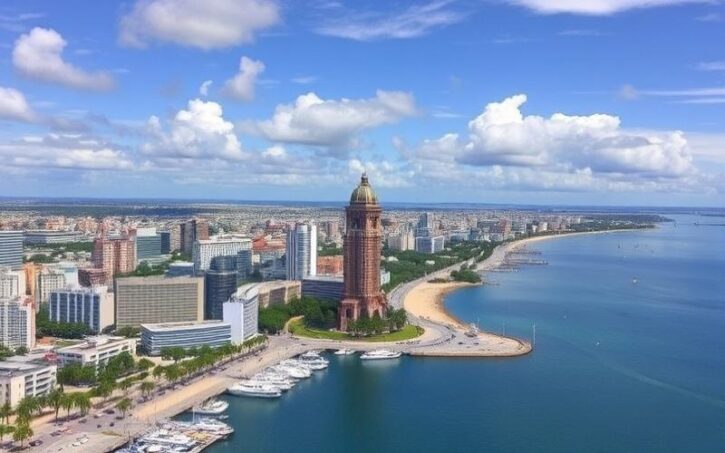
 Published on and written by Cyril Jarnias
Nestled in the heart of the Caribbean, the Dominican Republic attracts a growing number of expatriates each year seeking sun, paradise beaches, and vibrant culture. While some are drawn to the thriving nightlife of Santo Domingo, others prefer the tranquility of seaside villas in Punta Cana. This article offers a deep dive into the most popular neighborhoods for this cosmopolitan community, where local authenticity and modern comfort blend harmoniously, to guide those dreaming of a new life in the tropics.
The Hidden Gems of the Dominican Republic for Expats
| City / Neighborhood | Atmosphere | Amenities & Infrastructure | Local & Expat Community | Highlights & Leisure | Safety |
|---|---|---|---|---|---|
| Las Terrenas | Beach town, laid-back and cosmopolitan vibe. Quiet life paced by the sea. | French shops (bakeries, grocery stores), bilingual schools, accessible medical services. | Strong French-speaking presence (French, Quebecois, Belgians…), active expat clubs open to exchange with locals. | Paradise beaches for water sports, tropical forest hikes, Franco-Dominican cultural events. | Good overall safety; standard vigilance regarding personal belongings. |
| Arroyo Hondo (Santo Domingo) | Peaceful residential neighborhood; family atmosphere away from urban hustle. | Close to modern shopping centers and international schools; easy access to essential services. | Enclave favored by expat families seeking a quiet environment while staying close to downtown; easy integration via schools or local associations. | Green spaces for jogging or relaxation; proximity to museums and galleries in Santo Domingo’s historic center. | Secure with private surveillance in several gated communities. |
| Bella Vista / Los Cacicazgos (Santo Domingo) | Urban modernity without excessive hustle; chic yet relaxed vibe among young professionals and affluent local/expat families. | New buildings with pools/private gardens; many international supermarkets/trendy restaurants/fashionable cafes; reputable private clinics nearby. | Diverse communities: wealthy Dominicans alongside European/Latin American expats; dynamic social life centered around shared leisure. | High-end sports centers; yoga/pilates studios; lively lounge bars in the evening without excessive partying. | High level of residential security thanks to guards and strict access controls in modern complexes. |
Other attractive neighborhoods for a peaceful life off the beaten tourist path:
- Costa Verde (Southwest Santo Domingo): small, very quiet enclave with a well-established French community.
- La Esperilla & Gazcue: central neighborhoods with an intellectual atmosphere where Dominican artists and curious expats mingle.
On the north coast – less known than Punta Cana but favored by certain expat profiles:
- Sosua:
- Playa Alicia or Los Pinos offer an authentic beach setting, far from mass tourism.
- Main assets: varied water activities, lively nightlife but more intimate than Punta Cana.
- Significant English-speaking community making it easy to connect.
Key Points on Local Culture:
- Dominicans are known for their warm welcome to newcomers.
- Traditional music like merengue sets the rhythm of daily life – regular festivities in every neighborhood.
- Rich cuisine combining Spanish/French Creole influences – local restaurants offering fresh fish/typical grilled dishes on all coasts.
Available Leisure Activities:
Wild beaches, mountain hiking, water sports, art or cooking classes organized by expat clubs. Quick access to natural sites like El Limón (waterfall), Los Haitises National Park…
Interesting tourist proximity: Las Terrenas/Samaná allows excursions to Cayo Levantado or seasonal whale watching.
Notable Infrastructure:
- Decent road network connecting residential areas to major cities/tourism
- High-speed internet available in almost all these neighborhoods
- Efficient private medical services, especially in Santo Domingo
General Safety:
Although the country has a generally higher rate of ordinary urban crime compared to global standards (mainly petty theft) — these chosen neighborhoods remain safe thanks to increased private security in newer real estate and strong community solidarity among expats.
What Particularly Attracts an Expat Here:
High quality of life, mild tropical climate year-round, affordable cost compared to neighboring Caribbean islands,
accessible cultural richness daily,
ease of integration through clubs/bars/restaurants run by other foreigners,
and the real possibility of “living near paradise” while benefiting from modern infrastructure useful in daily life.
Summary List of Major Attractions:
- Active social life between communities
- Preserved nature immediately accessible
- Open multicultural atmosphere
- Safe environment suitable for families and singles alike
Good to Know:
Las Terrenas, with its stunning beaches and cosmopolitan vibe, offers expats a peaceful life while staying well-connected thanks to its modern infrastructure and trendy cafes. Constanza, often called the “Switzerland of the Caribbean,” offers a unique experience with a cool climate, mountainous landscapes, and a warm, welcoming community.
The Quest for the Ideal Home: Tips for Settling in Popular Neighborhoods
Essential Steps to Identify and Evaluate an Ideal Home in the Dominican Republic for Expats:
1. Define Your Specific Needs
- Home size, budget, length of stay.
- Proximity to international schools, medical centers, or jobs if family or children.
- Search for an urban, beach, or rural atmosphere.
2. Select Suitable Neighborhoods
- Analyze reputation, safety, and local expat community.
- Inquire about the presence of shops, bilingual schools, and French-speaking cultural activities.
3. Evaluate Key Criteria
- Proximity to Amenities: Supermarkets, restaurants, hospitals, international schools.
- Safety: Presence of surveillance, crime rate, nighttime environment.
- Transportation Infrastructure: Access to main roads, public transport, airports.
- Expat Community: Clubs, cultural centers, support forums.
4. Conduct Neighborhood Visits and Assessments
- Visit at different times of the day to observe the atmosphere and noise.
- Talk to expats already settled to get their feedback.
- Check construction quality, condominium management, water and electricity access.
5. Understand the Local Real Estate Market
- Familiarize yourself with prices in each neighborhood.
- Inquire about rental or purchase conditions (lease duration, required guarantees, rights and obligations).
- Learn about specific administrative procedures (visas, residence permits, bank account opening).
Examples of Popular Neighborhoods and Main Characteristics
| Neighborhood/City | Proximity to Amenities | Safety | Expat Community | Bilingual Schools | Atmosphere |
|---|---|---|---|---|---|
| Las Terrenas | Yes | Good | Strong | Yes | Beach |
| Santo Domingo/Piantini, Naco | Excellent | High | Significant | Yes | Chic Urban |
| Punta Cana | Yes | Good | Present | No | Touristy |
| Arroyo Hondo | Average | Quiet | Family-oriented | Yes | Residential |
| Bella Vista, Los Cacicazgos | Excellent | High | Active | Yes | Modern |
| Zona Colonial | Average | Touristy | Present | No | Historic |
| Sosua (Playa de Sosua, Los Pinos…) | Good | Variable | Numerous | No | Festive/Beach |
Practical Tips for Visits and Assessments:
- Plan several visits, including evenings and weekends.
- Take photos and note the strengths/weaknesses of each home.
- Check internet access, water pressure, and equipment condition.
- Walk around the neighborhood to assess noise, traffic, and cleanliness.
- Inquire about waste management and frequency of power outages.
Tips to Facilitate Administrative Procedures:
- Prepare necessary documents in advance (ID, proof of income, references).
- Hire a local lawyer or real estate agent recommended by the expat community to secure the transaction.
- Take the time to carefully read the rental or purchase contract, especially clauses on termination and fees.
- Register with the embassy or consulate to receive support if needed.
- Ask to visit the property with an interpreter if language is a barrier.
The choice of neighborhood determines the success of the relocation. Prioritizing areas with a strong expat community, modern infrastructure, and a good level of safety makes it easier to integrate and avoid unpleasant surprises.
Good to Know:
Make sure to choose neighborhoods like Piantini or Gazcue, known for their safety and easy access to amenities, and browse online listings to understand Dominican real estate market prices. Take advantage of property visits to assess the environment and proximity to essential services, and don’t forget to examine transportation infrastructure for better daily mobility.
Daily Life in Expat Neighborhoods of the Dominican Republic
Lifestyle and Daily Activities
- Generally relaxed and friendly pace of life, influenced by the mild climate and local culture.
- Expats enjoy outdoor activities: beach, golf, water sports, walks in parks or mountains.
- A typical day includes outings to cafes, local markets, modern shopping centers, and family activities.
- Private transportation is preferred for safety and convenience.
- Administrative procedures can sometimes be slow and require patience and adaptation.
Available Infrastructure
| Infrastructure | Presence and Specifics in Expat Neighborhoods |
|---|---|
| International Schools | Several institutions in Santo Domingo, Punta Cana, Casa de Campo; programs in English, French, or bilingual; welcoming children of various nationalities. |
| Medical Centers | Modern private clinics and international hospitals in major cities and sought-after areas (Piantini, Naco, Casa de Campo, Punta Cana). |
| Sports Facilities | Renowned golf courses, tennis clubs, gyms, aquatic centers, accessible water sports along the coast. |
Leisure and Entertainment Options
- Restaurants: international cuisine (French, Italian, Asian), local establishments known for their conviviality.
- Cafes and Bars: numerous spaces to meet up with other expats or locals.
- Clubs and Nightlife: lively in Punta Cana, Sosua, and Santo Domingo with nightclubs, concerts, themed parties.
- Nature Leisure: hiking, excursions, diving, fishing, golf, horseback riding.
Language of Communication
Spanish: official language and essential for daily integration, administrative procedures, and interaction with the local population.
English: widely used in tourist areas, hotels, some shops, and clubs.
French: used within French-speaking communities, associations, and French schools.
Mastering Spanish greatly facilitates social and professional integration.
Community Networks and Social Events
- Expat Associations (French-speaking, English-speaking) organizing meetings, workshops, sports activities, cultural visits, administrative support.
- Social Media Groups allowing information exchange, practical advice, and organizing outings.
- Community Events: national holidays, craft markets, festivals, themed evenings.
- Cultural Alliances (e.g., Alliance Française) offering courses, exhibitions, literary gatherings.
Potential Challenges
- Cultural Adaptation: differences in pace of life, habits, social codes, sometimes culture shock upon settling.
- Cost of Living: lower than in many Western countries, but some imported products, international schools, or private healthcare can represent a significant budget.
- Administrative Management: slowness, sometimes complex procedures, need for caution when signing contracts (rental, property purchase).
- Safety: vigilance recommended depending on the neighborhood; avoid walking at night in certain areas.
Feeling of Safety and Comfort
| Criterion | Assessment by Expats |
|---|---|
| General Safety | Good in sought-after neighborhoods (Piantini, Naco, Casa de Campo, Punta Cana) thanks to private patrols and specific measures. |
| Proximity to Emergencies | Quick access to private clinics and emergency services in major expat areas. |
| Comfort of Living | High level in modern neighborhoods: services, shops, leisure, recent infrastructure. |
| Points of Vigilance | Neighborhood choice is crucial; some areas require more caution. |
Living in expat neighborhoods of the Dominican Republic combines a relaxed lifestyle, modern infrastructure, a variety of leisure options, and dynamic community networks, while requiring genuine cultural openness and a certain vigilance to ensure safety and integration.
Good to Know:
Expat neighborhoods have many modern facilities like international schools, quality medical centers, and sports facilities, while the main language is often English, facilitating social integration, although a sometimes higher cost of living can be a challenge for some.

Cyril Jarnias is an independent expert in international wealth management with over 20 years of experience. As an expatriate himself, he is dedicated to helping individuals and business leaders build, protect, and pass on their wealth with complete peace of mind.
On his website, cyriljarnias.com, he shares his expertise on international real estate, offshore company formation, and expatriation.
Thanks to his expertise, he offers sound advice to optimize his clients' wealth management. Cyril Jarnias is also recognized for his appearances in many prestigious media outlets such as BFM Business, les Français de l’étranger, Le Figaro, Les Echos, and Mieux vivre votre argent, where he shares his knowledge and know-how in wealth management.





