
 Published on and written by Cyril Jarnias
Portugal, a Popular Destination for Digital Nomads
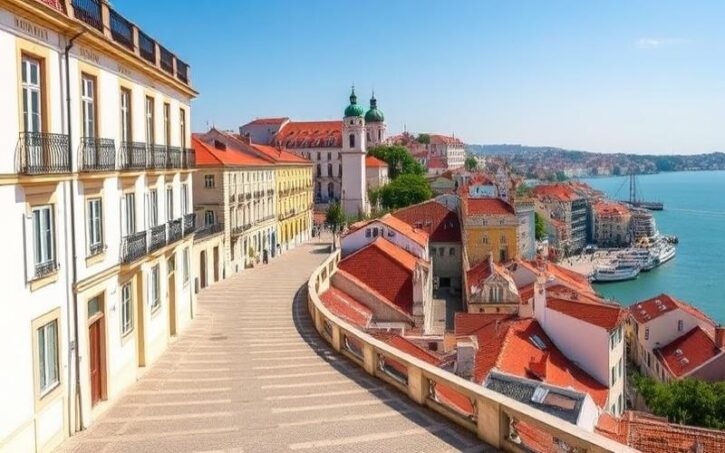
Portugal, a country of sun and sea, has quickly become a popular destination for digital nomads from around the world, drawn by the quality of life, pleasant climate, and the ability to work from almost anywhere thanks to the internet.
Impact on the Rental Market
However, the growing influx of these itinerant workers has a significant and often controversial impact on the local rental market, causing a rise in rents and a challenge for locals seeking housing.
Questions and Reflections on Urban Policies
This new dynamic raises crucial questions about the balance between economic attractiveness and social tensions, prompting reflection on the urban and residential policies that Portugal will need to adopt to reconcile development and accessibility.
Good to know:
Portugal offers a specific visa for digital nomads, making it easier for them to settle in the country.
Motivations of Digital Nomads in Portugal
Digital nomads choose Portugal for several major reasons, making it a particularly attractive destination for remote work.
Main Motivations of Digital Nomads in Portugal:
- Pleasant Climate: Portugal enjoys a Mediterranean climate with sunshine year-round, attracting those seeking an environment conducive to a balanced lifestyle.
- Affordable Cost of Living: Compared to other Western European countries, the cost of living in Portugal is relatively low, allowing for a comfortable standard of living on a controlled budget.
- Quality of Life: Safety, the friendliness of the population, gastronomic richness, and natural beauty (beaches, mountains, historic cities) enhance the daily lives of remote workers.
- Technological Infrastructure: Major cities like Lisbon, Porto, and the Algarve region offer very fast internet connections (including fiber), modern coworking spaces, and reliable mobile coverage.
- Favorable Tax Policies: Portugal offers tax incentives to foreign residents, including the Non-Habitual Resident (NHR) regime, as well as benefits related to the digital nomad visa (D8), facilitating legal settlement and reducing the tax burden.
- Local Culture and Accessibility: Cultural richness, ease of travel within the country, and direct access to the rest of Europe through the Schengen Area are important factors.
- International Community and Coworking Spaces: A growing community of digital nomads facilitates professional and social exchanges, reinforced by the proliferation of coworking spaces and dedicated events.
| Key Factor | Description |
|---|---|
| Climate | Year-round sunshine, mild winters, air quality |
| Cost of Living | Affordable housing, food, transportation |
| Quality of Life | Safety, gastronomy, leisure, natural environment |
| Technological Infrastructure | High-speed internet, coworking, digital mobility |
| Taxation | NHR status, D8 visa, tax benefits for foreigners |
| Community | Digital nomad networks, events, integration support |
| Culture and Accessibility | Cultural openness, widespread English, easy access to Europe |
Consequences on Rental Demand:
- Portugal’s growing popularity among digital nomads leads to a strong increase in demand for furnished and flexible housing, especially in central neighborhoods of major cities (Lisbon, Porto) and tourist regions (Algarve, Madeira).
- This trend stimulates the creation and modernization of coworking and coliving spaces, tailored to the needs of remote workers.
- The presence of a dynamic international community fosters the growth of services and infrastructure geared towards foreigners, contributing to the sustained attractiveness of the rental market.
Key Takeaway:
Portugal combines climate, cost of living, modern infrastructure, favorable taxation, and quality of life, creating an ideal ecosystem for digital nomads and leading to a significant increase in real estate demand in attractive areas.
Good to know:
Portugal attracts digital nomads with its pleasant climate, enviable quality of life, and relatively affordable cost of living compared to other European countries, while also offering modern technological infrastructure. In addition to favorable tax policies for foreign residents, the country draws many remote workers thanks to its cultural richness and a dynamic community that facilitates social and professional integration. Lisbon, Porto, and the Algarve region are particularly popular, with numerous coworking spaces available that support this growth. These factors have contributed to increasing demand in the rental market, notably boosting local economies. Portugal’s accessibility and attractiveness as a digital nomad hub are supported by concrete examples of successful international collaborations and rising entrepreneurial initiatives.
The Coliving Boom for Digital Nomads
Coliving has become a major trend among digital nomads in Portugal, appealing to an international community seeking flexibility, an affordable lifestyle, and a strong community dynamic.
Why Coliving Attracts Digital Nomads:
- Flexibility: Monthly or weekly rentals, with no long-term commitment, ideal for those who travel frequently.
- Affordable Cost: Prices typically range from 400 to 1,200 euros per month, often including accommodation, workspaces, high-speed internet, and community events.
- Community: Fosters quick connections through organized activities (cooking nights, surfing, excursions, workshops), enabling professional and personal exchange in a friendly environment.
- Adapted Spaces: Combination of accommodation and coworking spaces, often in design-led and inspiring locations, suited for remote work and communal living.
| Coliving Features | Benefits for Digital Nomads |
|---|---|
| Contractual flexibility | Adaptation to short or extended stays |
| Shared spaces | Foster collaboration and networking |
| Included services | Reduction of administrative tasks |
| International community | Global outlook, experience sharing |
| Community activities | Accelerate integration and meetings |
Establishment in Portugal: Main Coliving Hubs
- Lisbon: Outsite Lisbon, Avila Spaces, Second Home, Resves. Central neighborhoods with a high concentration of colivings and coworkings.
- Porto: Selina Porto, Porto i/o, Outsite Porto. Artistic and cultural atmosphere, numerous adapted spaces.
- Algarve: Coolivings Algarve, Cowork Algarve. Proximity to beaches, peaceful environment for working by the sea.
- Ericeira: Outsite Ericeira, Salt Studio, Nomads, Kelp Co. Renowned for its beaches and surfing, dynamic community.
- Madeira: Digital Nomad Village in Ponta do Sol, free coworking space and weekly events.
Impact on the Local Rental Market:
- Rising Prices: Increased demand for flexible and equipped housing has contributed to rising rents, particularly in central neighborhoods of major cities and popular coastal destinations.
- Supply Strain: Some locals denounce the scarcity of affordable housing for permanent residents, intensifying pressure on the real estate market.
- Development Opportunities: The growth of coliving encourages operators to open new spaces, especially in less touristy regions, to diversify the supply and meet the growing demand from digital nomads.
- Social and Urban Planning Issues: The development of coliving questions the balance between international attractiveness, local life, and access to housing for all.
The coliving boom in Portugal illustrates the evolution of professional and residential lifestyles, offering digital nomads a flexible and friendly solution, but also posing new challenges for the local real estate market.
Good to know:
Coliving has become a popular trend among digital nomads in Portugal, offering a flexible and affordable solution that meets their needs for mobility and sociability. Attracted by the community aspect and shared living spaces, these mobile workers find in coliving an opportunity to build connections while reducing costs associated with traditional rentals. Places like Lisbon, Porto, and the Algarve region are seeing these spaces flourish, attracting an international and dynamic population. This phenomenon has a notable impact on the real estate market, contributing to rising rental prices, particularly in popular urban areas. However, it also fuels the diversification of rental supply, encouraging the development of new housing tailored to the specific needs of digital nomads seeking connections and an inspiring living environment.
The Impact of Digital Nomads on the Portuguese Rental Market
The growing influx of digital nomads in Portugal has profoundly transformed the dynamics of the local rental market, particularly in major cities like Lisbon and Porto.
- Rising Rental Prices:
- The massive arrival of international workers with higher purchasing power – the digital nomad visa requires a minimum monthly income much higher than the Portuguese median salary – has contributed to a surge in rents, especially in central and attractive neighborhoods.
- In Lisbon, this accentuated increase makes access to housing difficult for the local population.
- Reduced Availability of Long-Term Rentals:
- Many landlords now favor short-term rentals (like Airbnb or temporary furnished rentals), considered more profitable than traditional year-long leases.
- This trend further reduces the supply available to local residents seeking stable solutions.
| Factors | Observed Effects |
|---|---|
| Increase in number of digital nomads | Sharp rise in rents |
| Higher purchasing power of newcomers | Increased competition with local residents |
| Short-term rentals favored by landlords | Fewer long-term offers available |
- Landlord Adaptation:
- Landlords are massively turning to the tourist and temporary worker market, thus benefiting from the higher returns offered by these segments.
- Rapid development of infrastructure like co-living and coworking.
- Government Responses:
- Implementation of the specific “Digital Nomad” visa with strict criteria (minimum monthly income revised annually).
- Policies aimed at regulating or limiting tourist rentals in certain neighborhoods to preserve accessible rental housing for permanent residents.
- Local Reactions:
- Growing discontent among part of the population facing accelerated gentrification and progressive exclusion from city centers.
- Citizen mobilizations demanding more regulation against real estate speculation linked to tourism and short stays.
Potential Long-Term Effects on the Local Economy and Culture:
- Local economic strengthening through increased spending in tertiary sectors (restaurants, digital services, leisure).
- Increased risk of cultural homogenization or loss of local identity if the historical social fabric is too diluted by a highly mobile population.
In summary, while the massive influx of digital nomads generates undeniable economic dynamism for some Portuguese cities, it also creates social tensions around affordable housing and raises questions about the future cultural balance.
Good to know:
The growing influx of digital nomads in Portugal has profoundly altered the dynamics of the rental market, especially in Lisbon and Porto where rental prices have skyrocketed. These popular cities have seen a shortage of long-term housing, making local life more difficult for permanent residents. In response, many landlords now prefer to opt for short-term seasonal rentals, often more profitable thanks to platforms like Airbnb. This situation forces the Portuguese government to implement measures to regulate the rental market, such as laws favoring tenant protection and restrictions on short-term rentals. The local community, faced with this pressure, expresses concerns about the socio-economic sustainability of these changes, fearing an erosion of Portuguese cultural identity. In the long term, this trend could lead to economic polarization, affecting the accessibility and diversity of neighborhoods, but it also represents an opportunity for innovation and urban revitalization, while making the country a hub for the digital economy.
Disclaimer: The information provided on this website is for informational purposes only and does not constitute financial, legal, or professional advice. We encourage you to consult qualified experts before making any investment, real estate, or expatriation decisions. Although we strive to maintain up-to-date and accurate information, we do not guarantee the completeness, accuracy, or timeliness of the proposed content. As investment and expatriation involve risks, we disclaim any liability for potential losses or damages arising from the use of this site. Your use of this site confirms your acceptance of these terms and your understanding of the associated risks.

Cyril Jarnias is an independent expert in international wealth management with over 20 years of experience. As an expatriate himself, he is dedicated to helping individuals and business leaders build, protect, and pass on their wealth with complete peace of mind.
On his website, cyriljarnias.com, he shares his expertise on international real estate, offshore company formation, and expatriation.
Thanks to his expertise, he offers sound advice to optimize his clients' wealth management. Cyril Jarnias is also recognized for his appearances in many prestigious media outlets such as BFM Business, les Français de l’étranger, Le Figaro, Les Echos, and Mieux vivre votre argent, where he shares his knowledge and know-how in wealth management.





