
 Published on and written by Cyril Jarnias
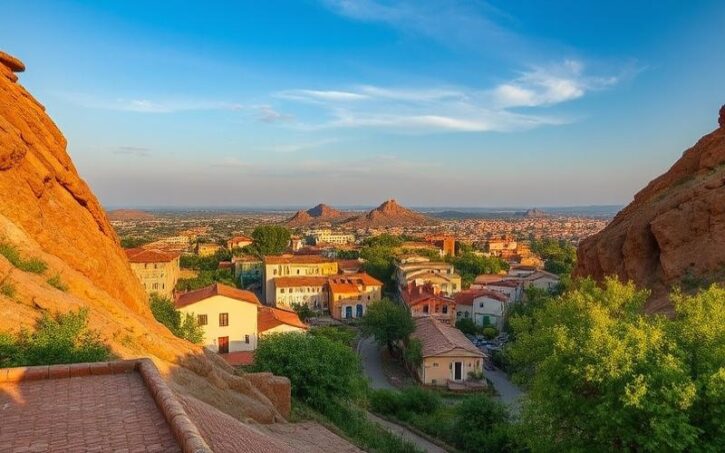
In a constantly evolving world, where rapid urbanization is increasingly drawing the global population toward major metropolises, Romania offers a unique perspective on rural life—a way of life that remains preserved and rich in traditions.
Exploring the Romanian countryside is an opportunity to dive into a world where agriculture, the main economic driver, blends harmoniously with picturesque landscapes, thriving biodiversity, and a living cultural heritage.
However, as attractive as they may seem, these rural areas face growing challenges such as depopulation, a lack of modern infrastructure, and barriers to accessing new technologies.
This duality between tradition and modernity raises questions and opens up opportunities for both residents and those looking to invest or settle there, sparking a fascinating debate about the future of these unique territories.
The Challenges of Rural Life in Romania
Major Challenges of Rural Life in Romania
Romanian rural areas face a series of structural challenges that compromise their vitality and sustainable development. The main issues can be summarized as follows:
Limited Access to Modern Infrastructure
- Rural residents suffer from insufficient access to essential infrastructure (roads, water and electricity networks, high-speed internet).
- Many villages, such as Belciugatele near Bucharest, see their young people leave, partly due to a lack of modern services and opportunities, leaving behind an aging population.
- Housing is sometimes precarious, especially for marginalized populations like the Roma, who are evicted from urban areas and relocated to unsuitable buildings.
Limited Economic Opportunities
- The rural economy relies mainly on subsistence agriculture, which is often unprofitable and under-modernized.
- The lack of skilled jobs and low economic diversification push young people to migrate to cities or abroad.
- Example: Between 2008 and 2016, over 316,000 people left the Romanian countryside, leading to the closure of schools, shops, and local services.
Impact of Rural Exodus on Local Communities
- Accelerated aging of the rural population: the average age of a farmer reaches 65.
- Gradual abandonment of villages: nearly 200 villages are now almost deserted.
- Loss of intergenerational know-how and weakening of the social fabric.
Management of Agricultural Land
- Land is fragmented into small family farms, which limits productivity and makes it difficult to access agricultural innovations.
- Maintaining meadows and forests, crucial for biodiversity, becomes a burden for an aging population.
- Example: In the Carpathians, traditional meadow management promotes biodiversity, but the departure of young people threatens this ecological balance.
Preservation of Rural Traditions
- Traditions, festivals, and artisanal skills are in decline due to a lack of successors and interest among younger generations.
- Some local initiatives aim to promote rural heritage, but they remain limited in the face of the exodus dynamic.
Integration of Young People in Rural Activities
- Young people are not encouraged to stay or return to rural areas due to a lack of economic and social prospects.
- The few innovative agricultural projects (agritourism, short supply chains, organic farming) struggle to attract youth sustainably.
Role of Public Policies and Local Initiatives
| Challenge | Example of Initiative or Policy | Result/Objective |
|---|---|---|
| Depopulation | European funds for rural development | Support employment, renovate infrastructure, modernize agriculture |
| Land Management | Bison reintroduction projects in the Carpathians | Promote ecotourism, preserve biodiversity, create new green jobs |
| Village Revitalization | Housing renovation programs, support for SMEs | Improve quality of life, diversify the local economy |
| Transmission of Traditions | Rural festivals, artisan workshops for youth | Strengthen local identity, foster intergenerational integration |
List of Concrete Examples:
- Village of Belciugatele: population decline, abandoned houses, mayor’s mobilization to attract young families.
- Baia Mare: forced eviction and relocation of Roma families in precarious conditions, illustrating the social fragility of the countryside.
- Bison reintroduction in the Carpathians: an ecological project involving residents in sustainable meadow management, generating new income through tourism.
- Organization of local producer markets and festivals to promote traditional products and attract young people.
Importance of Policies and Initiatives
National and European policies are essential for financing infrastructure, modernizing agriculture, and supporting demographic transitions.
Local initiatives, often led by town halls or NGOs, play a key role in economic revitalization and the preservation of rural heritage.
The success of rural revitalization depends on coordination between public, private, and associative actors, as well as the direct involvement of residents, especially young people.
Good to Know:
Limited access to modern infrastructure hinders economic growth in rural areas of Romania, and local initiatives, such as the development of agricultural cooperatives, seek to revitalize these regions by promoting youth integration and preserving rural traditions.
Opportunities for Expats Settling in the Romanian Countryside
Attractive Cost of Living
The cost of living in the Romanian countryside remains significantly lower than in other European regions, with reduced rents and daily expenses. For example, the average price per square meter in rural areas is about 61% lower than in France. Renting a studio often starts around €250-350/month, while food and everyday expenses are also below the European average.
| Item | Romania (Countryside) | France (Average) |
| Studio rent/month | €250-350 | >€600 |
| Price per m² | ~€1,540 | ~€4,000 |
| Chicken/kg | €5.9 | €12.39 |
| Cheese/kg | €7.7 | €17.04 |
Agricultural Wealth and Organic Potential
The Romanian countryside has fertile agricultural land, ideal for investment in organic or sustainable farming. The varied climate supports diversified production (cereals, fruits, vegetables), opening economic prospects for expats looking to venture into agroecology or develop short supply chains.
Rural Quality of Life
Settling in rural Romania offers rare tranquility, a preserved natural setting, and a sought-after quality of life: clean air, a less stressful pace, and direct proximity to nature.
Community Revitalization & Interculturality
Villages provide fertile ground for social revitalization through:
- Local projects (local crafts, shared agriculture)
- Collaborations between expats and residents
These initiatives energize rural communities while promoting local heritage.
Gradual Infrastructure Development
Accessibility is improving thanks to investments in:
- Road networks
- High-speed internet
- Regional public transport
These developments facilitate the professional and social integration of newcomers.
Affordable Properties & Heritage Conservation
Numerous opportunities exist to acquire at low cost:
- Traditional houses
- Old farms
Ideal for those looking to renovate or contribute to preserving authentic rural architecture.
Example:
Price per square meter can drop below €1,100 depending on the region.
Institutional Support for Expats
Incentive measures are implemented by some local authorities or through government programs to attract foreign talent: simplified administrative assistance, guidance on settling in, and occasional logistical or financial support depending on priority sectors.
Growing International Dynamic
Joining an established international community allows:
- Exchanging multicultural best practices
- Organizing bilingual social events
This cultural mix fosters both language learning and personal development.
Rural Tourism & Ecotourism Opportunities
The rise of rural tourism creates strong entrepreneurial potential around concepts like:
- Authentic bed and breakfasts
- Immersive homestays
The sector also benefits from growing demand for ecotourism that respects the local nature.
Practical Daily Resources
Non-exhaustive list of available aids:
- Platforms dedicated to French/English-speaking expats
- Public services accessible in several major languages
- Associative networks facilitating administrative procedures
Choosing the Romanian countryside thus allows combining economic profitability, sustainable projects, and exceptional quality of life—while actively participating in the European rural renewal.
Good to Know:
Rural Romania offers a low cost of living and numerous opportunities to invest in organic farming while benefiting from a peaceful setting conducive to a high quality of life. With affordable properties to renovate, increased local support, and developing infrastructure, expats can easily integrate while contributing to the revitalization of rural communities.
Promoting the Development of Rural Areas in Romania
Government Initiatives and Policies for Rural Development
The Romanian government deploys substantial agricultural subsidies, with nearly €100 million allocated in 2022 to support crop production and modernize the sector. These aids, backed by European funds (EAFRD, Rural Development Program), target priority crops and facilitate access to technology and training for farmers. Rural infrastructure benefits from energy renovation programs, road modernization, and agritourism development. Local tax incentives are also offered to attract investments in areas needing revitalization. Legislation, such as Law No. 246/2020, governs the management of agricultural land to promote its sustainable use.
Role of Non-Governmental Organizations and Local Associations
Numerous NGOs and local associations energize the Romanian countryside through projects in organic farming, education, social entrepreneurship, and heritage preservation. For example:
- The village of Viscri, supported by the Mihai Eminescu Trust Foundation, restored its architectural heritage, developed agritourism, and created local jobs.
- In Transylvania, agricultural cooperatives enabled the processing and marketing of organic products, strengthening the local economy.
Access to Education and Healthcare
The lack of access to education and healthcare is a major barrier to rural development. Efforts focus on:
- Creating modernized rural schools and partnerships for distance learning.
- Providing financial and logistical incentives for qualified doctors, nurses, and teachers to settle in villages (installation bonuses, housing allowances, scholarships).
Opportunities for Economic Development
Key sectors for the rural economy include:
| Sector | Concrete Opportunities |
|---|---|
| Agritourism | Traditional accommodations, cultural tours, ecotourism |
| Organic Production | Export of organic products, local short supply chains |
| Handicrafts | Promotion of local know-how, online sales |
The growing demand for green tourism and authentic products stimulates investment and job creation.
Digital Connectivity and the Digital Divide
The digital divide remains a challenge: many villages suffer from limited access to high-speed internet. National programs, often co-financed by the EU, aim to:
- Extend fiber optics to underserved areas.
- Develop digital resource centers in schools and town halls.
- Train residents in using digital tools.
This paves the way for telecommuting, distance education, and online commerce.
Demographic and Migration Challenges
Romanian rural areas face:
- Rural exodus of young people to cities or abroad.
- Population aging, threatening local vitality.
To reverse the trend, strategies are being implemented:
- Development of local services (nurseries, schools, health centers).
- Support for youth entrepreneurship (microcredits, rural incubators).
- Promotion of rural quality of life (affordable housing, healthy environment).
Testimonials and Case Studies
“We transformed an old farm into an eco-friendly guesthouse, creating five local jobs and attracting visitors from around the world,” says Anca, an entrepreneur in Sâmbăta de Sus.
In Viscri, heritage restoration tripled the village’s income in ten years while keeping its traditions alive.
International Comparison and Lessons Learned
| Country | Successful Strategies | Lessons for Romania |
|---|---|---|
| France | Networks of connected villages, agricultural short supply chains | Promote cooperatives, develop rural e-commerce |
| Poland | Rapid modernization through European funds | Accelerate digitalization and vocational training |
| Austria | Promotion of high-end agritourism | Focus on quality, sustainability, and local heritage promotion |
Romania can thus draw inspiration from these models by strengthening local cooperation, innovation, and the integration of new technologies in service of sustainable rural development.
Key Takeaways
Rural development in Romania requires an integrated approach, combining institutional support, local innovation, and the valorization of its own resources to build a sustainable and attractive future in the countryside.
Good to Know:
Government subsidies and tax incentives support infrastructure investments in rural areas, while agritourism and organic production projects, often initiated by NGOs, help diversify the local economy. Improving access to education and healthcare, along with developing digital connectivity, is crucial for attracting young families and curbing the rural exodus.
Disclaimer: The information provided on this website is for informational purposes only and does not constitute financial, legal, or professional advice. We encourage you to consult qualified experts before making any investment, real estate, or expatriation decisions. Although we strive to maintain up-to-date and accurate information, we do not guarantee the completeness, accuracy, or timeliness of the proposed content. As investment and expatriation involve risks, we disclaim any liability for potential losses or damages arising from the use of this site. Your use of this site confirms your acceptance of these terms and your understanding of the associated risks.

Cyril Jarnias is an independent expert in international wealth management with over 20 years of experience. As an expatriate himself, he is dedicated to helping individuals and business leaders build, protect, and pass on their wealth with complete peace of mind.
On his website, cyriljarnias.com, he shares his expertise on international real estate, offshore company formation, and expatriation.
Thanks to his expertise, he offers sound advice to optimize his clients' wealth management. Cyril Jarnias is also recognized for his appearances in many prestigious media outlets such as BFM Business, les Français de l’étranger, Le Figaro, Les Echos, and Mieux vivre votre argent, where he shares his knowledge and know-how in wealth management.





