
 Published on and written by Cyril Jarnias
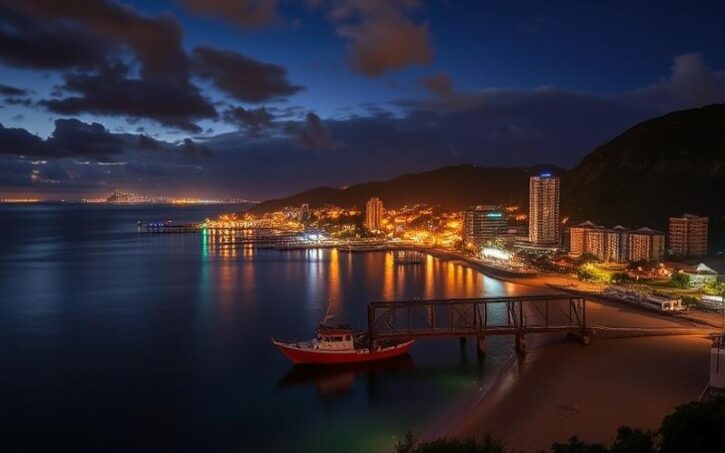
The islands of Micronesia are nothing like a tropical new New York with flashy neon signs and mega-clubs open until dawn. Here, nightlife is experienced differently: in a bar set on the deck of an old schooner, amid the sizzling skewer stalls of a night market, on a terrace watching the sunset, or in a club filled with local music where tourists mingle with residents. From Guam to Pohnpei, from Palau to the Northern Mariana Islands, nightlife is at once low-key, inventive, and deeply rooted in Pacific culture.
This article details nightlife spots, atmospheres, and practical information (like ordering beer or sakau) for partying on each island in Micronesia.
Understanding Nightlife in Micronesia
Before listing the best spots, it’s important to let go of a common misconception: in Micronesia, most travelers get up early to dive, surf, or explore cultural sites. As a result, the obsession with partying until the early hours is rare, and many establishments focus more on a friendly atmosphere and good food than on high decibels.
A large part of the nightlife is concentrated in beachfront resorts and hotels, which often offer bars, small dance floors, concerts, or theme nights. Other options include night markets, sakau bars, modest-sized clubs, and restaurants open late. Access to alcohol varies significantly from state to state and island to island, with a near-total ban on Chuuk and strong restrictions in places like Kosrae.
The table below provides an initial overview.
| Area / Country | Dominant Nightlife Type | General Atmosphere |
|---|---|---|
| Guam (Tumon, Talo’fo’fo, etc.) | Bars, clubs, concerts, festivals | Lively, very tourism-oriented |
| CNMI (Saipan, Garapan) | Bars, karaoke, small casinos, restaurants | Relaxed, “small town” vibe |
| Palau (Koror, Malakal, Airai) | Night markets, resort bars, restaurants & live music | Warm but fairly quiet |
| FSM – Pohnpei | Clubs, sakau bars, restaurants, seaside bars | Local, sometimes very festive |
| FSM – Yap | Boat bars, pubs, restaurants | Unique, very sea-oriented |
| FSM – Chuuk | Dive hotel bars | Very limited, restricted alcohol access |
| FSM – Kosrae | Some licensed restaurants, emerging night market | Intimate, very calm |
| Marshall Islands (Majuro) | Clubs, cultural evenings, markets | Community-oriented and musical |
In this context, “going out at night” means as much strolling through a night market, listening to a local band, sharing a bowl of sakau, or singing karaoke as it does dancing to a DJ set.
Guam: Tumon Bars, Festivals, and Family-Friendly Evenings
Guam is arguably the island closest to the classic idea of “nightlife” in the region. The main hub is Tumon, a beach resort filled with bars, clubs, and hotels, featuring a steady stream of live bands, lounge singers, and DJs.
On the side, the island also cultivates a family-friendly nightlife, centered around night markets and cultural events.
Tumon and Live Music Bars
In the heart of Tumon, one establishment stands out: Livehouse, often highlighted as a major venue for concerts.
Located at Isla Plaza on Pale San Vitores Road, Livehouse opens in the evening: until midnight on weeknights and until 2:00 AM from Wednesday to Saturday. The lineup varies from night to night, featuring local and international artists, making it a logical starting point for a night out in Guam. The clientele mixes locals, U.S. military personnel, and Asian or American tourists, in a very energetic atmosphere. The bar offers cocktails, wine, and a selection of beers, all at what are described as “moderate” prices.
Located at the same spot, this venue bills itself as “Guam’s #1 Legendary Venue.” It shares the same coordinates and stays open until 2:00 AM. It stands out for its wide drink selection, offering over 60 beers and more than 90 whiskies, in a festive atmosphere. To foster community spirit, patrons are encouraged to display their military patches or “challenge coins.” The bar also sells its own merchandise (t-shirts, caps, etc.), cultivating loyalty and a sense of belonging to a club.
To enjoy these spots, regulars recommend arriving early to get a good seat and checking the concert schedule online.
Festivals and Music Events
Guam also hosts daytime events that often extend into the evening. The Micronesia Music Festival, titled “Rhythm by the River,” features a full day of music at the Valley of the Latte Adventure Park in the south of the island, with concerts by Micronesian bands and singers, artisan stalls, farmers, food trucks, and even a traveling petting zoo. Tickets are sold on a very family-friendly scale: children under 6 get in free, students pay a reduced rate, and adults pay a standard price.
The festival’s goal is to foster encounters between the local population and visitors, based on entertainment centered on music, food, and crafts.
Night Markets and Evenings for Everyone
Guam also focuses on night markets, starting with the Chamorro Village Wednesday Night Market, popular with families. You’ll find Chamorro dishes, regional specialties, souvenirs, and crafts, all in a very laid-back atmosphere.
These evenings are typical of Micronesia: music is never far away, the smell of grilling fills the air, but the atmosphere is more that of a village fair than an electro festival.
Guam is generally considered safe, even at night, which explains its popularity with families. As always, it’s wise to keep an eye on your belongings and avoid leaving items visible in a car.
Northern Mariana Islands: Saipan, Garapan, and Relaxed Nights
The Commonwealth of the Northern Mariana Islands (CNMI) offers a different, more laid-back nightlife. On Saipan, the Garapan area concentrates shops, restaurants, and American fast-food chains, making it a hub for evening activities.
Typical evenings in the archipelago combine dinner, a few drinks, lots of karaoke, and sometimes a visit to a small casino or dance floor.
General Atmosphere and Local Practices
Nightlife here is described as “rich but relaxed.” It’s far from the dense crowds and constant noise of big cities: here, bars sometimes open as early as 6:00 PM, offer generous happy hours, and close around 2:00 AM.
Evening activities often revolve around a few staples:
– hearty meals, very often centered on Chamorro cuisine,
– drinks at a bar with live music,
– karaoke, extremely popular, especially under the influence of the Filipino, Japanese, and Korean communities,
– analog games: bowling, pool, darts,
– poker and games in dedicated rooms, with a clientele of regulars who play seriously.
For those who prefer quiet evenings, it’s entirely possible to stick to a coffee or non-alcoholic drink on a terrace, listening to music filtering from a nearby bar.
Chamorro Flavors and Happy Hours
Evening menus highlight local specialties. Among the iconic dishes often recommended: grilled parrotfish, chicken kelaguen, beef tinaktak, escabeche or estufao-style preparations, or hineska agaga. Sharing these plates is almost a ritual before continuing the evening elsewhere.
Many bars offer early-evening discounts, attracting expats and residents. To enjoy them peacefully, prioritize establishments near your hotel, note its address precisely, and avoid packing too many nighttime activities to prevent fatigue.
Palau: Night Markets, Seaside Bars, and Dive Trip Evenings
Palau, an independent country in the Micronesian region, is one of the world’s top diving destinations. Logically, many visitors go to bed early to be on the boat at dawn. Yet nights in Koror, Malakal, and Airai have a unique charm, far from clubbing clichés.
Koror State Night Market: The Payday Friday Gathering
In the heart of Koror, Ernguul Park – also nicknamed Bethlehem – comes alive every payday Friday. The Koror State Night Market brings together food vendors, artisans, association booths, and musicians.
You’ll find smoky barbecues, desserts, local drinks, but also bubble teas, including a chocolate flavor mentioned in visitor accounts. The event is as much an outing for locals as an attraction for tourists, who come for the atmosphere: impromptu concerts, dance troupes, children’s laughter, conversations stretching out under tents.
A recurring booth, run by a health collective (HCC), offers disaster preparedness information, sometimes organizing raffles with phone credits as prizes. This mix of festivity, awareness-raising, and support for the local economy sums up the spirit of these markets well.
Health Collective (HCC)
In terms of budget, field reports show it’s easy to spend $20 to $40 moving between drinks, small dishes, and snacks. A bubble tea or taro pudding can be around $3, fish dishes around $5, while some more elaborate preparations (like a tempura shrimp platter) can raise the bill. The idea, above all, is to try as many things as possible: pork BBQ, fried squid, potatoes on a stick, sushi, even very spicy Filipino dishes.
680 Night Market: XXL Street Food near the Friendship Bridge
Near Koror, in Airai, close to the Friendship Bridge, the 680 Night Market holds a special place in the nightlife scene. It’s the epicenter of street food in Palau, once again organized on payday weeks, with semi-free shuttles serving the hotels.
During the night market, restaurateurs offer a varied culinary selection reflecting the population’s diversity, with Palauan, Japanese, Filipino influences, as well as pizzas and American-style barbecue. Visitors can enjoy grilled pork, fried squid, and skewers. The atmosphere is enlivened by concerts from local bands, the presence of “Miss Palau,” and festive contests like eco-friendly Christmas decoration competitions around a large Christmas tree set up among the stalls.
A widely shared video shows how quickly these markets can fill up, with a steady stream of families, young people, and tourists. It’s one of the best places to feel the “island spirit” after sunset.
Bars, Restaurants, and Hotels: From Chic Cocktails to Diver’s Beer
Away from the markets, Koror and neighboring islands have a series of bars and restaurants open late. The range goes from resort restaurants with wine lists to rustic diver bars.
A few examples in Koror and the immediate surroundings:
| Establishment (Koror / Airai / Malakal) | Hours (Indicative) | Nighttime Particularities |
|---|---|---|
| Jive Restaurant | 7 AM–10 AM & 4:30 PM–11 PM | Ocean view, sunsets, varied menu |
| Mingles So Thai | 11 AM–2 AM | Thai cuisine, DJ and concerts after 10 PM |
| Taj | 11 AM–2 PM & 5 PM–10:30 PM (bar until 2 AM) | Indian cuisine, late-night bar |
| Jungle Bar (Plantation Resort) | 6 PM–2 AM | Bar-restaurant, tropical ambiance |
| Red Rooster Cafe | 6 AM–2 PM & 5 PM–9 PM | Local “Red Rooster” beers, Western and Japanese dishes |
| Rainbow Restaurant (Arakabesan) | 6:30 AM–2 AM | Massive burgers, service until late |
| Waves Restaurant (Malakal) | 6:30 AM–12 AM | Theme buffet in the evening at a resort |
| Drop Off Bar (Malakal) | 10 AM–2 PM & 4 PM–2 AM | Seaside bar, fish specialties |
| Kramer’s Cafe (Malakal) | 11 AM–2 PM & 6 PM–10 PM | Inventive cuisine, favored haunt of divers |
In hotel bars, cocktails can be expensive: at the Palasia Hotel, for example, a Long Island Iced Tea runs around $17. Conversely, buying beer at a store is much cheaper, and a bottle of soju costs around $6.
A beachfront bar known for its atmosphere, cocktails, ice-cold beers, and lively evenings.
A bar often cited for its vibe, with a picture-perfect beachfront setting.
Cocktails and ice-cold beers are served in a friendly setting.
Live music or karaoke nights are regularly organized here.
Official closing around 1 AM, but the party sometimes continues outdoors on certain nights.
Palau, Above All a Diver’s Country
Despite this offering, Palau’s reputation remains that of a destination where people go to bed early. Many clubs and bars close around 2:00 AM, sometimes earlier if the crowd thins out. Dive centers often have their own small bars after trips, where people watch the sunset and debrief the day over a beer rather than on a packed dance floor.
Federated States of Micronesia: Pohnpei, Yap, Chuuk, Kosrae
The Federated States of Micronesia (FSM) brings together four states with very different profiles: Pohnpei, Yap, Chuuk, and Kosrae. Nightlife is fragmented, often concentrated in each state’s capital, with strong nuances, especially regarding alcohol access.
Pohnpei: Club Flamingo, Sakau Bars, and Restaurant Chains
Pohnpei is the state with the most restaurants in the entire FSM, with about a dozen listed spots, mainly in Kolonia. It’s also where you’ll find the archipelago’s only true nightclub: Club Flamingo.
Club Flamingo, The Island’s Only Real Nightclub
Club Flamingo is located in the heart of Kolonia. The place has a large dance floor, comfortable lounges, and a well-stocked bar. Parties start late: the atmosphere only really picks up after 10:00 PM, lasting until about 3:00 AM.
The establishment regularly organizes theme nights, animated by DJs, attracting both local youth and visiting foreigners. For those looking for a classic club atmosphere, Pohnpei, and specifically the Flamingo, is the place to go.
Bars and Terraces: From Rusty Anchor to Tattooed Irishman
The rest of the nightlife happens in a constellation of bars and restaurants.
Two distinct establishments to end your day, from relaxed to contemplative.
A no-frills bar set in an unfinished hotel, offering pool tables and cheap beer. The perfect spot for a relaxed end to the day.
Bar at the Village Hotel, favoring calm and beautiful views of the bay. Beers are a bit more expensive, but beautifully offset by the sunsets.
Kolonia also has restaurants that are very busy in the evening:
| Restaurant (Kolonia / Pohnpei) | Nighttime Specifics |
|---|---|
| Joy Hotel & Restaurant | Set “Joy Lunch/Dinner” menus, breadfruit appetizers & banana chips, Japanese cuisine |
| China Star | Chinese cuisine prepared with local vegetables, notably mangrove crabs |
| Coco Marina | Large menu mixing American favorites and local dishes |
| South Park Restaurant | View of Sokehs Rock, Pohnpeian dances on weekends |
| Ocean View Orchid Restaurant | Moderately priced dishes with a view of Sokehs Bay |
Locals also appreciate spots like Kaselehlie Diner (lunch buffet, but visited late for drinks), Cliff Rainbow (pizza, steak, mangrove crab), or bars like Jungle Bar, Lefty’s Bar, Mangrove Bay Bar, where evenings stretch out to the sound of fairly mellow music.
Sakau Bars: A Different Way to “Go Out”
A particularity of Pohnpei: the abundance of sakau bars. They serve a slightly narcotic drink prepared from pounded and filtered bush roots. The taste is reputed to be uninviting, but the calming effects are appreciated by regulars.
Spending an evening in a sakau bar has nothing to do with a packed club: people chat calmly, often outside, sometimes over a few dishes of raw fish or breadfruit. The drink is sipped slowly, almost like a ritual. For a visitor, it’s one of the most effective ways to immerse oneself in local social life, provided you are cautious about quantities and plan your return.
Yap: Boat Bars and Evenings at the Port
Yap stands out as original in Micronesia’s nightlife landscape. In Colonia, most restaurants cluster by the water, often with views of the famous stone money and traditional canoes.
The Manta Ray Bar and Grill is located on the main deck of the schooner Mnuw, docked near the Manta Ray Bay Hotel. It offers a fusion of local and international cuisine in a setting right on the sea. On weekend evenings, the atmosphere is lively, with views of the surroundings.
Right next door, the Crow’s Nest Bar and Grill, on the same boat, serves a locally brewed Yap draft beer, as well as grilled food. It’s one of the best places to chat with divers, sailors, and locals.
A bit further, Yap Marina Restaurant and Bar offers seating under thatched huts and often extends service late, especially on Fridays, until about 2:00 AM.
Restaurants like Juhn’s Oasis (bakery-restaurant with Filipino and American accents) or Ganir Restaurant (raised terrace, local cuisine, including fruit bat dishes) complete the evening offering. Here, people come more for the meal and conversation than for dancing until dawn.
Chuuk: Hotel Bars Under Scrutiny
On Chuuk, alcohol consumption is heavily restricted. For foreigners, the only safe options for a drink are in two dive-related establishments:
– the bar at the Blue Lagoon Resort,
– the Hard Wreck Bar, at the Truk Stop Hotel.
The bars frequented by divers are quiet in the evening, but it is recommended to avoid walking around at night outside of tourist areas, particularly in Weno, due to a high crime rate and alcohol-related incidents.
Kosrae: A Few Bars, an Emerging Night Market
Kosrae is probably the most peaceful of the FSM’s four major islands. There are only four restaurants on the island, three of which have a license to serve alcohol. One of the hubs for evenings is the MC Restaurant & Sports Bar, located in the Kosrae Capital Plaza. The establishment holds a happy hour on Friday nights and is among the very few open on Sunday evenings, making it a haunt for those who absolutely want to go out a bit.
Bully’s Restaurant, by the water, specializes in seafood (lobster, crabs, shellfish), attracting travelers for extended dinners by lamplight. At the Innum Restaurant, within the Kosrae Village Ecolodge, the evening menu adapts to the day’s catch: fish, chicken, and local vegetables.
With support from the tourism bureau, Kosrae is also seeing the emergence of nighttime entertainment in the form of night markets. The inauguration of the Lelu Night Market on Yaat Street, for example, offers rows of colorful stalls in the evening, with crafts, street snacks, desserts, live concerts, and cultural entertainment. The stated goal is to strengthen community bonds while offering an enjoyable evening for both residents and visitors.
Marshall Islands: Clubs, Nights by the Lagoon, and Markets
In the Marshall Islands, particularly in Majuro, nightlife is shared between clubs, small bars, and more discreet, even informal events, like gatherings on the beach or in backyards.
Marshall Islands Club: The Heartbeat of Majuro
The Marshall Islands Club, located in the Delap‑Uliga‑Djarrit sector of Majuro, is presented as one of the main nightlife spots. The hall includes a dance floor, various lounge areas, and a bar well-stocked with local and international drinks.
Evenings swing between concerts highlighting Marshallese music and culture, DJ sets, and theme events. The atmosphere is that of a classic club, but with a strong anchor in the local community: tourists and locals naturally mingle here. Regulars recommend coming early on weekends, as the place can fill up quickly, and trying cocktails made with local ingredients.
Beyond this club, descriptions of nightlife in Majuro and the Marshall Islands in general often emphasize its “hidden” nature: away from main thoroughfares, the party is found within communities, in the form of gatherings, rituals, storytelling sessions, and singing and dancing by moonlight. Night markets, when organized, serve as much as social meeting points as places to eat.
Practical Tips, Safety, and Cultural Codes
Micronesia overall has a relatively low crime rate, but disparities exist. Chuuk, for example, has more problems with theft, assaults, and alcohol-related incidents, especially on weekends and at night. It’s advised to avoid walking alone after dark in isolated areas and to favor taxis or organized transport.
In general, the following recommendations often come up for evenings out:
For your safety, it is recommended to stay in well-lit and frequented areas, especially in secondary towns. Prioritize group travel over solo trips. Avoid displaying valuables. Use hotel safes to deposit your passports and large sums of money. For taxis, choose official vehicles or those booked by your hotel, and always agree on the fare before getting in.
Women traveling alone are advised to be cautious, especially at night, and to avoid isolated or heavily alcohol-fueled places. LGBTQ+ individuals should know that, even though some legal protections exist (in the FSM for example), social attitudes can remain conservative: discretion in public spaces is recommended.
Nighttime activities can be disrupted by typhoons, heavy rain, earthquakes, or tsunamis. During cyclone season, it is essential to follow weather bulletins and authorities’ instructions.
Finally, each island has its own rules regarding alcohol. In Kosrae, for example, the sale of alcohol is prohibited on Sunday morning until noon, and on Chuuk access to alcohol is strictly regulated. In Pohnpei and Palau, however, bars and clubs are common.
How to Prepare for Evenings in Micronesia
To best enjoy the nightlife in Micronesia, it’s better to go with the idea of adapting to the islands’ rhythm rather than trying to bend it to your own habits. Most of the best spots are accessible from major hotels and resorts, and it’s often possible to rent a car or scooter to get around, keeping in mind that roads are sometimes in poor condition and poorly lit at night. Many international rental companies (Avis, Budget, Hertz, etc.) are present in some urban centers.
In Palau, the PVA tourism authority organizes two night markets per month, synchronized with payday weeks.
Regarding budgets, the range is wide: a street food dish can cost a few dollars, while a full evening in a hotel bar in Palau or Guam can quickly add up with cocktails costing over $15 each. At night markets, a budget of around forty dollars is generally enough to sample several dishes, drinks, and desserts.
In summary, nightlife in Micronesia is discovered less through lines in front of clubs and more by following the smells of grilled food, the sounds of guitars, and the laughter rising from parks, harbors, and waterside terraces. It’s a night made of markets, music, sakau, local beer, and conversations under the stars – a night more intimate than spectacular, but one that fits perfectly with the slow, warm tempo of the Pacific.
Disclaimer: The information provided on this website is for informational purposes only and does not constitute financial, legal, or professional advice. We encourage you to consult qualified experts before making any investment, real estate, or expatriation decisions. Although we strive to maintain up-to-date and accurate information, we do not guarantee the completeness, accuracy, or timeliness of the proposed content. As investment and expatriation involve risks, we disclaim any liability for potential losses or damages arising from the use of this site. Your use of this site confirms your acceptance of these terms and your understanding of the associated risks.

Cyril Jarnias is an independent expert in international wealth management with over 20 years of experience. As an expatriate himself, he is dedicated to helping individuals and business leaders build, protect, and pass on their wealth with complete peace of mind.
On his website, cyriljarnias.com, he shares his expertise on international real estate, offshore company formation, and expatriation.
Thanks to his expertise, he offers sound advice to optimize his clients' wealth management. Cyril Jarnias is also recognized for his appearances in many prestigious media outlets such as BFM Business, les Français de l’étranger, Le Figaro, Les Echos, and Mieux vivre votre argent, where he shares his knowledge and know-how in wealth management.





