
 Published on and written by Cyril Jarnias
Setting down roots in Micronesia means choosing a peaceful archipelago, removed from the world’s tumult, but also accepting an isolated environment exposed to climate hazards and possessing limited infrastructure. For a serene expatriation, the key is not to idealize everything, but to truly understand the real risks, their scale, and how to manage them day-to-day.
This guide synthesizes key safety information for Micronesia, based on data from foreign governments, international organizations, and firsthand experiences. It aims to help you prepare for your move with clear-eyed realism, avoiding both excessive anxiety and a naive approach.
A Generally Calm but Heterogeneous Country
Micronesia, officially the Federated States of Micronesia (FSM), is a nation composed of four main states—Chuuk, Pohnpei, Yap, and Kosrae—and over 600 islands scattered across the western Pacific. The general atmosphere is described as peaceful and relaxed, with a slow pace of life and a largely welcoming population.
The United States, Canada, Australia, and the UK all recommend normal precautions for travel to Micronesia.
This does not mean that all risks are absent. The reality is nuanced: crime remains moderate but varies from state to state, law enforcement response capacity is limited, health and infrastructure have real vulnerabilities, and natural hazards are very much present.
To navigate this, it’s useful to keep in mind some key contrasts between the states.
Comparative Overview of the Four Main States
| State | General Safety Profile | Reported Criminal Activity | Infrastructure & Services |
|---|---|---|---|
| Pohnpei | Generally safe, political and economic capital, Kolonia rated as low threat by the USA | Petty theft, non-violent break-ins | Country’s most modern hospital (Pohnpei State Hospital), best air links, slightly above-average infrastructure |
| Kosrae | Very quiet, small population, island reputed for tranquility | Low-level crime, some opportunistic theft | State hospital (Arthur Sigrah Memorial Hospital), limited infrastructure but safe rural atmosphere |
| Yap | Strong traditions, conservative society, reasonable security climate | Petty crime, betel nut consumption associated more with health risks than security threats | State hospital, few roads, limited bus network, presence of a decompression chamber for divers |
| Chuuk | More unstable, episodes of political tension, incidents reported | Significantly higher crime rates, assaults, frequent break-ins | State hospital, more fragile infrastructure, recommendations for extreme caution, especially in Weno after dark |
Understanding these differences helps in choosing your place of residence, or at least adapting your behavior depending on which island you’re on.
Crime: Mainly Opportunistic, with a Black Spot in Chuuk
Foreign authorities concur: serious crimes are rare in Micronesia, and violence targeting foreigners remains exceptional. The main risk for an expatriate is opportunistic crime.
The most common incidents are pickpocketing, theft from vehicles or on beaches, snatching of unattended bags, or residential break-ins, often without direct confrontation. These acts primarily target individuals perceived as more affluent—often expatriates.
Particular caution is warranted in Chuuk, where the crime level is significantly higher than in Yap, Pohnpei, or Kosrae. Assaults, including against foreign nationals, have been reported there, and authorities advise heightened vigilance.
Even in this context, theft and alcohol-fueled brawls are discussed much more than organized crime targeting expatriates. The risk of kidnapping, for example, is considered very low, with no specific indicators noted on this subject.
Typical Risks for Expatriates
In practice, the problematic situations an expatriate might face resemble the following scenarios: a bag forgotten on an isolated beach and stolen, a poorly secured house being burgled, an altercation with an intoxicated individual leaving a bar, verbal harassment of a woman alone at night.
This helps calibrate the measures to take: it’s more about traveler’s common sense than living under constant tension.
Expatriate Women: Enhanced Caution, Especially at Night
Official reports highlight that women, especially when traveling alone, may be more exposed to verbal harassment, or even sexual assault, particularly in Chuuk. Sexual assault and domestic violence are, moreover, underreported due to cultural stigmas.
The recommendations are clear: avoid walking alone after nightfall, especially in poorly lit or isolated areas, favor group travel, adapt your clothing to local norms of modesty (knees and shoulders covered outside beaches and tourist hotels), and avoid being in the presence of intoxicated individuals in the context of a prolonged celebration.
Law Enforcement: Present but Under-Resourced
Police are present in each state, with a national structure and local forces. Civilian authorities retain control of law enforcement, and there are no systemic reports of police abuses. However, material resources are limited: few vehicles, sometimes faulty radios, criminal investigations conducted with limited technical means (traces, fingerprints, etc.).
The national emergency number is 911, except in Chuuk State which uses a specific number. A rapid response is not guaranteed outside business hours, although some accounts report quick interventions in personal situations.
In case of a serious incident, expatriates—particularly Americans, Australians, and Canadians—are encouraged to also contact their diplomatic missions, which can help escalate information and guide procedures.
Daily Security Best Practices
Even in a relatively safe country, a simple security routine can prevent the majority of problems: consistently lock doors and windows, keep passports and important documents in a secure place (safe or discreet hiding spot), do not display high-value items, avoid walking alone at night, especially in Chuuk and isolated areas, stay away from disputes between locals and never try to intervene, favor recommended taxis and negotiate the price before getting in.
Applied consistently, these measures transform an environment “generally safe but imperfect” into a comfortable living setting for an expatriate.
Health: A Basic System, but with Limits to Fully Understand
In terms of health, Micronesia is not a medical desert, but it is far from offering the level of care of major Western cities. Each state has its public hospital, a few clinics and health centers, with Pohnpei hosting the country’s most modern facility.
However, the entire system suffers from under-equipment, a lack of specialists, medication stock shortages, and limited capacity for major surgery, trauma care, or complex pathologies. Serious cases are regularly evacuated to Guam, Hawaii, or the Philippines, via medical referral programs or on the patients’ own initiative.
Level of Equipment and Access to Care
Basic care (general consultations, simple treatments, minor emergencies) is generally possible, especially in state capitals. But for anything beyond that—specialized surgery, oncology, interventional cardiology, advanced intensive care—reliance on treatment abroad is necessary.
Certain specific aspects of life abroad require particular vigilance and preparation from the expatriate to ensure a successful transition and settlement.
| Health Aspect | Situation in Micronesia | Consequence for an Expatriate |
|---|---|---|
| Public Hospitals | One per state, Pohnpei the best equipped | Basic care possible, serious cases to be evacuated |
| Private Sector | Very limited, a few clinics, one private hospital in Pohnpei | Additional offering but capacities remain restricted |
| Medications | Available but risk of shortages and limited choice | Bring sufficient supply of chronic treatments |
| Dental Care | Present but basic, NGOs sometimes mobilized | For major procedures, plan a return home or abroad |
| Pregnancy & Childbirth | Monitoring available, qualified staff present for delivery | But maternal and infant mortality higher than regional average, on-site pregnancy to be carefully considered |
Many expatriate families choose to schedule births outside Micronesia due to these structural limitations.
Health Insurance and Evacuation: A Must, Not an Option
For a long-term stay, it is highly recommended to purchase international health insurance covering both local medical expenses and, most importantly, evacuation to a third country (Guam, Hawaii, Philippines, or even home country). Medical evacuations are extremely costly and can take several days to organize, especially in unfavorable weather conditions.
Several insurers specializing in expatriate coverage offer contracts suited to this type of isolated context. The key point, beyond the reimbursement ceiling, is the logistical handling of evacuation and repatriation.
Infectious Diseases and Everyday Risks
The tropical climate and basic infrastructure favor certain diseases, which should be integrated into your prevention routine:
Several diseases are present in Micronesia. Mosquitoes can transmit dengue and Zika virus, less frequently malaria. It is essential to use repellents, covering clothing, and mosquito nets, and to eliminate stagnant water. Water and food-borne illnesses (diarrhea, hepatitis A, parasites) are also a risk: prefer bottled, boiled, or filtered water, and be cautious with street food. Tuberculosis is more frequent than in the West, especially for healthcare professionals. Finally, protect yourself from the sun and heat to avoid dehydration, heatstroke, and burns.
A visit to a travel medicine clinic before departure, ideally six weeks in advance, allows for updating vaccinations (hepatitis, typhoid, measles, etc.) and discussing possible preventive treatments.
Natural Hazards: Learning to Live with Typhoons, Earthquakes, and Tsunamis
Micronesia is located in both a cyclonic and seismic zone. Typhoons, heavy rain, floods, landslides, droughts, earthquakes, and tsunamis are part of the structural risks, exacerbated by climate change and rising sea levels. Some low-lying islands can be submerged during strong swells or exceptional tides.
The Vanuatu archipelago, regularly hit by deadly typhoons, floods, droughts, and storm surges, has implemented a structured risk management system. This includes a National Disaster Management Office, detailed response plans, and disaster committees at national, state, and municipal levels. To strengthen its resilience, the country also relies on international partnerships with actors such as the US, UN, and various humanitarian organizations.
For an expatriate, the question is not to “flee” these risks, but to prepare seriously for them.
Culture of Preparedness: Think in “14 Days” Rather Than 72 Hours
Due to geographic isolation and dependence on air and sea links, authorities now recommend households be self-sufficient for at least fourteen days, not just three. The idea is to be able to hold out in case of supply chain disruption or prolonged confinement after a cyclone or flood.
A series of concrete actions to prepare for an emergency situation
Build a water reserve and keep non-perishable foods.
Have a first-aid kit and several weeks’ supply of chronic medications.
Safely store copies of passports, birth certificates, insurance contracts, and emergency numbers.
Plan for a reliable information source (battery-powered radio, satellite phone if possible).
Know the local rally point or shelter in case of evacuation.
Typology of Hazards and Appropriate Response
| Main Hazard | Specifics in Micronesia | Key Actions for an Expatriate |
|---|---|---|
| Typhoons / Major Storms | Season concentrated around the second half of the year, but events possible outside it | Follow weather bulletins, secure the house (roof, windows), store water and food, obey evacuation orders |
| Earthquakes | Country located in an active seismic zone (Pacific Ring of Fire) | Learn basic reflexes (take cover, stay away from windows, evacuate to open space after shaking stops) |
| Tsunamis | Can occur within minutes after an underwater earthquake | Know evacuation routes, immediately move away from the shore after a significant quake, follow official instructions |
| Droughts | Mainly affect isolated atolls, impacting drinking water and agriculture | Plan water reserves, follow rationing recommendations, adapt consumption |
| Storm Surge & Extreme Swells | Temporary flooding of atolls, erosion of low-lying coasts | Avoid building or renting too close to the shore without protections, inquire about local flood history |
Expatriates settling long-term would benefit from consulting local natural hazard preparedness guides, often developed with support from universities and international agencies. Many practical tools—including mobile apps from the Red Cross—allow for step-by-step preparation.
Infrastructure, Transport, and Mobility: Safety on Imperfect Roads
Paradisiacal ocean views often come at the cost of modest ground infrastructure. Micronesia is no exception: while urban centers have generally adequate roads with relatively low traffic, a large part of the road network is narrow, poorly maintained, sometimes unpaved, and lacks lighting and signage.
Local drivers do not always respect traffic rules, and road safety training remains limited. Stray animals, livestock on roads, pedestrians on the shoulder, and children playing near the roadway are part of the landscape. Driving becomes particularly tricky at night or during heavy rain.
To Drive or Be Driven?
For an expatriate, a rental or personal car is generally the most efficient way to get around, especially in Pohnpei and Yap. An international driver’s license (or local one for residents) is often required to rent a vehicle.
In town, traffic is moderate, but vigilance is required due to road conditions and lack of lighting. In rural areas, some sections can become impassable after heavy rain.
Taxis exist, but their quality is variable: some drivers are cautious, others less so. It is therefore advisable to use taxis recommended by trusted locals, your hotel, or other expatriates, agree on the price before departure, and avoid isolated trips at night.
Inter-Island Transport and Maritime Safety
Travel between islands and states is mainly by plane or boat. Domestic flights, operated by a few companies, are often full and subject to weather-related disruptions. Canadian authorities note they are not in a position to judge the compliance of local airlines with international safety standards.
Before any sea trip, always check the weather conditions. Ensure the vessel is equipped with basic safety devices (life jackets, radio). Avoid nighttime crossings in poorly marked areas. For tourist excursions (diving, snorkeling, lagoon trips), be vigilant: these activities are not always subject to strict standards and the quality of providers can vary considerably.
Swimming, Diving, and Risks at Sea
Micronesia’s beaches are rarely patrolled by lifeguards. Rip currents and powerful waves in coastal lagoons can surprise even experienced swimmers. Several drownings are reported each year.
For diving enthusiasts, especially in the famous Chuuk Lagoon, additional precautions are necessary: check if the local decompression chamber is operational (they exist in Chuuk, Yap, and Pohnpei, but capacity to treat serious diving accidents remains limited), ensure your insurance covers diving activities and evacuation, and never dive alone or with a dubious operator.
Another singular risk lies in unexploded ordnance from World War II, present in some areas, including ports like Yap’s. It is illegal and dangerous to touch or recover items from military wrecks—local laws and common sense converge on this point.
Legal Framework, Cultural Norms, and Social Life: Safety Rhymes with Respect
Feeling safe in a country isn’t just about avoiding attacks or accidents; it’s also about understanding social codes, avoiding cultural misunderstandings, and operating within the local legal framework.
Micronesia’s legal system is close to the American model (Constitution, independent judiciary), but with a slow court system, sometimes lacking trained personnel. Drug-related offenses are severely punished with prison sentences and heavy fines, and public intoxication is punishable. For an expatriate, zero tolerance for drugs—including substances normalized elsewhere—must be a given.
Gender Relations, LGBTQ+, and Social Conservatism
Reports describe a largely conservative society, where modesty, discretion, and respect for elders and authorities are strong values. Clothing that is too short or revealing, behavior perceived as ostentatious or aggressive, or overt public displays of affection may attract disapproval or even hostile reactions.
While same-sex relationships are not illegal and anti-discrimination laws exist, social acceptance remains limited, particularly in rural areas. Isolated cases of violence have been reported. LGBTQ+ travelers and expatriates are advised to be discreet to avoid any risk of misunderstanding or rejection.
Norms of Politeness and Interaction
In daily life, several implicit rules enhance the quality of relations with Micronesians, and consequently the social and personal safety of expatriates. It is appreciated to greet gently with a smile, speak calmly, avoid raising your voice in public, remove shoes when entering a house or community building, ask permission before photographing people or ceremonies, and sit modestly without exposing your legs or pointing feet toward others in formal contexts.
Sustained direct eye contact is often perceived as aggressive or inappropriate, while a more averted gaze is a sign of respect. In many contexts, decisions are made by consensus, making open confrontation ill-advised.
In professional settings, hierarchy is important, and public criticism of a superior is poorly received. Patience with deadlines, flexibility with schedules (“island time”), and prioritizing relationships over written contracts are keys to navigating smoothly.
Consulates, Insurance, and Expat Networks: Your Safety Net
Micronesia does not host all consular representations permanently, but several countries provide coverage via regional embassies or sharing agreements.
The United States has an embassy in Kolonia (Pohnpei), offering consular assistance to its citizens, especially in cases of arrest, accident, or disappearance. Australia maintains an embassy in Pohnpei, which also represents Canadian interests under a bilateral agreement, and can assist in emergencies. Other nations rely on their Pacific networks (Guam, Hawaii, etc.) and 24/7 emergency centers.
For an expatriate, it is crucial to register with traveler enrollment programs (like the STEP program for Americans) and carefully keep the phone numbers of your embassy or consulate.
Expatriate Networks as a Safety Resource
Beyond institutions, the expatriate community plays a major role in day-to-day security. Platforms like InterNations, Expat.com, as well as Facebook groups and local forums allow for sharing very practical advice: reliable dive operators, neighborhoods to avoid at night, recommended doctors, trustworthy taxis, best practices for typhoons or power outages.
Testimonials from already-settled expats often emphasize how these networks facilitate integration, break isolation, and help manage the “small risks” of daily life: minor scams, neighborhood disputes, cultural misunderstandings. In an island environment with limited leisure options, these social encounters are also a buffer against loneliness, which can become a psycho-social risk for some.
Conclusion: A Safe Destination for Those Who Prepare Seriously
Micronesia does not fit the image of a “dangerous” country in the way many travelers understand it. Crime rates remain modest, especially for serious crimes, the social climate is largely peaceful, residents are described as warm, and there is no identified local terrorist threat. The main security black spot remains Chuuk State, where caution and travel restrictions are necessary, especially at night.
The archipelago presents significant vulnerabilities for an expatriate: a limited healthcare system demanding insurance and an evacuation plan, high exposure to climate and seismic risks, reduced capacity of law enforcement and emergency services, road and maritime infrastructure in need of improvement, as well as public services and supply subject to periodic interruptions.
In this context, serenity does not come from the absence of risks, but from preparation. A successful expatriation in Micronesia rests on a few simple pillars: good insurance including evacuation, an emergency kit and reserves to face a fourteen-day crisis, secure and climate-adapted housing, real integration into the local and expatriate fabric, a nuanced understanding of cultural norms, and measured daily vigilance without paranoia.
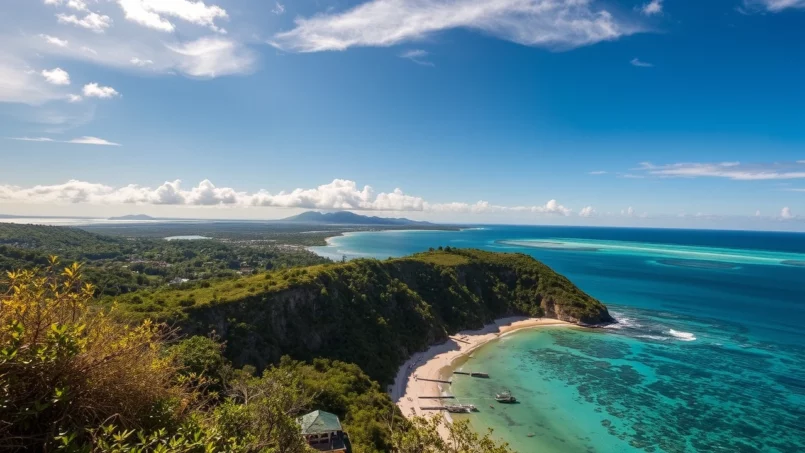
For those who accept this reality, Micronesia can offer what it promises: a life at the Pacific’s pace, in a country still preserved, where one can enjoy exceptional lagoons, lush forests, and a rich culture, without living in permanent anxiety. Here, safety is first and foremost a matter of common sense, respect, and preparation—three qualities an expatriate would do well to pack.
Description of Micronesia for Expatriates
Disclaimer: The information provided on this website is for informational purposes only and does not constitute financial, legal, or professional advice. We encourage you to consult qualified experts before making any investment, real estate, or expatriation decisions. Although we strive to maintain up-to-date and accurate information, we do not guarantee the completeness, accuracy, or timeliness of the proposed content. As investment and expatriation involve risks, we disclaim any liability for potential losses or damages arising from the use of this site. Your use of this site confirms your acceptance of these terms and your understanding of the associated risks.

Cyril Jarnias is an independent expert in international wealth management with over 20 years of experience. As an expatriate himself, he is dedicated to helping individuals and business leaders build, protect, and pass on their wealth with complete peace of mind.
On his website, cyriljarnias.com, he shares his expertise on international real estate, offshore company formation, and expatriation.
Thanks to his expertise, he offers sound advice to optimize his clients' wealth management. Cyril Jarnias is also recognized for his appearances in many prestigious media outlets such as BFM Business, les Français de l’étranger, Le Figaro, Les Echos, and Mieux vivre votre argent, where he shares his knowledge and know-how in wealth management.





