
 Published on and written by Cyril Jarnias
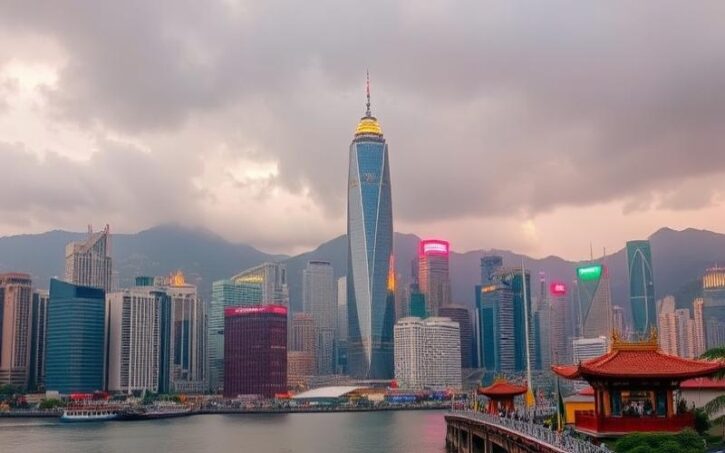
Hong Kong, a captivating blend of ancient traditions and vibrant modernity, is a fascinating destination for any traveler eager for discovery. From its towering skyscrapers to the cultural gems nestled in its bustling neighborhoods, this Asian metropolis offers a multitude of sites that spark the imagination.
Whether you’re drawn to the natural beauty of Victoria Peak, the breathtaking views from Victoria Harbour, or the countless hidden treasures in its colorful markets, Hong Kong promises an adventure rich in emotions and unforgettable memories.
Hong Kong’s Hidden Gems: Explore Must-See Sites
Hong Kong is full of fascinating places that often escape standard itineraries. For an authentic immersion, here is a selection of lesser-known but equally captivating attractions, with their historical and cultural specifics, the best time to visit, and practical tips.
| Location | Unique Features/Experiences | History/Culture | Best Time to Visit | Practical Tips |
|---|---|---|---|---|
| Sham Shui Po | Lively local neighborhood, electronics markets (Apliu Street), street food, fabrics | Heart of working-class Hong Kong, labor and merchant heritage | October to April (mild weather) | Explore on foot, try dim sum and street food, visit the flea market |
| Tai O | Fishing village, stilt houses, dried fish market | Traditional way of life, Tanka community | Autumn and winter | Take a ferry, visit early morning for authentic atmosphere, try shrimp paste |
| Lamma Island | Quiet beaches, hiking trails, seafood restaurants | Car-free village, bohemian culture | Spring and autumn | Take the Lamma Family Trail, enjoy seafood in the villages |
| Cheung Chau | Festive island, colorful houses, beach, caves, Bun Festival | Fishing heritage, Bun Festival | April/May (Bun Festival) | Rent a bike to explore, try local snacks, visit Pak Tai Temple |
| Man Mo Temple | Taoist temple, spiral incense, mystical atmosphere | Dedicated to gods of literature and war, built in 1847 | Year-round, avoid weekends | Respect the silence, observe local rituals, photograph the architecture |
| Shek O Beach | Wild beach, laid-back vibe, colorful village, possible surfing | Reflects Hong Kong’s seaside, away from crowds | May to October | Take the bus from Shau Kei Wan, bring a picnic, ideal for a relaxing day |
Other Gems to Explore:
- Sai Kung: “Hong Kong’s Back Garden,” ideal for hiking, kayaking, and fresh seafood.
- Ping Shan Heritage Trail: Discover Hakka architecture and New Territories heritage.
- Tsz Shan Monastery: Monumental Guan Yin statue, serene atmosphere for meditation.
Tips for an Authentic Exploration:
- Prioritize public transport (ferry, MTR, bus) to reach these places and minimize your ecological footprint.
- Venture out early in the morning or on weekdays to avoid crowds and capture the local atmosphere.
- Respect local customs, especially in temples and traditional villages.
- Interact with locals, try street markets, and taste local cuisine for a complete experience.
Key Takeaway:
Hong Kong reveals itself in the diversity of its neighborhoods, the richness of its traditions, and the beauty of its lesser-known islands. Daring to go off the beaten path means discovering the city’s authentic soul.
Good to Know:
Explore Sham Shui Po and Tai O for an immersion in local life with their dynamic markets and stilt houses; prefer mornings to avoid crowds on Lamma Island and Cheung Chau. For a unique experience, visit Man Mo Temple and enjoy the tranquility of Shek O Beach on weekdays.
Pros and Cons of Each Tourist Attraction in Hong Kong
| Attraction | Advantages & Unique Highlights | Challenges & Practical Tips |
|---|---|---|
| Victoria Peak | Exceptional panoramic view of Hong Kong and Victoria Harbour, especially from Sky Terrace. Historic Peak Tram ride. Ideal for photography, day or night. | Overcrowding, especially during peak hours and weekends. Long wait for the tram. Tip: Visit early morning or evening, buy tickets in advance, and consider hiking up to avoid crowds. |
| Man Mo Temple | Unique cultural blend of Taoist and Confucian traditions. Authentic atmosphere with incense and historic architecture. Symbol of local beliefs coexisting. | Limited space, sometimes crowded, especially during festivals. Incense smoke may be sensitive for some visitors. Tip: Visit outside ceremony times to enjoy the calm and observe architectural details. |
| Temple Street Night Market | Vibrant and lively atmosphere, ideal for discovering Hong Kong street food, impromptu performances, and souvenir shopping. Represents local life and Kowloon’s energy. | Noise, dense crowds in the evening, risk of pickpocketing. Tip: Stay vigilant with your belongings, negotiate prices, and arrive early to avoid the heaviest crowds. |
| Hong Kong Disneyland | Family-friendly theme parks, blend of Chinese culture and Disney magic. Innovative attractions and nighttime shows. | Long wait times for popular attractions, especially during school holidays. Tip: Buy skip-the-line tickets, use the park app to plan for low-traffic attractions. |
| Hong Kong Beaches | Diversity of urban and wild beaches, water activities, and natural scenery. Ideal for escaping the city, especially Repulse Bay or Shek O. | Environmental impact of tourism (waste, erosion), overcrowding on weekends. Tip: Favor lesser-known beaches, respect cleanliness, avoid peak hours, and bring your own bags for trash. |
| Star Ferry & Victoria Harbour | Iconic crossing between Kowloon and Hong Kong Island. Unobstructed view of the skyline and unique maritime atmosphere. Very affordable fare. | Heavy crowds during peak hours, sometimes hard to find a spot by the railing. Tip: Travel outside peak hours, stand by the rail to fully enjoy the panorama. |
| Wong Tai Sin Temple | Spiritual site renowned for granting wishes. Peaceful gardens and colorful architecture. Traditional festivals (Mid-Autumn Festival). | Large crowds during festivals and prayer times. Tip: Visit early morning or on weekdays, respect the solemnity, and observe local practices without disturbing worshippers. |
| Symphony of Lights | Free nightly waterfront show, synchronized lights and lasers on over 40 buildings. Unmissable experience to feel the city’s energy. | Difficulty finding a good spot on the Tsim Sha Tsui promenade on big nights. Tip: Arrive at least 30 minutes early, check the weather, bring snacks to enjoy the show in the best conditions. |
List of Practical Tips to Maximize Your Experience:
- Plan visits early in the morning or evening to avoid overcrowding.
- Buy tickets in advance for popular attractions.
- Respect local culture and rules of religious sites.
- Favor lesser-known sites for a more authentic and peaceful experience.
- Bring water, snacks, and sun protection for outdoor excursions.
- Use public transport to ease travel and reduce environmental impact.
In Hong Kong, each attraction offers a unique experience, but it’s essential to anticipate the challenges to fully enjoy the city’s richness and diversity.
Good to Know:
Enjoy the stunning views at Victoria Peak by arriving early to avoid the crowd; at Man Mo Temple, discover the unique cultural blend while respecting the contemplative atmosphere.
Getting to Hong Kong’s Wonders with Ease
Main Modes of Transport in Hong Kong
| Mode of Transport | Cost | Speed | Accessibility | Main Advantages |
|---|---|---|---|---|
| MTR (Subway) | 4.5–50 HKD | Very fast | Excellent, accessible everywhere | Fast, reliable, air-conditioned, bilingual signs |
| Bus | Variable | Moderate to fast | Dense network throughout the city | Serves all areas, economical, urban views |
| Trams | 3 HKD (flat fare) | Slow | Primarily on HK Island | Historic experience, very economical |
| Ferry | ~3 HKD | Moderate | Victoria Harbour crossings, islands | Spectacular views, island access, affordable fixed price |
Ticket Purchase and Practical Tips
- Octopus Card: Rechargeable smart card, accepted on the MTR, buses, trams, ferries, and even in some shops.
- Available at MTR stations, the airport, or convenience stores.
- Easily rechargeable.
- Saves time and offers discounted fares on some routes.
- Single Journey Tickets: Available for the MTR, but less convenient than the Octopus card.
- Tips:
- Prefer the Octopus card to avoid lines and the need for exact change.
- For trams and ferries, the Octopus card also works, but cash payment is possible (have exact change ready).
Access to Major Tourist Sites
- Victoria Peak:
- Access via MTR to Central, then bus (route 15) or Peak Tram.
- Alternative: Citybus for a panoramic view while ascending.
- Tsim Sha Tsui:
- Directly served by several MTR lines (Tsuen Wan Line, East Rail Line).
- Star Ferry connects Central to Tsim Sha Tsui for a scenic experience.
- Big Buddha (Lantau):
- MTR to Tung Chung, then Ngong Ping 360 cable car or NLB bus.
- Ferry option from Central to Mui Wo, then bus.
- Ocean Park:
- MTR South Island Line to Ocean Park Station, direct access to the entrance.
- Citybus (routes 629, 629X) from Admiralty.
Tips to Optimize Your Travel and Avoid Peak Hours
- Peak Hours: 7:30 AM–9:30 AM and 5:00 PM–7:00 PM (weekdays). Favor visits early in the morning or after 10 AM.
- Planning:
- Use the MTR mobile app or Citymapper to plan routes and check crowding.
- Anticipate lines at the Peak Tram or Ngong Ping 360, especially on weekends.
- Scenic Transport:
- The tram (“Ding Ding”) is ideal for exploring Hong Kong Island at a low cost, but avoid it during peak hours.
- Ferries offer spectacular views, especially at sunset between Central and Tsim Sha Tsui.
List of Advantages by Mode of Transport
- MTR: Speed, punctuality, air conditioning, extensive network, perfect for connecting major sites and neighborhoods.
- Bus: Great for reaching areas less served by the subway, urban views, and direct access to some tourist spots.
- Trams: Typical experience, economical, ideal for exploring Hong Kong Island at a slow pace.
- Ferry: Iconic bay crossing, access to islands and main districts.
Key Takeaway: The Octopus card remains the essential tool for traveling easily, quickly, and affordably across Hong Kong’s entire transport network.
Good to Know:
Use the Octopus card for easy and economical access to all public transport, like the MTR for its speed to Victoria Peak, or the historic trams for a unique city experience; prefer off-peak hours to calmly enjoy major attractions.
Staying in the Heart of Hong Kong’s Exceptional Sites
Types of Accommodation Near Hong Kong’s Iconic Sites:
- Luxury Hotels: The Upper House and Four Seasons Hotel Hong Kong offer panoramic views of Victoria Harbour and Victoria Peak. These establishments feature Michelin-starred restaurants, high-end spas, and exceptional service, perfect for an exclusive experience.
- Mid-Range Hotels: Holiday Inn Golden Mile and Park Hotel Hong Kong are located in Tsim Sha Tsui, near Victoria Harbour. They offer spacious rooms, easy MTR access, modern facilities, and varied dining options.
- Hostels and Budget Hotels: Salvation Army Booth Lodge on Nathan Road and Y Loft in Chai Wan offer affordable accommodations with practical amenities like free Wi-Fi, direct MTR access, and friendly common areas.
- Short-Term Rentals: Many apartments and studios are available in central districts like Central, Sheung Wan, and Causeway Bay, ideal for travelers seeking independence and local immersion.
Comparison Table of Accommodations by Tourist Site:
| Iconic Site | Luxury Hotels | Mid-Range Hotels | Budget Hostels/Rentals | Special Features |
|---|---|---|---|---|
| Victoria Peak | The Upper House, The Murray | iclub Sheung Wan | Studios Central/Sheung Wan | Panoramic view, modern design |
| Victoria Harbour | Four Seasons, Mandarin Oriental | Holiday Inn Golden Mile | YMCA Salisbury, Y Loft | Ferry access, award-winning restaurants |
| Man Mo Temple | The Jervois, Hotel Madera Hollywood | Sheung Wan Hotel | Studios Sheung Wan | Proximity to historic districts |
| Ocean Park | Nina Hotel Island South | Ovolo Southside | Rentals Wong Chuk Hang | Direct park access, pool |
Advantages of Staying Near Attractions:
- Convenience: Quick access to major sites, public transport (MTR, tram, Star Ferry), and reduced travel time.
- Exceptional Views: Some hotels offer unique panoramas of the city, harbor, or hills, especially prized for photos and comfort.
- On-Site Services: Michelin-starred restaurants (Mandarin Oriental, The Peninsula), wellness centers, infinity pools, and state-of-the-art fitness rooms.
- Immersive Atmosphere: Staying in Central or Sheung Wan allows you to discover the authentic vibe of markets, historic alleys, temples like Man Mo, and enjoy the lively nightlife (Lan Kwai Fong, Soho).
Cultural and Historical Aspects of the Districts:
- Central & Sheung Wan: A mix of colonial buildings, traditional temples, art galleries, and trendy cafes. Ideal for feeling the fusion of history and modernity.
- Tsim Sha Tsui: Cosmopolitan district, famous for its night markets, museums, and walks along the Avenue of Stars facing the harbor.
- Wong Chuk Hang (near Ocean Park): Former industrial area transformed into an arts district with design hotels, galleries, and cafes, while remaining close to nature and the theme park.
Accommodation Suggestions for Every Budget:
- High-End: The Peninsula, Four Seasons, The Upper House.
- Mid-Range: Park Hotel, Holiday Inn Golden Mile, Ovolo Southside.
- Budget: YMCA Salisbury, Booth Lodge, Y Loft, short-term rental studios.
Immersive Experience:
Staying in the heart of Hong Kong allows you to enjoy the culinary diversity, explore markets, temples, and parks on foot, and fully experience the cultural vibrancy of a city where every neighborhood tells a unique story.
Choosing accommodation near Hong Kong’s iconic sites means giving yourself a practical, immersive, and often spectacular experience, thanks to the views and exclusive services offered by the city’s best establishments.
Good to Know:
Opt for a stay at the Mandarin Oriental for its stunning views of Victoria Harbour or choose a rental in Sheung Wan to be close to Man Mo Temple, with its local restaurants and rich cultural heritage.
Disclaimer: The information provided on this website is for informational purposes only and does not constitute financial, legal, or professional advice. We encourage you to consult qualified experts before making any investment, real estate, or expatriation decisions. Although we strive to maintain up-to-date and accurate information, we do not guarantee the completeness, accuracy, or timeliness of the proposed content. As investment and expatriation involve risks, we disclaim any liability for potential losses or damages arising from the use of this site. Your use of this site confirms your acceptance of these terms and your understanding of the associated risks.

Cyril Jarnias is an independent expert in international wealth management with over 20 years of experience. As an expatriate himself, he is dedicated to helping individuals and business leaders build, protect, and pass on their wealth with complete peace of mind.
On his website, cyriljarnias.com, he shares his expertise on international real estate, offshore company formation, and expatriation.
Thanks to his expertise, he offers sound advice to optimize his clients' wealth management. Cyril Jarnias is also recognized for his appearances in many prestigious media outlets such as BFM Business, les Français de l’étranger, Le Figaro, Les Echos, and Mieux vivre votre argent, where he shares his knowledge and know-how in wealth management.





