
 Published on and written by Cyril Jarnias
Hong Kong, a city where modernity meets a rich and diverse culture, offers an impressive array of sports activities that appeal to both locals and expats. With its unique blend of urban and natural landscapes, this dynamic metropolis is the ideal playground for many popular sports.
Whether you’re a thrill-seeker or looking for more serene activities, Hong Kong unfolds a surprising range from endurance training on the iconic Dragon’s Back, a renowned hiking trail, to Dragon Boat competitions, a cherished local tradition.
In this bustling city, sports become a true lifestyle, a gateway to unforgettable experiences, allowing everyone to get involved while discovering the many captivating facets of Hong Kong.
Discovering Must-Try Sports in Hong Kong
Hong Kong has forged a unique sports identity that blends ancient traditions with contemporary practices. British influence dating back to the 19th century deeply marked the region’s sports development, but it’s the disciplines that embrace Hong Kong’s exceptional landscape that captivate the collective imagination today.
Soccer: A Historic Passion
Soccer has historically remained the dominant sport in Hong Kong since the British colonial era. Introduced in the late 19th century, it quickly became a popular passion. The first documented team, the “Chinese Football Team,” appeared in 1904 under the impetus of the South China Athletic Club, founded by Mok Hing. This club even represented the Republic of China at the Far Eastern Games in 1917 and 1919, winning the soccer championship, a unique feat in Hong Kong’s sports history.
Today, the soccer infrastructure is robust, with major stadiums like the Hong Kong Stadium and Mong Kok Stadium regularly hosting local and international matches. Eastern Sports Club, one of the oldest and most prestigious clubs in the city, perfectly illustrates the level of excellence in Hong Kong soccer, both domestically and in Asian competitions.
Badminton: A Multi-Generational Sport
Badminton holds a special cultural place in the hearts of Hong Kongers, transcending generations. Accessible to all ages due to its relatively low equipment cost, this fast-paced sport is played both recreationally and competitively.
Hong Kong has a comprehensive network of facilities including public sports centers, private clubs, and school gyms. The Hong Kong Badminton Association organizes numerous events, including the prestigious Hong Kong Open, which attracts the world’s top players. Yip Pui Yin, an iconic figure in Hong Kong badminton, has represented the city in multiple international competitions, including the Olympic Games, inspiring an entire generation of athletes.
Water Sports: An Ancient Tradition
Water sports have a particularly long history in Hong Kong. The Victoria Recreation Club, established in 1849 and now located on the site of the Hong Kong City Hall, was the first sports club in the region’s history. The first disciplines practiced were precisely water sports like rowing.
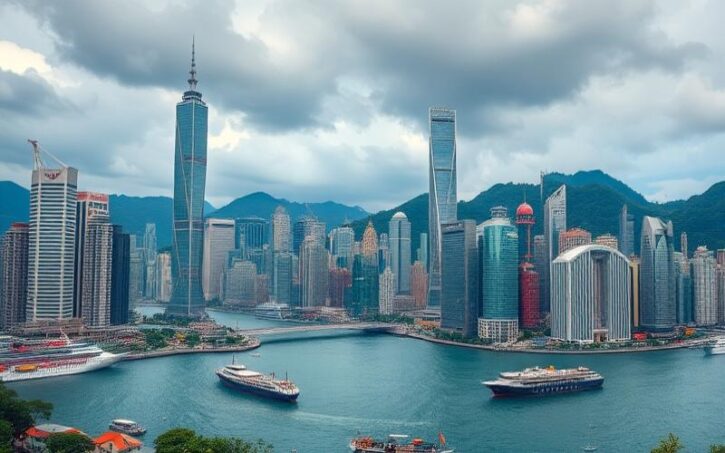
Victoria Harbour, with its iconic waters framed by the imposing urban skyline, provides an exceptional natural stage for dragon boat races that attract local spectators and international tourists alike.
Evolution and Development of Sports in Hong Kong
The evolution of Hong Kong’s sports landscape accelerated from the 1950s with the establishment of the Amateur Sports Federation & Olympic Committee of Hong Kong in 1950, marking Hong Kong’s official entry onto the international Olympic stage. Development particularly intensified between 1973 and 1997, a period characterized by rapid growth in elite sports. During this phase, Hong Kong experienced economic growth that also benefited soccer, reaching new heights in the 1970s and 1980s.
Modern Infrastructure and Club Culture
Contemporary sports infrastructure reflects Hong Kong’s ambition. A massive sports park is currently under construction on the former site of Kai Tak Airport. Once completed, the Kai Tak Sports Park will become Hong Kong’s largest sports complex, featuring a main stadium with 50,000 seats, an indoor sports center, a public sports ground, and multiple open spaces.
Sports in Hong Kong are also characterized by a “club life” culture established since the 1960s. Many clubs emerged, primarily for social reasons, creating a strong community dynamic. This tradition dates back to institutions like the Hong Kong Cricket Club, the Craigengower Cricket Club, the Kowloon Cricket Club, the Indian Recreation Club, the Chinese Recreation Club, and the South China Athletic Association. The latter, beyond soccer, contributed to the development of volleyball, basketball, table tennis, swimming, martial arts, and athletics.
Comparative Table of Major Sports
| Sport | Main Infrastructure | Major Events | Cultural Impact |
|---|---|---|---|
| Soccer | Hong Kong Stadium, Mong Kok Stadium | Hong Kong Premier League | Most popular sport since the colonial era |
| Badminton | Public sports centers, private clubs | Hong Kong Open | Accessible multi-generational practice |
| Water Sports | Victoria Harbour | Dragon boat races | Hong Kong’s first sports tradition (1849) |
Public participation in physical activities continues to grow, while elite athletes accumulate medals in international competitions. This positive dynamic reflects how Hong Kong has built a distinctive sports culture that combines historical heritage, exceptional geography, and modernity, creating an environment where residents and visitors can discover unique sports experiences in the world.
Good to Know:
The dragon boat, a strong cultural symbol, takes place annually in Victoria Harbour, while trail running offers breathtaking views from the surrounding peaks; local athletes recount how these sports are a true ode to passion and demanding endurance.
Where and How to Practice Your Favorite Sport in the City
Hong Kong offers a variety of facilities and iconic sites for practicing popular sports in an exceptional urban and natural setting.
Major Sports Venues and Facilities
| Sport | Iconic Venues / Facilities | Access / Registration | Local Clubs & Groups |
|---|---|---|---|
| Rugby | Hong Kong Stadium (Causeway Bay), Kai Tak Sports Park | Ticketing for events, some slots bookable via clubs | Hong Kong Football Club, university clubs |
| Trail Running | Dragon’s Back, Tai Mo Shan, MacLehose Trail | Free access, no reservation | HK Trail Runners, Meetup groups |
| Dragon Boat | Sai Kung, Stanley Main Beach, Sha Tin | Clubs with membership fees, seasonal registrations | Stanley Dragon Boat Association, Hong Kong China Dragon Boat Association |
| Badminton | Victoria Park, Queen Elizabeth Stadium, LCSD sports centers | Online booking (LCSD), modest fee | Local badminton clubs, HK Badminton Association |
| Beach Volleyball | Repulse Bay, Shek O, Deep Water Bay | Free access, possible reserved slots | HK Beach Volleyball Association |
Recommended Parks and Outdoor Spaces
- Victoria Park: a must for badminton (reservation required via LCSD, low hourly cost).
- Repulse Bay, Shek O, Deep Water Bay Beaches: perfect for beach volleyball and water sports.
- Hiking Trails: Dragon’s Back is accessible by public transport and very popular with trail running enthusiasts.
Access and Registration Conditions
Most public facilities (stadiums, LCSD sports centers, pools, sports fields) require a reservation via the LCSD website or on-site, often at an affordable price.
Some private complexes and university clubs require an annual or semi-annual membership.
For dragon boat, you generally need to join a club, which organizes training and provides equipment, for a fee.
Practical Tips
Avoiding Crowds: prioritize early morning slots on weekdays or late evening; on weekends, the most popular sites are very busy.
Essential Gear:
- Trail running: suitable shoes, water supply, sun protection.
- Rugby and team sports: personal equipment if not provided by the club.
- Beach sports: towel, sunscreen, change of clothes.
- Badminton: personal racket, indoor shoes.
Many clubs lend or rent equipment to new members.
Groups and Clubs for Integration
Most sports have clubs open to expats and newcomers.
Meetup and Facebook groups make it easy to find partners or teams for trail running, rugby, or dragon boat.
Universities (HKU, HKUST) also offer slots and teams open to external registration.
Getting Involved in Local Events
Participate in competitions: the Hong Kong Sevens (rugby) and the Dragon Boat Festival are major events open to participation via affiliated clubs.
Many trails, marathons, and mountain races open for individual or team registration, often several months in advance.
To stay informed, monitor official sports federation websites and local club social media.
Key Takeaways:
To fully enjoy the Hong Kong sports scene, plan your reservations, contact clubs in advance, and don’t hesitate to get involved in the community to access competitions and build social connections.
Good to Know:
To practice dragon boat, join a club like the Hong Kong Dragon Boat Association, which offers introductory sessions; remember to book in advance and avoid peak hours to fully enjoy the facilities.
Planning Your Sports Budget as an Expat in Hong Kong
Average Costs Associated with Popular Sports in Hong Kong
| Sport | Membership Fees (Club) | Equipment Cost | Transport | Insurance | Public Facilities | Private Facilities |
|---|---|---|---|---|---|---|
| Soccer | 500–2,000 HKD/year | 300–1,000 HKD | 50–200 HKD/month | 200–600 HKD/year | Free municipal fields | Contact me now to discuss your projects and start your adventure abroad with peace of mind. |
Disclaimer: The information provided on this website is for informational purposes only and does not constitute financial, legal, or professional advice. We encourage you to consult qualified experts before making any investment, real estate, or expatriation decisions. Although we strive to maintain up-to-date and accurate information, we do not guarantee the completeness, accuracy, or timeliness of the proposed content. As investment and expatriation involve risks, we disclaim any liability for potential losses or damages arising from the use of this site. Your use of this site confirms your acceptance of these terms and your understanding of the associated risks.

Cyril Jarnias is an independent expert in international wealth management with over 20 years of experience. As an expatriate himself, he is dedicated to helping individuals and business leaders build, protect, and pass on their wealth with complete peace of mind.
On his website, cyriljarnias.com, he shares his expertise on international real estate, offshore company formation, and expatriation.
Thanks to his expertise, he offers sound advice to optimize his clients' wealth management. Cyril Jarnias is also recognized for his appearances in many prestigious media outlets such as BFM Business, les Français de l’étranger, Le Figaro, Les Echos, and Mieux vivre votre argent, where he shares his knowledge and know-how in wealth management.





