
 Published on and written by Cyril Jarnias
White sand, turquoise waters, yachts gliding across the Caribbean Sea… The British Virgin Islands are the stuff of dreams. But behind the postcard image lies a territory that is sophisticated, expensive, heavily regulated, and surprisingly small, where everyone knows everything. Moving there as an expat requires thorough preparation, administratively, financially, professionally, and for your family.
This guide provides an overview of life in this archipelago, presented as a tax and nautical haven, to assess if it could match your lifestyle project.
Understanding the Territory Before Packing Your Bags
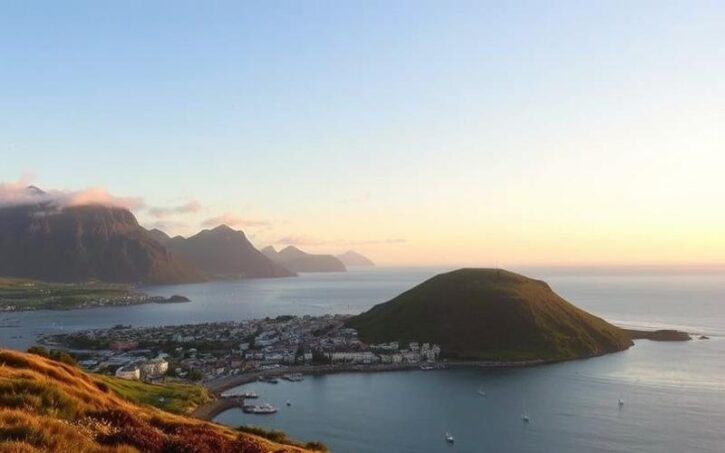
The British Virgin Islands form an archipelago of about sixty islands and islets, only about fifteen of which are inhabited. Four dominate the landscape: Tortola (home to the capital, Road Town), Virgin Gorda, Anegada, and Jost Van Dyke. Most are volcanic in origin, except Anegada, which is formed of coral and limestone, resulting in spectacular topography with steep hills, hairpin turns, and dizzying viewpoints.
The climate is tropical maritime, warm year-round, around 75 to 90 °F (24 to 32 °C), cooled by trade winds. The flip side is a genuine hurricane season from June to November, during which hurricanes remain a serious risk. The archipelago was, in fact, hard hit by Irma in 2017.
The population of the British Virgin Islands is estimated between 30,000 and 35,000 inhabitants, with the majority residing on the island of Tortola.
Culturally, there is a blend of Caribbean and British influences, with significant importance given to religion (predominantly Christian), family, and local festivals. Society is generally welcoming towards foreigners, with a diversity of nationalities (over 120 according to some data), but it is also a small world where the “coconut telegraph” – the rumor mill – travels very fast.
Before You Go: Visas, Entry, and Residency Status
Moving to the British Virgin Islands is not as simple as buying a plane ticket. The immigration framework is strict, and authorities clearly prioritize local employment. Several situations must be distinguished: short-term visit, extended stay, work, and long-term settlement.
Entry to the Territory: What You Need to Know
All travelers must present a valid passport. For a simple visit, many nationalities are visa-exempt for stays of up to one month; a one-month entry stamp is issued upon arrival. The Chief Immigration Officer can then grant a stay extension of up to six months, provided you can demonstrate sufficient financial means, accommodation, and an onward ticket.
Citizens of many countries, including Afghanistan, Algeria, India, Nigeria, Pakistan, and Russia, must obtain a visa before departure. Specific exemptions exist: citizens of mainland China (PRC) and holders of Taiwanese passports are visa-exempt for tourist or business stays of less than six months.
A third-country visa exemption also exists: nationals normally subject to a visa may enter visa-free if they hold a valid visa from the United Kingdom, United States, or Canada, for a tourist or business stay of up to six months. In this case, the passport must be valid for at least six months. Cruise ship passengers staying no longer than 24 hours are also exempt.
As of January 1, 2025, all travelers – tourists and future expats alike – must also complete an online Embarkation/Disembarkation (ED) card within 72 hours prior to arrival.
Entry, Exit, and Customs Fees
Arrival in the archipelago includes an environmental and tourism levy of 10 USD per person, payable on arrival. Upon departure, a specific fee applies: 50 USD for a flight departure (usually included in the ticket), which breaks down into a departure tax, security fee, and airport development charge, and 20 USD per ferry (15 USD for residents).
Any traveler carrying more than 10,000 USD (or its equivalent) in cash or similar instruments is required to declare it to customs authorities. Import rules are strict and notably concern plants, agricultural products, animals, certain marine and animal species, as well as weapons and ammunition. It is strictly forbidden to import or export certain marine specimens.
From Visit to Settlement: Work, Residence, Citizenship
For work, there is no ambiguity: it is illegal to hold a job with just a visitor status. Any foreigner must have a valid work permit before starting employment. The system is based on three main authorities: the Department of Labour and Workforce Development, the Department of Immigration, and the Ministry of Natural Resources and Labour.
Recruiting a foreign worker is only possible after proving that no qualified Belonger (local resident) or islander is available. This obligation, governed by the 2010 Labour Code, involves advertising the position locally for several weeks and providing supporting documents throughout the process.
The main types of work permits include: temporary permits, permanent work permits, and permits for skilled immigrants.
| Permit Type | Typical Duration | Primary Use |
|---|---|---|
| Standard (Permanent) Permit | 1 year, renewable (up to 3 years) | Long-term employment |
| Temporary Permit | Up to 30 days (or 3 months) | Short-term assignments, seasonal work |
| Emergency Permit | Max. 7 days | Urgent, one-off intervention |
| Periodic Permit | Short periods over one year | Recurring work for the same employer |
Processing an application typically takes between 4 and 12 weeks, with an official target of about 30 working days for a new permit. Fees accumulate: application processing fee, annual permit tax which can reach 1,500 USD, medical and police certificates (often 100 to 300 USD), and potentially a work visa (about 175 USD, non-refundable).
For regulated professions (healthcare, law, financial services, diving, or professional sailing), additional local certificates or registrations are required (registration with medical councils, admission to the local bar, PADI or STCW certifications, etc.).
In the long term, pathways to residency are narrow. There is no “residency by investment” program. An exemption from a work permit may be considered after 15 years of continuous presence, through marriage to a Belonger, or at the minister’s discretion. Permanent residency, via Belonger Status, remains in practice reserved for individuals with about 20 years of nearly uninterrupted legal residence, with very limited absences.
Working and Doing Business: Realities of a Tax Haven
The British Virgin Islands are globally known as an offshore financial center. They are home to more than 360,000 active companies, governed by the BVI Business Companies Act, and offer very favorable taxation for income generated outside the territory: no corporate tax, no capital gains tax, no VAT, no inheritance tax, no withholding tax. The system is territorial: what is earned outside the islands is generally not taxed locally.
Job Opportunities for Expats
In the job market, this tax haven does not mean paradise for everyone. The number of jobs truly accessible to foreigners remains limited, and the famous “sunshine tax” translates to salaries sometimes lower than those offered in major global financial centers, in exchange for the lifestyle.
Areas where expat skills are in demand include notably:
Discover the main dynamic and in-demand professional fields in the British Virgin Islands, offering varied opportunities.
Accounting, trust management, regulatory compliance, and asset management.
Doctors, nurses, midwives, and dental hygienists.
Sectors including engineering, construction, and specialized technical trades.
Hotels, restaurants, and tourism, particularly in the high-end segment.
Charter, yacht maintenance, scuba diving, and maritime activities.
Developers, IT support, cybersecurity, networks, and renewable energy.
Salaries for qualified professionals can be high in absolute terms: the general range mentioned for monthly income is from about 3,000 to 10,000 USD. However, relative to the cost of living, it’s crucial to negotiate your package carefully, especially if you have children or a very Western lifestyle.
Starting a Business: A Playground for International Companies
For entrepreneurs, company formation is a quick process, often achievable in 24 hours via a local agent, with no minimum capital requirement or nationality restrictions for directors or shareholders. A single director and a single shareholder (the same person if desired) are sufficient. Anonymity is enhanced by the fact that the list of directors and shareholders is not public, and nominee services can be used.
There are several legal forms, including:
The approximate number of active companies registered in the British Virgin Islands.
The counterpart to this ease is a sophisticated regulatory framework regarding anti-money laundering (AML), KYC procedures, economic substance, and automatic exchange of information (CRS, FATCA). Financial services are supervised by the Financial Services Commission, which imposes strict requirements on banks, management companies, corporate service providers, and other intermediaries.
To open a business or personal bank account, expect an in-depth due diligence process that can take several weeks and require proof of funds origin, a business plan, certificates of incorporation, bank reference letters, etc. Some institutions require a substantial minimum deposit (e.g., 20,000 USD, 50,000 USD, or more for certain international banks).
An important aspect for any expat entrepreneur: the fact that local taxation is almost nil does not eliminate tax obligations in your home country. Most jurisdictions now require their residents to declare foreign companies and accounts. Ignoring this point can turn a lifestyle project into a tax nightmare.
Cost of Living: Living in Paradise Comes at a Price
The comparison regularly comes up: living in Road Town would be comparable, for certain expense items, to living in Manhattan. Figures confirm that the archipelago is among the most expensive areas in the Caribbean and even exceeds, overall, the average US cost of living by over 7%.
A Realistic Monthly Budget
Overall estimates suggest, for a single expat, a monthly budget roughly between 2,300 and 4,000 USD, and between 5,000 and 7,000 USD for a family of four, excluding high-end international schooling. The details depend enormously on your housing, use of air conditioning, how you shop (imports vs. local markets), and your leisure activities.
To get a better idea, here is a synthesis of some typical price ranges for common expenses in the British Virgin Islands.
| Expense Item | Approximate Range (USD) |
|---|---|
| 1-Bedroom Apartment Rent (City Center) | 1,000 – 1,500 /month |
| 3-Bedroom Apartment Rent (City Center) | 3,000 – 3,870 /month |
| Electricity + Water (915 sq ft apartment) | 160 – 200 /month (without heavy AC use) |
| Fixed Internet | 118 – 150 /month |
| Simple Meal at a Restaurant | 16 – 25 /person |
| Dinner for Two (mid-range restaurant) | 76 – 120 |
| Private Doctor Visit (15 min) | ~ 240 |
| International Primary School | ~ 10,300 /year per child |
Grocery shopping is a significant expense, as almost all products are imported. Milk, bread, and meat cost noticeably more than in North America or continental Europe, and a basic Western shopping basket is often 30 to 40% more expensive than in the United States. Conversely, some services (local childcare, housekeeping) can remain relatively affordable.
Finding Housing: Villas, Apartments, and Rents
For an expat, renting is the norm. The offering ranges from a one-bedroom apartment on a hilltop with views of the anchorages, to luxury villas with private pools and beach access. Rents vary by island, neighborhood, view, and amenities.
Some benchmarks for common segments:
| Type of Accommodation | Typical Price Range |
|---|---|
| Nice 1-Bedroom Apartment | 800 – 1,500 USD /month |
| Nice 2-Bedroom Apartment | 1,200 – 2,000 USD /month |
| House/Villa 3 Bedrooms | 2,500 – 5,000+ USD /month |
| Large Prestige Villa | 6,000 – 10,000+ USD /month |
Expats mostly settle on Tortola (Road Town, McNamara, West End, Cane Garden Bay, Belmont Estate, Josiah’s Bay, Lambert Beach…) and on Virgin Gorda (Spanish Town, North Sound, Oil Nut Bay…). Leases of 6 to 12 months are common, with a security deposit equivalent to one month’s rent. Rentals can be very well equipped, sometimes with new appliances, pool, parking, and internet access.
Real estate purchase is open to foreigners, but it is subject to obtaining a specific license (Non-Belonger Land Holding License), which prolongs transaction times. Starting prices are around 200,000 USD for small properties and can exceed a million dollars for luxury villas with sea views. The market remains dynamic, with regular appreciation in property values.
Getting Around: A Car is Almost Mandatory, Demanding Roads
The archipelago has virtually no structured public transport. Apart from a few minibuses and taxis, which are often expensive, you rely on your own means. For an expat wanting to live and work day-to-day, a car becomes almost essential.
The vehicle fleet is mostly composed of 4x4s, suited to the narrow, hilly roads. Used car prices vary between 5,000 and 12,000 USD. Fuel costs about 1.23 to 1.33 USD per liter (approx. 4.60 USD per gallon). Driving is on the left, but vehicles with right-hand or left-hand drive are commonly seen, depending on their origin.
The roads can be dangerous: limited signage, tight bends, sometimes slippery surfaces, livestock or animals wandering on the road, reckless driving, and drunk driving remain realities. Even though the archipelago is generally safe, caution while driving is imperative, especially since emergency services do not have the same resources as in Western Europe.
Healthcare and Insurance: Plan Ahead, Especially for Serious Cases
The healthcare system combines public and private offerings. The main public hospital, Dr. D. Orlando Smith Hospital (formerly Peebles Hospital) in Road Town, provides emergency services, general surgery, obstetrics/gynecology, and pediatrics. There are also several private clinics and medical centers, notably Bougainvillea Clinic for more complex surgical procedures, as well as various facilities on Tortola, Virgin Gorda, Anegada, and Jost Van Dyke.
Public healthcare is heavily subsidized for citizens and permanent residents, but not for foreigners, who must pay for services. Most expats therefore opt for the private sector, which is more expensive but generally more comfortable, and for medical evacuation to Puerto Rico, neighboring islands, or the US mainland for specialized or serious conditions.
A short consultation with a private doctor can approach 240 USD, which fully justifies subscribing to a solid international health insurance including:
– private hospitalization ;
– coverage for care outside the BVI (US, Puerto Rico, etc.) ;
– emergency medical evacuation ;
– maternity coverage if planning a pregnancy ;
– mental health coverage, still underdeveloped locally.
Specialized insurers (Cigna Global, William Russell) offer plans adapted for expats. It is crucial to ensure your policy includes coverage in the BVI and the specific evacuation clauses.
Regarding public health, authorities remind of the presence of vector-borne diseases (dengue, chikungunya, Zika) and the importance of prevention (repellent, mosquito nets, covering clothing). Obesity, hypertension, and diabetes are common in the population, with local prevention campaigns.
In an emergency, the police coordinate rescue services (ambulances, fire department, sea rescue). 911 is used to call an ambulance, and dedicated numbers exist for maritime rescue (VISAR) and air evacuation services.
Education: A Major Consideration for Families
The British Virgin Islands take education seriously, but the legal framework clearly distinguishes between local children and expat children. The law provides for compulsory and largely free schooling for 5–17 year olds… but foreign non-Belonger children are generally not admitted to public schools. They therefore turn to private and international institutions.
The offering includes several international and bilingual schools in Road Town, such as:
– BVI International School ;
– BVI Montessori School ;
– BVI International Academy ;
– BVI International School of Languages.
The average annual cost in USD per child for an international primary school in the British Virgin Islands.
Enrollment procedures require a complete file: birth certificate, vaccination record, health certificate, previous school reports, ID photo, parents’ documents (passport, work permit or assignment letter), and sometimes entrance tests. Places are limited, and some institutions prioritize certain nationalities or profiles, so it’s necessary to plan many months in advance.
After secondary school, young islanders often study abroad, notably in the UK, USA, Canada, or at the University of the West Indies. Locally, higher education is possible through the H. Lavity Stoutt Community College and structures like the Open Campus of the University of the West Indies which offer certain programs.
For an expat family, schooling is therefore a strategic item in the expatriation contract negotiation: full or partial coverage of fees, education allowance, or even assistance with travel for higher education.
Daily Integration: Pace, Social Codes, and Safety
Living in the British Virgin Islands means accepting a slower pace, a different relationship with time, and a bureaucracy that can seem slow and nitpicky. Administrative delays, paper procedures, and waiting lines are common. Patience and politeness are essential: you greet someone before asking for something, you take the time to say good morning, good afternoon, good evening.
The dress code is conservative away from the beach. Decent attire is expected in urban areas, shops, and restaurants. Avoid swimwear, very revealing clothing, or going shirtless; such behavior is considered inappropriate and frowned upon.
Social life relies heavily on:
– clubs and associations (yacht clubs, sailing clubs, gyms, charitable associations) ;
– community and religious events ;
– beach bars, restaurants, and a few night spots, especially in Road Town ;
– nautical activities (diving, snorkeling, kayaking, fishing, sailing trips).
The “urban” entertainment offering is limited: little or no cinema (though a cineplex was under construction in Road Town), no bowling, few theaters. Those who settle here rarely do so for museum culture, but rather for the sea and nature.
The archipelago is generally safe with a low rate of violent crime. The most common offenses are petty theft and opportunistic burglaries. It is recommended to lock your home, not leave valuables in your vehicle, and avoid isolated areas at night. In an emergency, the police number is 999.
Occasional tensions or discrimination may exist, notably regarding price differences charged to expats. But overall, accounts mention a mostly welcoming population, with a well-established multicultural expat community, including an active Filipino group in several sectors.
Personal Financial Health: Banking, Insurance, Taxes
Beyond the cost of living, daily money management deserves consideration. The archipelago operates exclusively in US dollars, without exchange controls, which simplifies fund transfers. Banks are few, with a small number of local or regional commercial institutions, and a handful of banks specializing in wealth management.
Opening an account as a foreign resident requires providing:
– passport and second form of ID ;
– proof of address (utility bill, lease agreement) ;
– bank reference letters or existing bank statements ;
– for entrepreneurs: company documents, resolutions, shareholder and director registers, business plan, financial statements.
Processing times for opening a business account range from a few days to several weeks, depending on the bank, perceived risk profile, and quality of the documentation provided. A minimum deposit is often required, particularly for high-end corporate accounts. It is crucial to include recurring monthly fees in your budget forecast, such as those for account maintenance, transactions, and card issuance or usage.
On the tax front, the main attraction remains the absence of local direct taxes on most external income and gains, but this does not mean “zero tax” worldwide. Before moving, a meeting with a tax advisor in your country of citizenship (and current residence) is essential to avoid bad surprises (taxation of your BVI companies, CFC rules, reporting obligations for offshore accounts and structures, etc.).
Connectivity: Internet, Phone, Electricity
For many expats, especially remote workers and international entrepreneurs, connection quality is a key criterion. On this point, the British Virgin Islands compare favorably to other Caribbean destinations.
Providers like Flow and Digicel+ offer fiber plans up to 1 Gbps, often bundled with TV and a landline. Recent tests show average download speeds over 50 Mb/s across the archipelago, with Flow showing peaks well beyond. Plans are not cheap, but meet the needs for video conferencing and remote work.
Two main operators, FLOW and Digicel BVI, offer a well-deployed 4G LTE network on the main islands, with more variable coverage in isolated areas or at sea. Prepaid plans for 7 to 30 days, costing between 10 and 30 USD, include 1 to 10 GB of data, local minutes and SMS. An alternative for visitors or new arrivals is using international eSIMs specialized for the Caribbean region, which use these local networks.
For electricity, the BVI Electricity Corporation manages the grid. Opening a meter requires a form signed by the landlord and a licensed electrician, then a site assessment, quote generation, and finally contract signing and payment. Initial deposits are often required (around 100 USD for electricity, about 300 USD for phone according to some examples). The electricity bill is known to be high, especially with intensive AC use.
A frequent piece of advice from expats is to plan for UPS units or backup batteries. Indeed, power outages are not uncommon, especially during hurricane season or due to local grid overload.
Real Estate and Choosing an Island: Where to Settle?
Before settling, many recommend visiting several islands and neighborhoods, spending a few weeks in a seasonal rental, and talking extensively with locals and expats. Tortola offers the most services (hospital, administration, international schools, shops, banks), but also the most traffic and a certain “stress” compared to smaller islands. Virgin Gorda appeals for its more exclusive and residential feel, with very nice residences, but fewer services and often higher costs. Anegada and Jost Van Dyke, even more rural, attract those seeking a very disconnected lifestyle.
To find housing in the British Virgin Islands, you can consult local agencies like BVI Luxury Real Estate or CIRE, as well as international platforms like Airbnb or VRBO. The offering ranges from studios to full villas with staff. For a long-term stay, it is advisable to start with a furnished rental, then move after a few months once you have assessed practical criteria like commute, schools, neighborhood, exposure to the elements, and internet connection quality.
Challenges Not to Underestimate
Beyond the paradisiacal image, several difficulties regularly come up in feedback:
Island life presents several major challenges: a very high cost of living requiring comfortable income, a limited and competitive job market, often slow administrative procedures, vulnerability to hurricanes, heavy dependence on cars on a sometimes-dangerous road network, limited access to certain leisure activities, and a healthcare system adequate for basic care but limited for specialties, potentially requiring treatment abroad.
That said, those who accept these constraints and prepare for them find in the British Virgin Islands a unique quality of life: light, sea, climate, a community of sailing enthusiasts, proximity to nature, favorable taxation, political and economic stability.
Concrete Preparation: Mental Checklist
Even though each journey is different, some key preparation areas stand out:
Before settling in an offshore center, first validate the feasibility of your professional project (firm job offer or solid remote activity). Then, calculate a detailed budget for 12 to 24 months, including housing, schooling, healthcare, and a potential emergency return. Consult a tax advisor in your home country to anticipate the impacts of this move. Plan an exploratory visit of at least two to three weeks, outside typical vacation periods, to test daily life. Finally, talk to expats already on the ground, including those outside your sector, to gather frank feedback on the pros and cons.
Moving to the British Virgin Islands isn’t just relocating to the sunshine. It’s accepting a change in your relationship to time, space, work, and money, while remaining vigilant to climatic and regulatory realities. For those who make this preparation effort, however, the archipelago has solid arguments: a spectacular natural environment, a stable economy, lenient taxation, and the possibility of reconciling, at least for a time, professional life and a turquoise horizon.
Disclaimer: The information provided on this website is for informational purposes only and does not constitute financial, legal, or professional advice. We encourage you to consult qualified experts before making any investment, real estate, or expatriation decisions. Although we strive to maintain up-to-date and accurate information, we do not guarantee the completeness, accuracy, or timeliness of the proposed content. As investment and expatriation involve risks, we disclaim any liability for potential losses or damages arising from the use of this site. Your use of this site confirms your acceptance of these terms and your understanding of the associated risks.

Cyril Jarnias is an independent expert in international wealth management with over 20 years of experience. As an expatriate himself, he is dedicated to helping individuals and business leaders build, protect, and pass on their wealth with complete peace of mind.
On his website, cyriljarnias.com, he shares his expertise on international real estate, offshore company formation, and expatriation.
Thanks to his expertise, he offers sound advice to optimize his clients' wealth management. Cyril Jarnias is also recognized for his appearances in many prestigious media outlets such as BFM Business, les Français de l’étranger, Le Figaro, Les Echos, and Mieux vivre votre argent, where he shares his knowledge and know-how in wealth management.





