
 Published on and written by Cyril Jarnias
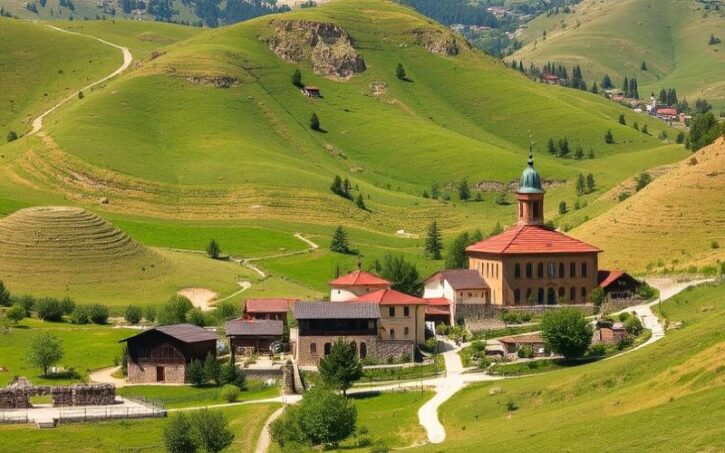
In Bulgaria, a fascinating phenomenon is emerging at the intersection of art and economy with the proliferation of artist villages, places where creativity and innovation merge in picturesque environments. This trend raises a crucial question: are they merely a cultural investment fueled by passion, or do they represent a potentially profitable venture for developers and local communities? Through an exploration of the dynamics shaping these unique spaces, this article examines the motivations, economic challenges, and socio-cultural impacts that characterize this new era of development, thereby opening the door to a debate about how art can transform our approach to urban planning and community living.
Investing in an Artist Village in Bulgaria: An Economic Analysis
Purchase and Rental Costs in Bulgarian Artist Villages
Investing in an artist village in Bulgaria presents interesting economic opportunities. The cost of purchasing or renting property in these villages is generally lower than in major Bulgarian cities. For example, while the average price of an apartment in Sofia can reach €2000/m² (excluding downtown and city center) to over €5000 per square meter, properties in rural villages can be found starting at €500/m². This significant difference makes investing in artist villages particularly attractive for cultural entrepreneurs and foreign artists.
Local Economic Development and Infrastructure
The economic development of Bulgarian artist villages varies considerably depending on their location. Some benefit from modern infrastructure and adequate transportation connections, while others require significant investment. For example, the village of Breznitsa, nicknamed “the millionaires’ village,” has 22 thriving businesses and excellent schools, demonstrating robust local economic development. However, many rural villages still lack basic infrastructure, which can pose a challenge for investors.
Return on Investment and Growth Potential
Return on investment in Bulgarian artist villages can be significant in the long term. Cultural tourism is expanding rapidly in Bulgaria, with a steady increase in visitor numbers each year. Investors can benefit from this trend by creating art galleries, workshops, or artist residencies. Additionally, property values in some rural areas have seen impressive growth. For example, in Vidin, house prices increased by 772% between 2015 and 2022, illustrating the potential for long-term capital appreciation.
Grants and Government Support
Investors in artist villages can benefit from various grants and support programs. Bulgaria has access to significant European funds, including the Recovery and Resilience Facility, which allocates €6.9 billion to the country for the period 2021-2026. These funds aim to stimulate economic development and can be used for cultural and artistic projects in rural areas.
Economic Risks to Consider
Despite the opportunities, investing in artist villages carries risks. Fluctuations in the art market can affect the profitability of galleries and workshops. Additionally, legislative changes, particularly regarding land ownership for foreigners, can impact investments. It’s important to note that foreigners can own real estate in Bulgaria, but not the land on which it stands, which can complicate certain development projects.
Bulgarian and European Economic Context
Investment in artist villages fits into the broader context of the Bulgarian economy, which is experiencing stable growth despite some challenges. Bulgaria offers one of the lowest tax rates in Europe (10% for corporations and individuals), which can be advantageous for investors. Additionally, the country benefits from a strategic position within the European Union, offering easy access to European markets while maintaining relatively low operational costs.
Good to know:
Investing in an artist village in Bulgaria typically involves lower real estate costs than in other regions of the country, representing an interesting opportunity for investors. With attractive prices, often lower than urban centers, these villages benefit from economic development prospects thanks to improving infrastructure and local initiatives boosting cultural tourism. Return on investment is amplified by the potential increase in property value and the possibility of government or European grants for cultural projects. However, economic risks should be considered, such as art market fluctuations or legislative changes that could affect long-term profitability. In a broader context, investing in these villages aligns with Bulgaria’s growth and cultural attractiveness within the European economy, providing both a cultural anchor and a promising economic opportunity.
The Rise of Artistic Communities in Bulgaria
The Rise of Artistic Communities in Bulgaria
Current cultural policies in Bulgaria have played a crucial role in supporting the development of artist villages across the country. The Ministry of Culture has established specific grant programs to encourage the creation and expansion of these creative communities. These initiatives aim to revitalize rural areas while promoting artistic innovation.
Among the key factors contributing to the increase in the number of these communities are:
- Affordable living costs in rural areas
- The natural beauty and inspiration offered by Bulgarian landscapes
- Artists’ desire to escape the fast pace of big cities
- Opportunities for collaboration and exchange between local and international artists
Examples of Thriving Artist Villages
The village of Gorna Lipnitsa, in the Veliko Tarnovo region, has recently gained attention as an emerging artistic center. This small locality has attracted artists from around the world thanks to its peaceful atmosphere and picturesque setting. Traditional Bulgarian houses have been transformed into workshops and galleries, creating a unique environment conducive to creativity.
Another notable example is the village of Kovachevitsa, nestled in the Rhodope Mountains. This historic place has become a haven for painters, sculptors, and photographers, attracted by its preserved 19th-century architecture and spectacular mountain landscapes.
Artist Testimonials
Maria Petrova, a painter based in Gorna Lipnitsa, shares her experience: “Living and working in this village has completely transformed my art. The daily interaction with other artists and immersion in nature have brought new depth to my work.”
Meanwhile, John Smith, an American sculptor residing in Kovachevitsa, states: “The artistic community here is incredibly welcoming. I’ve been able to collaborate with local artists on projects I never would have imagined before.”
Integration into Local Cultural and Economic Fabric
These artist villages integrate harmoniously into the local cultural and economic landscape. They regularly organize festivals and exhibitions that attract visitors from throughout Bulgaria and abroad, thereby stimulating the local economy. Artists often collaborate with local artisans, merging traditional techniques with contemporary approaches.
Opportunities for collaboration between Bulgarian and foreign artists are numerous. Artist residencies have been established, enabling enriching cultural exchanges. These interactions have given rise to innovative projects that blend different artistic and cultural perspectives.
Economic Impact
Recent statistics show the positive impact of these artistic communities on the local economy:
- A 15% increase in cultural tourism in regions hosting artist villages
- A 20% rise in revenue for local businesses in these areas
- The creation of 500 new direct and indirect jobs related to artistic and cultural activities
These figures highlight the viability of artist villages as cultural investments, demonstrating their ability to stimulate the local economy while enriching Bulgaria’s artistic landscape.
Good to know:
The rise of artistic communities in Bulgaria is supported by proactive cultural policies, promoting the creation of artist villages through tax incentives and dedicated grants. Villages like Gabrovo or Kovatchevitsa have recently gained attention by hosting artists from around the world, fostering exchange and artistic collaboration. Artists testify to the positive impact of these communities on their creativity, highlighting inspiration drawn from the natural setting and multicultural interactions. These villages integrate harmoniously into the local fabric, contributing to the economy through artistic tourism and workshops open to the public, connecting Bulgarian and foreign artists. Recent statistics reveal that these communities represent a significant economic lever, generating approximately 15% additional revenue in affected areas, proving their viability as cultural investments.
Renovate and Transform: The Artist Farm of the Future
Art at the Heart of the Countryside: A Rural Renaissance
The transformation of traditional farms into innovative artistic spaces represents a fascinating trend that combines heritage preservation with contemporary creativity. These visionary projects breathe new life into historic agricultural buildings while creating inspiring environments for artists. In Bulgaria, this phenomenon is gaining momentum, offering new economic and cultural perspectives for rural communities.
Harmonious Marriage Between Tradition and Innovation
Renovating a farm into an artistic space requires a delicate balance between respecting vernacular architecture and integrating modern technologies. Stone walls and wooden beams now coexist with solar panels and rainwater harvesting systems. This fusion between old and new creates unique places where art can flourish in an authentic and sustainable setting.
- Use of local and eco-friendly materials for renovation
- Installation of green technologies for energy self-sufficiency
- Design of flexible spaces adapted to artists’ needs
Inspiring Examples in Bulgaria
In the village of Gabrovo, a former dairy farm has been transformed into a dynamic contemporary art center. The stables have become bright workshops, while the barn now hosts an impressive exhibition gallery. This project has injected new energy into the region, attracting artists and visitors from around the world.
In Veliko Tarnovo, a century-old wine farm now houses an artist residency specializing in digital arts. The wine vats have been converted into immersive projection spaces, creating a fascinating dialogue between wine heritage and cutting-edge digital creation.
Economic and Cultural Impact on Local Communities
The transformation of these farms into artistic spaces generates multiple positive ripple effects for surrounding villages. The influx of artists and visitors stimulates the local economy, creating jobs in hospitality, restaurants, and services.
Beyond the economic aspect, these projects inject new cultural vitality into sometimes neglected regions. Local residents rediscover their heritage in a new light and become involved in participatory artistic initiatives.
Challenges and Opportunities of Artist Villages
The creation of these spaces often fits into a broader vision of artist village development. While the challenges are numerous (funding, accessibility, local population buy-in), the opportunities are equally significant.
These projects can become true catalysts for rural revitalization, attracting a new creative and dynamic population to areas experiencing demographic decline. They also contribute to the preservation and enhancement of local architectural heritage, while providing a platform for contemporary art expression.
Profitability and Cultural Influence: A Winning Bet?
While the initial investment can be substantial, transforming farms into artistic spaces presents interesting long-term profitability potential. Diversifying activities (residencies, exhibitions, workshops, events) allows for generating regular income while minimizing risks.
The cultural influence of these places often extends beyond national borders, attracting attention from international media and artistic institutions. This increased visibility benefits the entire region, strengthening its tourist appeal and brand image.
Art as a Driver of Ecological Transition
These artist farms of the future also play a crucial role in raising awareness about environmental issues. By integrating sustainable practices and green technologies, they become living laboratories for ecological transition.
Artists in residence are encouraged to explore these themes in their work, creating pieces that question our relationship with nature and consumption. This approach allows reaching a broad audience in a creative and engaging manner.
Good to know:
In Bulgaria, transforming a traditional farm into an innovative artistic space often involves preserving local architecture while incorporating sustainable technologies and modern artistic techniques. Notable examples include the Bansko farm, which successfully combined solar panels and artist studios, energizing the local cultural scene and boosting the economy by attracting tourists and patrons. Although these projects are appealing, they present challenges such as initial funding and the need for ongoing management to remain viable. However, with careful planning and community support, these farms can become thriving cultural hubs, adding definite economic value while enriching regional cultural heritage, and offering potential investors both cultural and financial returns.
Creative Eco-Villages: A Profitable Model for the Future
Creative Eco-Villages: A Sustainable and Innovative Economic Model
Creative eco-villages are emerging as living laboratories of sustainability, combining artistic development with economic viability. These intentional communities aim to establish a lifestyle in harmony with the environment while fostering cultural expression and creativity.
Economic and Environmental Pillars
The long-term viability of these villages rests on several pillars:
- Use of renewable energy (solar, wind, biomass) for energy self-sufficiency
- Organic agriculture and permaculture for local food production
- Cultural tourism and ecotourism as revenue sources
- Crafts and artistic production for job creation
- Circular economy and resource sharing to reduce costs
Inspiring Examples in Bulgaria and Elsewhere
In Bulgaria, the The Xperiment project in the Balkans illustrates this approach. Founded by Petto Tenchev, this eco-village under construction aims to create an ecological cultural center hosting conferences, seminars, concerts, and artistic exhibitions. The use of natural materials for renovations and the creation of an organic permaculture garden are at the heart of the project.
In other regions, initiatives like Findhorn in Scotland or Auroville in India demonstrate the economic viability of this model. These communities have developed craft activities, educational programs, and sustainable businesses that attract visitors and residents.
Essential Partnerships and Support
The longevity of these projects often depends on strategic partnerships:
- Collaborations with local businesses for distribution of craft products
- Partnerships with tour operators to develop ecotourism
- Cooperation with universities for research programs in sustainable development
- Support from international organizations promoting ecological practices
Government support, through favorable policies such as tax incentives for renewable energy or official recognition of eco-villages, can also play a crucial role.
Challenges and Solutions for a Prosperous Future
Despite their potential, these communities face challenges:
- Access to initial funding: Establishing dedicated investment funds for eco-village projects could facilitate their launch
- Integration into the local economy: Developing partnerships with local businesses and institutions to create synergies
- Community management: Training residents in participatory governance techniques and conflict resolution
- Balance between openness and preservation: Establishing clear guidelines for tourism and welcoming new members
By addressing these challenges, creative eco-villages can become models of resilient communities, combining environmental sustainability, cultural vitality, and economic prosperity. Their holistic approach offers promising perspectives for harmonious and innovative local development.
Good to know:
Creative eco-villages offer an innovative and sustainable solution by blending art and green economy, such as those in Bulgaria or similar regions. By focusing on renewable energy initiatives and organic agriculture, these villages provide attractive cultural tourism while reducing their ecological footprint. For example, Kovachevitsa in Bulgaria uses local resources to support crafts and thus attracts tourists curious to discover an authentic and sustainable culture. Partnerships with local businesses and support from favorable government policies are crucial for their longevity. However, these communities must overcome challenges such as initial funding and access to broader markets. Solutions include strengthening fair trade networks and effectively communicating their positive impact to attract funds and visitors.
Disclaimer: The information provided on this website is for informational purposes only and does not constitute financial, legal, or professional advice. We encourage you to consult qualified experts before making any investment, real estate, or expatriation decisions. Although we strive to maintain up-to-date and accurate information, we do not guarantee the completeness, accuracy, or timeliness of the proposed content. As investment and expatriation involve risks, we disclaim any liability for potential losses or damages arising from the use of this site. Your use of this site confirms your acceptance of these terms and your understanding of the associated risks.

Cyril Jarnias is an independent expert in international wealth management with over 20 years of experience. As an expatriate himself, he is dedicated to helping individuals and business leaders build, protect, and pass on their wealth with complete peace of mind.
On his website, cyriljarnias.com, he shares his expertise on international real estate, offshore company formation, and expatriation.
Thanks to his expertise, he offers sound advice to optimize his clients' wealth management. Cyril Jarnias is also recognized for his appearances in many prestigious media outlets such as BFM Business, les Français de l’étranger, Le Figaro, Les Echos, and Mieux vivre votre argent, where he shares his knowledge and know-how in wealth management.





