
 Published on and written by Cyril Jarnias
Panama, with its strategic position between North and South America, is attracting an increasing number of international real estate investors. This small Central American country offers a dynamic real estate market, particularly in its capital Panama City, but also in other sought-after coastal cities. Let’s dive into a detailed analysis of real estate prices across the country and examine upcoming trends for savvy investors.
The Panamanian Real Estate Landscape: Striking Contrasts
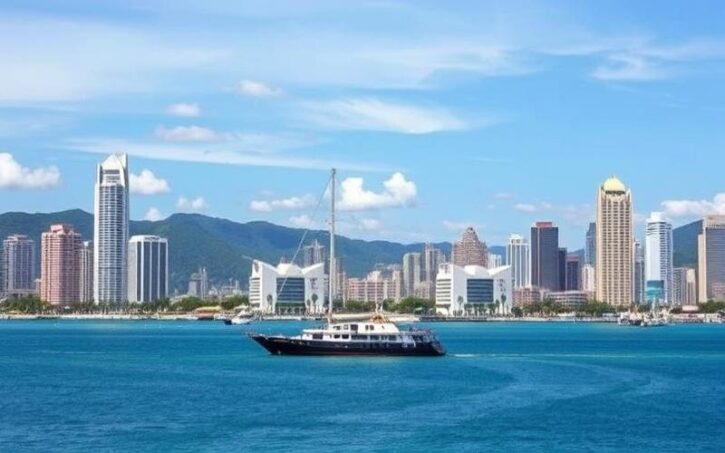
The Panamanian real estate market shows marked disparities between its different regions. Panama City, the cosmopolitan capital, stands out distinctly from the rest of the country with significantly higher prices, reflecting its status as an economic and financial center.
Panama City: The Country’s Real Estate Jewel
In the heart of Panama City, real estate prices rival those of major global metropolises. In the most sought-after neighborhoods like Punta Pacifica, Costa del Este, or Avenida Balboa, luxury apartments can reach dizzying heights. For example, a luxurious penthouse at PH Vitri in the Costa del Este neighborhood is currently listed for sale at €1,529,000, or approximately €1,451 per square meter for an impressive area of 1,054 m²[4]. This type of property offers high-end amenities with breathtaking views of the ocean and city, spacious living areas, and superior quality finishes.
For more standard properties still in desirable areas, prices typically range between €2,000 and €3,500 per square meter. These rates reflect the capital’s constant appeal to local and international investors, drawn by its economic dynamism and quality of life.
Secondary Cities: Opportunities to Seize
Moving away from the capital, real estate prices drop significantly, offering interesting opportunities for investors seeking potentially higher returns.
– David, the country’s second-largest city, has average prices ranging between €1,000 and €1,500 per square meter for mid to high-end apartments. – Colón, an important port city, displays even more affordable rates, with properties available between €700 and €1,200 per square meter. – Boquete, a beach resort popular with American retirees, sees its prices in the range of €1,200 to €2,000 per square meter for properties offering a pleasant living environment.
These considerable price differences between the capital and the rest of the country are explained by several factors: the concentration of economic activities and infrastructure in the capital, the varying tourist appeal of different regions, and the uneven level of development between urban and rural areas.
Good to Know:
The Panamanian real estate market is characterized by a strong disparity between Panama City, where prices can rival those of major global metropolises, and secondary cities that offer investment opportunities at much more affordable rates.
Factors Influencing Real Estate Prices in Panama
Several key elements contribute to shaping the Panamanian real estate landscape and influencing property prices across the country.
Economic and Tax Attractiveness
Panama enjoys a reputation as a tax haven that attracts many international investors. Although this image has been partly challenged in recent years, the country retains significant tax advantages for foreign residents and international companies. This attractiveness translates into sustained demand for luxury real estate, particularly in Panama City, pushing prices upward in certain market segments.
Tourism and the Second-Home Market
The Panamanian tourism sector, in full expansion, stimulates demand for real estate in coastal areas and mountainous regions. Cities like Boquete or Coronado see their real estate prices rise due to the influx of foreign retirees and investors seeking second homes. This trend helps diversify the real estate market beyond the capital alone.
Major Infrastructure Projects
The Panamanian government is investing heavily in infrastructure, which has a direct impact on real estate prices. The expansion of the Panama Canal, completed in 2016, for example, enhanced the appeal of certain residential areas near the new port facilities. Similarly, the development of the public transport network in Panama City, including the construction of the metro, has led to price increases in neighborhoods now better served.
The Relatively Advantageous Cost of Living
Despite high real estate prices in some areas, the overall cost of living in Panama remains attractive for many expatriates and investors. According to recent data, the cost of living in Panama is about 24% lower than in France[7]. This significant difference allows foreign buyers to consider more substantial real estate investments while maintaining comfortable purchasing power for their daily expenses.
As an example, here are some price comparisons between Panama and France:
– A meal at an inexpensive restaurant costs on average €11 in Panama, compared to about €15 in France[1]. – The average price for a mid-range apartment in Panama City is about €90 per night, which is 7% cheaper than in France[1]. – Public transportation is particularly affordable, with a single ticket costing about €0.33, which is 81% cheaper than in France[1].
These differences in the cost of living help make real estate investment in Panama attractive for foreign buyers, despite prices that may seem high in certain market segments.
Good to Know:
Panama’s economic and tax attractiveness, combined with an advantageous cost of living and significant investments in infrastructure, supports real estate demand, particularly in Panama City and popular tourist areas.
Trends and Forecasts: What Future for Panamanian Real Estate?
The Panamanian real estate market has experienced sustained growth in recent years, despite some occasional slowdowns. What are the prospects for the coming years? Let’s analyze current trends and expert forecasts.
Moderate but Stable Growth
Panamanian real estate market analysts forecast continued price growth, but at a more moderate pace than that observed over the past decade. This trend is explained by several factors:
– The country’s political and economic stability, which continues to attract foreign investors. – The ongoing development of infrastructure, particularly in transportation and energy. – The steady influx of foreign retirees seeking a pleasant and affordable living environment.
According to forecasts, residential real estate prices are expected to see an average annual increase of between 3% and 5% in the coming years. This growth is expected to be more pronounced in well-served urban areas and developing tourist regions.
Persistent Regional Disparities
Price growth will not be uniform across the country. Experts expect the regional disparities currently observed to persist, or even intensify:
– Panama City should continue to dominate the market with high prices, particularly in luxury neighborhoods and business districts. – Coastal cities like Coronado or Pedasi could see their prices rise faster than the national average, driven by tourism development and the appeal of second homes. – Rural regions and secondary cities will likely experience more modest growth, still offering opportunities for investors seeking more affordable properties.
The Potential Impact of External Factors
Several external elements could influence the evolution of the Panamanian real estate market in the coming years:
– Fluctuations in the global economy, particularly in the United States, Panama’s main economic partner. – The evolution of international tax regulations, which could affect Panama’s appeal for certain foreign investors. – Climate change and its consequences on coastal areas, which could alter the appeal of certain regions for investors.
It is important for potential investors to remain attentive to these factors and to diversify their investments to minimize risks.
Market Segments to Watch
Certain segments of the Panamanian real estate market seem particularly promising for the coming years:
– Green and sustainable real estate: with growing awareness of environmental issues, real estate projects incorporating high ecological standards are expected to gain popularity. – Senior residences: the aging of the local population and the influx of foreign retirees create growing demand for adapted housing. – Commercial real estate in developing areas: the country’s economic expansion should stimulate demand for office spaces and commercial premises, especially in booming secondary cities.
Good to Know:
Forecasts indicate moderate but stable growth in the Panamanian real estate market, with persistent regional disparities. Savvy investors should closely monitor emerging market segments like sustainable real estate and senior residences.
Tips for Investing Wisely in Panamanian Real Estate
To get the most out of the Panamanian real estate market, here are some essential recommendations to consider:
Choose Your Location Well
Location remains the number one criterion for a successful real estate investment in Panama. Here are some points to consider:
– In Panama City, the neighborhoods of Punta Pacifica, Costa del Este, and Avenida Balboa remain safe bets for luxury real estate. – For more affordable but promising investments, look towards developing areas like Juan Díaz or Tocumen, which benefit from the city’s expansion. – In coastal regions, Coronado and Pedasi offer good potential for second homes and seasonal rentals.
Diversify Your Portfolio
Don’t put all your eggs in one basket. Consider diversifying your investments between:
– Residential real estate for long-term rental – Properties intended for seasonal rental in tourist areas – Commercial real estate in economically developing areas
This approach will allow you to spread risks and benefit from different market dynamics.
Stay Informed of Regulatory Developments
The legal and tax framework in Panama can evolve quickly. It is crucial to:
– Regularly consult a local lawyer specialized in real estate law – Keep up to date with changes in regulations concerning foreign investors – Be vigilant about tax developments that could impact the profitability of your investments
Consider Additional Costs
Beyond the purchase price, don’t forget to take into account:
– Notary and registration fees, which can represent about 2 to 3% of the purchase price – Annual property taxes, generally moderate in Panama but variable by area – Management fees if you opt for rental, which can range between 8 and 12% of rental income
Anticipate Future Trends
To maximize your return on investment, try to anticipate market developments:
– Invest in areas benefiting from major infrastructure projects (new metro lines, port developments, etc.) – Consider real estate properties incorporating green technologies, which are gaining popularity – Monitor urban development projects that could enhance certain neighborhoods in the coming years
Good to Know:
A successful real estate investment in Panama requires good knowledge of the local market, judicious diversification, and particular attention to legal and tax aspects. The key to success lies in a well-informed and strategic approach.
Conclusion: Panama, A Dynamic Real Estate Market with Many Facets
The Panamanian real estate market offers a range of opportunities for savvy investors. From the real estate frenzy of Panama City to the more measured developments of secondary cities, and the growing appeal of coastal areas, the country presents a diverse and dynamic real estate landscape.
Prices, although high in certain market segments, remain globally competitive compared to other sought-after international destinations. With a cost of living about 24% lower than in France[7], Panama retains a definite advantage for foreign investors.
The prospects for moderate but stable market growth, coupled with the government’s ongoing efforts to improve infrastructure and attract foreign investment, bode well for the future of Panamanian real estate.
However, as with any international investment, it is crucial to research well, diversify assets, and remain attentive to market and regulatory developments. With a prudent and well-informed approach, Panama can offer interesting real estate opportunities, whether for a rental investment, a second home, or a retirement project in the tropics.
Disclaimer: The information provided on this website is for informational purposes only and does not constitute financial, legal, or professional advice. We encourage you to consult qualified experts before making any investment, real estate, or expatriation decisions. Although we strive to maintain up-to-date and accurate information, we do not guarantee the completeness, accuracy, or timeliness of the proposed content. As investment and expatriation involve risks, we disclaim any liability for potential losses or damages arising from the use of this site. Your use of this site confirms your acceptance of these terms and your understanding of the associated risks.

Cyril Jarnias is an independent expert in international wealth management with over 20 years of experience. As an expatriate himself, he is dedicated to helping individuals and business leaders build, protect, and pass on their wealth with complete peace of mind.
On his website, cyriljarnias.com, he shares his expertise on international real estate, offshore company formation, and expatriation.
Thanks to his expertise, he offers sound advice to optimize his clients' wealth management. Cyril Jarnias is also recognized for his appearances in many prestigious media outlets such as BFM Business, les Français de l’étranger, Le Figaro, Les Echos, and Mieux vivre votre argent, where he shares his knowledge and know-how in wealth management.





