
 Published on and written by Cyril Jarnias
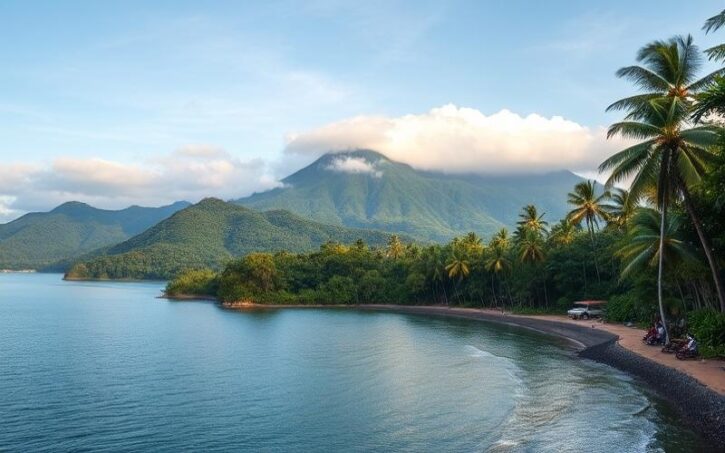
Nestled Between the Pacific Ocean and the Caribbean Sea
Costa Rica stands out as a premier destination for second home acquisitions, attracting a growing number of international investors seeking tropical paradise and profitability.
Renowned for its exceptional biodiversity and commitment to sustainable development, this Central American country captivates with its unique natural setting and enviable quality of life.
Foreign buyers, particularly Americans and Europeans, are drawn to Costa Rica’s political stability and promising opportunities in the local real estate market, supported by welcoming legislation.
This growing appeal for Costa Rica paves the way for new perspectives, both for economic development and personal investments in a paradisiacal living environment.
Reasons to Invest in a Second Home in Costa Rica
Tax Benefits for Foreign Investors in Costa Rica
- Exemption from customs duties and taxes on imported equipment for businesses established in Free Trade Zones.
- Reduction or exemption from profit tax for companies meeting certain investment and job creation criteria.
- Foreign retirees benefiting from “pensionado” status enjoy tax facilities on personal goods imports.
- No wealth tax and no exchange controls, facilitating profit repatriation.
Economic and Political Stability
- Costa Rica is recognized as one of Latin America’s most stable democracies, nicknamed “the Switzerland of Central America.”
- The country shows sustained economic growth (approximately 4% per year), high foreign exchange reserves, and a stable currency.
- Since 1949, the abolition of the army has allowed national resources to be dedicated to education, health, and environmental protection.
- The political environment remains predictable and safe for investors, despite the absence of a presidential majority in parliament.
Landscape Diversity
- Paradisiacal beaches on the Pacific and Caribbean coasts, renowned for surfing, diving, and water sports.
- Lush tropical forests housing exceptional biodiversity, ideal for ecotourism and adventure.
- Volcanoes, mountains, and green valleys offering spectacular panoramas and microclimates appreciated by expatriates.
- Dynamic urban areas like San José, combining modernity and traditions.
| Landscape | Main Attractions |
|---|---|
| Beaches | Surfing, diving, sunbathing, turtle watching |
| Tropical Forests | Hiking, biodiversity, wildlife observation |
| Volcanoes and Mountains | Trekking, hot springs, panoramic views |
| Cities and Valleys | Culture, gastronomy, modern services |
Real Estate Market Boom and Connection to Tourism
- International tourism, experiencing strong growth, generates increased demand for seasonal rentals of second homes, villas, and apartments by the sea or in nature.
- Investors benefit from high occupancy rates during peak season and attractive rental income.
- Prices remain competitive compared to other tropical destinations, with good long-term appreciation prospects.
Modern Infrastructure Facilitating Owners’ Lives
- Access to high-speed internet, modern banking services, and quality international healthcare.
- Development of road and airport infrastructure facilitating travel within the country.
- Presence of specialized services for rental management, property maintenance, and administrative support, even for non-residents.
Investor Testimonials
“I invested in a villa in Tamarindo three years ago. The rental profitability exceeds my expectations, with over 70% annual occupancy. The purchase process was transparent and secure.”
Jean-Pierre, French investor
“What seduced me was the country’s security and quality of life. The infrastructure is excellent, and the advantageous taxation allowed me to maximize my rental income.”
Maria, Spanish retiree
“I was able to buy a house by the sea and enjoy an exceptional natural environment. The appreciation since my purchase is already significant thanks to the tourism boom.”
Luca, Italian investor
Key Points to Remember:
- Attractive taxation, political stability, and economic growth.
- Varied landscapes, strong tourist appeal.
- Dynamic real estate market, modern infrastructure.
- Positive experiences and confirmed profitability by investors.
Good to Know:
Investing in a second home in Costa Rica offers numerous advantages, particularly in terms of taxation, with attractive incentives for foreign investors, such as capital gains tax exemption. The country’s economic and political stability provides a secure framework for sustainable investment, reinforced by its diverse landscapes ranging from paradisiacal beaches to tropical forests, attracting both vacationers and investors. The real estate market is booming, supported by continuous tourism growth and modern infrastructure like roads and quality healthcare services that facilitate owners’ daily lives. Many investors testify to their project’s profitability, mentioning steady property appreciation and strong seasonal rental demand, confirming Costa Rica as an ideal destination for a second home.
The Best Places to Acquire a Second Home in Costa Rica
Comparative Table of Main Regions for Acquiring a Second Home in Costa Rica
| Region | Main Assets | Amenities & Infrastructure | Expat Community | Security | Price Range | Real Estate Growth Potential |
| Tamarindo (Guanacaste) | Magnificent beaches, surfing, vibrant nightlife, numerous water activities. | International supermarkets, private schools, basic medical services. | Very significant | Good | High: villas from $350,000, condos from $250,000. | Strong, stable tourist demand |
| Santa Teresa (Puntarenas) | World-renowned surfing, bohemian and relaxed atmosphere. | Developing infrastructure (sometimes difficult roads), local businesses. | Growing | Average to good | Villas from $400,000, studios/condos around $200-300,000. | Rapid growth linked to tourism |
| Atenas (Central Valley) | Temperate climate reputed as “world’s best climate,” proximity to San José and international airport. | Good hospitals within 40 min., modern supermarkets. | Many North American expats | Good | Condos/villas from $180,000–$300,000 | Solid potential due to residential appeal |
| Escazú/Santa Ana (San José) | Proximity to capital and high-end shopping centers; excellent medical services; international schools. | Modern shopping centers; optimal road access; renowned private hospitals. | Strong | Very good | Apartments/villas: from $220,000 to several million depending on standard. | Sustained growth and local market stability |
| Puerto Viejo (Caribbean/Limón) | Unique Caribbean style, wild beaches famous for surfing/yoga/Afro-Caribbean culture. | Varied local businesses but few international brands. | Alternative/diverse community | Average | More affordable prices: houses between $150,000–$350,000. | Rising popularity especially among young investors |
| Southern Pacific Zone (Uvita/Dominical/Ojochal) | Pristine nature; eco-tourism/high-end retreat orientation; tranquility. | Still limited infrastructure but improving rapidly. | Growing presence of European/North American expatriates | Good | Eco-luxury villas around $300,000–$600,000, land opportunities. Simple houses possible around $200,000. | Strong long-term potential with arrival of new projects |
Key Points by Region
- Tamarindo attracts for its year-round accessible beaches and large international community.
- Santa Teresa appeals to surfing enthusiasts seeking an authentic village spirit.
- Atenas combines pleasant year-round climate and easy access to urban amenities.
- Escazú/Santa Ana offer the country’s best medical/educational infrastructure with a modern urban environment.
- Puerto Viejo offers a more alternative atmosphere on the Caribbean coast with prices often lower than the Pacific.
- The southern Pacific zone stands out for its future appreciation potential linked to sustainable tourism.
Factors Influencing Purchase Decision
Access to Amenities
- Regions near San José or very touristy generally have the best medical/commercial infrastructure.
Security
- Popular residential neighborhoods like Escazú or Atenas are recognized for their enhanced security.
Expat Community
- It facilitates social integration as well as the availability of certain services adapted to international needs.
Real Estate Price Variations
- The northwestern Pacific coast shows the highest prices while the center of the country or Caribbean coast remain more affordable.
Expected Growth
- Guanacaste maintains strong appeal thanks to continuous tourist dynamism.
- Central Valley remains stable due to its quality of life sought particularly by foreign retirees.
- The southern Pacific is beginning to attract more due to development focused on wellness/eco-tourism.
To Remember
To choose an ideal location according to your personal expectations — lively beach style vs rural calm; accessibility vs exclusivity; rental investment vs peaceful retirement — it’s essential to evaluate each region from the angle of available amenities today…and future potential!
Good to Know:
For second home buyers in Costa Rica, Tamarindo and Santa Teresa remain popular choices thanks to their splendid beaches, relaxed atmosphere, and numerous water activities. The central valley, particularly Atenas, offers a pleasant climate and is within reasonable distance from San José, facilitating access to urban amenities. The Guanacaste region is renowned for its natural beauty, lush landscapes, and peaceful atmosphere, attracting many families and expatriates. Although prices vary considerably by location, real estate growth potential remains interesting, especially in coastal areas where demand continues to increase. Future buyers must also consider available infrastructure, road quality, communication networks, as well as security and surrounding community to ensure a successful investment.
Practical Guide for Investing in a Second Home in Costa Rica
Overview of Current Real Estate Market in Costa Rica
The Costa Rican real estate market in 2025 is characterized by a notable drop in single-family home prices, with a median sold price of $568,303 (representing a decrease of nearly 31% year-over-year). This correction makes property access more affordable, while sales volume progresses (+43%), indicating sustained demand. Supply is expanding, with increased available listings and a significantly reduced average selling time, reflecting a more competitive market.
However, some regions experience upward price pressure, particularly in tourist coastal areas like Guanacaste and the central Pacific coast. Tourism development and land scarcity in these sectors contribute to maintaining their appeal and appreciation potential.
| Key Indicator | Value/Evolution (February 2025) |
|---|---|
| Median House Price | $568,303 (-30.79% year-over-year) |
| Sales Volume | +43% |
| Average Selling Time | -40% (354 days) |
| Available Inventory | +15% |
Main Motivations for Buying a Second Home in Costa Rica
- Pleasant year-round climate: Mild temperatures and well-marked seasons.
- Exceptional biodiversity: National parks, paradisiacal beaches, tropical forests.
- Relaxed lifestyle: “Pura vida” atmosphere, relative security, and warm welcome.
- Attractive taxation for certain investor or retiree profiles.
- Varied outdoor activity possibilities: surfing, hiking, diving…
Main sought-after advantages:
- Proximity to beach/mountains
- Active international communities
- Modern medical services
Practical Tips for the Purchase Process
- Select the ideal location
- Tourist coastal areas (Tamarindo, Nosara…), Central Valley (Escazú…), peaceful rural areas or near international airports according to your priorities.
- Available property types
- Seaside villas
- Traditional houses (“casas”)
- Secure condominiums
- Ecological lodges/jungle retreats
- Legal aspects to consider
- Foreigners can freely purchase outside restricted maritime zone (“concession zone”), but it’s crucial:
- To verify the land title with the National Registry,
- To ensure no debt or dispute affects the property,
- To obtain all necessary environmental permits if construction planned,
- To understand particular rules concerning properties located in the “maritime-terrestrial zone” (first coastal line).
- Foreigners can freely purchase outside restricted maritime zone (“concession zone”), but it’s crucial:
- Work with local professionals
- Licensed real estate agent specialized in your target sector;
- Lawyer specialized in Costa Rican real estate law: indispensable for legal audit of property (“due diligence”) and support during notarial transfer;
- Local public notary.
Additional tips:
- Plan for certified translation if you don’t master legal Spanish.
Financing & Loan Options for Foreigners
Local bank financing remains limited for non-residents; however, some solutions exist:
- Mortgage loan via certain local banks under strict conditions (high down payment required).
- Bank credit in your country of origin backed by your existing assets.
- Direct financing by the seller (“seller financing”) negotiable during purchase – common solution locally.
It’s recommended for foreign investors:
- to have most of the necessary capital, as accessing local credit remains complex without residential status or solid Costa Rican banking history.
Effective Management After Acquisition
To maximize rental yield or preserve your investment:
- Mandate a local agency specialized in seasonal rental management;
- Multilingual publication on international platforms;
- Rigorous tenant selection;
- Complete administrative follow-up;
- Regular maintenance ensured by qualified local providers;
- Cleaning between rentals
- Periodic technical checks
- Security:
- Install alarm systems/connected camera if prolonged absence;
- Use an all-in-one “property management” service including preventive maintenance and administrative management.
Good to Know:
Investing in a second home in Costa Rica now offers more opportunities thanks to recent price corrections but requires increased legal rigor and solid professional support to avoid administrative pitfalls or disappointments linked to local specificities.
Profitability Potential of Second Homes in Costa Rica
The Costa Rican real estate market shows strong dynamism in 2025, supported by tourism growth, political stability, and growing interest from international investors. Prices in coastal and tourist regions are expected to record increases reaching 8% over the year, particularly for properties located by the sea or in areas with strong natural appeal.
Most Sought-After Destinations by Investors
- Guanacaste (Tamarindo, Nosara)
- Nicoya
- Papagayo
- Escazú (high-end urban region)
- Southern Zone (Dominical, Ojochal)
- Caribbean (in full development thanks to new infrastructure)
| Region | Main Assets | Average Price/m²* |
|---|---|---|
| Guanacaste | Popular beaches, proximity to airports | $2,500 – $4,000 |
| Papagayo | Exclusive luxury | > $4,500 |
| Nosara | Surfing/eco-tourism | $3,000 – $4,200 |
| Escazú/Santa Ana | International urban life | $2,800 – $3,500 |
*Prices vary according to property type and distance to beach.
Factors Influencing Profitability
International tourism: Costa Rica welcomed over two million tourists in 2024. Seasonal rental demand remains very strong.
Digital nomadism: The rise of remote work attracts clientele seeking medium to long-term rentals near high-performance internet infrastructure.
Average occupancy rate: In popular beach areas like Tamarindo or Santa Teresa, annual occupancy rate often exceeds 70–80%, especially during peak tourist season.
Temporary rental preferences:
- Villas with pool/garden for families or groups
- Secure condos near beaches for couples/seniors
Summary list of advantages:
- Attractive taxation for non-residents
- Digital nomad visa law facilitating temporary installation
- Dynamic market driven by constant influx of expatriates
Costs Related to Purchase and Maintenance
Main initial costs:
- Legal/transaction fees: approx. 1–2% of total amount
- Land registration fee: ~1.5%
- Real estate agency commission: up to 5%
Recurring costs:
- Annual property tax: approx. 0.25% of declared fiscal value
- Condominium fees (condos): variable ($150–$400/month)
- Optional home insurance
Other considerations:
Additional fees may apply if investing in a maritime zone (“zona marítimo-terrestre”), which requires a specific renewable lease every twenty years.
Tax Regulation Affecting Yield
Rental income is taxable in Costa Rica but often benefits from standard deductions on certain expenses and work; however, it’s appropriate to declare this income locally if you regularly rent your property. Tax treaties exist to avoid certain cases of double taxation according to your main tax country.
Summary regulatory list:
- Low property tax compared to North American/European standards
- Possibility of local tax deductions on rental income after adequate declaration
- Attractive schemes for retirees/foreign investors
International Comparison
| Country | Short-term Rental Occupancy Rate (%) | Estimated Gross Yield (%) | Local Taxation |
|---|---|---|---|
| Costa Rica | 70–80 | 6–10 | Low/moderate |
| Spain (Costa del Sol) | ~60 | 4–7 | Moderate |
| Portugal (Algarve) | ~65 | 5–8 | Moderate/advantageous non-resident |
| Florida | ~75 | ~6 | ~moderate-high |
Case Study/Testimonials
“I bought a condo near Manuel Antonio National Park in early 2023; my occupancy rate exceeded my expectations from the first year with nearly nine months rented thanks to Airbnb/VRBO platforms. After deducting current expenses and moderate local taxes, my net yield approaches eight percent annually.” (French owner)
“We invested in an ecological villa around Nosara via a local cooperative; our clientele is mostly composed of US/EU remote workers who stay several weeks even months.” (Belgian expatriate couple)
The Costa Rican market therefore currently offers among the most attractive international prospects in combined terms — continuous growth of premium/natural tourism, relative legal/fiscal stability and technological dynamism — while still showing a favorable price/profitability ratio compared to traditional European or North American secondary markets.
Good to Know:
With a booming tourism sector attracting over three million visitors per year, Costa Rica offers attractive opportunities for second home investors, particularly in popular destinations like Tamarindo, Jacó, or Manuel Antonio. Properties located near beaches or national parks show high occupancy rates, often above 70%, thus boosting their profitability. Tenant preferences include ecological options and modern amenities, favoring well-equipped properties. However, buyers must account for high maintenance costs linked to tropical climate, as well as tax regulations, notably an annual tax on property value. Compared to other markets like Mexico or the Caribbean, Costa Rica offers relatively competitive purchase prices. Case studies show that well-managed, these properties can generate a gross annual yield of 6 to 8%, making them a lucrative option for savvy investors.
Disclaimer: The information provided on this website is for informational purposes only and does not constitute financial, legal, or professional advice. We encourage you to consult qualified experts before making any investment, real estate, or expatriation decisions. Although we strive to maintain up-to-date and accurate information, we do not guarantee the completeness, accuracy, or timeliness of the proposed content. As investment and expatriation involve risks, we disclaim any liability for potential losses or damages arising from the use of this site. Your use of this site confirms your acceptance of these terms and your understanding of the associated risks.

Cyril Jarnias is an independent expert in international wealth management with over 20 years of experience. As an expatriate himself, he is dedicated to helping individuals and business leaders build, protect, and pass on their wealth with complete peace of mind.
On his website, cyriljarnias.com, he shares his expertise on international real estate, offshore company formation, and expatriation.
Thanks to his expertise, he offers sound advice to optimize his clients' wealth management. Cyril Jarnias is also recognized for his appearances in many prestigious media outlets such as BFM Business, les Français de l’étranger, Le Figaro, Les Echos, and Mieux vivre votre argent, where he shares his knowledge and know-how in wealth management.





