
 Published on and written by Cyril Jarnias
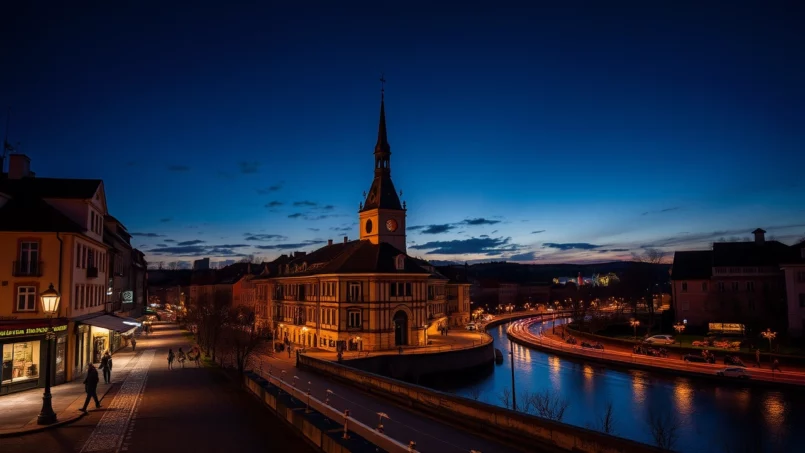
Slovenia may be a small country, but its nightlife is anything but timid. From the trendy bars of Ljubljana and the wine cellars of Maribor, to the seaside evenings in Piran and Portorož, and the festivals that animate the entire country, Slovenian nights offer a very special blend of partying, culture, and Mediterranean charm. The country is considered one of the safest in Europe, English is widely spoken, and prices remain generally milder than in the major capitals of Western Europe.
Slovenian nightlife is dynamic in several cities: Ljubljana and Maribor are the main hubs, while the coast (Piran, Portorož, Koper) also offers options for a night out. Enthusiasts can find venues dedicated to wine, concerts, and late-night gastronomy.
Ljubljana by Night: Cocktails, Clubs, and Alternative Culture
Ljubljana, the compact and highly walkable capital, concentrates the country’s richest nightlife offerings. The city is known for being one of the safest capitals in Europe, contributing to a relaxed atmosphere, even for solo female travelers.
In the evening, locals often start with pre-drinks between 9 PM and 10 PM, at home, in a park like Zvezda Park, or on a terrace along the Ljubljanica River. Around midnight, students head to the clubs, which rarely close before 4 or 5 AM, while most bars close their doors around midnight or 1 AM.
Iconic Bars and Pubs in the City Center
The historic center, along the river and in the alleys near Prešeren Square (Prešernov trg), concentrates a mosaic of very different bars, often with no cover charge, which facilitates bar-hopping.
Among the must-visits, several establishments stand out for their atmosphere or specialty:
| Venue | Type of Venue | Main Feature |
|---|---|---|
| Captain’s Cabin | Cocktail Bar | Nautical theme, >100 cocktails, 2-for-1 offers, karaoke |
| Parlament Pub | Student Bar | Cheap drinks, DJ, dancefloor, no cover charge |
| Harat’s Pub | Irish Pub | ~20 beers on tap, concerts, sports screens |
| Holidays’ Pub | Historic Bar | Open since 1992, karaoke, >50 whiskies, >100 beers |
| Sir William’s Pub | Beer Pub | >160 beers, tasting events, large screen |
| Lajbah | Craft Beer Pub | 23 beers on tap, ~130 bottled beers, Tap Takeover nights |
| Dvorni Bar | Wine Bar | >100 wines, 200-year-old cellar, wine events |
| Wine Bar Šuklje | Wine Bar | ~450 labels, Vino Music Mood concept |
| Pritličje | Cultural Cafe-Bar | Debates, concerts, DJ, only comic book store in the city center |
| Prulček Bar | Alternative Cultural Venue | Daily concerts, recycled decor, jazz/rock/world music vibe |
Captain’s Cabin embodies the playful side of Ljubljana’s nightlife quite well. Tucked away in a narrow alley in the old town, this pirate-themed bar offers over a hundred cocktails and around thirty beers, a two-cocktails-for-the-price-of-one promotion, karaoke, and musical nights until late (3 AM). The detail that sums up the vibe: free popcorn on weekends.
For tight budgets and student parties, Parlament Pub plays a central role. Located near the Slovenian Parliament, it combines low prices, a DJ, a dance floor, and international nights frequented by a young clientele. No cover charge, making it a natural rallying point.
To discover the Slovenian beer scene, two establishments are recommended. Lajbah offers 23 craft beers on tap from local and international microbreweries, as well as around 130 bottled references. It enlivens the community with monthly “Tap Takeovers” and tastings. Sir William’s Pub offers a selection of over 160 beers, including Slovenian brands like Human Fish, and organizes themed evenings and tastings on the last Monday of each month.
On the wine side, Dvorni Bar and Wine Bar Šuklje offer a very broad panorama of Slovenian production, relying on impressive cellars. Dvorni Bar, with its 200-year-old bookable cellar and over 100 wines in stock, regularly organizes evenings with winemakers. Wine Bar Šuklje, set in a bourgeois villa by the river, takes the concept further with an original system that pairs each wine with a “musical mood” (Vino Music Mood) to guide customer choices.
For a more cultural evening, Pritličje and Prulček Bar embody the capital’s alternative and engaged scene. The first, adjacent to the town hall, mixes a cafe, bar, debate space, concerts, and a comic book store. The second, on the edge of the center, offers a daily program of concerts, exhibitions, theater, or workshops, in a decor crafted from recycled materials.
Design Cocktails and Trendy Terraces
Ljubljana has also made a name for itself with some very well-crafted cocktail bars, where people come as much for the decor as for the drink.
Kolibri Cocktail Bar, opened in 2017 in the old town, won an interior design award (BIG SEE Interior Design Award) for its hospitality design. Cocktails here cost between 9 and 11 euros, in an intimate setting, sometimes enlivened by a pianist or a small jazz group on Fridays and Saturdays.
AS Aperitivo, hidden in a courtyard a stone’s throw from Prešeren Square, plays the chic Mediterranean card: a large open-air terrace in summer, an Italian head bartender, regular DJs, and a menu mixing cocktails and Mediterranean-inspired cuisine. It’s typically the kind of place where you start with a reimagined Spritz at sunset before drifting into a long dinner.
Makalonca is a bar set in a former quay designed by architect Jože Plečnik on the Ljubljanica, transformed about 50 years ago. It combines architectural heritage with a riverside tavern vibe, offering a house beer from the Mali Grad microbrewery, a summer garden, a winter garden, concerts, DJ sets, sports broadcasts, and space for private parties.
Live Music Scene, Clubs, and Alternative Metropolis
Ljubljana’s nightlife isn’t limited to drinks. The city has a particularly active live music scene, with iconic venues for rock, jazz, world music, or electronic music.
Metelkova Mesto, housed in former military barracks that were squatted and then transformed into an autonomous cultural center, is probably the most talked-about address. On the program: several clubs playing punk, reggae, metal, or electronic music, wall murals, concerts, queer parties, and programming deliberately off the beaten track. Places like Jalla Jalla, within the complex, organize concerts, workshops, free events, and vegan meals offered every Friday as part of the Food not Bombs movement.
Other venues structure the musical programming:
| Venue / Neighborhood | Musical Specialty / Function |
|---|---|
| Cvetličarna (The Flower Shop) | Large hall, rock, pop, electro, international artists |
| Kino Šiška | Urban culture center, indie, rock, punk, dance, exhibitions |
| Orto Bar | Rock temple, Orto Fest in April |
| Prulček Bar | Daily concerts, jazz, blues, rock, world |
| Jazz Club Gajo | Old jazz club, jam sessions on Mondays |
| Sax Pub | Bar/hostel in Trnovo, occasional concerts, summer garden |
| Soho Ljubljana | Jazz, blues, soul in a cozy setting |
| Ljubljana Castle Jazz Club | Jazz in the “Rock Hall”, entry via funicular |
Kino Šiška, for example, has become a pillar of urban culture since it took over a renovated former cinema. You’ll find punk or indie concerts there as well as contemporary dance performances or exhibitions. Cvetličarna, more oriented towards big concerts, hosts electro, rock, or pop parties in a space designed for sound immersion.
More “classic” clubs are also plentiful. Cirkus Club, K4 (techno reference), Shooters Club, Square Club, or the club version of Cvetličarna make up a landscape where every crowd finds its niche, from commercial pop to techno and reggaeton. Cover charges are generally around 8 to 15 euros with a drink included, VIP tables mainly requiring a minimum spend in the big clubs.
For those who prefer a quieter evening but with a view, some rooftops also have something to say, like B Bar, at the top of the InterContinental, which offers a 360-degree panoramic view of the city and focuses on cocktails sometimes inspired by Slovenian beekeeping.
B Bar, at the top of the InterContinental
Pub Crawls, Tastings, and Nighttime Experiences
Ljubljana lends itself well to organized experiences, especially for travelers who want to socialize easily or better understand local culture.
Several activities take place in the evening:
– structured pub crawls, often starting in a pub like England Pub and moving through bars with included shots, games, karaoke, and free club entry;
– Slovenian wine tastings in old cellars, with seven wines served, accompanied by snacks and educational games around the “5 S’s” of tasting;
– cruises on the Ljubljanica with tastings of local craft beers (tours like BEER WAY, with four beers from Slovenian microbreweries);
– distillery visits, like Broken Bones Distillery, where you discover gins, whisky, vodka, brandy, before moving on to tasting and cocktails.
These experiences take advantage of the richness of the drinking culture in Slovenia. The country produces about 90 million liters of wine per year, mainly white, and most is consumed locally. Three major wine regions – Primorska, Podravje, Posavje – share over 28,000 vineyards and about fifty grape varieties. To this add industrial beers (Laško, Union) and a very dynamic craft scene, with breweries like Human Fish, Pelicon, Bevog, Mali Grad, or Green Gold Brewing.
Eating After Midnight in Ljubljana
A particularity of the capital: the high-end dining scene pauses late at night, but the land of the burek doesn’t abandon night owls. Around the train station and in the center, several fast-food spots stay open very late, sometimes 24/7.
| Place | Specialty | Typical Hours |
|---|---|---|
| Burek Olimpija | Burek (since 1979) | 24/7 |
| Ajda | Burek, jufka | 24/7, near Shooters Club |
| Nobel Burek | Burek | 24/7, near Parlament and the train station |
| Surf’n Fries | Fries, nuggets | 10 PM – 4 AM |
| Šeherezada | Kebab, falafel | Well after midnight on Trubarjeva Street |
| Abi Falafel | Arabic cuisine | Until 1 AM (Thu–Sat) |
Between clubs, you can quickly find yourself with a piping hot slice of burek (cheese, meat, spinach, potato, or even “pizza”) for less than 3 euros, a kebab with spicy sauce, or a cone of fries dripping with sauce. A classic of Ljubljana nights.
Maribor: Wine, Students, and Evenings Along the Drava
The country’s second city, Maribor offers nightlife that’s less international than Ljubljana’s, but just as vibrant, especially thanks to its student population and winemaking tradition.
The heart of the night is split between the historic center, the Lent quarter along the Drava River, and the university area. Poštna ulica, a pedestrian alley with a party street vibe, transforms every summer into an open-air stage, with a platform and musical programming from May to October.
Student Clubs, Alternative Rock, and Pubs
Maribor is a city where it’s easy to start the evening in a cafe or pub, before migrating to clubs.
Among the venues that structure the night:
| Venue | Type of Venue | Feature |
|---|---|---|
| Štuk | Student Cultural Center | Multi-room, techno, house, concerts |
| Club Trust | Electro Club | House, techno, underground vibe |
| Dvorana Gustaf | Alternative Club | Alternative music, in the Pekarna complex |
| Klub MC Pekarna | Cultural Club | Concerts, DJs, artistic events |
| Jazz Club Satchmo | Jazz/Blues Club | Live jazz, blues, funk stage |
| Klub Podroom | Balkan Club | Balkan music |
| Niagara (Lent) | Music Bar | Concerts, shisha, Drava riverside |
Štuk, for example, functions as a real student hub with several rooms, themed parties, concerts, and electro nights. Dvorana Gustaf and Klub MC Pekarna, integrated into the Pekarna cultural complex, host the most alternative currents: punk, experimental, performances, exhibitions.
Wine Bars, Rooftops, and Late-Night Dining
Since Maribor is also the city of the oldest productive vine in the world (over 400 years old), wine holds a special place in the local nightlife. Bars like Vinski Bar or the Vinag Wine Cellar organize tastings, night tours, and introductions to Styria’s winemaking tradition. You can discover varieties like Modra frankinja, sauvignon, ranina, or riesling, often at milder prices than in Ljubljana.
The city offers rooftops, such as the Piano Rooftop Bar or the City Roof Lounge, which offer breathtaking views of the Drava River and the illuminated old town. These spots are perfect for enjoying cocktails or local wines in a calm atmosphere, away from the bustle of the clubs.
For those who like to extend the evening around a meal, several restaurants stay open late, like Restaurant Monarch (reimagined Slovenian cuisine) or Asian Fusion for more international cravings. Cozy spots like The Living Room combine comfort food and cocktails.
Discover the choices available for a late meal in Ljubljana, perfect for ending the night without breaking the bank.
Classic, comforting pizzas to satisfy a late-night craving.
A quick and tasty choice, very popular for late-night outings.
Indulgent burgers, a sure bet for a hearty snack after a long night.
Taste local specialties for an authentic experience, even at a late hour.
The Slovenian Coast: Piran, Portorož, Koper and the Mild Nights of the Adriatic
With only 47 kilometers of coastline, Slovenia doesn’t have large Mediterranean-style beach resorts, but it compensates with coastal towns of dense charm: Piran, Portorož, Izola, and Koper. Here, night is not synonymous with mega-clubs but rather with seaside strolls, drinks on terraces, and open-air summer concerts.
Piran: Mediterranean Nights, Wine, and Live Music
Piran, a picturesque small town centered around Tartini Square and a seaside promenade lined with cafes, offers a nightlife very different from that of big capitals. Few, if any, wild clubs, but a succession of intimate bars, taverns (“gostilnas”), wine cellars, and small concert venues.
Most establishments close between midnight and 1 AM on weekdays, a bit later in the peak summer season, when terraces fill up and free concerts are organized on Tartini Square or in outdoor spaces. However, after 2 AM, options become scarce.
Among the places to linger in the evening:
Discover the best places to go out in Piran, from lively cafes to seaside cocktail bars and music clubs.
An institution on Tartini Square, a daytime cafe and lively bar at night.
Located near the water, ideal for an aperitif at sunset.
Small friendly bar near the harbor, perfect for chatting over a glass of local wine.
Along the promenade, for more sophisticated drink menus.
Wine bar specializing in Slovenian wines and cheese platters.
Jazz Club Piran, 50’s Rock Bar, Folk club Piran or Club Cacao, for jazz, retro rock, or DJ sets.
With a sea view and cocktails, for a relaxed atmosphere.
In summer, Piran also buzzes to the rhythm of festivals, like the Tartini Festival of classical music or the Piran Music Festival, which schedule evening concerts in historic churches or emblematic venues. Events like the Salt Festival, night markets, or open-air cinema screenings at Park Punta add to the magic of warm nights.
Portorož: Casinos, Clubs, and Lively Resort Town
A few minutes by bus from Piran, Portorož offers an atmosphere closer to a classic beach resort, with modern hotels, beach clubs, casinos, and discos.
The central riviera of Portorož concentrates all the seaside nightlife and dining spots.
– clubs and bars with dance floors, themed parties, karaoke;
– chic establishments with lounge music and cocktails;
– Grand Casino Portorož, the country’s oldest casino, with a relaxed atmosphere and an international clientele.
Summer nights are the most animated, terraces stay open later, and promenades along the seafront (lungomare) stretch all the way to Piran. However, it’s far from mega-clubs, the general tone remaining more “chic vacation” than “extreme clubbing destination.”
Izola and Koper: Terraces, Festivals, and Local Charm
Izola, a small fishing town, transforms in the evening, especially in summer, when restaurant terraces fill up and the atmosphere becomes almost festive, without losing its authenticity. It’s a destination for those seeking friendly evenings, more oriented towards outdoor dinners and local wines than clubs.
Koper, the largest coastal city, sees its bars, pubs, and clubs come alive particularly in good weather, around the old town and seafront. Here too, the nightlife palette ranges from simple wine bars to a few dance clubs, all in a generally very safe and family-friendly atmosphere.
Wine, Gastronomy, and Tasting Evenings Across the Country
To talk about nightlife in Slovenia without mentioning wine would be a mistake. Throughout the country, cellars, wine bars, and gastronomic restaurants extend the day into the evening with tastings, food-and-wine pairing menus, and oenological events.
Ljubljana, Capital of Wine Bars
Beyond Dvorni Bar and Wine Bar Šuklje, Ljubljana hosts a series of addresses where you can spend an entire evening exploring Slovenian wines:
Discover a selection of establishments in Ljubljana combining Slovenian gastronomy with a curated wine offering, from specialized cellars to intimate bars.
Small plates inspired by Slovenian cuisine to share, paired with a natural wine list curated by a specialist sommelier.
Gastronomic institution in a building by Jože Plečnik. The wine list, led by Nina Bratovž, explores all Slovenian wine regions.
Cellar and shop offering around 2000 labels, often organic or biodynamic, with the possibility of on-site tasting.
Cafe-bar by the river hiding a small selection of natural wines behind its coffee menu.
The city also offers structured tastings, like Wine Tasting Ljubljana in the castle wine library, where you taste seven Slovenian wines in a centuries-old cellar with educational explanations. In Bled, in a similar vein, the Dornburg cellar in the castle organizes evening tastings, sometimes coupled with blending workshops.
Maribor and Styria: Terroir and Wine in the City
In Maribor, wine culture is literally at the heart of the city: vineyards extend right into the urban limits, and the over-four-centuries-old vine has become a symbol. Cellars like Vinogradi Horvat, on the outskirts, welcome visitors for very generous tasting sessions, often for a modest price relative to the number of wines served.
Festivals like the Old Vine Festival or the Maribor Wine Festival, organized in the fall, extend the celebration into the streets with concerts, producer stands, guided tours, and entertainment until late in the evening.
Brda, Vipava, Karst: Wine Nights in the Hills
In the hills of Goriška Brda or the Vipava Valley, the night organizes itself around cellars and small village wine shops.
Vinoteka Brda, in the heart of the medieval village of Šmartno, offers a vast selection of local wines with about twenty available by the glass. Konvin, an outdoor wine bar in Dolnje Cerovo, set right at the site of a former border post, allows you to taste wines from both sides of the border, Slovenian and Italian, in a very relaxed atmosphere at sunset.
Collective events like the “Open Cellar Days” in Brda (several dozen winemakers open their doors simultaneously) transform an entire weekend in June into a great oenological celebration, with tastings, music, and sometimes concerts in the evening.
In the Vipava Valley, estates like Lepa Vida organize tastings at the end of the day combining wines and homemade products, facing the hills. A great way to replace a bar night in a rural and intimate setting.
Festivals, Concerts, and Nighttime Events
Slovenia is also a country of festivals. Many take place outdoors and offer a rich nighttime program, whether it’s music, cinema, gastronomy, or folk traditions.
Ljubljana: Summer Culture Under the Open Sky
From July to September, the Ljubljana Festival transforms the city into a grand stage for performing arts: classical concerts, operas, ballets in venues like the castle, the Križanke open-air theater, or Kongresni trg. It’s not uncommon to see locals gathering for a picnic in Tivoli Park before heading to a concert.
During the summer, Ljubljana hosts several major festivals. The Ljubljana Jazz Festival, one of the oldest in Europe, welcomes enthusiasts in venues like Cankarjev dom, Kino Šiška, or Tivoli Park, and has already featured legends like Miles Davis. Other events like Druga Godba (world music) and Ana Desetnica (street theater) also offer evening performances, often free and in public spaces.
In autumn, the city continues to live at night with film festivals like LIFFe (Ljubljana International Film Festival) and Animateka, or gourmet events like November Gourmet Ljubljana and the Slovenia Wine Festival at Cankarjev dom, which bring together producers, chefs, and the public for extended tastings.
Maribor and the Big Street Parties
Maribor, for its part, stands out with Festival Lent, a huge summer event that takes over the banks of the Drava and the squares of the center with concerts, theater plays, street performances, screenings, and activities for children. Evenings often end very late, especially during the festival period, to the sound of orchestras, rock or jazz bands.
This festival adds a wine dimension to the festivities with folk concerts, tastings, and events centered on the city’s historic vine.
On the Coast: Classical Music, Cinema, and Folk Celebrations
In Piran, the Piran Musical Evenings and the Tartini Festival set the rhythm of summer with classical concerts in the evening, often in historic churches like St. George’s Church. Portorož hosts the Slovenian Film Festival, as well as events like Internautica (nautical fair), where the official program extends into the night with parties in the seafront bars and hotels.
More broadly, the coast lives to the rhythm of small local festivals, night markets, and free concerts during the summer, without tipping over into the excess of major Mediterranean resorts.
Drinking Culture, Prices, and Safety: What to Know
To fully enjoy the night in Slovenia, a few practical and cultural points of reference are useful.
A Very Codified “Wet Culture”
Slovenia is sometimes described as having a “mokra kultura”, a “wet” culture, where alcohol is very present in social life, from birthdays to religious holidays and weddings. Wine and beer are omnipresent, as are traditional spirits (žganje, slivovka, brinjevec, honey or berry liqueurs).
This doesn’t mean that drunkenness is well-regarded. Loud or aggressive behavior can be penalized, and the police can impose fines for disturbing the peace. Drunk driving checks are strict, with a blood alcohol limit of 0.05 g/l (and zero for young drivers), and refusing a breathalyzer is heavily penalized.
In Slovenian bars, it’s customary to toast by saying “Na zdravje” (meaning “to health”) while looking your interlocutor in the eye. This ritual is sometimes followed by a collective “Ooopaaa!” and a light tap of the glass on the table before drinking.
Drink and Cover Prices
Prices remain generally more affordable than in France, especially outside the most touristy areas.
On the coast, in Piran and Portorož, price ranges are generally as follows:
| Drink | Average Price Range |
|---|---|
| Beer (bar) | €3 – €5 |
| Glass of local wine | €3 – €5 |
| Cocktail | €6 – €10 (up to €11 in high-end bars) |
In Ljubljana or Maribor, prices can be a bit lower, especially in student establishments. Clubs often charge an entrance fee between €5 and €15, sometimes with a drink included, while many bars remain free to enter.
Safety and Night Transportation
Slovenia boasts one of the lowest crime rates in Europe, with a high safety index. Regional capitals like Ljubljana or Maribor are generally safe, even at night. The main risks remain pickpocketing in tourist areas or taxis overcharging.
A few habits to adopt:
In crowded places, it’s essential to keep an eye on your belongings and watch your drink to avoid it being left unattended. For transportation, opt for official taxis or bookings by phone/app. Finally, avoid venturing into deserted alleys or poorly lit parks late at night.
The country also requires carrying an ID card at all times, and the police can ask to see it. Failure to comply can result in fines.
Transportation and Getting Home
In large cities, walking remains the simplest option in the compact centers. In Ljubljana, the BicikeLJ bike-sharing system can be handy for some trips, though obviously one should avoid pedaling while intoxicated.
Night buses are limited, especially on the coast where Piran is pedestrian in its historic center. You sometimes have to rely on a taxi booked by phone from the main parking lot outside the old town. In resorts like Portorož, most hotels are accessible on foot along the promenade.
How to Choose Where to Go Out: Style, Budget, and Vibe
Given the diversity of the offerings, it can be useful to navigate according to your profile and desires.
A visitor looking for live music and alternative vibes will willingly turn to Metelkova, Kino Šiška, Prulček, or Jazz Club Gajo in Ljubljana; Dvorana Gustaf and Pekarna in Maribor; and the small clubs of Piran for jazz or rock. Those prioritizing big clubs and partying until dawn will choose Cirkus, K4, Shooters, or the big clubs of Maribor like Štuk or Club Trust.
Wine lovers will be spoiled for choice between Ljubljana’s bars (Šuklje, Dvorni Bar, Movia, TaBar), the cellars of Maribor, the wine shops of Brda or the Vipava Valley, not forgetting the organized tastings in Bled or Ljubljana itself.
For a seaside and cocktails vibe, the coast – Piran in its intimate version, Portorož in its resort version – offers evenings that are both relaxed and refined, particularly pleasant in summer, to the sound of open-air concerts and nearby waves.
Slovenia offers many major festivals (Ljubljana Festival, Jazz Festival, Festival Lent, Piran Musical Evenings, Tartini Festival, Slovenian Film Festival in Portorož, autumn gourmet events) that allow you to combine culture and nightlife. They offer the opportunity to attend concerts, screenings, or shows until late at night, often in exceptional settings.
From the nights of Ljubljana to the terraces of Piran, from the cellars of Maribor to the wine hills of Brda and Vipava, nightlife in Slovenia is experienced as much in bars and clubs as in the streets, squares, and landscapes. It appeals to party-goers and music lovers, oenophiles and simple evening strollers alike, with a common thread: a relaxed conviviality, supported by a solid culture of wine, beer, and cuisine, but regulated by a safe environment and a keen sense of moderation.
Disclaimer: The information provided on this website is for informational purposes only and does not constitute financial, legal, or professional advice. We encourage you to consult qualified experts before making any investment, real estate, or expatriation decisions. Although we strive to maintain up-to-date and accurate information, we do not guarantee the completeness, accuracy, or timeliness of the proposed content. As investment and expatriation involve risks, we disclaim any liability for potential losses or damages arising from the use of this site. Your use of this site confirms your acceptance of these terms and your understanding of the associated risks.

Cyril Jarnias is an independent expert in international wealth management with over 20 years of experience. As an expatriate himself, he is dedicated to helping individuals and business leaders build, protect, and pass on their wealth with complete peace of mind.
On his website, cyriljarnias.com, he shares his expertise on international real estate, offshore company formation, and expatriation.
Thanks to his expertise, he offers sound advice to optimize his clients' wealth management. Cyril Jarnias is also recognized for his appearances in many prestigious media outlets such as BFM Business, les Français de l’étranger, Le Figaro, Les Echos, and Mieux vivre votre argent, where he shares his knowledge and know-how in wealth management.





