
 Published on and written by Cyril Jarnias
Moving to Slovenia means accepting to live with four distinct seasons, sometimes confusing microclimates, and increasingly extreme weather. Between the snowy winters of the Alps, the hot summers of Ljubljana, the mildness of the Adriatic coast, and the fogs of the northeast, the country forces newcomers to quickly learn how to dress, find housing, get around, take care of their health… and enjoy this climate rather than endure it.
This guide details the Slovenian climate by region and season, with practical advice for an expat’s daily life: housing choices, clothing, health, mobility, garden maintenance, and energy management. It also covers preparation for extreme weather events like heatwaves, floods, and storms, whose frequency is increasing with climate change.
Understanding the Slovenian climate before unpacking your bags
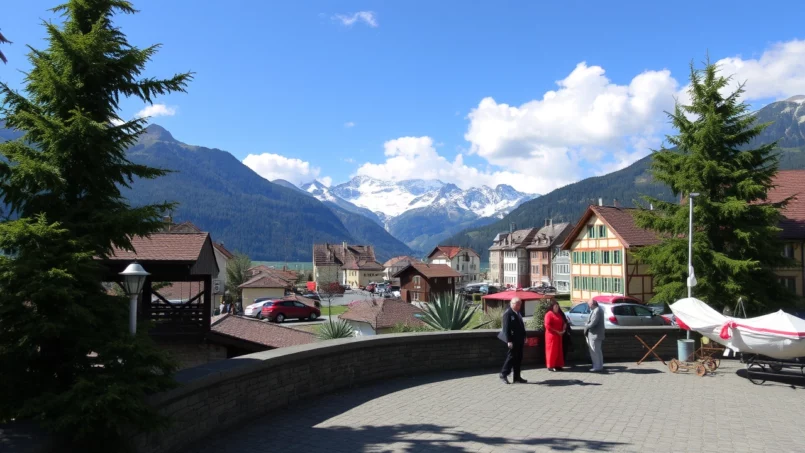
Slovenia is small in size but large in climatic diversity. In barely 250 kilometers from west to east, you go from the Adriatic coast to the Alpine peaks, then to the continental plains near Hungary. This contrasting landscape, at the crossroads of Alpine, Mediterranean, and continental influences, creates a mosaic of climate zones.
Three major climates… and many microclimates
Meteorologists distinguish three major climate regimes, plus a few transitional zones:
| Zone | Main Region | Characteristics | Typical Temperatures |
|---|---|---|---|
| Alpine | North and northwest (Julian Alps, Karavanke, Kamnik–Savinja…) | Long, very snowy winters; cool summers | January around -5 °C at altitude; July ~15 °C |
| Continental / Oceanic | Center and east (Ljubljana, Maribor, Celje, Novo mesto…) | Cold, sometimes foggy winters; warm to very hot, stormy summers | Ljubljana: 0.3 °C in January, 21.3 °C in July |
| Mediterranean / Sub‑Mediterranean | Coast (Koper, Izola, Piran, Portorož) and west | Mild and humid winters; hot, dry, very sunny summers | Winter ~5–6 °C; summer often 30–35 °C |
Within these major zones, microclimates multiply. An Alpine lake like Bled can be 5 °C cooler than Ljubljana at the same time; the karst plateau is much windier than the Pannonian plain; narrow valleys retain fog and cold in winter, while nearby hills enjoy sunshine.
For an expat, the first adaptation therefore consists of thinking “by region” rather than national averages: you don’t live the same way for a full year in Piran, Maribor, or an Alpine village.
Advice for expats
Well-defined seasons
The country experiences four clear seasons, with sometimes extreme temperature ranges: records go from less than -36 °C in winter to more than 40 °C in summer.
The climate of Slovenia has four distinct seasons. Spring (March to May) sees a gradual rise in temperatures, with changeable weather, frequent rain, and persistent snow in the mountains; in Ljubljana, temperatures rise from about 7 to 18 °C. Summer (June to early September) is warm, even very hot inland (25-30 °C), more bearable at altitude, with common afternoon thunderstorms. Autumn (September to November) is pleasant, with mild temperatures and fewer tourists, but a resurgence of rain in October-November. Winter (December to mid-March) is cold and often snowy inland and in the mountains, milder and wetter on the coast, with temperatures frequently below freezing in the plains.
Ljubljana is among the wettest European capitals, with about 1,370 to 1,400 mm of rain per year. This generous rainfall, combined with steep terrain, partly explains the frequency of floods and mudslides that have marked recent news.
Where to settle? Adapting your plans to the climate zone
Even before thinking about your wardrobe, it’s useful to choose your location based on the climate you are willing to accept daily. For a retiree fleeing snow, a remote worker sensitive to heat, or an active family dreaming of skiing and hiking, the climate map will not have the same importance.
Adriatic coast: Mediterranean mildness… and freezing wind
Slovenia’s 47 kilometers of coastline – Koper, Izola, Piran, Portorož – live by a sub‑Mediterranean climate. Winters are mild there (around 5 to 6 °C in January), snow is rare, summers are hot, dry, and very sunny, with maximums often exceeding 30 °C.
Two nuances, however:
– the bora, a violent, very cold northeast wind, can strike in winter and spring, causing the wind chill to plummet, sometimes overturning trucks and sweeping everything in its path;
– water matters: episodes of intense rain can cause rapid runoff and local flooding.
For an expat wishing to avoid severe cold and enjoy the sea, the coast is an ideal choice. However, one must be aware that housing costs are generally higher there. Also, during the summer tourist season, the downsides are heat, crowds, and another spike in prices.
Ljubljana and the center: continental climate, a hot and humid city
The capital combines several climatic particularities:
– a marked continental climate: cold winters, with frost and snow; hot summers, punctuated by thunderstorms;
– high rainfall: around 1,362 mm, making it one of the wettest capitals in Europe;
– an urban heat island effect: the city is warmer than its periphery, especially in winter; one study measured an average difference of 1 °C.
For an expat, this translates concretely into often gray winters, with fog and days where the thermometer struggles to rise above zero, and summers where the heat in the city center can become stifling during heatwaves.
Green neighborhoods (Šiška, Bežigrad) and peri‑urban municipalities (Kamnik, Škofja Loka, Domžale) often offer a slightly more breathable microclimate, while remaining 15–30 minutes from the center.
Northwest Alpine region: snow, coolness, and record precipitation
From Triglav National Park to Kranjska Gora, passing through Bohinj or Bovec, the climate is decidedly Alpine:
Annual precipitation can reach up to 3,500 mm on some exposed slopes of the Slovenian Alps.
This zone attracts many outdoor‑enthusiast expats but requires serious equipment for winter (snow tires, well‑insulated housing, appropriate clothing). Avalanches and landslides are known risks; local authorities regularly communicate about these dangers.
Northeast Pannonian region: large temperature swings and summer droughts
Towards Maribor, Murska Sobota, and the Prekmurje region, the climate is continental, with:
– cold winters (in January, the average can drop to around -3 °C in some areas);
– very hot summers (averages of 25 °C or more in July, with peaks above 35 °C);
– lower precipitation than in the west (Maribor receives about 893 mm per year).
The agricultural plains there are exposed to summer droughts, which may interest expat farmers or gardeners but requires thinking about irrigation and choice of adapted crops.
Climate change: what’s changing… and what it means concretely
Climate data shows a rapidly changing Slovenia:
– the average temperature has risen by about 2 °C since 1961;
– projections indicate +3 to 3.5 °C on average by the end of the century, with summers up to +4 to 4.5 °C compared to today;
– annual precipitation is expected to decrease by about 10%, with summers 15–20% drier and winters up to 10% wetter.
For an expat’s daily life, this translates into three major trends.
More frequent and longer heatwaves
Slovenia has adopted an official definition of a heatwave in the continental zone: at least three consecutive days with a daily average temperature ≥ 24 °C, this threshold corresponding to the 97th percentile of 1986‑2015 data. At Brnik (Ljubljana airport), analysis of the years 1981‑2017 shows that these episodes, once limited to a few extreme days in July‑August, are now more frequent and longer, with particularly marked years like 2010, 2013, 2015, or 2017.
During heat episodes, temperatures can reach 28 °C as a daily average. The urban heat island effect and the lack of air conditioning in some homes make adaptation essential, especially for vulnerable populations.
Less snow in the plains, more “green winters”
Winters are seeing a notable decline in snow cover in the plains and at mid‑altitudes. “Green winters” are multiplying in low‑lying regions: less snow, more rain, waterlogged soils, and a highly variable snowpack in the mountains.
For expats, this changes things:
The effects of global warming on various aspects of life and the environment during the winter period.
Low‑altitude ski resorts are becoming more dependent on artificial snow.
Reduction of the snowpack that feeds rivers and groundwater in spring.
Increase in rainy and gray episodes in the city, with a decrease in dry cold periods.
More intense extreme events: floods, storms, hail
Studies show an increase in the frequency and intensity of extreme events: torrential rains, flash floods, storms, destructive hail.
Some recent benchmarks:
| Year | Type of Event | Main Area | Order of Magnitude of Damage |
|---|---|---|---|
| 2007 | Torrential rains and flash floods | West and north, Selška dolina valley, Železniki | ~€200 million, including €70 million for Železniki, 6 deaths |
| 2018 | “Super‑storm” of hail | Bela krajina region | ~€18.5 million in damage, over 1,000 roofs destroyed |
| 2023 | Major floods across the country | Two‑thirds of the territory affected, especially northwest | ~€9.9 billion in losses, 7 deaths, over 8,000 houses flooded |
An expat is not directly responsible for these hazards but must integrate the risk into their choices: type of housing (basements, proximity to a watercourse), home insurance, travel habits on weather alert days, etc.
Authorities issue alerts via the HYDROALARM system, which divides the country into 26 regions colored according to the risk level, and through the Environmental Agency (ARSO). Learning to consult this information is part of the local climate “acculturation“.
Living through heatwaves: protecting your health and adapting your days
Heatwaves do not affect everyone in the same way. Slovenian authorities have identified particularly vulnerable groups: elderly people (including the very old), those with chronic illnesses, pregnant women, children, people with disabilities, the homeless, residents of substandard housing, but also outdoor workers and athletes.
Recognizing signs of heat exhaustion
The most common symptoms observed in Slovenia during intense heat are:
– intense thirst, excessive sweating, marked fatigue;
– headaches, dizziness, drowsiness;
– nausea, muscle pain, blurred vision;
– accelerated heart rate, feeling of confusion.
In severe cases (heatstroke), the skin may become hot and dry, the person may become delirious, have convulsions, or even lose consciousness. In these situations, the emergency numbers to know are:
– 112: general emergency number;
– 194: emergency medical service.
For an expat who does not yet speak Slovenian well, memorizing these numbers and a few key words (like vročina for heat, slabo mi je for “I feel sick”) can make a difference.
How Slovenes protect themselves from extreme heat – and how to do the same
National recommendations are very practical and easy to apply:
– Hydration: drink between 1.8 and 3 liters per day, spread regularly; prioritize water, mineral water, diluted fruit juices, unsweetened herbal teas. Avoid alcohol, highly caffeinated drinks, and sugary sodas.
– Organizing the day: schedule physical activities and shopping early in the morning; limit travel in the middle of the afternoon; take refuge in cool places (shady parks, shopping malls, libraries).
– Housing: ventilate at night and early in the morning, then close windows and shutters/blinds during the day; use fans (knowing that beyond 35 °C, they no longer prevent heatstroke but improve comfort); cool the body with lukewarm showers, cool compresses on the neck, wrists, and ankles.
Over 90% of outdoor workers in Slovenia consider the impact of heat stress to be real.
For an expat employed in construction, agriculture, tourism, or any other outdoor job, it is useful to anticipate:
– discussing adjusted schedules in case of a heatwave (starting earlier, more frequent breaks);
– demanding easy access to drinking water and shade;
– informing your doctor of any cardiovascular, respiratory, or renal history that could be aggravated by the heat.
Managing winter: cold, snow, fog, and driving
In the eyes of many expats from Western Europe, Slovenia remains a country of “real” winters. Without reaching the extremes of the American Midwest, the country combines snow, black ice, days without thaw inland, and sometimes tricky driving conditions.
Equipment and winter driving rules
Slovenian legislation is very precise regarding the period and mandatory equipment:
Between November 15 and March 15 (and as soon as winter conditions appear), all light vehicles must be equipped with winter tires (M+S marking) on all four wheels, or summer tires with snow chains available for the drive wheels. All‑wheel‑drive vehicles must also have chains for at least one axle. Studded tires are prohibited. Not clearing snow from your vehicle can result in a €200 fine. Lack of winter equipment is punishable by a fine of €40 to €500, which may include a 5‑point deduction on your license and vehicle immobilization if it blocks traffic.
For an expat arriving with their car, these rules are non‑negotiable. You must add:
– driving with headlights on at all times, mandatory in Slovenia;
– a total ban on turning right on red;
– very low tolerance for drunk driving (0.05 g/l for most drivers, 0.00 for young people and professionals).
In winter, practical recommendations are simple: reduce speed, increase following distance, use lower gears on slippery roads, avoid sudden acceleration and braking, plan for longer travel times, especially in the mountains.
Winter daily life: housing, health, activities
In inland cities, winter is not just about snow: days are short, fog and humidity are frequent, pollution can concentrate in certain valleys.
As a new resident, it is essential to declare your change of address to the relevant administrations (town hall, taxes, social security), subscribe to local services (electricity, water, internet), and inquire about the specifics of your new municipality (waste collection, transport, facilities).
– housing: check the quality of insulation, type of heating (district heating, gas, heat pump, wood, etc.), presence of double‑glazed windows; anticipate heating costs, which remain a significant part of the winter budget;
– health: sudden temperature changes (entering/exiting overheated buildings), dry air from heating, and winter pollution can worsen allergies, asthma, and cardio‑respiratory diseases;
– mobility: in mountainous or rural areas, invest in quality winter tires, tested chains, a car kit (blanket, ice scraper, flashlight, reflective vests, warning triangle, small brush); in the city, account for sometimes slower but generally reliable buses.
Winter is not just an obstacle: resorts like Kranjska Gora, Vogel, or Mariborsko Pohorje offer skiing with daily rates around €30–45, thermal spas are very popular, and Slovenes continue to go for walks, often equipped with hiking poles even in the city.
Finding housing with climate and energy in mind
Adapting to the climate also means choosing and arranging your home with a certain lucidity. In Slovenia, the residential building stock is mostly old: 76% of the stock was built before 1990, and many rural single‑family homes are large, pre‑planned for several generations, but sometimes poorly insulated and now under‑occupied.
Understanding heating methods
The distribution of energy sources in Slovenian households sets the tone:
| Main Source | Share in Household Consumption |
|---|---|
| Biomass (wood, pellets, wood chips) | ~39% |
| Electricity | ~28% |
| Heating oil | ~12% |
| Fossil gas | ~10% |
| District heating networks | ~7% |
In the countryside, many households still use wood stoves and boilers, even traditional “tiled stoves” that heat a main room. In the city, large buildings are often connected to district heating networks or equipped with collective boilers billed per square meter.
Slovenian authorities encourage a transition to more efficient and cleaner energy solutions.
– since 2023, the installation of new oil or coal boilers is prohibited;
– heat pumps (especially air‑to‑water) are heavily subsidized by the public fund Eco Sklad, with aid that can reach 20% of the cost, even 100% for households in energy poverty;
– more than 50,000 heat pumps were already installed by 2019, and over 15,000 were subsidized in 2023 alone.
For an expat who is a homeowner or looking to renovate, it is crucial to inquire about these aids, but also about the constraints (outdoor unit noise in dense areas, local rules, compatibility with existing heating networks).
Energy efficiency: a very concrete issue for your comfort
Between 2000 and 2022, the unit consumption of heating per square meter decreased by about 43% thanks to insulation, renovations, and more efficient systems. But a significant part of the stock remains in mediocre energy classes, especially among single‑family homes.
Percentage reduction in building energy consumption targeted by 2030 compared to 2020.
For an expat, this means: adapting to a new country, a new culture, and a new environment.
– that there are renovation opportunities (with subsidies and green loans) if you buy an old house in the countryside;
– that you must read energy performance certificates carefully when renting or buying: a pretty but poorly insulated house at altitude can become a financial black hole in winter;
– that you must consider ventilation and summer comfort: a highly insulated home without sun protection or night ventilation can overheat during heatwaves.
Gardening, farming, enjoying local produce: adapting your vegetable garden to climate zones
Many expats who come to settle “in the green” in Slovenia dream of bountiful vegetable gardens, fruit trees, and vines. The country lends itself to this, but the climatic diversity requires good information.
Hardiness zones and growing season
In terms of hardiness zones (USDA type), Slovenia roughly spans from zone 6b in the coldest regions to zone 9a on the coast. In other words:
– in the Alps, frost can be severe, the growing season very short (about 150 days) and the risks of late frosts high;
– on the coast, the season exceeds 230 days, with the possibility of growing olives, citrus, fig trees, etc.
In Slovenia, without a greenhouse, the outdoor growing season generally runs from April to October. Gardeners often start their seedlings (tomatoes, peppers, eggplants) under cover or indoors. Transplanting to the garden is done after the last frost risk, usually in May, sometimes later at altitude.
With a greenhouse or plastic tunnel, the season can be extended from March to November, even year‑round on the coast.
Climatic constraints for the expat gardener
The main difficulties to anticipate:
Gardening in Slovenia is subject to several climatic hazards: cold and frost, especially in Alpine and continental zones, can destroy fruit tree blossoms and young plants in spring. Summer droughts, particularly in Mediterranean and karst areas, make irrigation essential for water‑hungry vegetables. Intense rain and humidity favor soil erosion and fungal diseases like blight, powdery mildew, or rust. Finally, strong winds (bora, valley winds) can break young trees and trellises, and quickly dry out crops.
Experienced Slovenian gardeners recommend practices like mulching, no‑till agroecology, companion planting, and using greenhouses or tunnels to secure part of the production.
For an expat, it is useful:
– to talk with neighbors who have been gardening for decades in the same microclimate;
– to consult local seed companies, which indicate on their packets the germination and planting temperatures suitable for each region;
– to remember that some winter vegetables (garlic, winter onions) are planted in autumn, which often surprises newcomers.
With its over 30,000 km of waterways, Slovenia is beautiful… and vulnerable. The flash floods and major floods of recent years have shown the importance of adaptation, not only institutional but also individual.
How the state reacts – and what you should take away from it
Slovenian authorities have implemented:
A set of integrated actions and systems to monitor, anticipate, and reduce flood risks.
A system developed with the Danish Hydrological Institute combining real‑time water levels, flows, and measured rainfall.
Interconnection with networks like the European Flood Awareness System (EFAS) for broader vigilance.
Over 700 completed projects (re‑profiling, widening beds, dikes) and about 250 underway to reduce risk.
Raising dikes beyond the 100‑year flood level, even for a 500‑year return period.
Implementation of measures like widening riverbeds, creating flood expansion areas, and trapping material in torrents.
For an expat, these investments translate into more precise risk mapping. Before renting or buying, asking about flood risk to the owner, the town hall, or neighbors is not paranoid. In some valleys, the 2023 floods inundated over 8,000 homes; making sure the property is properly covered by adequate insurance is therefore crucial.
Living daily with a humid climate
In a country where Ljubljana receives nearly 1.4 meters of rain per year, managing humidity in the home and in daily life is part of the learning process:
Plan for waterproof and breathable clothing, more effective than an umbrella against strong winds (bora). Ventilate your home regularly to combat humidity and mold, especially in winter in heated interiors. When it rains, favor fallback activities like museums, caves (Postojna, Škocjan), thermal spas, or covered markets.
Health, healthcare system, and climate vulnerabilities
Slovenia has a universal healthcare system known for its good quality. To obtain a residence permit, health insurance covering at least €30,000 in medical expenses is generally required. Many expats start with international insurance, then join the public system.
In the context of a more extreme climate, the healthcare system emphasizes:
The expected increase in heat‑related illnesses presents heightened risks for the elderly, in a context of rapid demographic aging. It is crucial to run information campaigns that also target rural areas, where isolated individuals may lack access to digital tools.
For older expats or those with chronic illnesses, the choice of residence (a city well‑equipped with health services, or a smaller, more isolated locality) must therefore integrate this climatic dimension.
Adapting your mobility: mountain roads, summer storms, autumn fogs
You can cross Slovenia from end to end in three hours by car, but this small size should not hide the complexity of the road network in hilly areas.
Driving in rain, snow, fog, wind
Slovenian road safety advice emphasizes several points:
On wet roads, significantly reduce your speed and increase your following distance. In case of aquaplaning, disengage the clutch (or shift to neutral in automatic), hold the steering wheel firmly, and avoid braking suddenly. In fog, reduce speed, turn on fog lights only when visibility drops below 50 meters, and increase your following distance. During a summer storm in the mountains, beware of falling rocks, branches, and mudslides; avoid parking at the bottom of narrow valleys. Under the influence of the bora on the coast, strictly follow the authorities’ advice, which may restrict the circulation of trucks and light vehicles on certain bridges and viaducts.
Mountain pass ascents and small Alpine roads are often longer than what Google Maps or Waze suggests, which are considered unreliable locally for estimating travel times on these stretches: in reality, journeys can take 50 to 100% longer than what the GPS indicates, due to terrain, cyclists, RVs, and sometimes wildlife.
Public transport and climate adaptation
Major cities have efficient bus networks, and the small territory makes inter‑city connections relatively fast. During heatwaves, air‑conditioned buses become a welcome alternative to an overheated car, and in winter, they allow those not comfortable driving on snow to avoid taking the wheel.
The monthly cost of a bus pass in Ljubljana for expats, a reasonable amount compared to car expenses.
Language, culture, and weather: learning to “talk climate”
Adapting to the Slovenian climate is also about integrating the weather into daily conversations. Slovenes talk about it a lot, and learning a few useful words has a double effect: facilitating your practical life and breaking the ice with locals.
A few very common terms:
– vreme: weather
– sončno: sunny
– oblačno: cloudy
– dež: rain
– sneg: snow
– nevihta: storm/thunderstorm
– megla: fog
– toplo: warm/mild
– mrzlo: cold
– burja: the bora (violent coastal wind)
In Slovenian, common expressions like *Po dežju pride sonce* (literally “After the rain comes the sun”) and *Vse je v megli* (literally “Everything is in the fog”) illustrate how weather phenomena are used as metaphors to describe everyday situations and emotional states.
Following local forecasts, listening to bilingual bulletins from radios like Radio SI (weather and traffic info in Slovenian, English, German), or using digital tools offered by the national climate portal helps anticipate your week and understand local habits (for example, the rush to hike as soon as the sun returns after several rainy days).
In summary: building a personal adaptation strategy
Moving to Slovenia isn’t just about discovering a “small country with a big heart”, as its inhabitants like to say. It’s also confronting a contrasting and changing climate, which requires a real personal adaptation strategy.
Concretely, for an expat:
To live well in Slovenia, it is crucial to adapt to its varied climate. Before settling, check the local climatic characteristics (temperature range, precipitation, risks). When renting or buying, inquire about insulation, heating, and any past weather‑related damage. In daily life, adopt local reflexes: dress in layers, have a raincoat at hand and shoes adapted for snow. Plan for a reusable water bottle (water is drinkable almost everywhere) and sunscreen in the mountains. For health, know the emergency numbers, identify a doctor, and be vigilant during weather alerts, especially with vulnerable individuals. Finally, integrate the weather into your activities: shift schedules during heat, practice outdoor sports at appropriate times, and plan indoor activities in autumn.
The good news is that Slovenes themselves have undertaken a vast adaptation effort in recent years: energy renovation, pilot greening projects in cities, heatwave and flood alert systems, European programs to green schoolyards, nurseries, and retirement homes. Integrating also means joining this collective movement.
By learning to read the sky over the mountains, to feel the bora on the coast, to manage the mugginess of a stormy day in Ljubljana, an expat gradually discovers that this climate, sometimes harsh, is also what gives Slovenia its charm and vitality. Adapting to it isn’t about giving up comfort: it’s about giving this new country every chance to truly become home.
Expat in Slovenia
Disclaimer: The information provided on this website is for informational purposes only and does not constitute financial, legal, or professional advice. We encourage you to consult qualified experts before making any investment, real estate, or expatriation decisions. Although we strive to maintain up-to-date and accurate information, we do not guarantee the completeness, accuracy, or timeliness of the proposed content. As investment and expatriation involve risks, we disclaim any liability for potential losses or damages arising from the use of this site. Your use of this site confirms your acceptance of these terms and your understanding of the associated risks.

Cyril Jarnias is an independent expert in international wealth management with over 20 years of experience. As an expatriate himself, he is dedicated to helping individuals and business leaders build, protect, and pass on their wealth with complete peace of mind.
On his website, cyriljarnias.com, he shares his expertise on international real estate, offshore company formation, and expatriation.
Thanks to his expertise, he offers sound advice to optimize his clients' wealth management. Cyril Jarnias is also recognized for his appearances in many prestigious media outlets such as BFM Business, les Français de l’étranger, Le Figaro, Les Echos, and Mieux vivre votre argent, where he shares his knowledge and know-how in wealth management.





