
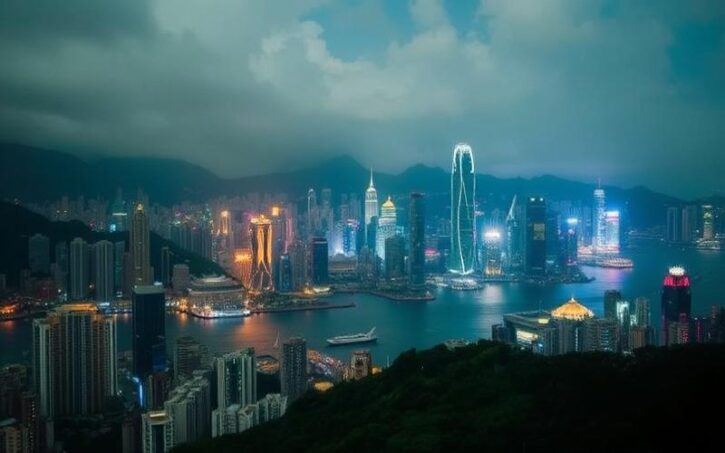
 Published on and written by Cyril Jarnias
Deep in the heart of Asia, Hong Kong attracts with its economic dynamism and cultural richness, but its subtropical climate can be a real challenge for unprepared expatriates.
Facing intense, humid summers and unusual winters for those from the north, this article reveals practical tips for not only surviving but also fully enjoying the climatic and seasonal changes of this fascinating city.
Learn to embrace everything this energetic city has to offer while staying cool, comfortable, and ready to adapt to the whims of the local weather.
Adapting to Hong Kong’s Humid Climate: Strategies and Tips
Hong Kong poses many challenges for expatriates due to its very humid subtropical climate from May to September, with humidity levels frequently exceeding 90%. This humidity affects health, daily comfort, and the preservation of belongings.
Main Challenges of the Humid Climate:
- Health:
- Increased risks of respiratory problems, allergies (mold), and skin infections.
- Constant feeling of dampness, fatigue, and difficulty tolerating the heat.
- Possible dehydration during high heat.
- Personal Comfort:
- Discomfort from excessive sweating and difficulty drying clothes.
- Poor sleep due to a sticky, hot feeling.
- Preservation of Belongings:
- Proliferation of mold on walls, furniture, clothes, and books.
- Accelerated corrosion of electronic devices.
- Swelling or warping of wooden furniture.
Strategies to Improve Home Comfort:
- Ventilation:
- Open windows regularly during the rare dry periods.
- Install fans to promote air circulation.
- Prioritize cross-ventilation to remove stagnant humidity.
- Dehumidifiers:
- Use one or more electric dehumidifiers, especially in bedrooms, closets, and poorly ventilated rooms.
- Regularly check the humidity level (ideally between 50 and 60%) using a hygrometer.
- Empty and clean water tanks to prevent bacterial growth.
Clothing Choices and Hygiene:
- Appropriate Clothing:
- Choose natural, breathable fabrics (cotton, linen, bamboo).
- Wear loose, light-colored clothing to reduce the feeling of heat.
- Avoid synthetic textiles that trap sweat.
- Hygiene:
- Take frequent showers to limit irritation and prevent fungal infections.
- Dry skin and interdigital spaces thoroughly.
- Use suitable antiperspirant products.
Protecting Belongings from Humidity:
| Category | Tip |
|---|---|
| Electronics | Store in airtight bags, use desiccant packets, avoid leaving devices plugged in unnecessarily. |
| Furniture & Clothing | Place moisture absorbers in closets, air out regularly, clean surfaces to prevent mold. |
| Books/Papers | Store in airtight boxes or on well-ventilated shelves. |
Diet and Physical Activity Tips for Acclimatization:
- Diet:
- Drink plenty of water, favor light meals rich in seasonal fruits and vegetables.
- Consume local dishes suited to the climate (cold soups, tropical fruits).
- Limit alcohol and sugary drinks that promote dehydration.
- Physical Activity:
- Exercise early in the morning or in the evening to avoid peak heat.
- Favor indoor air-conditioned sports or swimming.
- Adjust exercise intensity according to your acclimatization level.
Additional Tips:
- Monitor weather alerts and limit travel during typhoon or torrential rain periods.
- Take time to acclimatize gradually, especially if it’s your first experience in a tropical climate.
- Get health insurance covering climate-related illnesses.
Adapting to Hong Kong’s humid climate relies on a combination of good domestic, clothing, and dietary practices, as well as vigilance regarding environmental risks.
Good to Know:
Use dehumidifiers to protect your electronics and choose light, breathable cotton clothing to withstand Hong Kong’s humidity. Opt for a hydrating diet and morning exercise to better acclimate to local conditions.
The Impact of Climate on Expatriate Health and Well-being
General Climate of Hong Kong
Hong Kong has a subtropical climate, characterized by hot and humid summers and mild winters.
- Summer (May to September): High temperatures (often between 30°C and 32°C), humidity frequently exceeding 80%.
- Typhoon Season: From May to early November, peaking between July and September when the typhoon risk reaches 50 to 60%. Typhoons bring heavy rain and strong winds, sometimes lasting several hours or even up to eight hours if the eye of the cyclone passes over.
| Month | Average Temperature | Typhoon Probability | Characteristics |
|---|---|---|---|
| July | 32°C | 60% | Very hot, humid, heavy rain |
| August | 31°C | 60% | Hot, humid, typhoon risks |
| September | 30°C | 50% | Hot, humid, end of typhoon season |
Effects on Physical Health
- Dehydration: High heat and humidity increase sweating, raising the risk of dehydration, especially for those not acclimatized.
- Heat Exhaustion: High temperatures can cause heatstroke, fatigue, and cardiovascular issues.
- Respiratory Illnesses: Humidity promotes the growth of mold and allergens in homes, increasing the risk of asthma or respiratory infections.
- Typhoon-Related Injuries: Strong winds and flooding can lead to accidental injuries or power outages affecting access to medical care.
Impact on Mental Well-being
- Stress: Typhoon warnings, transport disruptions, and uncertainty related to extreme weather events can generate anxiety and stress for expatriates.
- Isolation: Forced lockdowns during typhoons or heavy rain can lead to feelings of isolation or boredom.
- Adaptation: The constant need to adapt (clothing, outings, planning) can be a source of psychological fatigue.
Practical Tips for Adaptation
- Regular Hydration: Drink water frequently, avoid alcoholic or overly sugary drinks.
- Clothing Adaptation: Wear light, breathable clothing suitable for humidity.
- Use of Air Conditioning: Cool living spaces, but be careful not to lower the temperature too much to avoid thermal shock.
- Activity Planning: Avoid going out during weather warnings, follow bulletins from the Hong Kong Observatory, and plan trips outside of peak heat or typhoon periods.
- Typhoon Preparation:
- Prepare an emergency kit (water, food, medicine, flashlight).
- Learn about safety procedures and available shelters.
Health Insurance Recommendations
- Opt for international health insurance covering:
- Heat-related illnesses (heatstroke, dehydration).
- Care for accidents or injuries during typhoons.
- Specialist consultations for respiratory illnesses.
- Psychological or psychiatric support if needed.
- Check that the contract includes access to quality medical facilities and coverage for evacuations in case of a climate emergency.
Good to Know:
Hong Kong has a subtropical climate marked by high heat and humidity in summer, increasing the risk of dehydration and heat exhaustion; it is advisable to hydrate regularly, adapt your wardrobe, and schedule activities according to the weather. Consider health insurance covering climate-related illnesses, including respiratory conditions during typhoon season.
Key Takeaway: Hong Kong’s climate, characterized by heat, humidity, and typhoons, significantly impacts the physical health and mental well-being of expatriates. Proactive adaptation and appropriate health insurance are essential to minimize risks and ensure a smooth relocation.
Home Equipment and Setup to Tackle Local Conditions
To tackle the local climatic conditions in Hong Kong, it is essential to understand the climate and adapt your home equipment and setup accordingly.
Climate of Hong Kong
Hong Kong has a humid subtropical climate, characterized by distinct seasons. Average temperatures range from 18°C to 33°C throughout the year, with high humidity, often exceeding 80%. The wet seasons mainly occur during summer and autumn, while winter is generally dry and cool.
| Season | Average Temperature | Humidity | Characteristics |
|---|---|---|---|
| Spring | 18-25°C | High | Warm and humid, with occasional showers |
| Summer | 28-33°C | Very High | Hot, humid, with frequent thunderstorms |
| Autumn | 22-28°C | High | Warm and humid, with frequent precipitation |
| Winter | 10-18°C | Low | Dry and cool |
Air Conditioning and Ventilation Systems
Effective air conditioning systems are crucial for dealing with the high heat and humidity of the summer months. They help maintain a comfortable indoor temperature and reduce humidity, thus improving home comfort.
Insulation and Sealing
Insulating and sealing windows and doors is essential for maintaining a comfortable indoor temperature, especially during the frequent storms and typhoons in the region. This helps prevent humid air from entering and reduces the risk of damage from strong winds.
Dehumidifiers
Dehumidifiers are useful for ensuring a comfortable humidity level and preventing mold, which can develop quickly in a humid environment. They help maintain healthy air and extend the life of furniture and personal items.
Adapted Furniture
To avoid deterioration problems, it is advisable to use furniture and materials resistant to humidity, such as:
- Treated wood or varnished to resist moisture.
- Waterproof synthetic materials for seats and carpets.
- Metal or aluminum for outdoor furniture.
Outdoor Setup
For those with balconies or terraces, here are some tips:
- Local plants resistant to the climate: Choose plants adapted to Hong Kong’s humid and hot climate, such as bamboo or orchids.
- Rain and sun protection: Use umbrellas or awnings to protect outdoor areas from the elements.
Safety During Typhoons
To secure your home during typhoon warnings:
- Store light objects that could be carried away by the wind.
- Install shutters to protect windows from strong winds.
- Check drainage systems to prevent flooding.
Good to Know:
Hong Kong’s subtropical climate, with hot, humid summers and mild, dry winters, requires efficient air conditioning systems and effective insulation for typhoon protection. Invest in dehumidifiers to control humidity and choose moisture-resistant furniture to prevent deterioration, while securing your outdoor spaces with appropriate protections.
Prevention and Adaptation to Hong Kong’s Extreme Climates
Main Extreme Climates in Hong Kong
Hong Kong is regularly exposed to several types of extreme weather phenomena:
- Typhoons: Frequent between May and September, they bring violent winds (sometimes exceeding 200 km/h), torrential rain, and storm surges that can cause coastal flooding.
- Torrential Rain: Intense precipitation, especially in summer, can trigger flash floods, landslides, and urban flooding.
- Heatwaves: Summers are very hot and humid, with temperatures often exceeding 30°C and a high humidex index.
- Other Risks: Landslides, fires (during dry periods), and rare tsunami alerts complete the picture.
Government Prevention Measures
The local government has implemented a comprehensive system to anticipate and manage these risks:
| Measure | Description |
|---|---|
| Early Warning Systems | The Hong Kong Observatory issues different alert levels (T1 to T10 for typhoons; Amber, Red, Black for rain). Residents receive notifications via SMS, media, and mobile apps. |
| Drainage Infrastructure | Dense network of underground drains, urban retention basins to absorb excess water. |
| Typhoon Shelters | Temporary opening of public shelters during major alerts; evacuation centers in low-lying areas. |
| Public Service Suspension | Closure of schools/businesses/transport upon T8 alert; flight cancellations during major typhoons. |
When the T8 signal is issued by the local weather observatory, everything stops: ferries are suspended, schools are closed, the population is confined to their homes, windows and doors are locked, cars are parked in sheltered areas.
Practical Advice for Expatriates
To live peacefully in Hong Kong despite these climatic hazards:
- Prepare an emergency kit: Drinking water (3L/person/day), non-perishable food (for 3 days), flashlight/external battery/power bank/portable radio/medication/copies of important documents/blanket/whistle/gloves/mask/first aid kit.
- Secure your home: Secure or bring in outdoor objects (balconies/planters); protect windows with tape or panels if possible during T8/T9/T10 signals; check for leaks/roof/windows before the cyclone season.
- Stay informed: Install the official “MyObservatory” app from the HKO on your smartphone, as well as the one from the Centre for Health Protection for heatwaves/pollution/vector-borne infections related to the typical humid tropical climate of Hong Kong.
Concrete Example
A French expatriate reported following these tips scrupulously before the arrival of Super Typhoon Ragasa in late September 2025 – storing water/food, securing windows, unplugging sensitive devices – which allowed him to get through this exceptional crisis without major damage or excessive stress, where even glass doors of coastal hotels exploded under the force of the waves according to a local viral video!
Urban Adaptations to Extreme Climates
- Skyscrapers designed to withstand winds >250km/h, a local standard exceeding classic international norms.
- Public parks transformable into temporary water retention basins to prevent overflow of traditional, overly saturated drainage networks during intense precipitation events.
- Permeable paving for streets, sidewalks, and public squares promoting natural infiltration, reducing immediate surface runoff dangerous for pedestrians/bikes/scooters still circulating despite difficult conditions sometimes…
Also note that in extreme cases like recently with Ragasa, some parts of the lower city experienced sea level rise of +3m or more, requiring rapid evacuation of affected residents to specialized shelters provided free of charge by the municipality each time necessary.
Case Studies & Testimonials
Several testimonials collected after Typhoon Mangkhut (2018) and more recently Ragasa (2025):
“I saw my building shake all night during Typhoon Mangkhut, even though it was supposedly built to seismic standards… Fortunately, no serious injuries, but a lot of material damage, fallen trees, roads blocked for several days…” — French resident, settled for ten years now, accustomed to automatic seasonal preparations!
Another example from the international press covering the event last September:
“The Stock Exchange modifies its rules to keep financial markets open even during a typhoon, thanks to cloud technologies and redundant remote servers, allowing traders to work from home if absolutely necessary to continue the economic activity of this global capital…”
These examples well illustrate the daily double challenge here: reconciling individual and collective safety AND maintaining a normal socio-economic life, made possible by structural and cultural adaptations deeply rooted in modern, multicultural, dynamic, and innovative Hong Kong society on multiple fronts, including the environment!
Additional Resources
Here is a non-exhaustive list of useful resources for newcomers wishing to deepen their practical knowledge on managing local climate risks:
- Official website of the Hong Kong Observatory (HKO) / MyObservatory App Store Google Play etc…
- Belgian government travel portal Belgium.be, Travel Advice > Climate Natural Disasters East Asia section, including specific country sheets for HK SAR China…
- PVTistes.net, a regularly updated French-language practical guide containing concrete advice adapted for young professionals/French-speaking expatriates living and working in HK…
Feel free to also consult local NGOs like the Red Cross Society of China, Hong Kong Branch, for free regular citizen first aid training open to all residents regardless of nationality!
Good to Know:
Hong Kong is frequently exposed to typhoons and heatwaves; the government has implemented early warning systems and typhoon shelters to reduce risks. To prepare, expatriates are advised to secure their homes, prepare an emergency kit, and download alert apps, while resilient skyscrapers and water reservoir parks illustrate local urban adaptations.
Disclaimer: The information provided on this website is for informational purposes only and does not constitute financial, legal, or professional advice. We encourage you to consult qualified experts before making any investment, real estate, or expatriation decisions. Although we strive to maintain up-to-date and accurate information, we do not guarantee the completeness, accuracy, or timeliness of the proposed content. As investment and expatriation involve risks, we disclaim any liability for potential losses or damages arising from the use of this site. Your use of this site confirms your acceptance of these terms and your understanding of the associated risks.

Cyril Jarnias is an independent expert in international wealth management with over 20 years of experience. As an expatriate himself, he is dedicated to helping individuals and business leaders build, protect, and pass on their wealth with complete peace of mind.
On his website, cyriljarnias.com, he shares his expertise on international real estate, offshore company formation, and expatriation.
Thanks to his expertise, he offers sound advice to optimize his clients' wealth management. Cyril Jarnias is also recognized for his appearances in many prestigious media outlets such as BFM Business, les Français de l’étranger, Le Figaro, Les Echos, and Mieux vivre votre argent, where he shares his knowledge and know-how in wealth management.





