
 Published on and written by Cyril Jarnias
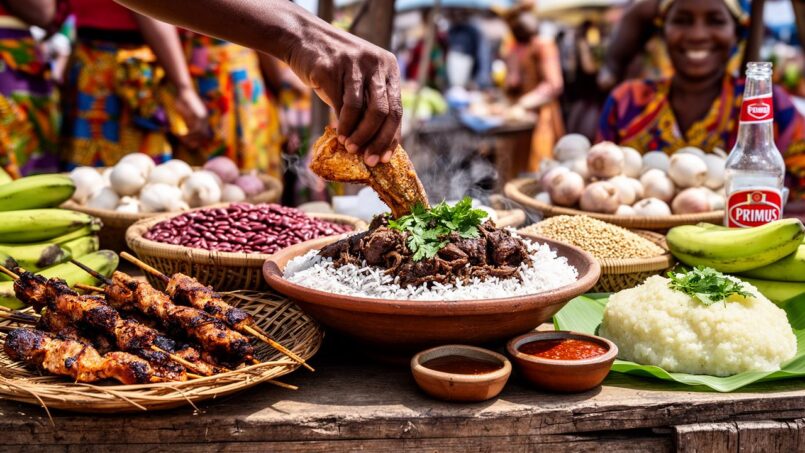
Settling in Burundi means entering a country where food is far more than just fuel: it’s a social language, a marker of history, and the glue of community life. For an expatriate, understanding what’s simmering in the pots and what’s sold on market stalls is one of the fastest ways to feel “in” rather than remain a spectator.
Despite an apparent simplicity based on local ingredients like beans, plantains, cassava, and corn, Burundian gastronomy is actually an ingenious and diverse cuisine. It is shaped by agricultural landscapes, the resources of Lake Tanganyika, Hutu and Tutsi cultural traditions, as well as regional influences from East Africa and historical traces from Belgium and India.
This guide has been designed for expatriates living or planning to live in Burundi, with a particular focus on Bujumbura, the main urban center and epicenter of the country’s culinary offerings.
Understanding Table Culture in Burundi
The first thing to grasp is that cooking in Burundi is deeply communal. Sharing a dish, serving a guest, offering a glass of banana beer—these aren’t mere gestures of politeness: they are ways of bringing the principle of “ubumwe” (unity, solidarity) and “ubuntu” (interdependence among people) to life.
During a traditional meal, food is often placed in the center of the table and everyone serves themselves with the right hand, a symbolic gesture of respect. Even in urban settings where individual plates are common, the essence of the meal remains collective: time is taken to greet, to wait for the host or head of the family, and to share conversation in order to strengthen social bonds.
Desserts in the Western sense are nearly absent from family meals. Sugar comes instead from fruits, sugarcane to chew, or small peanut-based treats. Meat is not an everyday item, especially in the countryside: it is associated with feasts, ceremonies, and large family gatherings. In contrast, beans are ubiquitous, to the point of being consumed on average once a day across all social classes.
For an expatriate, accepting what is offered, tasting at least a little, and avoiding turning down a dish too quickly is a highly appreciated mark of respect. Hospitality—gusubiza—passes first through the plate.
The Pillar Ingredients of Burundian Cuisine
Burundi is a rural country, nearly 80%. The hills are planted with coffee trees, fields of corn, small plots of cassava, and beans. Daily eating reflects this agricultural economy.
There are four essential pillars: beans, corn, cassava, and bananas/plantains. Around this core gravitate many secondary products—sweet potatoes, leafy greens, tropical fruits, peanuts, lake fish, and a bit of meat.
Here is a simplified overview of the main ingredients you will quickly encounter in your kitchen and in restaurants.
| Category | Key Ingredients | Role in Local Diet |
|---|---|---|
| Cereals & Tubers | Corn, cassava, sorghum, millet, sweet potato, rice, wheat | Base for porridges, ugali/ubugari-type pastes, and breads |
| Legumes | Red beans, peas, peanuts (groundnuts) | Main protein source for most households |
| Bananas & Plantains | Green bananas, plantains, ripe bananas | Eaten boiled, fried, in stews, and used for alcoholic drinks |
| Leafy Greens | Cassava leaves, amaranth (renga renga), isogi, pumpkin leaves | Sides to starches, often in sauce or stew |
| Other Vegetables | Tomatoes, onions, cabbage, eggplant, carrots, green peppers | Aromatic bases for sauces and stews |
| Fruits | Mango, papaya, avocado, pineapple, sugarcane | Eaten fresh, in juices, or as snacks |
| Animal Proteins | Lake fish (mukeke, ndagala), goat, beef, chicken, mutton, insects | Consumed more occasionally, especially in town or during celebrations |
| Dairy Products | Fermented milk (urukundo, ikivuguto) | Traditional drink, sometimes sold in small cafés |
| Spices & Fats | Garlic, ginger, chili, black pepper, mint, palm oil, salt | Seasoning, marinades, sauces |
The massive presence of beans—often red ones—makes them the emblematic food: they are stewed, fried, combined with bananas, rice, or cassava. Cassava is used both for its roots (flour, paste) and its leaves, which yield stews with surprisingly deep flavor.
On the fish side, Lake Tanganyika offers particular species such as the highly sought-after mukéké, and the tiny ndagala, a type of local sardine served whole and crispy.
Must-Know Dishes (and What to Order)
To find your way around restaurant menus or at Burundian friends’ homes, a few classics appear everywhere. Mastering them means already speaking a bit of the country’s culinary language.
Ugali / Ubugari: The Filling Staple
Ugali (often called ubugari or bugali) is a very thick porridge made from corn flour, sometimes mixed with cassava, sorghum, or millet. It is cooked in water until it becomes a firm dough, which is cut into pieces and eaten by hand to scoop up sauces.
Its flavor is deliberately neutral, almost bland, but that’s what allows the accompanying vegetable, meat, or fish stews to shine. Many Burundians praise its “energizing” quality: it’s the food that sticks to your ribs.
Beans (Ibiharage and Maharagwe)
Bean stews come in various forms. Ibiharage generally refers to beans simmered or sometimes fried with onions, oil, tomatoes, garlic, and chili. Maharagwe more often refers to a version cooked in coconut milk, creamy, and goes very well with rice or plantains.
There are classic combinations like beans-bananas, beans-cassava, beans-rice. Some dishes like ikijumba mix sweet potato mash and beans for a hearty result, much appreciated during the dry season.
Isombe: Cassava Leaf Stew
Isombe is one of the most characteristic dishes, to the point that some consider it unique to Burundi for its texture and flavor. It consists of pounded cassava leaves, long boiled, then cooked with tomatoes, onions, eggplant, palm oil, and often ground peanuts. The result is a thick green sauce, both earthy and almost “nutty.”
This dish is served with rice, ugali, or uburobe (dried cassava paste). For an expatriate, it’s a good introduction to the more “rural” flavors of the country.
Agatoke / Matoke / Ibitoke: The Many Lives of Plantains
Dishes based on green bananas or plantains come in a multitude of variations. Agatoke (or matoke/ibitoke) often refers to plantains cooked in a stew with onions, tomatoes, peppers, sometimes carrots, spices, or even dried fish like ndagala. They are also found boiled, mashed, or fried as a side to meats.
These dishes show just how much the banana here is not a dessert but a full-fledged starch, on par with the potato or rice.
Renga Renga and Other Leafy Greens
Renga renga uses amaranth leaves, similar to spinach but with a stronger flavor, sautéed with onions, tomatoes, mint, pepper, and palm oil. Dried fish is sometimes added. Other leaves are cooked in the same way: cassava leaves (isombe), pumpkin leaves, wild herbs (isogi).
These dishes pair well with most major staple starches, such as ugali, rice, cassava, and sweet potatoes.
Mukéké, Ndagala, and Other Lake Tanganyika Fish
On the shores of Lake Tanganyika, fish is king. Mukéké, a fish endemic to the lake, has become a favorite dish among expatriates and tourists over the past fifteen years. It is enjoyed whole, grilled, roasted, or boiled, often with a tomato-onion sauce and a side of plantains or rice.
Its growing scarcity—due notably to the privatization of certain fishing zones—makes it more expensive and sometimes reserved for special occasions. Alongside, you find the tiny ndagala, fish eaten whole, fried until crispy, served with a cold beer or as an appetizer plate.
Boko Boko Harees, Birunge, and Other Festive Dishes
Some dishes are mostly encountered during major events. Boko Boko Harees combines cracked wheat (or bulgur) and chicken, flavored with onion and turmeric. It’s a hearty dish, sometimes considered “quasi-national.”
Birunge combines butter and bitter vegetables (taro leaves, isogi) and appears during family celebrations. These preparations remind us that Burundian festive cooking loves rich textures and bitter or tangy flavors, often balanced by grains or tubers.
Traditional Drinks: From Banana Juice to Sorghum Beer
Local beverages deserve a chapter of their own, as they structure sociability.
Among non-alcoholic drinks, there is ripe banana juice (umutobe), made from sweet plantains, pressed and sometimes filtered, which is central to ceremonies and symbolizes hospitality. Mango, papaya, and pineapple juices, often homemade, are also very common. Fermented milk (urukundo, ikivuguto) is consumed plain or lightly sweetened and is available in some establishments like Café Au Petit Plateau.
On the alcoholic side, banana beer (urwarwa) is ubiquitous in the countryside. It is made by fermenting bananas (sometimes buried) with sorghum or millet; it’s cheap and consumed during festivities. Sorghum beer (impeke) is often slightly sour, low in carbonation, without hops, drunk through a straw from a shared container, which reinforces the convivial nature of the moment.
Alongside exist rarer drinks like mead (honey-based) or palm wine. But in the cities, industrial beers dominate: Primus, a light and fruity lager produced in Bujumbura, is the most common; Amstel (blonde or bock) is perceived as more “upscale”; imported brands like Heineken or Tusker remain expensive.
Where to Eat Daily in Bujumbura: From Local Eateries to Chic Tables
For an expatriate based in Bujumbura, the question isn’t so much finding somewhere to eat as knowing where to go depending on your cravings: total immersion in Burundian cuisine, local/international mix, formal dinner with colleagues, skewers at a cabaret, pizza by the lake, vegetarian Indian curry…
Restaurants and cafés sometimes change owners or menus, but certain places consistently appear in expat guides.
Places to Discover Burundian Dishes
In the heart of the city, several small canteens serve full meals at very affordable prices. Café Au Petit Plateau, on Rwagasore Street across from the U.S. embassy, is often cited as a reference. In a modest room, you’ll find ubugari, tender beef, fish, beans, renga renga, isombe, peas—all for about 1,000 BIF, less than a dollar by some estimates. Interesting note: the food is cooked without salt, which you add yourself.
Cafarc, also on Rwagasore near the fishmonger and the “Galerie Les Arcades,” offers rice, beans, peas, lenga lenga, plantains, and a bit of meat. Regulars recommend sticking to the vegetarian options. English is spoken and the meal runs about 2,500 BIF.
Baobab, on Boulevard de l’Uprona, is a Senegalese restaurant that also serves local dishes, including a traditional fish with peanut sauce. Prices are a bit higher, but the atmosphere—thatched roof, thoughtful decor—attracts both Burundians and expatriates.
Small addresses like the Hibiscus restaurant, located near the Greek Orthodox Church, offer a complete daily special (rice, lenga lenga, beef, bananas in sauce, beans) for about 1,200 BIF. For an expatriate, it’s an excellent and economical way to taste several local specialties in one meal.
Skewers, Cabarets, and Mshwi: The Meat Experience Burundian-Style
“Skewers” (brochettes) are a staple of urban social life. Small stands, cabarets, or open-air restaurants serve them grilled over charcoal, often accompanied by plantains, potatoes, or salad. Chez Gerard in Kigobe is often described as a hotspot for skewers, with a large terrace, pool tables, and a friendly atmosphere.
Le Pont, a cabaret with a garden, also serves skewers and other meats in a more polished setting. Picnic/Kolomboko is livelier, with music, old vinyls, dancing, and roasted meats.
In the Avenue 2 – Bwiza neighborhood, in a more Congolese atmosphere, you’ll find restaurants specializing in mshwi: goat meat steamed then grilled, served with grilled onions and cassava paste (cassava ugali). Note: no restrooms or cold beer guaranteed—this is authentically rustic, best visited in the company of locals.
Lake Cuisine: Eating Facing Lake Tanganyika
The shores of Lake Tanganyika are lined with restaurants where people come as much for the view and fresh air as for the fish. Bora Bora, about ten minutes north of the city, next to Club du Lac Tanganyika, is emblematic: renowned pizzas, grilled fish, salads, a poolside bar, and free Wi-Fi. It’s a weekend gathering spot for expatriates.
The Cercle Nautique is an iconic spot to enjoy a beer while watching the sunset over the lake. You can accompany your drink with local snacks like fried ndagala (small fried fish) or samosas. The experience is often enhanced by watching hippos in the distance on the water.
Tanganyika restaurant, near the port in an old colonial building, is seen as a “high-end” address: attentive service, lake breeze, dishes like fish carpaccio, sangala au bleu, lamb chops, tournedos, and a chocolate mousse that has left a mark on many visitors. The budget matches: around $30 with wine.
Finally, further south, the small Saga Resha complex, an hour from Bujumbura on a potholed road, attracts well-off Burundians and expatriates for its beach, stilt huts, and grilled skewers and fish. Note: it costs extra to bring your own food.
World Flavors: Indian, Italian, Ethiopian… Without Leaving Bujumbura
Expat life often comes with cravings for “home-style” dishes or simply something other than beans and plantains. Bujumbura offers a surprisingly diverse palette given the city’s size.
Khana Khazana, an Indian chain also present in Kigali and Kampala, is often presented as one of the best restaurants in the city. Located in Kiriri in nice open pavilions, it offers a wide range of vegetarian and meat dishes. Fun fact: for birthdays, the staff may perform a song in five languages for several minutes. The restaurant is closed on Mondays.
La Fantasia, near the big roundabout, run by an Italian woman, is known for its pasta—penne carbonara, penne with eggplant or zucchini—its Prego sandwiches, its hamburgers, and its tiramisu. It attracts many United Nations staff and is open for lunch and dinner.
An Ethiopian restaurant, on Avenue du Large (turn left after the Orphan Aid sign), serves authentic injera, spicy wats, in a quiet garden. Service is also in English and the meal runs about 10,000 BIF.
Other establishments round out the landscape: Chinese addresses (Shanghai), an Asian Restaurant on Kirundo Street, restaurants with mixed menus like Ubuntu Restaurant, Restaurant de La Palmeraie, pizzerias like Waka Waka, French-style cafés (Café Gourmand, Maison Crèmerie).
For an expatriate, this “world” offering is valuable: it allows you to alternate between local immersion and more familiar meals, while remaining within the Burundian urban fabric.
Cafés, Juices, and Cocktails: Between Bahizi, Aroma, and Hooka
The coffee culture is paradoxical: Burundi produces a renowned arabica, but consumes relatively little of it. In Bujumbura, places like Aroma or BujaCafé have set out to change this by highlighting “real” Burundian coffee, served as cappuccinos, frappés, indulgent drinks, with Wi-Fi and power outlets for laptops.
Natural juice lovers often cite Juice, in Rohero, known for its fresh smoothies, or Bahizi Café, which offers non-alcoholic cocktails, non-alcoholic mojitos, coffees, and frappés.
For alcoholic cocktails, several names come up: Neo for takeaway cocktails, Bela for the “dinner & drinks” mix with a view, Luc for a “date night” atmosphere with a full cocktail menu, and especially Hooka, often presented as the number one cocktail spot for its decor and music.
Shopping at the Market and Stocking Your Fridge: A How-To
Discovering local gastronomy isn’t limited to restaurants. Shopping at Bujumbura’s markets and specialty stores helps you better understand what Burundians eat, reduce your budget, and learn to cook locally.
Markets: From Bujumbura City Market to Neighborhood Markets
The Bujumbura City Market, sometimes called Siyoni/Sioni Market, is one of the city’s main commercial hubs. Located on Avenue de l’OUA, open from 6 a.m. to 5:30 p.m., it concentrates fruits, vegetables, fish, spices, as well as textiles and crafts. The atmosphere is noisy, dense, and fragrant: grilled meats, ripe fruits, palm oil, wood smoke.
It’s recommended to go in the morning to enjoy the freshness of the produce and avoid the crowds. Haggling is part of the game, but done with good humor. It’s best to have cash in small denominations, as credit cards are rarely accepted. Boda Bodas (motorcycle taxis) and minibuses (“taxi-brousse”) make it easy to get there for a few hundred Burundian francs.
Beyond the main central market, Bujumbura is dotted with more specialized neighborhood markets (Kamenge, Kinama, Kinindo, Musaga, Ngagara, Ruvumera…). Some have been renovated with European funds, and others have changed function, like Kinindo, which has become a storage and wholesale hub for food products. This organization aims to better distribute commercial flows. To find your way around easily, it’s advisable to ask colleagues or neighbors for advice.
Platforms like Urugwiro Market work with local farmers to deliver fresh produce to urban customers, sometimes via online orders or through an agent. For an expatriate on a long-term assignment, this type of service can secure your supply while supporting local agriculture.
Butcher Shops, Fishmongers, and Supermarkets: Practical Landmarks
For meat, Boucherie Nouvelle is often cited as the go-to address. You’ll find beef, chicken, homemade charcuterie, sausages, salami, as well as cheeses—including a local goat cheese—and even frozen shrimp and crab sometimes. Their olive oil is said to be among the cheapest in the city. Going early on Saturday morning gives you the best selection.
North of the Dimitri’s supermarket, a fish shop offers a wide range of lake fish. Next door, the Bambino convenience store, open daily, sells basic products and some souvenirs.
Escale du Bien Alimentation, near the Saint Paul bookstore on Rwagasore Street, offers fresh vegetables delivered twice a week, eggs, whole wheat bread, cheese, and sausages. Au Bon Prix, another supermarket, stands out for its selection of cheeses and charcuterie, as well as rarer fruits like grapes or strawberries in certain seasons.
For spices, sauces, and Asian products, an Indian shop near Peace House and the stadium imports items from Nairobi: spices, condiments, dry goods. The Craft Market on Rwagasore, near the U.S. embassy, mixes crafts (textiles, masks, statues) with food products (sauces, local jams).
Food Budget: What the Numbers Say
The many cost of living databases provide a useful snapshot, even if figures fluctuate depending on sources and years. In summary, Bujumbura is ranked among the relatively affordable cities internationally, with a total monthly cost of living for one person (including rent) around $750, and an average monthly food budget estimated at about $347 per person.
Minimum daily budget in dollars for supermarket food using the cheapest products.
| Product (≈ 1 kg or standard unit) | Average Approx. Price (USD) | Practical Comment for an Expatriate |
|---|---|---|
| Bananas | ≈ 0.47–0.49 | Very cheap, perfect snack and staple ingredient |
| Apples | ≈ 3.8–5.9 | Rather “luxury” imported item |
| Rice | ≈ 0.9–1.7 | Affordable staple, often bought in sacks |
| Potatoes | ≈ 0.4–0.8 | Inexpensive starch, easy to cook |
| Tomatoes | ≈ 0.8–1.3 | Essential for sauces and stews |
| Onions | ≈ 0.6–0.8 | Indispensable, economical |
| Chicken (chicken breasts) | ≈ 5–11.3 | Relatively expensive compared to vegetables and grains |
| Beef (stewing cuts) | ≈ 4.6–10 | Medium to high budget product |
| Local cheese | ≈ 5.6–10.6 | Rather expensive cheese, to be consumed occasionally |
| Eggs (12) | ≈ 1.9–3.4 | Practical protein source |
| Local beer bottle (0.5 L) | ≈ 0.5–2 | Price varies widely by bar or supermarket |
| Cappuccino at a café | ≈ 1.5–3.4 | “Western” outing a bit pricier than street snacks |
| Inexpensive restaurant meal | ≈ 1.3–3 | At local eateries |
| Meal for two at a mid-range restaurant | ≈ 14–34 | Depending on type of establishment, menu, and drinks |
These orders of magnitude show that cooking at home with local produce (bananas, cassava, beans, rice, vegetables) remains very economical, while meat, dairy products, and imported foods quickly drive up the bill. An expatriate can therefore significantly reduce their budget while immersing themselves in the country’s diet, provided they adjust their habits a bit (less cheese, more beans and local fish, for example).
Codes, Etiquette, and Health: Eating Local While Staying Comfortable
Discovering local gastronomy also involves managing a few practical dimensions: food hygiene, politeness codes, managing alcohol, cultural adaptation.
On the health front, several recommendations recur in travel advice. It is strongly advised to drink only bottled or treated water, including for brushing your teeth. Ice cubes, often made with tap water, should be avoided. For food, it’s better to prioritize well-cooked dishes served hot, peel fruits and vegetables yourself, be wary of raw salads in rural areas, and undercooked ground meats. Street stalls that are very busy with locals are generally safer than deserted stands.
Vaccinations against hepatitis A and typhoid are recommended for travelers planning to sample a wide variety of foods, especially in rural areas. To prevent traveler’s diarrhea, it’s advisable to bring oral rehydration salts and follow simple hygiene rules, such as systematic hand washing and favoring dry or packaged foods when in doubt about cleanliness.
Socially, respecting local schedules—a long lunch break from noon to 2 p.m. or even later, with administrative closures—and the logic of meals (often 1 to 2 large meals per day, with the main intake sometimes around 3 p.m.) avoids frustration. If invited, arriving with a small useful gift (fruits, tea, sugar, rice) is highly appreciated. At the table, waiting for the host to start, eating calmly, not speaking too loudly, using the right hand if eating with fingers are signs of respect. Categorically refusing a dish or drink makes the person offering it lose face; it is more courteous to taste a small amount and gently explain if you have medical restrictions.
Alcohol, like sorghum or banana beer in the villages and Primus and Amstel brands in town, holds an important social place. However, excessive consumption of highly alcoholic craft beverages is a public health issue. For an expatriate, it is acceptable to drink in moderation or politely decline a drink. It is advisable to justify your refusal tactfully (for example, by mentioning driving, a medical treatment, or low alcohol tolerance) to avoid seeming disrespectful toward the offered drink.
Building Your Own Expat Culinary Routine
Over the weeks, most expatriates end up developing a kind of “personal map” of gastronomic Burundi. Some quickly adopt beans at lunch, ugali, lake fish; others alternate with pizzas at Bora Bora, curries at Khana Khazana, or pasta at La Fantasia.
A typical routine might look like this: basic shopping at the market (fruits, vegetables, beans, rice, spices), meat or fish at Boucherie Nouvelle or the fishmonger, bread and some imported products at Dimitri’s or Au Bon Prix, coffee at Aroma to work, economical lunches at local canteens, a more sophisticated dinner out on weekends, and occasionally a skewer outing at a cabaret.
There are no structured cooking classes or food tours in Burundi. To discover local cuisine, you need to be proactive: ask cooks for recipes, observe preparations like isombe, or chat with sellers at the market. Some expatriates organize private sessions with cooks or guides based on recommendations.
The good news is that Burundian cuisine—essentially based on vegetables, simple cooking methods, and fresh ingredients—lends itself well to adaptation at home. For example, you can substitute cassava leaves with kale if you later return to another country, or cook a maharagwe with coconut milk using canned beans.
By Way of Conclusion: Eating Means Belonging
In Burundi, food tells the story of the mountains, the bean fields, the herds of cattle that are hesitated to slaughter, Lake Tanganyika and its fish deeply rooted in the imagination, the traumas of history, the influences of neighbors and former colonizers, but also the extraordinary resilience of a society where people often share little, but together.
For an expatriate, exploring local culture through cuisine is a privileged opportunity. This approach requires open-mindedness to accept new textures (like pounded cassava leaves), taste unusual preparations (fermented banana drinks), and consume whole foods (small fish). It also demands a certain vigilance regarding health and, above all, a great capacity to listen in order to absorb local customs and culinary knowledge.
In return, doors open: you go from being a simple restaurant customer to that of a guest around a plate of isombe, you discover that behind every simmered bean lies a day of work in the fields, that a shared glass of urwarwa can be worth a long conversation.
Discovering local gastronomy in Burundi is therefore not just a matter of the palate; it is a discreet lesson in how this country lives, celebrates, suffers, and hopes. And that is perhaps one of the finest ways for an expatriate to feel at home in Burundi.
Disclaimer: The information provided on this website is for informational purposes only and does not constitute financial, legal, or professional advice. We encourage you to consult qualified experts before making any investment, real estate, or expatriation decisions. Although we strive to maintain up-to-date and accurate information, we do not guarantee the completeness, accuracy, or timeliness of the proposed content. As investment and expatriation involve risks, we disclaim any liability for potential losses or damages arising from the use of this site. Your use of this site confirms your acceptance of these terms and your understanding of the associated risks.

Cyril Jarnias is an independent expert in international wealth management with over 20 years of experience. As an expatriate himself, he is dedicated to helping individuals and business leaders build, protect, and pass on their wealth with complete peace of mind.
On his website, cyriljarnias.com, he shares his expertise on international real estate, offshore company formation, and expatriation.
Thanks to his expertise, he offers sound advice to optimize his clients' wealth management. Cyril Jarnias is also recognized for his appearances in many prestigious media outlets such as BFM Business, les Français de l’étranger, Le Figaro, Les Echos, and Mieux vivre votre argent, where he shares his knowledge and know-how in wealth management.





