
 Published on and written by Cyril Jarnias
Investing in Senegal’s Authentic Villages in 2025
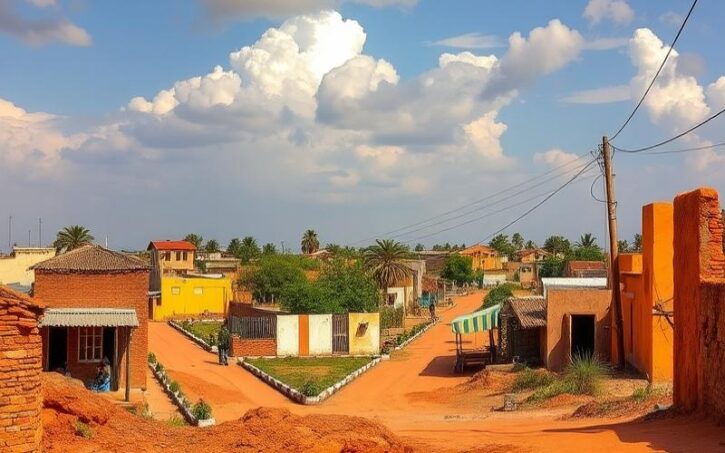
In Senegal, investing in authentic villages is emerging as a promising opportunity for 2025, offering not only financial prospects but also a commitment to sustainable development and cultural preservation.
With exceptional heritage and natural wealth, these villages are increasingly attracting investors seeking unique projects that combine economic profitability and positive social impact.
Faced with growing urbanization, the authenticity and charm of these rural communities hold undeniable appeal for tourists and entrepreneurs in search of immersive experiences and deep human connections.
The Strengths of Senegal’s Authentic Villages for Investors
Senegal, a land of authenticity and opportunity, offers a rich cultural heritage through its traditional villages, which are true gems for visitors and investors. These rural communities, rooted in ancestral traditions, represent considerable potential for various economic sectors.
Senegalese Hospitality, a Core Value
Senegalese villages are renowned for their warm welcome and legendary hospitality. Local communities, proud of their culture, willingly share their daily lives with visitors. This openness is particularly evident through sustainable tourism programs that allow travelers to stay with locals for a complete immersion in village life. Strong community structures encourage visitors to participate in daily activities such as preparing family meals or maintaining community gardens.
Exceptional Craftsmanship, a Reflection of Ancestral Know-How
Senegal’s artisanal heritage is one of the major assets of its traditional villages. The Soumbédioune Artisan Village in Dakar perfectly illustrates this cultural richness, bringing together artisans who perpetuate ancestral techniques. An impressive diversity of handmade items can be found there: beaded jewelry, wood carvings, traditional textiles, African masks, and pottery. Each region has its specialties, such as basketry, pottery, or jewelry-making workshops in Casamance or near Thiès.
In some villages, women specialize in weaving traditional fabrics and dyeing with natural colorants, creating unique pieces that tourists can purchase directly from the artisans. These skills represent not only a tourist attraction but also an investment opportunity in high-value-added artisanal sectors.
Agricultural Potential and Sustainable Development
| Sector | Opportunities | Competitive Advantages |
| Organic Agriculture | Cultivation of certified organic products | Fertile land, traditional know-how |
| Agroforestry | Integrated agricultural systems | Ecosystem preservation, diversified yields |
| Agri-Food Processing | Value addition to local products | Quality raw materials, authenticity |
| Ecotourism | Agricultural discovery tours | Immersive experiences, contact with nature |
Senegalese villages have strong potential for organic and sustainable agriculture, relying on traditional methods that respect the environment. These ancestral practices, combined with modern innovations, offer interesting prospects for developing high-value-added agri-food sectors and ecotourism.
A Favorable Environment for Investments
Senegal’s political stability is a major asset for investors. The government has implemented various policies encouraging investment in rural areas, including tax incentives and territorial development programs. These initiatives aim to boost the rural economy while preserving the authenticity of traditional villages.
Renewable Energy, a Sector of the Future
- Solar Energy: high sunshine potential, especially in rural regions
- Biomass: valorization of agricultural waste for energy production
- Autonomous Mini-Grids: electrification of isolated villages
- Hybrid Solutions: combination of different renewable energy sources
Improvement of Rural Infrastructure
Opening up rural areas is a priority for the Senegalese government. Road infrastructure improvement projects are underway to facilitate access to traditional villages like Bandafassi, nestled in the heart of eastern Senegal. Simultaneously, the deployment of digital connectivity in rural areas opens new perspectives for developing innovative services and accessing international markets.
“Our investment in an artisan cooperative near Oussouye in Casamance has not only generated interesting financial returns but has also allowed us to contribute to preserving a unique cultural heritage. Combining traditional know-how with modern marketing techniques has opened international markets for these authentic products.”
The community village of Bandafassi perfectly illustrates this development potential. Located 15 km from Kédougou and serving as a gateway to Bassari country, it combines cultural richness and economic opportunities in a preserved natural setting.
Artisan villages like Soumbédioune have become genuine drivers of tourism development, serving as showcases for authentic Senegalese products while telling the country’s history and culture. These places contribute to the social and economic upliftment of artisans by providing them with a space to practice their craft and market their creations.
Good to Know:
Senegal’s authentic villages offer investors remarkable cultural wealth, with local communities known for their legendary hospitality and unique craftsmanship, perfect for attracting visitors and boosting cultural tourism. The development of organic and sustainable agriculture presents promising prospects for agri-food and ecotourism. The politically stable country has implemented policies encouraging rural investment, incorporating opportunities in renewable energy and infrastructure improvements, notably roads and digital connectivity. Investors have already benefited from these assets; for example, an agri-industrial company thrived thanks to these abundant natural resources and the welcoming communities.
Rural Real Estate Investment: A Booming Market
Real estate investment in Senegal’s rural areas is experiencing growing importance, driven by several trends and dynamic factors. This movement is explained by the search for portfolio diversification, the country’s economic stability, and public policies favoring rural development.
Current Market Trends
- Notable increase in rural real estate transactions due to the continuous decline in interest rates, making access to credit more attractive for investors.
- Gradual return of buyers to the market with renewed interest in regions outside major urban centers.
- Development of structuring projects in authentic villages stimulated by continuous infrastructure improvements (rural electrification, modernized roads) and the government’s desire to make these territories more economically self-sufficient.
Factors Driving Expansion
- Stable economic growth in Senegal for several years.
- Rapid modernization of infrastructure: expansion of the electricity grid aiming for 100% coverage by 2025, creation or renovation of road and port infrastructure that better connects rural areas to national markets.
- Local initiatives encouraging investment: support for creating village tourism hubs, tax incentives for certain types of sustainable real estate projects or those integrated into the local economy.
Concrete Examples and Local Initiatives
| Village/Locality | Initiatives & Real Estate Projects | Observed Results |
| Saly Portudal | Eco-responsible residential development | Creation of local jobs |
| Toubacouta | Environmentally integrated eco-tourism lodges | Increase in rural tourism |
| Popenguine | Heritage rehabilitation & second homes | Cultural valorization |
In these localities, there is particular enthusiasm for:
- Eco-tourism lodges
- High-end second homes
- Agri-tourism farms combining accommodation and agricultural activities
Popular Property Types and Their Impact on Sustainable Development
Investors are currently favoring:
- Small family homes intended for local populations
- Second homes adapted for national or international tourism
- Ecological projects (houses made from local materials, renewable energy systems)
- Agri-tourism complexes that simultaneously support local agriculture and tourist accommodation
These choices promote harmonious growth with the existing rural fabric while generating additional income through green or solidarity tourism. They also help limit rural exodus by creating economic opportunities locally.
Rural real estate investment in Senegal thus presents itself as a unique opportunity to diversify one’s portfolio while actively participating in the balanced development of the Senegalese territory. The year 2025 looks particularly favorable given the positive signals in the local and international financial market as well as the renewed institutional support for this strategic sector.
Good to Know:
Real estate investment in Senegal’s rural areas is experiencing remarkable growth, notably thanks to the increasing interest in diversifying portfolios with assets of high economic and cultural value. Authentic villages such as Saly, Joal-Fadiouth, and Cap Skirring are attracting more and more investors, drawn by tourism initiatives and sustainable development projects implemented with the support of local authorities. Popular properties include eco-lodges, guesthouses, and agro-ecological farms that integrate harmoniously into the local environment while supporting the rural economy. Government support, coupled with improving infrastructure, also reinforces this dynamism, promising long-term profitability for those who dare to engage in this expanding market.
Preserving Authenticity and Heritage While Boosting the Local Economy
Investment initiatives in Senegal’s authentic villages represent a model of sustainable development that reconciles cultural preservation and economic growth. The concept of integrated rural tourism, particularly developed in Lower Casamance since the 1970s, perfectly illustrates this balanced approach.
The artisan village is a central pillar of this development strategy. These spaces allow local artisans to practice their traditional trades while generating income, creating a virtuous circle between preserving know-how and economic development. These villages redefine the tourist experience by offering visitors the opportunity to acquire unique, authentic products representative of the local culture.
| Benefits of Integrated Rural Tourism | Impact on Communities |
|---|---|
| Creation of direct and indirect jobs | Reduction of youth rural exodus |
| Income generation | Financing of social infrastructure |
| Valorization of traditions | Strengthening of cultural identity |
| Infrastructure development | Improvement of living conditions |
The example of the Abéné camp is particularly revealing. Created in 1980 with an initial investment of 3 million francs, it generated a net profit of 3.5 million francs in its first year of operation on a turnover of 5.5 million, while creating 5 direct jobs. This model demonstrates the economic viability of initiatives that respect local heritage.
To guarantee the balance between preservation and development, several strategies prove effective:
- Directly involve local communities in the design and management of tourism projects
- Establish mechanisms for equitable redistribution of benefits within the villages
- Train young people in traditional trades to ensure the transmission of know-how
- Create quality labels to valorize the authenticity of artisanal products
- Develop infrastructure that respects the environment and cultural landscape
The village of Baila is also an exemplary case where community tourism has revitalized the local economy while preserving cultural identity. These initiatives significantly contribute to the fight against endemic unemployment in rural areas while valorizing cultural heritage.
Integrated rural tourism in Lower Casamance is a true factor in socio-economic and cultural development, as well as in the fight against endemic unemployment.
This development model is inspired by initiatives like Campfire, where the management of African parks is designed to support local development by closely involving village communities. This participatory approach ensures that economic benefits directly benefit local populations while empowering them in preserving their heritage.
Good to Know:
To preserve the authenticity of Senegalese villages while boosting their local economy, it is crucial to implement initiatives that valorize traditions, craftsmanship, and cultural practices. For example, the village of Saly Portudal has successfully developed its tourism sector by integrating cultural and artisanal circuits, enabling the creation of local jobs while increasing income. Strong partnerships between the government, investors, and local communities are essential to ensure that economic development directly benefits residents, through improved infrastructure and heritage preservation. Thus, artisan cooperative models can be established to ensure that the benefits of tourism and craftsmanship are equitably distributed, while supporting the economy. Examples like Joal-Fadiouth demonstrate that an approach focused on cultural respect and community inclusion can achieve a successful balance between economic progress and the preservation of local riches.
Disclaimer: The information provided on this website is for informational purposes only and does not constitute financial, legal, or professional advice. We encourage you to consult qualified experts before making any investment, real estate, or expatriation decisions. Although we strive to maintain up-to-date and accurate information, we do not guarantee the completeness, accuracy, or timeliness of the proposed content. As investment and expatriation involve risks, we disclaim any liability for potential losses or damages arising from the use of this site. Your use of this site confirms your acceptance of these terms and your understanding of the associated risks.

Cyril Jarnias is an independent expert in international wealth management with over 20 years of experience. As an expatriate himself, he is dedicated to helping individuals and business leaders build, protect, and pass on their wealth with complete peace of mind.
On his website, cyriljarnias.com, he shares his expertise on international real estate, offshore company formation, and expatriation.
Thanks to his expertise, he offers sound advice to optimize his clients' wealth management. Cyril Jarnias is also recognized for his appearances in many prestigious media outlets such as BFM Business, les Français de l’étranger, Le Figaro, Les Echos, and Mieux vivre votre argent, where he shares his knowledge and know-how in wealth management.





