
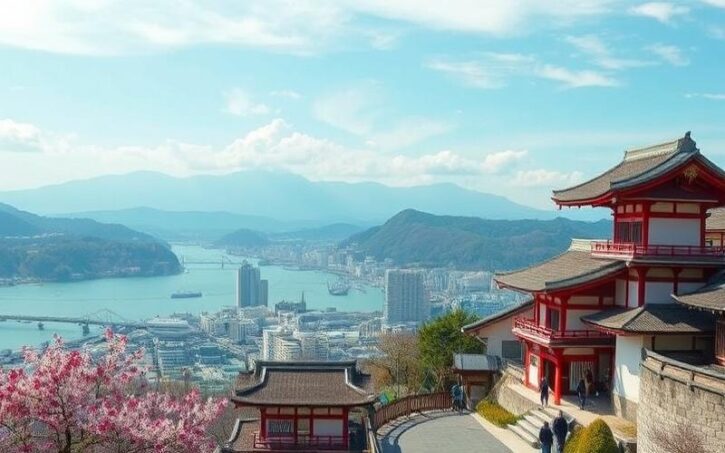
 Published on and written by Cyril Jarnias
As Japan continues to capture attention with its unique blend of ancient traditions and modernity, one area remains largely unexplored: investing in authentic villages. In 2025, these hidden gems offer promising opportunities for those looking to diversify their portfolio and immerse themselves in Japanese cultural heritage. With an urban population seeking serenity and new experiences, Japanese villages present unprecedented potential for sustainable development. Exploring these preserved spaces is not just a financial adventure; it is also a chance to participate in the revitalization of these iconic rural communities, combining profitability with respect for centuries-old traditions.
Highlighting Underestimated Rural Regions in Japan
Cultural and Economic Importance of Local Communities
Local communities in Japan, with their unique culture and traditions, form the national identity while playing a significant economic role through tourism and industry. For example, cultural resources such as traditional crafts and unique festivals attract tourists and support the local economy in connection with local industry.
Furthermore, regional revitalization policy promotes the construction of autonomous and sustainable economic models by leveraging diverse regional characteristics and historical context. These initiatives contribute to a rich and varied evolution for all of Japan, moving away from an excessive concentration on Tokyo.
Revitalization through Sustainable Tourism, Agriculture, and Heritage Preservation
Recently, initiatives focused on sustainable tourism, innovative agriculture, and heritage preservation have attracted attention. For example:
- The village of Niseko in Hokkaido has successfully managed an environmentally friendly tourist resort
- In Matsumoto (Nagano Prefecture), a project to renovate old houses combines historical culture with social activity
Investment Opportunities and Long-Term Benefits in 2025
Investment opportunities in these projects remain promising in 2025:
| Type of Benefit | Description | Impact |
|---|---|---|
| Responsible Approach | Environmental and social respect | Income stability |
| International Competitiveness | Distinctive initiatives | Value creation |
| Job Creation | Collaboration with locals | Community benefits |
Ensuring Sustainability through Responsible Development
For this revitalization, key measures are essential:
- Limiting the number of visitors
- Waste reduction policies
- Strengthening collaboration with local residents
Good to Know:
Japan’s rural regions, often overlooked, play a crucial role in preserving the country’s culture and economy. Recent initiatives focused on sustainable tourism, innovative agriculture, and heritage preservation aim to revitalize these areas. Villages like Shirakawa-go and Biei have successfully attracted investments by leveraging their authenticity and unique way of life, illustrating the potential of these regions.
Investing in Japanese Rural Real Estate: A Profitable Opportunity
Recent Real Estate Price Trends
Although the national average land price in Japan is rising through 2025, in local regions, population decline and decreasing demand are leading to lower prices.
| Area Type | Price Trend | Key Factor |
|---|---|---|
| Urban Areas | Increase | Sustained demand |
| Rural Areas | Decrease | Population decline |
| Tourist Areas | Stabilization | Tourism recovery |
Factors Making Investment Attractive
- Low Initial Cost: Regional properties have lower acquisition costs compared to urban areas
- Government Incentive Policy: Aid available through renovation projects
- Growing Interest in Traditional Lifestyle: Transition of city dwellers to the countryside
Types of Real Estate Available
- Residential Real Estate: Traditional houses, possibility of rental management after renovation
- Commercial Facilities: Cafés, accommodation establishments targeting tourists
- Agricultural Land and Facilities: Destination for green tourism development
Good to Know:
Real estate prices in Japan’s rural areas have recently benefited from an attractive stabilization for investors, made even more interesting by low initial costs and incentive government policies that encourage village revitalization. Regions like Shikoku and Tohoku have attracted attention for their traditional charm.
The Authenticity of Japanese Heritage: An Asset for Investors
The authenticity of Japanese cultural heritage offers significant added value for investors. For example:
- Unique wooden architecture and traditional techniques
- Stimulation of tourist attraction and support for local industries
- Example of Sado Kinzan (World Heritage 2024) generating new opportunities
| Type of Impact | Concrete Example | Benefit |
|---|---|---|
| Tourism | Oya Stone Quarry | Opening of restaurants |
| Crafts | Iizuka Residence | New revenue models |
| Gastronomy | Local agriculture collaboration | High-value services |
Good to Know:
The authenticity of Japanese heritage, with its unique features like the traditional wooden architecture of machiya houses, ancient tea ceremonies, and pristine natural landscapes, offers significant added value for investors. Picturesque villages such as Shirakawa-gō and Gokayama, UNESCO World Heritage sites, attract a growing number of tourists.
Investment Strategies in Authentic Japanese Villages
Investment Strategies in Japan’s Attractive Villages and Their Characteristics
Japan’s rural regions enable sustainable economic activities combining:
- Tourism
- Culture
- Environmental preservation
Cultural, Economic, and Environmental Characteristics and Benefits
The Japanese government has implemented numerous support measures:
| Type of Measure | Description | Benefit |
|---|---|---|
| Tax Breaks | Reductions for rural projects | Increased profitability |
| Subsidies | Direct financial aid | Cost reduction |
| Low-Interest Loans | Japan Bank for International Cooperation | Favorable financing |
Good to Know:
Investing in authentic Japanese villages in 2025 offers interesting opportunities with varied strategies: residential real estate appeals with its affordable prices and growing demand for second homes, while commercial real estate benefits from Japanese policies supporting rural revitalization.
Disclaimer: The information provided on this website is for informational purposes only and does not constitute financial, legal, or professional advice. We encourage you to consult qualified experts before making any investment, real estate, or expatriation decisions. Although we strive to maintain up-to-date and accurate information, we do not guarantee the completeness, accuracy, or timeliness of the proposed content. As investment and expatriation involve risks, we disclaim any liability for potential losses or damages arising from the use of this site. Your use of this site confirms your acceptance of these terms and your understanding of the associated risks.

Cyril Jarnias is an independent expert in international wealth management with over 20 years of experience. As an expatriate himself, he is dedicated to helping individuals and business leaders build, protect, and pass on their wealth with complete peace of mind.
On his website, cyriljarnias.com, he shares his expertise on international real estate, offshore company formation, and expatriation.
Thanks to his expertise, he offers sound advice to optimize his clients' wealth management. Cyril Jarnias is also recognized for his appearances in many prestigious media outlets such as BFM Business, les Français de l’étranger, Le Figaro, Les Echos, and Mieux vivre votre argent, where he shares his knowledge and know-how in wealth management.





