
 Published on and written by Cyril Jarnias
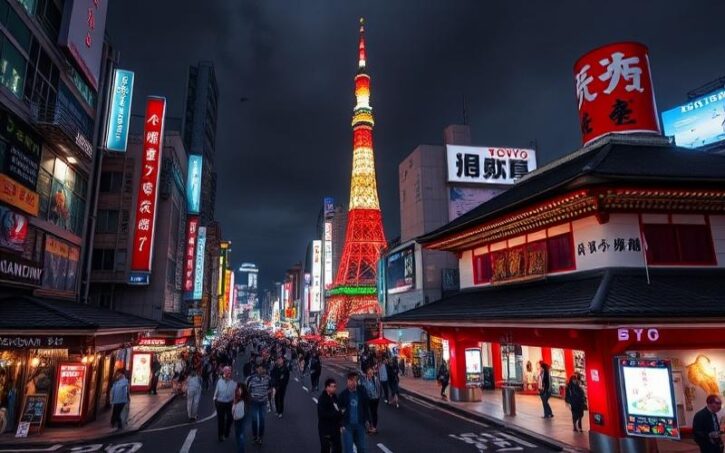
Japan, a country renowned for its technological innovation and harmony between tradition and modernity, is poised to take a new step in its urban development. With an aging population and growing environmental challenges, the Japanese archipelago is betting on ambitious projects to redefine its urban spaces and improve the quality of life for its residents. These initiatives, combining high technology and sustainability, promise to transform the Japanese real estate landscape and offer new opportunities for savvy investors.
Japanese Urban Renaissance: Megaprojects Pushing Boundaries
Japan is embarking on a series of large-scale urban development projects aimed at revitalizing its major cities and creating smarter, more sustainable living spaces. These ambitious initiatives reflect the country’s determination to remain at the forefront of urban innovation while addressing demographic and environmental challenges.
The Takanawa Gateway project, located in Tokyo, perfectly illustrates this futuristic vision. This multifunctional complex, scheduled for completion in 2025, integrates a new Yamanote Line station, office spaces, retail outlets, and luxury hotels. The project emphasizes the harmonious integration of technology and nature, with abundant green spaces and intelligent energy management systems.
In a similar vein, the Toranomon-Azabudai redevelopment project in Tokyo promises to create a state-of-the-art “city within a city.” This 8.1-hectare development, slated to open in 2023, will include residential and office skyscrapers, as well as green spaces and cultural facilities. The project aims to create a sustainable and resilient urban environment capable of operating autonomously in the event of a natural disaster.
In Osaka, the Umekita 2nd Project is transforming a former railway yard into an innovative district focused on innovation and sustainability. This 16-hectare development, scheduled for completion in 2027, will include green spaces, research centers, offices, and housing. The project emphasizes creating an innovation ecosystem by attracting companies and researchers from around the world.
These megaprojects are just the tip of the iceberg. Across the country, smaller-scale but equally innovative initiatives are emerging. For example, the city of Yokohama is developing its “Minato Mirai 21” project, a waterfront business and entertainment district that integrates cutting-edge technologies for energy and waste management.
Good to Know:
Japan is investing heavily in large-scale urban development projects, combining technological innovation, sustainability, and improved quality of life. These initiatives are transforming the urban landscape of Japan’s major cities and creating new opportunities for residents and investors.
A New Real Estate Paradigm: The Impact of Urban Projects on the Japanese Market
Japan’s ambitious urban development projects are having a profound impact on the local real estate market, reshaping the expectations of buyers and investors. This transformation is creating new market dynamics and unprecedented opportunities in the Japanese real estate sector.
The emergence of “smart” and sustainable neighborhoods is strongly influencing real estate market trends. Developments incorporating advanced technologies for energy management, security, and connectivity are increasingly attracting the attention of buyers and tenants. This growing demand for intelligent and eco-friendly living spaces is driving up prices in these new districts, creating premium zones in the market.
For example, apartments in the Toranomon-Azabudai project in Tokyo are expected to command prices above the market average, reflecting the appeal of these futuristic and sustainable living spaces. Similarly, commercial and residential properties around the new Takanawa Gateway station are already experiencing significant value appreciation.
The revitalization of city centers through these urban development projects is also having a notable impact on the real estate market. By creating attractive multifunctional spaces in central urban areas, these projects are helping to reverse the trend of urban sprawl. There is a renewed interest in downtown properties, especially those located near these new developments.
The office real estate market is also being profoundly impacted. The new flexible and technologically advanced workspaces offered in these urban development projects meet the evolving needs of modern businesses. This supply of next-generation offices is stimulating demand and pushing owners of older buildings to modernize their spaces to remain competitive.
Another important aspect is the impact on the rental market. The new neighborhoods developed as part of these projects attract a young and dynamic population, creating sustained demand for quality rentals. This offers interesting opportunities for investors seeking stable rental income in these booming areas.
Finally, these urban development projects are helping to strengthen Japan’s appeal to foreign investors. The combination of world-class infrastructure, cutting-edge technology, and a commitment to sustainability positions the Japanese real estate market as a top destination for international investment.
Good to Know:
Urban development projects in Japan are transforming the real estate market by creating demand for “smart” and sustainable properties, revitalizing city centers, and attracting international investors. These trends offer new investment opportunities in areas with high growth potential.
Seizing the Opportunity: Strategies for Investors in Japan’s New Urban Landscape
The dynamism of urban development in Japan is opening the door to numerous opportunities for savvy real estate investors. To capitalize on this transformation of the urban landscape, it is crucial to adopt well-thought-out strategies and identify the most promising market segments.
Investing in emerging development zones represents a key strategy. Neighborhoods undergoing major redevelopment projects, such as Toranomon-Azabudai in Tokyo or Umekita in Osaka, offer significant appreciation potential. Astute investors can acquire properties in these areas before the projects are completed, benefiting from future real estate value appreciation.
Investing in sustainable and tech-enabled real estate is another promising strategy. Buildings incorporating advanced technologies for energy efficiency, smart management, and sustainability are increasingly sought after by tenants and buyers.
The flexible workspace market also offers interesting prospects. With the evolution of work styles, demand for flexible offices and coworking spaces is on the rise, particularly in new business districts.
Investing in senior housing represents a long-term opportunity, given Japan’s aging population. Urban development projects are increasingly incorporating residences adapted for the elderly, offering specific services and amenities.
Finally, investing in tourism-related assets can be lucrative, especially in urban areas benefiting from major development projects. With the expected recovery of international tourism, hotels and short-term rentals in these newly developed areas could see strong demand.
Good to Know:
Investment opportunities in Japan’s new urban landscape are varied, ranging from sustainable and tech-enabled real estate to flexible workspaces and senior housing. A well-informed investment strategy, taking into account demographic trends and urban development projects, can offer attractive long-term returns.
Navigating the Japanese Real Estate Market: Challenges and Considerations for Foreign Investors
While the Japanese real estate market offers attractive opportunities, foreign investors must be aware of specific challenges and important considerations to succeed in their investments in this unique context.
The language and cultural barrier remains a major obstacle for many foreign investors. The property buying process in Japan can be complex, with cultural nuances and specific business practices that may elude investors unfamiliar with the local market.
The regulatory and legal framework for real estate investment in Japan can be complex for foreigners. While there are no major restrictions on foreign ownership, certain specific regulations can affect investments.
Financing can be a challenge for foreign investors. Japanese banks may be reluctant to grant loans to non-residents, and financing terms may be less favorable.
Remote property management can be complex for foreign investors, especially for residential properties or commercial properties requiring active management.
Risks related to natural disasters are an important consideration in Japan. The country is prone to earthquakes, typhoons, and tsunamis, which can affect the value and safety of real estate investments.
Good to Know:
Investing in Japanese real estate as a foreigner requires a deep understanding of market-specific challenges, including language and cultural barriers, the complex regulatory framework, and remote management considerations. Careful preparation and reliance on local experts can help overcome these obstacles and maximize investment opportunities.

Cyril Jarnias is an independent expert in international wealth management with over 20 years of experience. As an expatriate himself, he is dedicated to helping individuals and business leaders build, protect, and pass on their wealth with complete peace of mind.
On his website, cyriljarnias.com, he shares his expertise on international real estate, offshore company formation, and expatriation.
Thanks to his expertise, he offers sound advice to optimize his clients' wealth management. Cyril Jarnias is also recognized for his appearances in many prestigious media outlets such as BFM Business, les Français de l’étranger, Le Figaro, Les Echos, and Mieux vivre votre argent, where he shares his knowledge and know-how in wealth management.





