
 Published on and written by Cyril Jarnias
Portugal, with its golden sand beaches, rich historical heritage, and renowned gastronomy, has become one of Europe’s most sought-after tourist destinations. This growing popularity has had a considerable impact on the country’s real estate market, transforming not only coastal areas but also historic urban centers. In this article, we will explore in detail how tourism is shaping the Portuguese real estate landscape, creating both opportunities and challenges for investors and local residents.
Portugal’s Gems: Destinations That Make Investors Dream
Portugal is full of tourist destinations that attract millions of visitors each year. These areas have become hotspots for real estate investment, offering lucrative opportunities for those looking to capitalize on the tourism boom.
Lisbon: The Capital at the Heart of the Real Estate Revolution
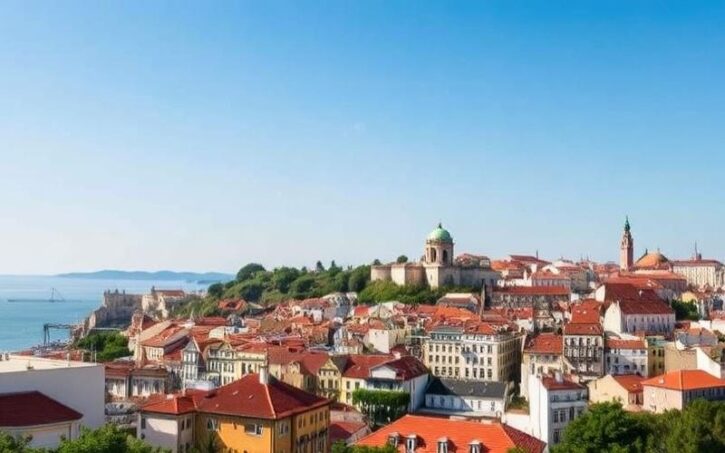
Lisbon, with its historic charm and cosmopolitan atmosphere, is the epicenter of Portugal’s real estate transformation. Neighborhoods like Alfama, Bairro Alto, and Chiado are particularly popular with tourists, which has led to strong demand for short-term rentals. Investors quickly seized this opportunity, converting many traditional apartments into tourist accommodations.
The Algarve: The Beach Paradise That Attracts International Buyers
The Algarve region, renowned for its spectacular beaches and sunny climate, has long been a top choice for tourists and foreign retirees. Cities like Albufeira, Lagos, and Vilamoura have seen their real estate markets soar, with growing demand for luxury villas and seaside apartments.
Porto: The Northern Gem in Full Swing
Porto, Portugal’s second-largest city, is also experiencing a tourism-driven real estate boom. The historic center, a UNESCO World Heritage site, is attracting more and more visitors, which has boosted demand for properties in neighborhoods like Ribeira and Baixa.
Good to know:
Popular tourist areas in Portugal are not limited to the major coastal cities. Regions like the Alentejo and the Azores islands are gaining popularity, offering new investment opportunities in less saturated areas.
Soaring Prices: When Tourist Success Reshapes the Market
The massive influx of tourists and foreign investors has had a significant impact on real estate prices in Portugal, creating both opportunities and challenges.
A Dizzying Rise in Sought-After Areas
In the most popular tourist areas, real estate prices have seen a spectacular increase. In Lisbon, for example, prices have risen by over 130% in 10 years, according to recent data. This increase is particularly pronounced in historic neighborhoods and coastal areas, where demand for short-term rentals is strongest.
The Gentrification Effect: A Double-Edged Sword
The rise in prices has led to a phenomenon of gentrification in many historic neighborhoods. While this has contributed to the renovation and revitalization of some urban areas, it has also posed challenges for local residents, who often find themselves unable to cope with rising rents and the cost of living.
The Creation of Localized “Real Estate Bubbles”
In some highly sought-after areas, such as central Lisbon or parts of the Algarve, we are seeing the formation of localized “real estate bubbles.” Prices in these areas can sometimes seem disconnected from the local economic reality, raising questions about the long-term sustainability of these price levels.
Good to know:
Although prices have risen significantly in tourist areas, there are still investment opportunities in less developed regions of Portugal, where prices remain relatively affordable.
The Rental Investment Boom: A Goldmine for Savvy Owners
The rise of tourism in Portugal has created a thriving market for rental investment, particularly in the short-term rental sector.
The Airbnb Revolution: When Every Apartment Becomes a Potential Hotel
The advent of online rental platforms like Airbnb has transformed the rental investment landscape in Portugal. Many owners have chosen to convert their properties into short-term rentals, attracted by potentially higher returns. In Lisbon, for example, it is not uncommon to see gross rental yields reaching 10 to 12% for well-located seasonal rentals.
“Aparthotels”: A New Trend Winning Over Investors
Faced with growing demand for tourist accommodations, a new concept is emerging: “aparthotels.” These establishments, which combine hotel services with the comfort of an apartment, are particularly popular with tourists and offer interesting investment opportunities for owners.
Regulatory Challenges: Navigating an Ever-Changing Environment
The success of rental investment has led to the introduction of new regulations aimed at governing this booming market. Investors must now navigate a complex regulatory environment, with restrictions on short-term rentals in certain areas and stricter licensing requirements.
Good to know:
Despite the regulatory challenges, rental investment in Portugal remains attractive. Savvy investors are turning to long-term strategies, combining short-term and long-term rentals to maximize their returns while complying with new regulations.
The Future of the Portuguese Real Estate Market: Between Opportunities and Challenges
As tourism continues to play a major role in the Portuguese economy, the country’s real estate market finds itself at a crossroads. On one hand, investment opportunities remain plentiful, with significant growth potential still present in some regions. On the other hand, challenges are emerging, particularly in terms of housing affordability for local residents and the sustainability of the tourism development model.
Diversifying Investments: Beyond Traditional Tourist Areas
Savvy investors are starting to look beyond traditional tourist areas, exploring opportunities in less developed regions of Portugal. Cities like Coimbra, Braga, or Évora offer interesting growth potential, with still affordable prices and an attractive quality of life.
Sustainable Development: A Key Issue for the Future
Faced with growing concerns about the environmental and social impact of mass tourism, there is a trend towards more sustainable forms of tourism. In real estate, this translates into growing demand for eco-friendly properties and development projects that integrate harmoniously into their environment.
Balancing Tourism and Local Life: A Challenge to Overcome
One of the main challenges for the future of the Portuguese real estate market will be finding a balance between the needs of the tourism sector and those of local residents. Initiatives aimed at preserving the social fabric of historic neighborhoods and ensuring access to housing for local populations will be crucial to ensuring the harmonious and sustainable development of the real estate market.
Good to know:
The Portuguese government recently announced measures aimed at encouraging real estate investment in rural and less developed areas of the country, offering tax incentives and subsidies for the renovation of old properties. These initiatives could open up new opportunities for investors while contributing to the balanced development of the territory.
The impact of tourism on the real estate market in Portugal is undeniable. It has transformed entire cities, created new investment opportunities, and posed unique challenges. As the country continues to attract visitors from around the world, the Portuguese real estate market remains dynamic and full of potential. For investors, the key to success will lie in the ability to anticipate trends, adapt to new regulations, and adopt a responsible and sustainable approach to real estate investment.
Disclaimer: The information provided on this website is for informational purposes only and does not constitute financial, legal, or professional advice. We encourage you to consult qualified experts before making any investment, real estate, or expatriation decisions. Although we strive to maintain up-to-date and accurate information, we do not guarantee the completeness, accuracy, or timeliness of the proposed content. As investment and expatriation involve risks, we disclaim any liability for potential losses or damages arising from the use of this site. Your use of this site confirms your acceptance of these terms and your understanding of the associated risks.

Cyril Jarnias is an independent expert in international wealth management with over 20 years of experience. As an expatriate himself, he is dedicated to helping individuals and business leaders build, protect, and pass on their wealth with complete peace of mind.
On his website, cyriljarnias.com, he shares his expertise on international real estate, offshore company formation, and expatriation.
Thanks to his expertise, he offers sound advice to optimize his clients' wealth management. Cyril Jarnias is also recognized for his appearances in many prestigious media outlets such as BFM Business, les Français de l’étranger, Le Figaro, Les Echos, and Mieux vivre votre argent, where he shares his knowledge and know-how in wealth management.





