
 Published on and written by Cyril Jarnias
In a world where cultural authenticity is becoming increasingly rare, investing in the authentic villages of Panama presents a unique opportunity for visionary entrepreneurs looking ahead to 2025. These small communities, nestled between breathtaking landscapes and a history rich in traditions, offer significant economic and tourism development potential.
As the country continues its real estate and infrastructure expansion, these villages are emerging as raw gems ready to welcome innovative projects that respect the environment and local dynamics.
With a growing government commitment to promoting sustainable tourism and international demand for authentic travel experiences, investing in these villages is becoming a promising and attractive strategy for those seeking to combine profitability with positive social impact.
Exploring the Potential of Authentic Villages in Panama
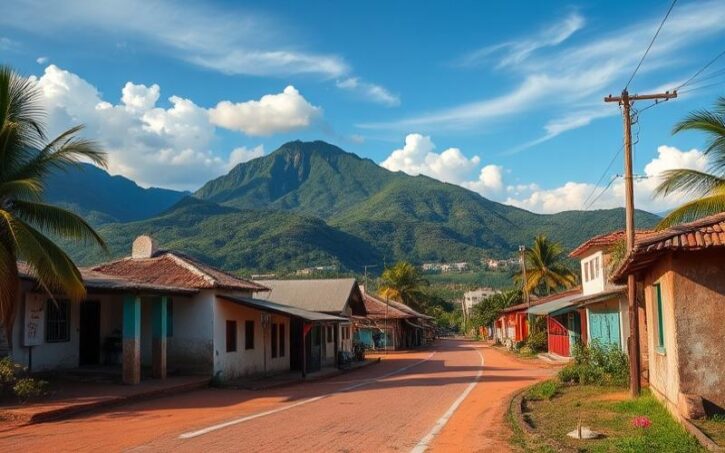
The authentic villages of Panama attract investors with their traditional architecture blending colonial and indigenous influences, their rich history marked by piracy, slavery, and intercultural exchanges, as well as a living cultural heritage visible in the arts, crafts, and local festivals.
Attractive Features of Panamanian Villages:
- Unique Architecture: Colorful wooden or stone houses, colonial remnants, ancient churches.
- Cultural Heritage: Indigenous communities (Emberá, Kuna, Wounaan) preserving traditions, crafts, dances, and typical cuisine.
- History: Villages like Portobelo, linked to the era of pirates and colonial trade.
- Natural Environment: Proximity to national parks, preserved beaches, and tropical forests.
- Authenticity: Traditional lifestyles, low urbanization, warm hospitality.
Potential Industries for Investment:
| Sector | Investment Potential | Specific Strengths |
|---|---|---|
| Ecotourism | Sustainable accommodations, eco-lodges | Forests, wildlife, beaches, birdwatching, cultural immersion |
| Local Crafts | Workshops, stores, export | Kuna molas, hats, weavings, wood or ceramic items |
| Sustainable Agriculture | Coffee, cocoa, tropical fruits, agroforestry | Fertile lands, ancestral knowledge, short supply chains |
Government Initiatives and Support Programs:
- Rural microcredit programs to encourage local entrepreneurship.
- Tax incentives for sustainable ecotourism and agricultural projects.
- Heritage promotion and infrastructure development projects (roads, electricity access, internet).
- Support for vocational training in tourism hospitality and craft skill enhancement.
Demographic and Economic Trends Toward 2025:
- Slowing rural exodus: Young people are rediscovering the value of developing their territory, especially through tourism and the green economy.
- Growth in international tourism: Demand for authentic, off-the-beaten-path experiences and the rise of ecotourism.
- Valuation of short supply chains: Growing demand for local and organic products.
- Regional economic dynamism: Easier access to national and international markets thanks to improved infrastructure.
Potential Challenges and Strategies to Overcome Them:
Geographic isolation: Weak transportation and communication infrastructure.
Strategy: Invest in improving roads, digital connectivity, and soft mobility solutions adapted to the rural context.
Lack of training in tourism hospitality and business management.
Strategy: Develop partnerships with NGOs, universities, and private actors for ongoing training.
Risk of loss of authenticity and commodification of heritage.
Strategy: Involve communities in project governance, prioritize local initiatives and the social economy.
Environmental pressures linked to increased tourist traffic.
Strategy: Implement visitor quotas, promote ecotourism labels, encourage awareness of ecosystem preservation.
Good to Know:
The authentic villages of Panama attract investors with their picturesque architecture, rich history, and vibrant cultural heritage—rare and sought-after elements. Investment in ecotourism, local crafts, and sustainable agriculture is proving promising, supported by government initiatives such as grants or tax breaks to foster economic development. With a growing population and infrastructure modernization, these villages are becoming increasingly accessible and attractive, despite challenges like geographic isolation or the need for improved basic services. Strategies such as collaboration with local communities for respectful and sustainable development are crucial to overcoming these obstacles, in order to capitalize on the opportunities offered by these still largely unexplored gems toward 2025.
Key Takeaways:
The authentic villages of Panama offer rare potential for investments aligned with sustainable development, heritage enhancement, and social innovation. Success depends on collaboration with local communities, environmental preservation, and integrating new generations into the economic dynamic.
Keys to Profitable Rural Real Estate Investment
The determining factors for a successful real estate investment in rural areas of Panama are varied and require careful analysis of several essential dimensions.
Key Success Factors:
- Accessibility of Authentic Villages
- Attractive rural villages, such as Boquete or certain coastal locations in Chiriquí, offer a privileged natural setting and an authentic atmosphere.
- Accessibility via roads passable year-round is crucial to ensure a property’s value and profitability.
- Proximity to tourist or urban hubs increases rental potential.
- Real Estate Growth Potential
- Regions under development, benefiting from increased tourism (especially ecotourism), see their real estate market steadily progress.
- In certain sought-after rural areas (Boquete, Chiriquí), net returns can reach between 3% and 8%, depending on the precise location and property quality.
- Understanding the Local Market
- A good knowledge of local property laws, especially those concerning short-term rentals like Airbnb, avoids unpleasant administrative or tax surprises.
- Using local experts helps identify undervalued properties or those with strong potential.
- Impact of Infrastructure and Public Services on Profitability
- High-speed internet access
- Reliable electrical grid
- Potable water system
- Presence of schools and medical facilities
| Village/Region | Main Strengths | Estimated Return |
|---|---|---|
| Boquete | Temperate climate, expat community | Net: ~3–8% |
| Chiriquí Beaches | Growing ecotourism | Price per sq ft: $800–1200 |
| Santa Fe | Preserved nature | High potential |
Tax Benefits & Specific Incentives:
- Simplified residency for qualified real estate investors in certain rural villages; this allows an immediate reduction in local taxes upon actual relocation to Panama.
- Tax exemptions sometimes granted on certain new projects aimed at revitalizing rural areas.
Economic & Demographic Trends Influencing the Rural Sector:
- Sustained growth driven by the arrival of foreign retirees seeking peace and moderate cost of living.
- Selective international immigration that indirectly stimulates the rural market through increased demand for furnished rentals or second homes.
- Tourism dynamic oriented toward nature/ecology, which particularly values properties near nature reserves or protected beaches.
In summary, succeeding in rural real estate investment in Panama mainly relies on:
- Rigorous selection of the village,
- Thorough analysis of local economic potential,
- Constant monitoring of public infrastructure development,
- Mastery of administrative/tax specifics for foreign investments.
Good to Know:
To succeed in a real estate investment in rural areas of Panama, it is crucial to consider the accessibility of authentic villages whose growth is influenced by improvements in infrastructure and public services, such as the road network and electricity access. Villages like Pedasí and Santa Catalina show growth potential due to the rise of rural tourism and favorable economic trends, including increased demand for unique accommodations. Informing yourself about the local market is essential to uncover advantageous rental or resale opportunities and benefit from tax incentives provided by the Panamanian government to encourage rural development. Keep in mind the importance of demographic trends, such as urban exodus or the settlement of foreign retirees, which can positively impact the profitability of your investment.
Preserving and Enhancing the Authenticity of Panamanian Heritage
Preserving and enhancing the authenticity of Panamanian heritage involves highlighting local cultural traditions and the historical architecture of villages. These elements constitute the collective identity of communities and are the foundation for sustainable and respectful territorial development.
The Importance of Valuing Traditions and Architecture:
- Local customs, music, dance, gastronomy, and crafts embody Panama’s cultural diversity.
- The traditional architecture of villages, with its local materials and know-how, testifies to history and populations’ adaptation to their environment.
- Preserving these assets fosters a sense of belonging and strengthens social cohesion.
Integration into Investment Projects:
- Investment projects can include restoring historic buildings, creating thematic tourist circuits, or rehabilitating public squares while respecting original architecture.
- Including local craft products in the tourism offering, training guides from the communities, and highlighting traditional festivals generate direct economic benefits for residents.
International Examples of Successful Preservation and Possible Adaptation to Panama:
| Village or Site | Preservation Practice | Adaptation to Panama |
|---|---|---|
| Alberobello (Italy) | Controlled renovation of trulli, educational circuits, resident involvement | Restoration of traditional wooden or stone houses, living craft museums |
| Shirakawa-go (Japan) | Conservation of thatched roofs, local festivals, homestay accommodations | Preservation of local roofs and facades, development of community agrotourism |
| Cusco (Peru) | Renovation charter, artisan training, promotion of Andean festivals | Creation of local charters, training of Panamanian artisans, valorization of carnivals |
Role of Local Actors:
- Artisans: Transmission of traditional techniques, production of unique items, workshops for visitors.
- Entrepreneurs: Creation of accommodations or restaurants highlighting local heritage, development of discovery circuits.
- Communities: Participation in project governance, organization of cultural events, animation of public spaces.
Community engagement is essential to ensure the social acceptability of projects and guarantee the sustainability of initiatives. It helps avoid folklorization and promotes residents’ ownership of heritage.
Potential Challenges and Mitigation Strategies:
- Risk of loss of authenticity due to tourist pressure and real estate investments.
- Standardization of cultural products to meet tourist demand, at the expense of local diversity.
- Displacement of populations or exclusion of residents from economic benefits.
Proposed Strategies:
- Development of local preservation and enhancement charters, involving all stakeholders.
- Implementation of quality control mechanisms for interventions on built heritage.
- Encouragement of short economic circuits and low-impact tourism.
- Awareness and ongoing training of local actors in heritage management and sustainable development.
Preserving the authenticity of Panamanian heritage means ensuring the transmission of values, know-how, and collective memory, while creating inclusive and sustainable economic opportunities.
Good to Know:
To preserve and enhance the authenticity of Panamanian heritage, it is crucial to promote local cultural traditions and the historical architecture of villages, integrating these elements into investment projects to maintain their identity while stimulating the economy. Successful initiatives, like those seen in Tuscany, where heritage is respected through faithful restorations and traditional festivals, offer a model of sustainable development applicable to Panama. Artisans, local entrepreneurs, and communities play a central role by showcasing their know-how and customs, thus fostering collective engagement. However, it is essential to manage the challenge of preservation in the face of tourist influx and economic growth, by adopting strategies such as regulating real estate development and implementing tourism calendars that balance flow and preservation.
Disclaimer: The information provided on this website is for informational purposes only and does not constitute financial, legal, or professional advice. We encourage you to consult qualified experts before making any investment, real estate, or expatriation decisions. Although we strive to maintain up-to-date and accurate information, we do not guarantee the completeness, accuracy, or timeliness of the proposed content. As investment and expatriation involve risks, we disclaim any liability for potential losses or damages arising from the use of this site. Your use of this site confirms your acceptance of these terms and your understanding of the associated risks.

Cyril Jarnias is an independent expert in international wealth management with over 20 years of experience. As an expatriate himself, he is dedicated to helping individuals and business leaders build, protect, and pass on their wealth with complete peace of mind.
On his website, cyriljarnias.com, he shares his expertise on international real estate, offshore company formation, and expatriation.
Thanks to his expertise, he offers sound advice to optimize his clients' wealth management. Cyril Jarnias is also recognized for his appearances in many prestigious media outlets such as BFM Business, les Français de l’étranger, Le Figaro, Les Echos, and Mieux vivre votre argent, where he shares his knowledge and know-how in wealth management.





