
 Published on and written by Cyril Jarnias
During the day, much of Turkmenistan appears frozen in the white marble of its official buildings. But when the sun disappears behind the Kopetdag mountains and the heat subsides, a different reality is revealed. Luxury hotel bars, discreet clubs, traditional teahouses, still-bustling markets, folk music concerts, rooftops with panoramic views: nightlife does indeed exist, especially in Ashgabat, even if it remains heavily regulated by the state.
Nightlife, particularly in Ashgabat nicknamed ‘Ash-Vegas’, exists but is highly regulated. It does not allow for improvisation and is mainly limited to venues known to expatriates, cultural institutions, and places frequented by local youth, all within the strict framework of the regime.
Ashgabat After Sunset: A Backdrop of Marble, Neon, and Contrasts
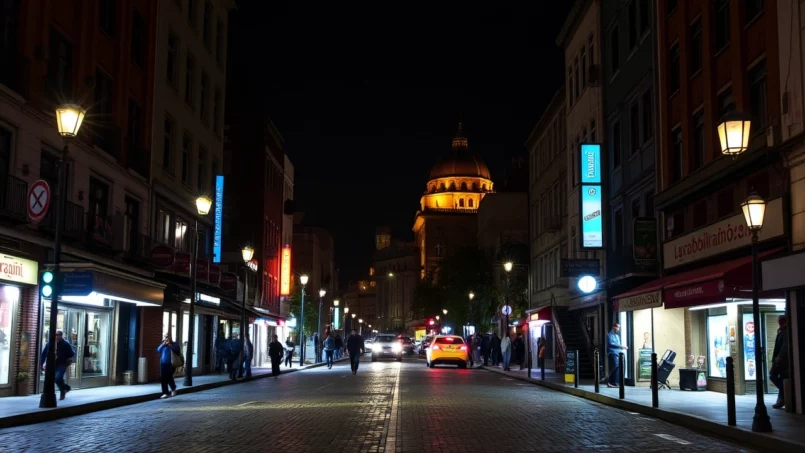
Ashgabat, the capital, concentrates most of the country’s nightlife. The city, rebuilt after the 1948 earthquake, has been transformed into a showcase of white marble: wide avenues, futuristic monuments, buildings covered in immaculate stone, golden statues, illuminated fountains. Seen at night, it justifies its nickname of the “white and golden city”: façades glitter, monuments are outlined with colored LEDs, and urban vistas sometimes take on the air of a movie set.
In many cities, despite spectacular illuminations, the main streets can seem empty. Nighttime activity is in fact concentrated in specific, established venues, such as hotel clubs, well-known pubs, teahouses, covered markets, theaters, and cultural centers, rather than being evenly spread throughout the entire downtown area.
The contrast is all the more striking: on one side, one of the most locked-down states on the planet, where plainclothes police are omnipresent and where an 11 p.m. curfew regulates movement; on the other, a youth seeking to dance, listen to DJs, enjoy concerts, go to karaoke, or simply have a glass of Turkmenbashi vodka with friends after work.
Luxury Hotels, Rooftops, and Panoramic Bars: The Night from Above
Ashgabat’s high-end hotels constitute the most visible – and politically acceptable – heart of nightlife. They concentrate bars, lounges, and sometimes clubs, and offer a form of calibrated entertainment for affluent locals as well as diplomats, businesspeople, and the rare tourist.
The Plush Universe of the Yyldyz Hotel and Its Multiple Bars
The Yyldyz Hotel, a huge egg-shaped building perched on a hill, is one of the symbols of this “official showcase” version of nightlife. It combines several spaces for going out in the evening, each with its own atmosphere.
The establishment offers several relaxation and dining spaces with different atmospheres. A panoramic bar offers spectacular views of the capital, ideal for a drink in smart attire. A more intimate mezzanine bar allows you to enjoy cocktails, aperitifs, and snacks in an atmosphere crafted by lighting and music. For a lighter break, a pool bar and a spa bar are dedicated to fresh juices, herbal teas, and light drinks. Finally, the restaurants on the 12th floor, with views of the Kopetdag mountains and Ashgabat’s illuminated monuments, extend this high-end nighttime experience.
The Yyldyz is also associated with a club described as “trendy”, featuring top DJs and international programming, all in a polished setting reserved for clientele willing to adopt a smart dress code and respect the unwritten rules of local nightlife.
Table – Examples of Nighttime Spaces at the Yyldyz Hotel
| Space | Type of Venue | Nighttime Features |
|---|---|---|
| Panoramic Bar | Rooftop / lounge | Overall view of Ashgabat, food and cocktails |
| Mezzanine Bar | Atmosphere bar | Music, light effects, aperitifs and snacks |
| Spa Bar | Wellness bar | Fresh juices, light cocktails, herbal teas |
| Pool Bar | Pool bar | Cocktails and aperitifs outdoors |
| Yyldyz (club) | Trendy nightclub | Top DJs, designer interior, chic clientele |
Rooftops and Skylines: Cocktail Heaven, Sky Lounge, and Minara
Rooftop bars have become the go-to spots to enjoy the illuminated city, photograph monuments, and mingle with a fairly affluent urban clientele.
Cocktail Heaven focuses on mixology and a polished ambiance with a panoramic view of the marble towers and monumental axes of the capital. Similarly, the Sky Lounge, located at the top of a popular hotel, attracts a mixed clientele of expats and Turkmen thanks to its DJ programming and occasional organization of small private events.
Another iconic venue for the view: Minara Restaurant, housed in a building shaped like an Aztec pyramid, in the heart of Independence Park, on the outskirts of Ashgabat. Perched on the 5th floor, it is renowned for offering one of the most impressive – and affordable – views of the entire city. It is accessed via a shopping mall on the ground floor before reaching the central elevators.
Table – Some Rooftops and Panoramic Restaurants in Ashgabat
| Venue | Location | Nighttime Assets |
|---|---|---|
| Cocktail Heaven | Top of a hotel | Sophisticated cocktails, panoramic view |
| Sky Lounge | Rooftop of a large hotel | DJs, events, Ashgabat skyline |
| Minara Restaurant | Independence Park | 360° view of the city, relatively affordable prices |
Arriving early in the evening is recommended: these places can become popular quickly, especially on weekends and during festivals or major national holidays.
Pubs, Bars, and Cafés: A Discreet but Very Real Social Life
Behind the ultra-controlled image of the capital, a whole series of more or less informal pubs, cafés, and bars play a fundamental role in nighttime sociability. Some have become real institutions, long known to expatriates, NGO workers, or students.
The British Pub and the Ecosystem of “Western-style” Bars
Among these venues, the British Pub holds a special place. A deliberate stereotype of a British pub – pool table, imported or local dishes and beers – it is described as a pillar of Ashgabat’s nightlife scene. People go there to drink Turkmen or international beers, try cheap cognac shots, or watch a game, all in a deliberately cozy setting.
Located beneath certain clubs like Florida or Kumush Ay according to sources, the British Pub often serves as a starting point for an evening: meeting friends, gauging the atmosphere, then heading upstairs to dance in the club located just above. A persistent rumor suggests the place might be monitored, which illustrates the diffuse mistrust surrounding some venues frequented by foreigners in a country where the secret police remain active.
Several establishments like the Saray Pub, Diamond Pub, Bulldog Bar, Panda Bar, Iceberg Bar, and Vibe Bar offer a hybrid blend, mixing local culture (shashlik) and international codes (sports on screen, cocktails, pop music, and globalized snacks).
Table – Some Iconic Pubs and Bars in Ashgabat
| Venue | Type of Venue | Atmosphere and Special Features |
|---|---|---|
| British Pub | “English” pub | Pool, beers, expats, base for many nights out |
| Saray Pub | Pub | Lively atmosphere, Turkmen and international flavors |
| Diamond Pub | Lively bar | Mix of local culture / foreign influences |
| Bulldog Bar | Friendly bar | Socializing spot, dynamic local ambiance |
| Iceberg Bar | Beer garden / bar | Reference for beer enthusiasts |
Zip Bar and the Culture of Expat Haunts
Another very particular venue: the Zip Bar, often cited as the informal meeting spot for Peace Corps volunteers and other expats. Simple, cheap, with an outdoor terrace, the place is best known for its generous dishes – notably a “Mexican” pizza and shashlik – and for the relative freedom of speech that prevails there.
Again, the typical evening is built around very specific codes: people meet in groups, chat at length over cheap beers, and you can almost certainly count on running into other English speakers on Friday or Saturday night.
Cafés and Coffee Shops: A Softer Nightlife
Alongside bars, the capital has seen the development of a real coffee culture in recent years. New establishments stay open until late evening, becoming more subdued socializing spaces, suited to friendly or professional meetings.
Discover two popular establishments in the Bagtyyarlyk district for a coffee break, a meal, or a work session.
Open until 11 p.m., this café offers a mixed menu with local and international dishes, pastries, coffee, and Wi-Fi access.
A few streets away, this café specializes in Turkmen specialties and fresh juices, offering a warm decor with an outdoor terrace.
Sha Coffee, located on Inspiration Alley and in the Berkarar shopping center, embodies this new generation of venues on its own: trendy decor, mismatched furniture, Wi-Fi, a menu blending tacos, schnitzel, burgers, and frappuccinos. The founder, inspired by a stay in London, imported the idea of the café as a living space, open all day until night.
Ammar Cafe, on Gorogly Street, functions as a hybrid café-bar: Movenpick coffee, homemade ice cream, burgers, gutabs (Turkmen pastries) but also alcohol and ambient music, with a smoking area and Wi-Fi. You’ll see families as well as groups of friends later in the evening.
Table – Examples of Cafés and Coffee Shops Open Late
| Venue | Approximate Hours | Nighttime Positioning |
|---|---|---|
| Kofe 30 | Until 11 p.m. | Café-restaurant with Wi-Fi, mixed cuisine |
| Üzüm Café | Until 11 p.m. | Turkmen cuisine, terrace, cozy ambiance |
| Sha Coffee | Until 11 p.m. | Modern coffee shop, international menu |
| Ammar Cafe | Until 11 p.m. | Café-bar, ice cream, alcohol, music |
These venues reflect a notable trend: for many young Turkmen, especially in a conservative country, the nighttime café or teahouse remains a more comfortable and socially acceptable place than the pure club or hardcore bar.
Clubs and Discos: Dancefloors Under Surveillance
Contrary to the image of a country without nightlife, Ashgabat is home to a series of clubs and discos, sometimes surprisingly modern. Their common point: very structured operations, strict dress codes, and, most often, an anchor in large hotels or “safe” complexes.
Mukam Club, Kumush Ay, Nissa: The Official Temples of the Night
The Mukam Club is often presented as one of Ashgabat’s main clubs. Half-pub, half-disco, it combines electronic music, light shows, a large dance floor, and a menu of cocktails and snacks. Open daily from noon to 11 p.m., it mixes a young local clientele and expatriates, notably through themed nights and programming of local or foreign DJs.
The Kumush Ay club specializes in powerful bass trance, with an intense visual ambiance (strobes, aggressive lighting). Very busy on weekends, it closes very late. A smart-casual dress code is strictly enforced: athletic sneakers and overly casual attire are not allowed.
The “Disco” at the Nissa Hotel (sometimes spelled Nizza) represents one of the capital’s latest dancefloors. Opening from 9 p.m., it only really starts to come alive after midnight and can stay open until 5 a.m., even on weekdays, with particularly busy weekends. Here too, proper attire is required.
Table – Some Iconic Clubs in Ashgabat
| Club | Special Features | Hours or Rhythm |
|---|---|---|
| Mukam Club | Club-pub, local/international DJs, themed nights | Daily, approx. 12 p.m. – 11 p.m. |
| Kumush Ay | Trance, strobes, smart-casual dress code | Peak attendance on weekends, late closing |
| Disco (Nissa Hotel) | Hotel dancefloor, very late on weekends | 9 p.m. – 5 a.m., quieter on weekdays |
| Yyldyz (club) | Trendy club with top DJs, sophisticated decor | Variable hours depending on programming |
| Horizon, Florida, Aýna World Disco, Zaman, Miras, Mask Club, Nusay Disco, Horizon, Velmart Lounge | Various clubs and lounges, often linked to hotels or complexes | Activity concentrated on evenings and weekends |
The Darker Side: Basement Clubs and “Borderline” Venues
Alongside these presentable places, some establishments have a more dubious reputation. The basement of the Ak Altyn Hotel, for example, houses a club simply marked by a “Disco” sign. Inside: deafening music, dense smoke, local clientele, presence of sex workers, and an adjoining pool room where you can bring your own alcohol.
Some clubs, housed in former international hotels, offer a dated but faithful atmosphere, reserved for insiders. It is crucial to know that prostitution is illegal, relations between foreigners and Turkmen women are closely monitored, and a simple night out can be considered a crime.
Theaters, Concerts, and Shows: The Cultural Side of Night
For many Turkmen, going out in the evening means first attending a play, a concert, a ballet, or a folk show. In a country where the state tightly controls cultural content, theaters and concert halls constitute privileged venues for staging national narratives, traditional stories, and regulated performances.
National Theaters and Turkmen Dramas
Ashgabat has several state theaters, each with its own identity. The Turkmen State Drama Theatre and the Mollanepes Drama Theatre, for example, stage stories inspired by Turkmen literature and folklore. The Mollanepes is generally open Wednesday through Saturday at 7 p.m., offering adaptations of folktales and national dramas.
The Magtymguly National Music and Drama Theatre, recognizable by its golden façade, offers a variety of musical shows, sometimes including international productions. The hall is comfortable and equipped with a cloakroom and a bar. It is important to note that programming is mainly in winter, with activities suspended during the summer.
Other theaters bear the names of great historical or literary figures – Alp Arslan, Turkmenbashi, Kemine – and offer evening plays with evocative titles that mix love, patriotism, comedy, and social morality.
Concerts, Dance, and Puppetry
Evenings can also be spent at the Turkmenistan Concert Hall, where concerts of traditional, classical, or sometimes international music follow one another. A state puppet theater presents shows in several sessions in the late afternoon and evening, intended for families with children. It features popular folklore characters staged in humorous scenarios.
An opera and ballet exist in Kabul, although these arts were long prohibited, considered incompatible with national culture. A gradual revival began in the late 2010s, marking a timid reopening in this field.
Table – Main Evening Performance Venues in Ashgabat
| Venue | Type of Performances | Time of Day |
|---|---|---|
| Turkmen State Drama Theatre | Plays inspired by Turkmen stories | Evening (around 7 p.m.) |
| Mollanepes Drama Theatre | Folktales and folk dramas | Wednesday–Saturday, 7 p.m. |
| Magtymguly National Music and Drama Theatre | Musical shows, sometimes international | Mainly winter, 7 p.m. |
| Turkmenistan Concert Hall | Classical, folk concerts, events | Evening |
| State Puppet Theater | Family shows | Late afternoon and evening |
In these venues, attire is expected to be sober and neat, punctuality is the norm, and photography is often strictly regulated. For visitors, it is also an opportunity to observe traditional attire – colorful round hats for men and young women, bright scarves for married women – and to better understand the aesthetic promoted by the regime.
Teahouses, Evening Markets, and “Quiet” Outings
The Turkmen night is not limited to clubs and theaters. In a predominantly Muslim country, frequenting teahouses and respectable cafés plays a central role in social life.
Teahouses and Late Ceremonies
Traditional teahouses stay open late and constitute a friendly alternative to alcohol-serving bars. They serve aromatic teas, often accompanied by sweet pastries, in a subdued atmosphere conducive to discussions among friends or family.
Some organize real tea ceremonies, punctuated by small rituals and explanations about the origin of the leaves or infusion techniques. For travelers, these places offer a more authentic and culturally rooted way of “going out in the evening,” far from the neon lights of clubs.
Night Markets and Late Shopping
While regular shops generally close around 6 p.m., some markets extend their activities into the evening. The Turkmenbazary – a large market offering handicrafts, modern fashion, prepared food products – is among these places where you can still shop later.
The legendary Russian bazaar in the heart of the capital, open from 8 a.m. to 10 p.m. An ideal place for an evening stroll among the stalls.
Meats, Russian-inspired charcuterie, local vodka and wine.
Carpets, decorative objects, nesting dolls and painted boxes.
Structures shaped like large umbrellas, activity concentrated during the day.
The immense Altyn Asyr bazaar, on the outskirts, operates mainly during the day, but its size – over 100 hectares – and its facilities (hotel, cafés, brasseries, fountains) also make it a space frequented during the last opening hours, notably for a bite to eat or a stroll in the cool air.
Table – Markets and Shopping Centers to Frequent in the Evening
| Venue | Indicative Hours | Nighttime Interest |
|---|---|---|
| Russian Bazaar / Gulistan | 8 a.m. – 10 p.m. | Souvenir and food shopping until late |
| Turkmenbazary | Extended hours | Handicrafts, clothing, food products |
| Altyn Asyr Bazaar | Mainly daytime, but cafés and bistros on site | Strolling at the end of the day, meals, cafés |
| Arkach Shopping Center | Opened in 2024, with cinema, restaurants, cafés | Movie nights, restaurants, shopping |
Food Courts, Fast Food, and International Restaurants
Modern shopping centers like Berkarar or Arkach house a new generation of restaurants and food courts that remain lively in the evening: coffee shops, fast food, American-style burgers (Burger Zone), Japanese restaurants (Ýelken, Yunus), Italian or Mediterranean, and even establishments blending Chinese, Indian, and Western cuisine like Florida (in its restaurant version).
For the Turkmen middle classes and for families, this offering represents a modern and socially more neutral way to enjoy the city after dark, often more acceptable than alcohol-serving bars, especially for women.
Parties, Festivals, and Special Nights: When the City Lights Up
The Turkmen calendar is punctuated by national, religious, cultural holidays that episodically transform the nighttime atmosphere. On those nights, the city fills up, fireworks explode above monuments, and controls are reinforced, but the celebration does indeed exist.
Major Festive Dates
Independence Day, in late September, gives rise to parades, concerts, exhibitions and a major fireworks display that lights up Ashgabat’s sky. Neutrality Day in December is also accompanied by official ceremonies and concerts.
The Turkmen New Year, celebrated in March, and Nowruz (Persian New Year, around March 20-21) are spring festivals combining music, dance, and traditional cuisine, often into the evening. Other cultural events punctuate the year, such as music festivals, handicraft festivals, fashion (Ashgabat Fashion Week), the Turkmen Carpet Festival, Akhal-Teke Horse Day, or exhibitions such as Turkmenistan Expo, frequently with activities scheduled in the evening.
An Ashgabat International Music Festival regularly brings together artists from different countries, while film festivals – like the Ashgabat International Film Festival or weeks dedicated to a foreign culture, such as Japanese week with tea ceremonies and film screenings – transform the nighttime landscape during the programming period.
For the visitor, these moments offer a rare opportunity to see the city come alive outdoors: families attending shows, young people enjoying concerts, food stalls, special lighting. But it is imperative to get information in advance, reserve tickets, and accept the density of checks and the massive presence of security forces.
Alcohol, Traditional Drinks, and Consumption Codes
Despite its Muslim identity, Turkmenistan is not exempt from alcohol consumption. A Soviet legacy dictates that vodka – particularly locally produced Turkmenbashi vodka – holds a central place in the festive imagination. Turkmen beer is also appreciated, notably in taverns and beer gardens like Iceberg Bar or Berk Garden Pub.
The menu offers an iconic post-Soviet combination, pairing quality caviar, black bread, crackers, pickles, and vodka.
In a more traditional register, there is also kumis, a fermented drink made from mare’s milk, typical of Central Asia. Although more associated with the countryside than urban bars, it is part of the local alcohol universe.
In parallel, tea remains the hospitality drink par excellence. In teahouses, cafés, or family restaurants, the offering of non-alcoholic hot drinks largely dominates, especially for more conservative clientele or during Ramadan, when it is frowned upon to drink or eat in public during the day.
Legal Framework, Safety, and Etiquette: Going Out Without Danger
Nightlife in Turkmenistan cannot be understood without recalling the density of the legal and police framework that structures it. This is essential information for any visitor.
Curfew, Alcohol, and Gray Areas
In the capital, an 11 p.m. curfew officially exists, even if, in practice, some clubs extend their activities beyond that. This contradiction is explained by regulated tolerance: authorized hotels and discos operate under a license, but movement in public space after a certain hour can attract the attention of law enforcement.
Drinking alcohol in public spaces – parks, streets, train stations, beaches, squares – is illegal and punishable by fines of around one hundred manats. Driving after drinking is strictly penalized, even for small amounts. Police conduct frequent checks, including near nightlife venues.
Nightlife establishments operate under a strict licensing regime. The import, manufacture, and sale of alcohol, as well as the organization of cultural activities (concerts, screenings, shows), require authorization. Inspections are carried out and, in case of violation, these licenses can be suspended or revoked.
Relations, LGBTQ+, and Sensitive Subjects
The country criminalizes male homosexual relations, with possible prison sentences, and social tolerance towards the LGBTQ+ community is extremely low. Any public display of affection between people of the same sex is strongly discouraged.
Relations between foreign men and Turkmen women are also regulated: offering gifts to a woman in hope of a relationship can be interpreted as an offense, and a woman leaving a club late with a foreigner may be considered a prostitute in the eyes of the authorities, causing trouble for the man. Prostitution is illegal.
As for politics, it is a subject to leave aside in all contexts, and even more so in potentially monitored nighttime venues. Criticisms of the regime, even on social media, can be taken very seriously.
Police, Photos, and Surveillance
The police presence, in uniform and plainclothes, is massive, notably in Ashgabat. Photos of government buildings, military installations, airports, the presidential palace, or even empty streets can lead to interrogation, equipment confiscation, or even arrest. At night, when buildings are illuminated, the temptation to photograph is great, but the risks are just as high.
In some clubs and bars popular with foreigners, it is common to consider that part of the clientele may be informers. It is therefore prudent to adapt one’s conversation topics accordingly.
Nighttime Transport and Basic Precautions
Roads outside cities are poorly lit, sometimes in bad condition, and stray animals make nighttime journeys risky. Authorities actually advise against traveling at night outside urban areas.
In the city, it is recommended to use only official taxis, white and green, agreeing on the fare in advance. It’s better to avoid shared or unmarked taxis. High-end hotels offer safe transfers from the airport and for evening outings.
Finally, as everywhere, it is advisable to never leave your drink unattended in a club, to move in groups, and to prefer organized returns rather than improvising a walk through poorly frequented neighborhoods.
Beyond Ashgabat: A More Discreet Night, from the Desert to Secondary Cities
If the capital concentrates almost all structured nightlife, some specific experiences exist elsewhere.
Darvaza, the “Fire Crater” as a Nighttime Bivouac
In the Karakum Desert, the Darvaza Gas Crater – often called the “Gates of Hell” – is a huge burning gas crater, formed following a Soviet drilling accident in the early 1970s. About 70 meters wide and 30 meters deep, it has been burning for over five decades.
The visit essentially takes place at night to enjoy the spectacle of the flames. There is no infrastructure on site: you must bring your own food and drinks, possibly purchased in a village 30 minutes from the track. The round trip from Ashgabat, about 300 km on bumpy tracks in a 4×4, requires devoting an entire day to the excursion.
Bivouacking by the crater once night has fallen constitutes, in its own way, an extreme “night out”, far from Ashgabat’s discos, but emblematic of a country where nature and vast spaces remain omnipresent.
Turkmenabat, Mary, and Other Cities
Outside the capital, nightlife often takes on a much more modest appearance. Turkmenabat, the country’s second city, is sometimes described as “more normal” than Ashgabat – less marble, less visible police – but also lacking major tourist attractions. Here, cafés and a few restaurants constitute the bulk of evening outings, around the markets, the train station, or commercial districts.
Mary, the gateway to the ancient city of Merv, a UNESCO World Heritage site, serves more as a stopover city than a party destination. Again, people mainly stick to local restaurants and a few cafés open a bit later.
In these cities, going out at night mainly consists of strolling around the bazaars, sitting down in teahouses, sharing a meal of plov or shashlik, and, for the more daring, toasting with Turkmenbashi vodka with locals, in a setting where curiosity and hospitality coexist with fear of the authorities.
Reading Between the Lines: What Does the Turkmen Night Reveal?
Nightlife in Turkmenistan, and particularly in Ashgabat, functions as a magnifying mirror of the entire country. You find, concentrated, the same paradoxes: ostentatious luxury of 6-star hotels, marble and gold, facing the difficulty of finding a simple, well-marked supermarket; clubs with international DJs but subject to regulations that forbid foreign music at weddings; bars filled with vodka and beer in an officially Muslim state; grandiose celebrations for independence or neutrality days, while any protest or political discussion remains strictly forbidden.
To enjoy this controlled nighttime experience, it is essential to prepare: understand and accept the rules and surveillance, inform yourself about accessible venues, reserve your show tickets in advance, adopt appropriate attire, and plan your transport. In return, you will discover a unique universe blending modernity (bars with a Soviet-era feel, traditional teahouses) and regular folk performances.
In Turkmenistan, “going out at night” does not mean replicating the party codes of Berlin, Barcelona, or Beirut. It means accepting to enter a filtered entertainment system, in which every space of freedom – a lively pub, a rooftop with a DJ, a trendy café, or even the blazing edge of a desert crater – takes on a singular value, precisely because it is rare, regulated, and all the more intensely experienced by those who frequent it.
Disclaimer: The information provided on this website is for informational purposes only and does not constitute financial, legal, or professional advice. We encourage you to consult qualified experts before making any investment, real estate, or expatriation decisions. Although we strive to maintain up-to-date and accurate information, we do not guarantee the completeness, accuracy, or timeliness of the proposed content. As investment and expatriation involve risks, we disclaim any liability for potential losses or damages arising from the use of this site. Your use of this site confirms your acceptance of these terms and your understanding of the associated risks.

Cyril Jarnias is an independent expert in international wealth management with over 20 years of experience. As an expatriate himself, he is dedicated to helping individuals and business leaders build, protect, and pass on their wealth with complete peace of mind.
On his website, cyriljarnias.com, he shares his expertise on international real estate, offshore company formation, and expatriation.
Thanks to his expertise, he offers sound advice to optimize his clients' wealth management. Cyril Jarnias is also recognized for his appearances in many prestigious media outlets such as BFM Business, les Français de l’étranger, Le Figaro, Les Echos, and Mieux vivre votre argent, where he shares his knowledge and know-how in wealth management.





