
 Published on and written by Cyril Jarnias
Moving to Aruba isn’t just about changing your climate and scenery. Behind the postcard image of “One Happy Island” lies a multicultural, multilingual society deeply shaped by its colonial history, tourist economy, and its very particular relationship with time and nature. Understanding these cultural differences before packing your bags is essential to avoid misunderstandings, integrate more smoothly, and avoid living on the island as if it were just a giant open-air resort.
A Small Territory, Surprising Human Diversity
Aruba has just over 108,000 residents on less than 70 square miles, but it brings together a mosaic of nationalities rarely seen at this scale. Official statistics mention more than 90 nationalities, and some censuses even extend that number to 97 nationalities from 148 countries. In practice, about two-thirds of residents were born on the island or in the former Netherlands Antilles, and nearly 40% were born abroad.
The main foreign origins in Aruba are Colombia, Venezuela, the Dominican Republic, and the Netherlands. There are also communities from Asia, other Caribbean islands, Europe, and North America. This diversity deeply influences daily life, languages, cuisine, celebrations, and work styles.
A quick look at the numbers shows the extent of cultural blending:
| Indicator | Approximate value |
|---|---|
| Total population | ~108,000 residents |
| Nationalities represented | > 90 |
| Share of population born in Aruba / former Netherlands Antilles | ~64% |
| Share of population born abroad | ~38–39% |
For a newcomer, this means that the “typical Aruban” doesn’t really exist: you live in an environment where identities are multiple, origins are intertwined, and cultural boundaries are blurrier than in many classic host countries.
An Identity Between the Caribbean, the Netherlands, and Latin America
Aruba is a constituent country of the Kingdom of the Netherlands, with broad internal autonomy. Historically, the island was inhabited by the Caquetíos, an Arawak people, colonized by Spain in the 16th century, then came under Dutch rule in the 17th century. Added to this were African slavery, the arrival of Sephardic Jews, Asian laborers, and more recently, migratory waves from South America.
Aruba’s culture, illustrated by its capital Oranjestad, is a deliberate blend of Dutch, Caribbean, and Latin American influences. Its architecture recalls the Netherlands but in tropical colors. Its music fuses European waltz, Afro-Caribbean tumba, merengue, and calypso. Its cuisine combines Arawak, Spanish, African, Dutch, as well as Venezuelan and Colombian contributions.
This syncretism is also reflected in social values. Society presents itself as rather egalitarian, with low power distance: authority figures remain accessible, the tone is often casual, and friendliness takes precedence over extreme formality. Yet some structures, especially at work, maintain a clear hierarchy, an inheritance from the Dutch administrative model.
Papiamento, Dutch, Spanish, English: Living in a Multilingual Society
For an expatriate, the first surprise is often linguistic. Officially, two languages have state language status: Papiamento and Dutch. In practice, the island functions daily with at least four major languages: Papiamento, Dutch, English, and Spanish.
Papiamento is the language of the heart, spoken at home and among friends. It is a creole based primarily on Iberian (Spanish/Portuguese) with Dutch, African, and Amerindian influences. It developed from Afro-Portuguese creoles and gradually became the local lingua franca. Today, it is used in media, politics, songs, part of education, and it carries the national anthem, “Aruba Dushi Tera.”
Some useful expressions for a newcomer:
| Expression in Papiamento | Meaning in English |
|---|---|
| Bon dia | Good morning |
| Bon tardi | Good afternoon |
| Bon nochi | Good night |
| Kon ta bai? | How are you? |
| Masha danki | Thank you very much |
| Ayo | Goodbye |
| Dushi | Sweet / darling / delicious (depending on context) |
Dutch remains the language of administration, law, and most of the education system, modeled after the Netherlands. English, taught early in school, is ubiquitous in tourism, business, and daily life. Spanish is extremely common due to geographic proximity and many residents from Latin America; nearly half the population understands or speaks it.
For a French-speaking expatriate, although English suffices for most professional and service interactions, learning a few basics of Papiamento completely changes how you are perceived. It is a mark of respect that opens doors, eases neighborly relations, and reduces the distance sometimes felt with tight-knit local communities.
The “Poco Poco” Philosophy and Island Time: Embracing the Pace
Aruba belongs to that vast Caribbean region where the relationship with time is very different from many European or North American societies. Two notions sum up this approach: “Island Time” and the local expression “poco poco,” literally “slowly, slowly”.
In practice, this means that the quality of the relationship, well-being, and lack of stress often take precedence over strict punctuality. Days flow at a slower pace, informal exchanges matter, and the idea of rushing to be on time for a meeting down to the minute is not central to the culture.
For an expatriate used to a fast-paced environment, adapting to the local rhythm (such as tradesmen’s delays or administrative slowness) is crucial to avoid frustration and live better on the island, without abandoning your own professional standards.
The important nuance: on a professional level, especially in internationally oriented companies or in administrations, punctuality still matters, at least as a mark of respect. Showing up on time for an interview or a business meeting is always appreciated. It’s later, in the execution of projects, that patience becomes an indispensable cultural skill.
A Community-Oriented and Friendly Society
Social life in Aruba relies heavily on extended family, neighborhood, and close-knit ties. Family is central: family obligations are taken seriously, and employers know it. It is not uncommon for employees to have some flexibility to handle family needs.
The tone of interactions is warm, direct but softened by great politeness and a positive attitude. People readily greet each other with a handshake and a smile, or even kisses among close acquaintances. The population is generally perceived as very welcoming, which helps newcomers feel at ease quickly.
The community dimension is also seen in how people use public spaces: beaches, gardens, countryside spots (cunucu), natural viewpoints are gathering places for picnics, barbecues, impromptu parties, family outings. The connection to nature and the outdoors is deeply ingrained in habits.
For an expatriate, fitting in rarely happens through large formal events, but rather through these small informal invitations: a barbecue on the beach, an evening watching the sunset, a diving or hiking trip. Systematically turning down such invitations because of a packed schedule or excessive reserve can be interpreted as distance, or even a lack of interest in local culture.
Social Codes, Sensitive Topics, and Cultural Respect
The rules of politeness in Aruba are similar to those in many Western countries, with a few specifics to keep in mind.
First, respect is a cardinal value. Society is very diverse and generally egalitarian: making negative comments about someone’s origin, making disparaging comparisons between Aruba and your home country (“back home it’s better”), or being condescending about local practices is very poorly viewed.
Political debate, particularly around ties with the Kingdom of the Netherlands, immigration, or the tourism economy, can be sensitive. Unless you know your interlocutors well, it’s safer to avoid such topics or approach them with great tact.
The dominant religion is Roman Catholicism, but the island also has other Christian denominations, a small Jewish community, and unaffiliated people. Coexistence is generally peaceful. Legislation protects the rights of all, including LGBT+ people, with no legal restrictions on events or same-sex relationships.
Finally, some folk beliefs persist, such as “Brujería” (or “Brua”) and fear of the “evil eye” (ojada). Even if they don’t structure everyone’s daily life, they are part of the collective imagination. Amulets to protect children, for example, are not uncommon. Ridiculing these beliefs can offend sensitivities; it’s better to adopt a respectful attitude, even if you don’t adhere to them.
Working in Aruba: Trust, Hierarchy, and Business Pace
On the professional front, Aruba combines a legal and administrative environment inspired by the Netherlands and a business culture infused with Caribbean friendliness.
Companies—especially in tourism, finance, commerce, or construction—often remain hierarchical, with decisions flowing from the top. Power distance is nonetheless lower than in some very vertical cultures: leaders are generally accessible, and teamwork is valued.
In Aruba, important decisions and contract closures take time, as local partners prioritize building a trust relationship first. Early meetings often include long informal conversations about family, personal background, or life on the island. For an expatriate, this may seem digressive, but these exchanges are essential for forging ties and facilitating any future collaboration.
Professional communication can be quite direct in substance, but the form will remain polite, smiling, rarely aggressive. Very tough negotiation tactics, frontal conflict, or strong pressure are poorly perceived and can break a budding relationship. Conversely, loyalty toward a partner or employer, once trust is established, is often enduring.
To summarize, three rules help a newcomer in the workplace:
| Professional aspect | Dominant cultural expectation |
|---|---|
| Punctuality at meetings | Important, mark of respect, especially with local partners |
| Decision-making and negotiation | Measured pace, need to build trust |
| Communication style | Direct in substance, but warm, non-confrontational |
Daily Life: Between Modern Comfort and Island Constraints
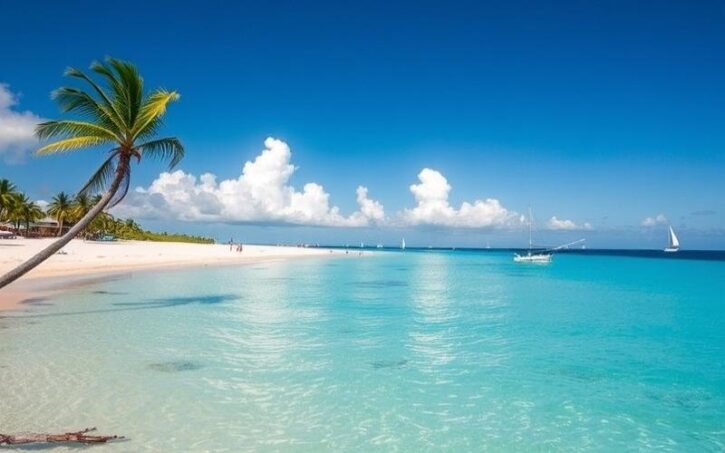
On paper, life in Aruba looks like a tropical dream: warm, dry climate year-round, white sand beaches, turquoise water, low crime, modern infrastructure. In practice, you need to factor in some island realities that shape daily culture.
Aruba has a strong dependence on imports for food, consumer goods, materials, and fuel, leading to a high cost of living. To reduce expenses and integrate, it’s advisable to shop at supermarkets frequented by residents, choose local products, and visit local markets rather than seeking out products from your home country.
Then there’s the car. Even though buses connect the main urban and tourist areas, the network remains limited and schedules sometimes infrequent, especially in the evening. Sidewalks and bike lanes are not developed everywhere, and the heat discourages walking long distances. In practice, owning or sharing a car quickly becomes a near necessity for a resident, which adds to the monthly budget, especially since import taxes on vehicles and fuel prices are high.
Aruba is one of the safest islands in the Caribbean, with low violent crime. However, petty theft (in tourist areas, on beaches, or from cars) does occur. It’s recommended not to leave belongings unattended, not to flaunt valuables, to avoid isolated places at night, and to lock doors properly.
Public Life Rules: Dress, Alcohol, Noise, Environment
In terms of public behavior, Aruba oscillates between Caribbean tolerance and a demand for respect for order and the environment.
Dress code is not strictly codified, but it is frowned upon to walk around in a bikini or swimsuit outside the beach or the immediate vicinity of hotels. In town, in shops, restaurants outside beach areas, or in government offices, light “street” attire (shorts or pants, t-shirt or light shirt, summer dress) is expected. This also applies to men going shirtless: acceptable near the water, inappropriate in the city center.
Although alcohol consumption is common in social life (beach bars, happy hours, cocktails), visible drunkenness in public is frowned upon and can be penalized. Likewise, late-night noise disturbances, especially in residential areas, are poorly tolerated. The implicit rule is to have fun without disturbing others.
A particularly important point for newcomers: ecology. Aruba is already experiencing the effects of climate change (droughts, coastal erosion, increased heat) and sometimes poorly managed mass tourism. In response, authorities have implemented strict environmental regulations: ban on single-use plastics, ban on sunscreens containing oxybenzone (to protect coral reefs), ban on collecting sand, shells, corals, or touching reefs, and combating littering.
The population’s deep attachment to local nature (mangroves, reefs, dunes, endemic birds, sea turtles) is personal and genuine. An expatriate who ignores or downplays these concerns risks inadvertently offending those around them.
A Culture of Festivals and Rituals: Carnival, Dande, Dera Gai
Major celebrations structure the social calendar and reveal how Aruba articulates its European, African, and Amerindian heritages.
Carnival is probably the most visible, with its season officially starting on November 11 at 11:11 a.m., continuing with a series of parades, tumba competitions (the emblematic musical style of Carnival), and night parades like the Lighting Parade. The streets fill with costumes, floats, music, and popular participation is massive. For an expatriate, it’s the perfect opportunity to gauge how central music, dance, and celebration are to the island’s identity.
At the turn of the year, the tradition of Dande involves groups going door to door singing wishes for prosperity and happiness. In exchange for these musical wishes, they receive small contributions. This ritual, where music is central, strengthens community cohesion.
Another tradition, less known to foreigners: Dera Gai, an ancient solstice ritual (linked to St. John’s Day) marked by bonfires, songs, and dances, recalling the ties between local culture, agriculture, and natural cycles.
The official calendar also includes public holidays with strong symbolic weight, such as Flag and National Anthem Day or Betico Day, honoring a key figure in Aruba’s autonomy within the Kingdom of the Netherlands.
Immersing yourself in these festivals—by playing along, respecting their codes, without reducing them to mere tourist attractions—is one of the best ways to enter the Aruban “we.”
A Cuisine at the Crossroads of Worlds
Discovering Aruba’s culture without exploring its cuisine would be missing a major aspect of local life. Food tells, in its own way, the different waves of influence the island has experienced.
Aruba’s cuisine is the result of a rich multicultural heritage. The Arawaks, first inhabitants, already cultivated corn, beans, sweet potatoes, peanuts, cocoa, and cassava, and practiced hunting and fishing. Spanish colonizers later introduced European products and animals like pork, citrus, and sugarcane. The Dutch brought cheeses, salted meats, and legumes. The African slave trade introduced plantains, okra, and the culinary use of banana leaves. Finally, the arrival of Asian workers enriched the vegetable repertoire and led to the opening of Chinese and Indonesian restaurants.
Today, Arubans eat both local specialties and international dishes, as mass retail and tourism have made fast food and resort cuisine commonplace. But for those settling in, it’s worth seeking out more authentic spots: snacks and food trucks, small eateries frequented by locals, and markets.
Dishes to know:
Aruba’s cuisine features emblematic dishes such as *keshi yena* (stuffed Edam cheese), *ayaca* (Christmas tamale), *funchi* (cornmeal), hearty soups (*sancocho*), fried *piska cora* fish, and papaya hot sauces (*pica di papaya*). These elements illustrate the blend of influences and the importance of local ingredients.
Meanwhile, the pastechi—a fried pastry filled with cheese, meat, or fish—has become a near-national snack. Many expatriates from cultures more inclined to light cooking must contend with a local scene where frying is very common. Eating healthily in Aruba is possible, but it takes a bit more effort and good knowledge of available options.
Education, Children, and Family Integration
For expat families, school is a pillar of integration, but also a potential culture shock. The education system is largely inspired by the Dutch model: compulsory schooling from ages 4 to 16, structured progression from primary to general secondary (MAVO, HAVO, VWO) and vocational tracks (EPB, EPI).
The main language of instruction remains Dutch, with a significant place given to Papiamento in early years and to English and Spanish in secondary school. For children who speak neither Dutch nor Papiamento, linguistic integration is a real challenge, even if the multilingual environment and familiarity with English help in the medium term.
For continuity with an Anglo-Saxon system, the International School of Aruba offers a program based on the U.S. education system and the International Baccalaureate, with English as the language of instruction. These private schools welcome students from many nationalities and are an important meeting point for expat families.
In terms of values, Aruban schools—public and private alike—emphasize discipline, hard work, and respect, but in a relatively relaxed climate. The cultural diversity of students is such that children are familiarized with difference early on, which can be a tremendous asset for children coming from elsewhere.
Mass Tourism, Economy, and Views on Foreigners
Aruba is heavily dependent on tourism: nearly 90% of the economy, directly and indirectly, relies on this sector, and the island welcomes over two million visitors per year (stays and cruises). This means that most residents have, directly or indirectly, a professional connection with visitors.
This situation has two major cultural effects for expatriates:
More than a third of Aruba’s working population was born abroad, explaining the openness and familiarity Arubans have with foreigners.
On the other hand, mass tourism has real effects: rising prices, pressure on natural resources, traffic jams, transformation of some neighborhoods into almost exclusively tourist zones. Part of the population worries about these trends, especially on ecological and social levels.
For an expatriate, it’s important not to position yourself solely as a “permanent tourist” living in a resort bubble. Choosing to patronize local businesses, respecting environmental recommendations, taking an interest in the island’s political and social life, getting involved in community associations: these are ways to show you want to be part of the local fabric, not just enjoy the scenery.
Healthcare, Climate, and Relationship with the Body
Aruba is known for its healthcare system, often presented as one of the most advanced in the Caribbean, with a modern general hospital and a network of clinics and botikas (pharmacies). Doctors and nurses are generally multilingual, and the system combines compulsory public insurance (AZV) and optional private complementary insurance.
The climate is hot and dry year-round, with a wetter period from May to November. Trade winds soften the temperature, but the sun is very strong between 11 a.m. and 2 p.m. To adapt, it’s essential to avoid direct sun during the hottest hours, drink plenty of water (tap water, desalinated, is of good quality), wear light but covering clothing, and use approved mineral sunscreens.
The issue of mosquitoes, potential carriers of diseases like dengue or chikungunya, is part of daily life: appropriate protections, combating stagnant water, regular health information. Here again, adapting to these climatic realities is as much a matter of health as practical culture.
Moving to Aruba: Changing Scenery… and Your Cultural Mindset
Coming to live in Aruba is not simply transplanting your lifestyle into a sunnier environment. It means accepting:
To successfully integrate into Aruba, it’s essential to immerse yourself in its multilingualism (Papiamento, Dutch, English, Spanish), adopt a slower pace of life while keeping your professional bearings, and navigate a multicultural society where equal consideration is the norm. You must also adopt rigorous environmental practices, aware of the island’s ecological fragility, and actively engage in an economy largely oriented toward tourism, beyond the simple role of a vacationer.
In return, Aruba offers those who truly commit a unique expatriation experience: a daily life by the sea, rare security in the region, constant exposure to multiple cultures and languages, a warm social fabric, and a strong connection with nature—even if it’s arid, windswept, and sometimes strained by climate and human development.
For this adventure to succeed, it’s best to arrive with curiosity at the forefront, humility in your luggage, and the sincere desire to say, over time, not “their island,” but “our Aruba Dushi Tera.”
Disclaimer: The information provided on this website is for informational purposes only and does not constitute financial, legal, or professional advice. We encourage you to consult qualified experts before making any investment, real estate, or expatriation decisions. Although we strive to maintain up-to-date and accurate information, we do not guarantee the completeness, accuracy, or timeliness of the proposed content. As investment and expatriation involve risks, we disclaim any liability for potential losses or damages arising from the use of this site. Your use of this site confirms your acceptance of these terms and your understanding of the associated risks.

Cyril Jarnias is an independent expert in international wealth management with over 20 years of experience. As an expatriate himself, he is dedicated to helping individuals and business leaders build, protect, and pass on their wealth with complete peace of mind.
On his website, cyriljarnias.com, he shares his expertise on international real estate, offshore company formation, and expatriation.
Thanks to his expertise, he offers sound advice to optimize his clients' wealth management. Cyril Jarnias is also recognized for his appearances in many prestigious media outlets such as BFM Business, les Français de l’étranger, Le Figaro, Les Echos, and Mieux vivre votre argent, where he shares his knowledge and know-how in wealth management.





