
 Published on and written by Cyril Jarnias
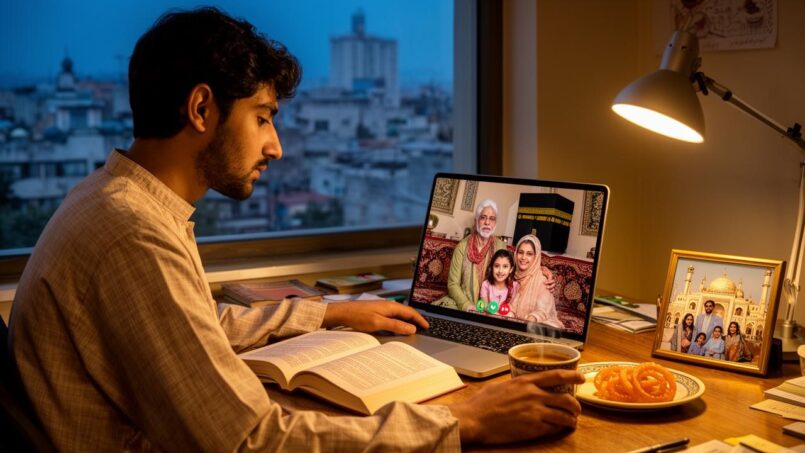
Settling in Pakistan, whether in Islamabad, Lahore, Karachi, or a smaller city, can be both exhilarating and bewildering. Between the intensity of daily life, the warmth of the people, the highly religious dimension of public space, and an environment often very different from the one you left behind, homesickness can quickly set in, even among the most motivated.
Homesickness is neither a weakness nor a failure, but a normal psychological reaction to the loss of familiar bearings and loved ones. The important thing is to understand this phenomenon, identify warning signs, and implement concrete coping strategies to manage these emotions, especially during an expatriation in Pakistan.
This article provides a comprehensive overview of what is known about homesickness, applied to the specific context of Pakistan, with practical advice rooted in local reality: culture, daily life, digital tools, expat networks, and mental health resources available on the ground.
Understanding homesickness in the Pakistani context
Homesickness is that mix of sadness, nostalgia, anxiety, and a sense of being out of place that occurs when you find yourself far from your familiar environment. Research shows that between 20% and 90% of expatriates face it during their first year abroad, and that the majority of the global population has experienced it at least once in their lives.
In Pakistan, this experience is colored by strong cultural particularities. Society is highly communal, hierarchical, and marked by religion. The extended family is central, communication codes are often indirect, and gender segregation is still common in many contexts. For a newcomer, especially from Europe or North America, this social and religious density can be both fascinating and exhausting.
Homesickness is a universal and almost unavoidable feeling. Its intensity fluctuates over time, potentially intensifying around the third month, easing, then resurfacing after a year. Cultural adaptation is a non-linear process that unfolds over several months, or even years.
Frequent symptoms: spotting when things go awry
Studies on expatriates show that homesickness is not just vague nostalgia. It can manifest on several levels that reinforce each other.
On an emotional level, sadness persists, anxiety increases, irritability sets in. Even when surrounded by people, one can feel isolated, without a true sense of belonging. This emotional loneliness is common in a society where local family ties are very tight and where you may feel observed but not truly understood.
An expat might find themselves idealizing their home country and constantly comparing everything: the efficiency of transport, the quality of food, cultural differences in time management or social relationships, and even details like waiting in line at store checkouts. This cognitive rumination can impair concentration, thereby complicating adaptation at work or success in studies in the new context.
On a physical level, manifestations range from headaches and stomach aches to digestive issues, chronic fatigue, and sleep difficulties. In a sometimes trying climate (extreme heat, pollution, noise), these symptoms easily blend with other causes, leading some to ignore the psychological factor.
Finally, on a behavioral level, one observes a drop in energy, social withdrawal, a lack of desire to explore the country, and a lack of motivation to enjoy what once seemed so exciting. In children, this can manifest as increased aggression or irritability, especially if they are subjected to the relocation decision without having chosen it.
When these symptoms persist, seriously hinder daily life, and lean towards depression or severe anxiety, it becomes essential to seek support.
Why homesickness can be particularly intense in Pakistan
Several factors make psychological adjustment tricky in Pakistan, even though the country is objectively very welcoming towards foreigners.
Cultural differences are powerful. Hierarchy based on age, status, and gender structures interactions. Direct communication can be perceived as blunt. Saying “no” directly is often avoided; people prefer indirectness, polite phrasing, and “Insha’Allah” which doesn’t always mean yes. For a newcomer, especially from a more direct culture, this delicacy can be disorienting and give the feeling of never truly knowing where you stand.
Religion deeply structures daily life, influencing schedules, dress codes, and diet. During Ramadan in particular, the daytime rhythm slows while nights become livelier. It’s important to note that eating or drinking in public before sunset can be socially frowned upon and, in some contexts, pose a legal issue. This inversion of habits, especially during the first experience, can intensify the feeling of cultural mismatch.
The place of family is omnipresent. Pakistanis often live in extended families, see each other very frequently, and expect children to care for aging parents. For an isolated expat or someone who came alone, this family closeness can cruelly remind them of their own loved ones’ absence.
Finally, the implicit pressure to “do well” abroad, reinforced by social media, can make admitting difficulties harder. One feels obligated to show that everything is fine, that expatriation is a perfect adventure, even while struggling with nostalgia and doubt.
Relying on Pakistani culture to feel grounded
The paradox is that the same cultural elements that unsettle at first can become valuable allies in reducing homesickness, provided you approach them with curiosity rather than rejection.
“Mehmanawazi” – hospitality – is a core value. Being invited to someone’s home, sharing a meal, drinking tea, counts for a great deal. Systematically refusing food or invitations can be seen as cold distance. Accepting, on the other hand, often opens the door to strong bonds. Many Pakistanis see a foreigner’s presence as an honor and love to share their country’s history, traditions, and hometowns.
Pakistan offers a rich cultural life, including Sufi music, qawwalis, ghazals, popular theater, and poetry during mushāʿirah. Attending an urs at a Sufi shrine, catching a qawwali concert, or discovering a festival like Lok Virsa in Islamabad allows you to experience enriching moments, beyond mere nostalgia.
Finally, culinary richness is a tremendous resource. The slow-cooked nihari, fragrant biryani, charcoal-grilled kebabs, bread fresh from the tandoor, seasonal mangoes: these are small sensory anchors that can become daily touchstones. Just as a dish “from home” soothes nostalgia, learning to love certain local dishes allows you to create new comforting memories.
It’s not about renouncing your own culture, but about using the host country’s culture to expand your comfort zone.
Building a solid routine: the anti-homesickness pillar
Research on adaptation abroad is clear: recreating a routine is one of the most effective tools for reducing anxiety and nostalgia. Departure breaks all habits. In Pakistan, the time difference, noise, sometimes flexible work hours, intense traffic, and unannounced power or water outages can make you feel like you’ve lost all control.
Regaining control over a few elements of daily life is fundamental. Assigning yourself fairly regular waking and sleeping hours, setting aside dedicated time for exercise, cooking, work, and exploring the city, creates structure. Writing these anchors in a journal or notes app helps solidify them.
Regular physical activity, a balanced diet, and quality sleep are key factors in reducing stress and preventing depression. In Pakistan, it’s easy to walk or jog in parks or on trails like those in the Margalla Hills (e.g., Trail 1 near Islamabad), or take indoor classes in major cities. To avoid the heat, it’s advisable to prioritize early morning or late evening hours, which, with a little planning, can become a beneficial and enjoyable ritual.
Routine also involves personalizing your home. A few photos, a blanket from your country, symbolic objects, a scented candle, a favorite mug can transform an impersonal apartment into a sanctuary. The more familiar your living space feels, the less you feel like you’re in permanent transit.
Staying connected without getting lost in comparison
Keeping in touch with loved ones is crucial for cushioning the shock of uprooting. In Pakistan, internet access is widespread in cities, allowing the use of almost all modern digital tools.
Methods and services for maintaining long-distance connections through technology and smart organization.
Use video calls (WhatsApp, Skype, Zoom, Viber, FaceTime), voice messages, and photo sharing to create a reassuring daily presence.
Services like Rebtel to reduce the cost of calls to landlines, useful for contacting relatives less familiar with the internet.
Plan weekly calls at a fixed time, considering time zone differences, so the connection doesn’t weaken.
Establish a tradition, like a ‘family Sunday evening’ via video conference, especially appreciated in families with children.
At the same time, it’s important to set limits on the use of social media. Constantly seeing the “perfect” life of those back home or other expats who seem to be succeeding at everything can intensify “FOMO”, the fear of missing out on your own life. The risk is comparing your raw daily life, with its difficulties, to the filtered montage of others. Setting time slots without browsing social media, or installing apps that limit screen time, can reduce this feeling of disconnect.
A subtle balance must be found: enough connection with the home country to not feel cut off, but enough involvement in local life to not remain mentally “stuck” elsewhere.
Building a network in Pakistan: the best antidote to isolation
No advice rivals this: to alleviate homesickness, you need to surround yourself. Building a network in Pakistan – both expats and locals – takes energy, especially when you’re sad or tired. But the data is striking: a large share of professional opportunities and positive turning points in adaptation come from these relationships.
This is the number of people recommended to meet within two months in a structured networking approach.
Pakistan is paradoxically favorable ground for this process. People are curious about foreigners, invitations to meals or weddings are frequent, and colleagues quickly suggest outings. Systematically refusing these openings reinforces isolation. Accepting them, even when shy, opens up a network that ultimately weighs heavily on well-being.
Several networks facilitate integration: neighbors, colleagues, sports clubs, charities, and cultural events. For expats, platforms like InterNations, Expat Exchange, and local WhatsApp groups are essential for establishing initial social bearings.
Here, for illustration, is how members of a large expat community in Pakistan are distributed:
| City | InterNations Members (approx.) | Nationalities represented |
|---|---|---|
| Islamabad | 7,031 | 112 |
| Lahore | 4,097 | 96 |
| Karachi | 3,290 | 96 |
Behind these numbers are dinners, hikes, book evenings, hiking groups or sports groups, so many opportunities to get out of the house without having to organize everything yourself.
Taking advantage of expat communities in Pakistan
In Pakistan, expatriate communities are particularly present in major cities like Islamabad, Karachi, and Lahore. They bring together diverse profiles: teachers, NGO employees, consultants, entrepreneurs, binational families, and diplomats. These groups offer an essential decompression chamber for those feeling lost between two worlds.
InterNations maintains a community of about 10,000 members in Pakistan, organizing monthly events and thematic groups. For example, in Islamabad, a hiking group explores the trails in the surrounding hills. In Lahore, a book club meets regularly. In Karachi, informal gatherings around iftar during Ramadan help newcomers get their bearings during that particular month.
On other platforms, there are more informal mutual aid groups, sometimes managed via WhatsApp, connecting several hundred expats in the same neighborhood of Lahore or Karachi. These communities serve as a compass for everything: finding an English-speaking doctor, understanding how to open a bank account, choosing a neighborhood, finding a nanny, or simply sharing a bout of the blues with someone who knows what it’s like.
An informal network develops through Pakistanis who have experience abroad or family in the diaspora, fostering mutual understanding. Invitations to social events (weddings, parties, meals) allow you to build deep ties with the local culture and move from seeing the country as a mere expat backdrop to a true place of living.
Using digital tools wisely
Apps and online services have become essential companions for life abroad. Used wisely, they can greatly reduce the feeling of uprooting.
Communication platforms like WhatsApp, Skype, Zoom, Viber, FaceTime or Google Duo allow you to maintain close relationships with family and friends back home. Google Duo’s “Knock Knock”, FaceTime group calls up to 32 people, family or friend WhatsApp groups — all of this recreates a dense relational fabric despite the distance.
Forums, Facebook groups (e.g., InterNations), and Discord servers dedicated to expats in Pakistan are valuable resources, often free and accessible 24/7, for asking questions, sharing doubts, and discovering local tips.
Entertainment apps like Netflix, YouTube, Hulu, or podcasts from the home country bring a bit of familiarity to difficult evenings. Some use VPNs to access their usual content; others download movies and series onto a hard drive before leaving. However, one must be careful not to retreat exclusively into this virtual cocoon, at the risk of fueling even more nostalgia.
Navigation apps (Google Maps, Moovit) and translation apps (Google Translate) are essential for getting around Pakistani cities like Karachi or Lahore, and for navigating bazaars. Being able to understand a sign or menu, even approximately, boosts confidence and reduces the feeling of disorientation.
Finally, meditation apps like Headspace, Calm, or Balance can support mindfulness work. Short daily sessions help you welcome the emotion without drowning in it, accept the phase of culture shock, and get through it more serenely.
Exploring Pakistan to transform nostalgia into curiosity
Homesickness tends to intensify when you stay locked indoors, ruminating. Conversely, going out, seeing the country, gives your brain new reference points to focus on.
Pakistan is a vast terrain for this: the mountains of Gilgit-Baltistan, archaeological sites of Taxila or Mohenjo-daro, monumental mosques like the Faisal Mosque in Islamabad or the Badshahi Mosque in Lahore, the beaches of Karachi, festivals like the Shandur Polo Festival, not to mention a host of museums.
The major cities themselves offer a variety of settings: Islamabad, a planned capital at the foot of the hills, with its hiking trails and modern museums; Rawalpindi, more chaotic and traditional, with its ancient bazaars; Lahore, vibrant with culture, poetry, and gastronomy; Karachi, a coastal giant where working-class neighborhoods and ultra-modern shopping malls coexist.
Setting concrete goals – visit one site per week, discover a new local specialty each month, attend a theater performance, explore a contemporary art exhibition – helps structure time and nurture a sense of progress. These goals can be modest, but the key is to keep moving.
To illustrate the diversity of what the country can offer as positive reference points, here is a summary table of some exploratory activities useful when battling homesickness:
| Type of Experience | Examples in Pakistan | Primary Psychological Benefit |
|---|---|---|
| Nature & Adventure | Trails in Islamabad, Deosai, Charna Island, Saif-ul-Malook | Feeling of freedom, stress regulation |
| Culture & Heritage | Lahore Museums, Taxila, Lok Virsa, UNESCO sites | Intellectual grounding, curiosity, wonder |
| Spirituality & Music | Sufi shrines, qawwali, mehfils | Emotional soothing, sense of transcendence |
| Gastronomy & Markets | Food streets, bazaars (Anarkali, Saddar, Boat Basin) | Sensory stimulation, shared pleasure |
| Social Life & Entertainment | Popular theater, InterNations events, neighborhood gatherings | Network building, sense of belonging |
Each new successful experience slightly softens the view of a Pakistan reduced to “a foreign country.” Little by little, you find yourself saying “home” when talking about your neighborhood or city.
Also preserving your own culture: a dual rootedness
Managing homesickness is not about choosing between “becoming Pakistani” or “staying yourself.” Acculturation models show that the most protective strategy often involves combining local integration with actively maintaining one’s culture of origin.
Concretely, this can involve cooking: regularly preparing dishes from your childhood, organizing meals where you introduce your specialties to Pakistani or expat friends, seeking out ingredients in import grocery stores or immigrant markets.
Expatriates maintain a connection with their culture of origin by celebrating their national, religious, or family holidays, while incorporating local elements. For example, they might organize a Thanksgiving meal that pairs traditional dishes like turkey with Pakistani specialties like biryani and chicken chargha. Similarly, a Christmas Eve dinner might be followed by a halwa puri breakfast, and New Year’s Day could be marked by a brunch fusing European and Pakistani flavors.
Languages, finally, are a major bridge. Continuing to read in your native language, listening to podcasts from home, keeping a journal in the language where emotions come most naturally — all of this prevents you from feeling dissolved. At the same time, learning at least a few phrases of Urdu or Punjabi opens immense doors in daily life in Pakistan and strengthens the feeling of competence.
When and how to seek professional help in Pakistan
For some expats, homesickness remains a transitional phase, uncomfortable but manageable with personal and social resources. For others, especially when combined with work stress, insecurity, family issues, or a history of psychological disorders, the situation can slide into depression, severe anxiety, or adjustment disorders.
Several signs should alert you: marked social isolation, inability to get up or work, panic attacks, suicidal thoughts, a persistent feeling that nothing makes sense and things won’t improve. In these cases, seeking professional help is an act of self-care, not an admission of failure.
Pakistan has increasingly more mental health resources, including remotely. A national model of psychosocial and mental health support is developing, with resources adapted to the local context and capacity building for professionals outside major hospitals. Coalitions like the Pakistan Mental Health Coalition list available services and fight stigma.
Several organizations offer direct support, especially in major cities, with telephone or online assistance.
Structures are directly accessible to expatriates in major cities for face-to-face support.
Some organizations offer telephone or online support for expatriates, wherever they are.
| Organization / Service | Type of Help | Hours (indicative) | Key Details |
|---|---|---|---|
| Umang – Mental Health Helpline | Listening line, clinical psychologists | 24/7 | First consultation free, confidential support |
| Taskeen | Tele-support, wellness programs | Monday–Saturday, 11am–11pm | Listening, distress screening, referral |
| Rozan Helpline | Psychological support | Monday–Saturday, 9am–9pm | Advice, emotional listening |
| Pakistan Association for Mental Health | Consultations, medication (Karachi) | Varies by clinic | Psychiatric follow-up, help for the underprivileged |
| Naz Pakistan (for LGBTQIA+) | Online support, counseling | By appointment | Safe space for sexual minorities |
| Women’s Helpline 1043 (Punjab) | Support for women, domestic violence | 24/7 | Psychological advice, referral to shelters |
For an expatriate or international student, it’s important to also check services offered by international universities or NGO employers: many have counseling units or at least lists of English-speaking therapists. International online therapy platforms complete the picture for those who prefer to speak in their native language.
The decisive factor is not to wait until the situation becomes unmanageable. Consulting early, even just to “check” that you’re doing okay, can be enough to reframe things and get some concrete tools to get through this phase.
Adjusting your expectations: accepting that adaptation takes time
Theories of cultural adaptation often describe a journey in several phases: honeymoon, culture shock, adjustment, then mastery. In Pakistan as elsewhere, many expats arrive full of enthusiasm, dazzled by novelty. Then come the frustrations: administrative slowness, the flexibility of punctuality, traffic, the obsession with social status, religious constraints in public space, the lack of women in certain places, the feeling of being constantly watched.
This phase does not call into question the choice to expatriate, but marks the replacement of initial fantasies with the country’s complex reality. How you manage this stage has a significant impact on the intensity of homesickness.
Setting realistic goals can help: learn ten Urdu words per week, make at least one local acquaintance each month, visit a new place each quarter, successfully handle certain tasks alone (groceries, bills, transport). Celebrating these small victories reinforces the feeling of progress.
Also accepting that certain cultural aspects will never truly make sense to you is liberating. You can respect a norm without inwardly adhering to it, such as avoiding eating in public during Ramadan, covering up more than at home, or respecting gender segregation in certain situations, while maintaining a critical distance.
Finding a balance between life “in the bubble” and immersion
Many expats in Pakistan have the option of living almost in a closed environment: gated communities, private clubs, domestic staff, working in English. This bubble has real advantages: it can provide security, especially in a context where safety is a concern, and offer appreciable material comfort for families.
But if you stay exclusively within it, homesickness is likely to persist, because you don’t develop a true sense of belonging to the country. Everything then feels temporary, even after several years, and you constantly feel “in transit.”
Settling directly into a very popular neighborhood without an adjustment period, without contact with other expats, and without help understanding local social codes can be an extremely taxing experience, especially during the initial phases of settling in.
The ideal is often between these two extremes. You can rely on the bubble to find your bearings, your home, a circle of friends, while gradually multiplying opportunities to go out, visit bazaars, frequent cultural venues, learn the language, and build trusting relationships with Pakistanis.
This balance evolves over time. After a few years, some expats feel comfortable enough to leave the bubble entirely and blend into a more mixed neighborhood. Others always keep one foot in both worlds, which is not problematic as long as you feel at least minimally integrated.
Also thinking about the “return”: reverse homesickness
A less discussed aspect, yet common among expats in Pakistan, is reverse culture shock. After several years in a very collective, ritually dense environment where religion structures the days and family is central, returning to a more individualistic country can create a feeling of emptiness, as if you no longer truly belong to either world.
‘Reverse homesickness’ is characterized by intense nostalgia for specific aspects of life in Pakistan, such as the warmth of social relationships, hospitality, the liveliness of the streets, long dinners, and sharing tea. To better experience this, it is advisable to maintain ties with Pakistani friends, continue cooking local dishes, listen to Pakistani music, and, if possible, return to the country occasionally. These actions help integrate this period into your personal history rather than treating it as a closed chapter.
In summary: transforming longing into a resource
Homesickness in Pakistan does not disappear overnight. It is not linear, sometimes returning around a missed birthday, bad news from afar, a bout of fatigue, or a period of political tension. But it can evolve.
By recognizing its legitimacy, relying on the country’s cultural riches, opening up to others—both foreigners and locals—, using digital tools without being overwhelmed, consolidating your routines, and accepting help when needed, you often end up transforming that painful longing into a form of dual belonging.
Expert in personal development and cultural identity
After a few months or years, many expats realize they feel “at home” in two places at once. They continue to deeply love their home country, yet are not ready to give up the complexity, colors, scents, and voices that make up their life in Pakistan. And that is often when you measure how much homesickness, when well-supported, can become one of the engines of genuine personal growth.
Disclaimer: The information provided on this website is for informational purposes only and does not constitute financial, legal, or professional advice. We encourage you to consult qualified experts before making any investment, real estate, or expatriation decisions. Although we strive to maintain up-to-date and accurate information, we do not guarantee the completeness, accuracy, or timeliness of the proposed content. As investment and expatriation involve risks, we disclaim any liability for potential losses or damages arising from the use of this site. Your use of this site confirms your acceptance of these terms and your understanding of the associated risks.

Cyril Jarnias is an independent expert in international wealth management with over 20 years of experience. As an expatriate himself, he is dedicated to helping individuals and business leaders build, protect, and pass on their wealth with complete peace of mind.
On his website, cyriljarnias.com, he shares his expertise on international real estate, offshore company formation, and expatriation.
Thanks to his expertise, he offers sound advice to optimize his clients' wealth management. Cyril Jarnias is also recognized for his appearances in many prestigious media outlets such as BFM Business, les Français de l’étranger, Le Figaro, Les Echos, and Mieux vivre votre argent, where he shares his knowledge and know-how in wealth management.





