
 Published on and written by Cyril Jarnias
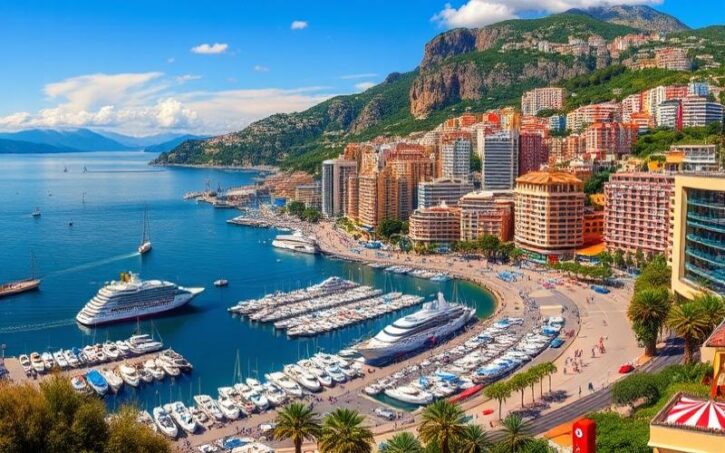
With its idyllic setting, attractive tax system, and reputation as a safe haven, Monaco attracts many expatriates seeking a place to spend their retirement. But beyond its glamour, this tiny state has a real estate market as fascinating as it is complex, where each neighborhood offers a distinct living experience and varied investment opportunities.
Whether you’re drawn to the charm of the historic Monaco-Ville district, the modern elegance of Monte-Carlo, or the dynamism of the Fontvieille district, understanding the specific characteristics and potential of each area is essential for making an informed choice.
Investing in Monaco: A Strategic Choice for Expatriate Seniors
This article will explore strategic options for investing in Monaco, offering expatriate seniors the keys to turning this Mediterranean dream into a daily reality.
Good to Know:
Monaco levies no income tax for individuals, making it a very attractive destination for retirees.
Finding the Best Cities for Seniors in Monaco
Monaco offers numerous advantages for seniors, both for local residents and retired expatriates.
Key Assets for Seniors:
- State-of-the-Art Medical Infrastructure: Monaco has a recognized healthcare system, with facilities such as the Princess Grace Hospital Center, providing quick access to specialized care and personalized support.
- Suitable Leisure Activities: Many clubs and associations offer activities dedicated to seniors (art workshops, gentle gymnastics, cultural outings). Sports facilities are easily accessible.
- Exceptional Security: The crime rate is one of the lowest in the world. Police presence and widespread video surveillance ensure a very safe environment, highly favored by retirees.
| Advantage | Detail |
|---|---|
| Health | Quick access to specialized medicine; modern hospitals |
| Leisure | Senior clubs; varied cultural events; adapted beaches |
| Security | 24/7 surveillance; virtually non-existent crime |
| Quality of Life | Clean environment, mild Mediterranean climate |
Neighborhoods Favored by Expatriate Seniors:
- Monte-Carlo: Appreciated for its cultural vibrancy (Garnier Opera, Casino), its refined restaurants, and its proximity to all amenities.
- Fontvieille: A quiet residential neighborhood, well-maintained green spaces (zoological garden), tranquil port. Perfect for those seeking tranquility while remaining close to essential services.
- Larvotto: Ideally located by the sea with a promenade accessible to people with reduced mobility.
“The ease of access to public transportation allowed me to fully enjoy the country without constraints,” shares Anne-Marie B., a French retiree who settled in the Fontvieille neighborhood in 2022.
Financial and Estate Aspects:
Real Estate: The Monegasque market remains dynamic despite its land scarcity. Apartments with services or secured residences are highly sought after by retirees wishing to invest in a property that is easy to manage or to delegate rental management. Prices can vary significantly depending on the neighborhood but generally guarantee long-term appreciation thanks to the prestige of the location.
- Monte-Carlo: High seasonal rental demand
- Fontvieille/Larvotto: Newer properties often featuring green spaces
Advantageous Taxation: Monaco applies neither income tax nor property tax on the primary residence (except for French exceptions), which particularly appeals to wealthy expatriates seeking to optimize their assets.
Social & Cultural Life
Institutions offer historical conferences, classical concerts, or festivals year-round. The national museums as well as the Rainier III Auditorium provide programming suited to the varied tastes of active and contemplative seniors.
Non-exhaustive list of popular activities:
- Themed guided tours
- Intergenerational digital workshops
- Theater/opera outings organized specifically for senior groups
Access is facilitated by an efficient network of free urban buses or reduced fares for the elderly. The entire territory being compact and secure also allows for a pleasant pedestrian lifestyle even after age 70.
“It is here that I can savor my retirement between sea and culture without ever feeling isolated,” shares Jean P., a former Belgian business owner who settled near the Hercule port three years ago.
Good to Know:
Monaco offers an unparalleled quality of life for seniors, with state-of-the-art medical infrastructure and access to adapted leisure activities such as parks and clubs for retirees, ensuring safety and comfort. The neighborhoods of Monte-Carlo and La Condamine are particularly sought after for their amenities and cultural dynamism, with museums, theaters, and regular events, appreciated by retired expatriates. Financially, investing in Monegasque real estate can be attractive due to the absence of inheritance tax and capital taxation. The well-developed public transportation network facilitates mobility, making every neighborhood easily accessible. Testimonials highlight the pleasant combination of peaceful living and stimulating activities that attract many seniors to settle here.
Investing in Monegasque Real Estate for Retirement
Tax Advantages of Real Estate in Monaco
- Exemption from income tax for Monegasque residents, allowing optimization of rental income or potential capital gains upon resale.
- Absence of property tax and residence tax, which significantly reduces annual property-related charges.
- No taxation on real estate capital gains nor wealth tax for residents.
- Inheritance taxes are also reduced for direct line transfers.
Good to Know:
These advantages do not fully apply to French nationals, who are subject to specific tax obligations.
Characteristics of the Monegasque Real Estate Market
- Market renowned for its economic stability and strong demand, which considerably limits the risk of property depreciation.
- Limited supply due to the restricted territory, leading to sustained appreciation of real estate assets and high potential for rental or estate profitability.
- Widespread architectural quality and high-end amenities.
| Asset | Detail |
|---|---|
| Stability | Market little exposed to economic crises |
| Potential Profitability | High prices justified by constant demand |
| Security | Protective regulatory framework |
Neighborhoods Preferred by Expatriate Seniors
The following neighborhoods are particularly sought after:
- Monte-Carlo: Vibrant heart with immediate access to the Casino, high-end shops, and renowned medical services.
- La Condamine: Authentic atmosphere near the Hercule port; numerous amenities accessible on foot.
- Fontvieille: Modern residential neighborhood appreciated for its tranquility and green spaces.
Types of Properties Available Suitable for Seniors
List of sought-after properties:
- Luxury apartments with terrace
- Secured residences offering services (24/7 concierge, fitness room)
- Panoramic penthouses
- Medicalized residences or those with wellness spaces
These homes often offer:
- Wide elevators,
- Facilitated access,
- Immediate proximity to public transport,
- Customizable services (cleaning, medical assistance…).
Administrative Procedures for Investing as a Foreigner
Main steps:
- Opening a local bank account
- Providing proof of sufficient financial resources
- Property search via an accredited agency
- Signing before a notary (downpayment generally required)
- Possible application for a long-stay residence permit after purchase
Assistance from a local professional is highly recommended to optimize each administrative phase.
Practical Tips to Meet a Senior’s Long-Term Needs
- Prefer a property without architectural barriers (ground floor, elevator).
- Check PMR (People with Reduced Mobility) accessibility
- Ensure the neighborhood offers easily accessible pharmacy(ies), hospital(s) or clinic(s)
- If possible, opt for a residence offering assistance or integrated medical concierge
Good to Know:
Investing in Monegasque real estate for retirement offers significant tax advantages due to the absence of income and wealth tax in Monaco, while benefiting from reassuring economic stability. The Principality’s real estate market is known for its high profitability, particularly in neighborhoods favored by expatriate seniors such as Monte-Carlo and La Condamine, where luxury apartments and serviced residences are found. Procedures for foreigners, although meticulous, can be facilitated with the help of a local lawyer. It is essential to ensure that the chosen property meets specific age-related needs, such as accessibility and proximity to quality health services, to guarantee a serene and comfortable retirement.
Understanding the Cost of Living for an Expatriate in Monaco
In Monaco, the cost of living is one of the highest in the world, with an average expenditure level 120 to 126% higher than in France. This reality particularly impacts expatriate seniors, who must anticipate a substantial budget for their daily life.
Examples of Rents and Real Estate Costs
| Type of Housing | Estimated Monthly Rent (2025) |
| Studio | From €1 million to purchase; rental rare and very expensive |
| 2-Room Apartment | Purchase: approx. €51,000/m² (average); rental: several thousand € per month depending on the neighborhood |
| Luxury/Seafront Residences | Can exceed €100,000/m² in prestigious neighborhoods like Monte-Carlo or Larvotto |
The rental market is very tight, with limited supply and prices significantly higher than in major French cities.
Prices of Daily Consumer Goods
- Bread: approximately €3
- Liter of gasoline: €2.1
- Mid-range restaurant meal: €22
- Movie ticket: €12
Costs of Common Services (Excluding Housing)
| Item | Average Monthly Expense |
| Housing Charges | €287 |
| New Car (e.g., VW) | >€43,000, i.e., +34% compared to France |
Private Health Services
Residents benefit from high-end medical infrastructure. Private care can cost several hundred euros for a specialized consultation. International health insurance or private complementary insurance remains essential to cover non-reimbursed expenses.
Transportation and Leisure
- Monthly urban transport pass: around €50–60
- Short taxi ride in the city: approximately €15–20
For leisure:
- High-end fitness membership: often >€100/month
- Cultural outings or premium sports events: highly variable but generally high prices
Variations by Neighborhood & Seasons
Central neighborhoods like Monte-Carlo, Carré d’Or, and Larvotto display some of the most expensive rents and real estate prices in the world, while Fontvieille or La Condamine are slightly less costly but remain inaccessible compared to the neighboring French Riviera.
During the high tourist season (spring/summer), some services like hospitality see their rates increase by up to +30%. Seasonal rentals then become even less affordable.
Comparison with Other Popular Retirement Destinations
| Destination | Overall Cost of Living vs Monaco | Average Real Estate Price |
| French Riviera/Nice | Up to -60% | ~€6–8,000/m² |
| Spanish Coastline | Up to -70% | ~€2,500–4,500/m² |
| Portugal/Lisbon | Up to -65% | ~€4,500–6,500/m² |
Monaco thus remains much more expensive than other European destinations appreciated by retirees, both in terms of housing and daily living expenses. This exclusive positioning is explained by its tax attractiveness, remarkable security, and luxurious setting sought after worldwide.
Good to Know:
The cost of living in Monaco for an expatriate senior is high, with rents for a one-bedroom apartment in the city center around €5,000 per month and a three-room apartment potentially reaching €12,000. Daily consumer goods, such as a liter of milk at about €2 and a baguette at €2.50, are also more expensive than elsewhere. Private health services, although excellent, can cost a few thousand euros per year, while transport costs, notably a monthly bus pass at €50, remain affordable. Leisure expenses, such as dinners in gourmet restaurants, start at €100 per person. However, these costs vary by neighborhood, with areas like Fontvieille being more affordable than Monte-Carlo, and notable seasonal fluctuations, especially during the Grand Prix. Compared to other popular retirement destinations, such as Spain or Portugal, Monaco is significantly more expensive, but it offers an exceptional quality of life and advantageous taxation that can offset the high expenses for a luxurious and secure living environment.
Disclaimer: The information provided on this website is for informational purposes only and does not constitute financial, legal, or professional advice. We encourage you to consult qualified experts before making any investment, real estate, or expatriation decisions. Although we strive to maintain up-to-date and accurate information, we do not guarantee the completeness, accuracy, or timeliness of the proposed content. As investment and expatriation involve risks, we disclaim any liability for potential losses or damages arising from the use of this site. Your use of this site confirms your acceptance of these terms and your understanding of the associated risks.

Cyril Jarnias is an independent expert in international wealth management with over 20 years of experience. As an expatriate himself, he is dedicated to helping individuals and business leaders build, protect, and pass on their wealth with complete peace of mind.
On his website, cyriljarnias.com, he shares his expertise on international real estate, offshore company formation, and expatriation.
Thanks to his expertise, he offers sound advice to optimize his clients' wealth management. Cyril Jarnias is also recognized for his appearances in many prestigious media outlets such as BFM Business, les Français de l’étranger, Le Figaro, Les Echos, and Mieux vivre votre argent, where he shares his knowledge and know-how in wealth management.





