
 Published on and written by Cyril Jarnias
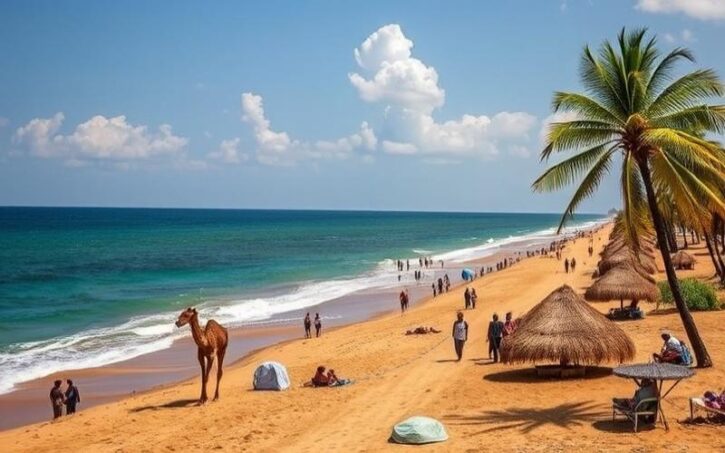
The secondary residence market in Senegal is experiencing growing momentum, attracting both national and international investors seeking retirement spots or profitable investments. Thanks to its exotic setting and political stability, Senegal is becoming a sought-after destination, captivating with its varied landscapes ranging from fine sandy beaches to lush savannas.
Key Market Areas
Cities such as Dakar, Saly, and Cap Skirring are at the heart of this trend, offering unique opportunities in luxury real estate with prices still competitive compared to other global tourist destinations.
Good to know:
This booming market is supported by constantly improving infrastructure, facilitating access to these havens of peace.
Why Choose Senegal to Invest in a Secondary Residence
Economic and Tax Benefits of Acquiring a Secondary Residence in Senegal
Economic Benefits
- The Senegalese real estate market is experiencing strong growth, particularly in sought-after coastal areas like Saly, Somone, or Popenguine. These tourist destinations benefit from rapid development with prices still affordable compared to other international markets.
- Owning a secondary residence allows owners to rent it out seasonally during their absences, generating attractive rental income thanks to increased demand from the tourism sector.
- For diaspora members and expatriates, a secondary residence offers a home base for their regular stays while avoiding the high costs of hotel or rental accommodation during visits to the country.
Tax and Government Incentives
- The Senegalese government has implemented several incentive measures to attract foreign investment in the real estate sector. Foreign investors can freely acquire real estate (excluding agricultural land) and benefit from a stable tax environment.
- Capital gains realized upon resale are subject to taxation that decreases over time: full exemption from income tax after 22 years of property ownership; full exemption from social security contributions after 30 years.
- Bilateral agreements exist between Senegal and several European countries (notably France), allowing for the avoidance of double taxation on certain real estate income.
Political and Economic Stability
Senegal stands out as a model of political stability in West Africa. Its peaceful democracy reassures foreign investors seeking a secure environment to place their capital.
The Senegalese economy has shown sustained growth for several years thanks to its pro-investment policies, international openness, and strategic position on the Atlantic.
The Appeal of Senegal’s Climate
The tropical climate tempered by the Atlantic Ocean makes Senegal particularly attractive year-round. The mild winters especially attract many European investors eager to enjoy the sun during the cold months in their home countries.
Real Estate Market Growth: High-Potential Areas
| Area | Main Assets |
|---|---|
| Saly | Dynamic seaside resort, modern infrastructure |
| Somone | Preserved natural setting, strong tourist demand |
| Popenguine | Sought-after wild beaches |
| Plateau/Almadies | Upscale neighborhoods suitable for business stays |
| Diamniadio | New urban hub near the new international airport |
These areas are experiencing significant growth with innovative real estate projects led by local and international developers. Prices remain competitive compared to global standards while offering strong potential for future appreciation.
Testimonials / Case Studies
Several foreign investors have already benefited from these advantages:
- A French retiree who purchased a villa in Saly reports having doubled his initial investment after a few years thanks to the rapid rise in prices in this renowned seaside resort.
- An expatriate family explains they chose Diamniadio for its proximity to Dakar while benefiting from new infrastructure; they also note that their seasonal rentals largely cover their annual expenses.
These experiences illustrate how it is possible not only to preserve but also to grow one’s assets through the judicious purchase of a secondary residence in Senegal.
A well-considered investment in this context thus fully benefits from both the local economic dynamism and the mechanisms facilitating the secure reception of foreign capital.
Good to know:
Investing in a secondary residence in Senegal presents numerous economic and tax benefits. The government offers attractive incentives, such as tax exemptions for foreign investments thanks to favorable bilateral agreements. Furthermore, the country enjoys political and economic stability, reassuring investors. The pleasant climate year-round enhances Senegal’s appeal, especially for those seeking an escape from the winter cold. The Senegalese real estate market is booming, with areas like Dakar and Saly offering high potential. Foreign investors report having achieved excellent returns thanks to the sector’s sustained growth, confirming the opportunity Senegal represents for purchasing secondary residences.
The Best Locations for Your Secondary Residence in Senegal
Selection Criteria for a Secondary Residence in Senegal
Strategic Locations
The choice of location for a secondary residence in Senegal depends mainly on the intended use. For a successful investment, several areas stand out for their unique characteristics.
Dakar and its sought-after neighborhoods constitute an excellent choice for those seeking a secondary residence for professional use. Neighborhoods like the Plateau, Almadies, Fann, or Point E offer strong potential, particularly for business travelers. These urban areas allow one to benefit from the capital’s economic dynamism while enjoying a pleasant living environment.
The Petite Côte represents Senegal’s primary tourist zone, stretching nearly 80 kilometers south of Dakar. This region is particularly favored by expatriates and real estate investors for several reasons:
- Exceptional seaside setting
- More tranquil atmosphere than Dakar
- More affordable real estate prices than in the capital
- Presence of all necessary amenities
Flagship Destinations of the Petite Côte
| Locality | Assets | Type of Investor |
|---|---|---|
| Saly | Developed seaside resort, numerous shops and restaurants | Investors seeking tourist rental yield |
| Somone | Preserved natural environment, lagoon | Nature and tranquility enthusiasts |
| Ngaparou | Peaceful beaches, authentic atmosphere | Families and retirees |
| Popenguine | Religious site, village ambiance | People seeking authenticity |
| Nianing | Extensive beaches, less touristy | Long-term investors |
| Pointe Sarène | Recent development, appreciation potential | Visionary investors |
These localities have seen an intensification in seasonal rental demand in recent years, making them particularly interesting investment zones. They have the advantage of being located less than a hundred kilometers from the capital.
Other Attractive Destinations
Toubab Diallaw and Yenne are fishing villages attracting more and more investors thanks to their authentic setting and picturesque landscapes. These localities offer an excellent compromise between tranquility and proximity to Dakar.
The Diamniadio urban hub, located near the new Diass airport, represents an interesting investment opportunity for those anticipating the future development of this area. This new urban center offers promising prospects for real estate investment.
How to Choose the Ideal Location
To determine the ideal location for your secondary residence in Senegal, consider the following factors:
- Purpose of acquisition: personal vacations, seasonal rental, or business travel
- Available budget: including purchase price, notary fees, furnishing, and potential charges
- Accessibility: distance from the airport and major cities
- Local infrastructure: presence of shops, restaurants, medical services
- Appreciation potential: planned development projects in the area
If you are looking for a residence for your vacations or for tourist rental, the seaside resorts of the Petite Côte like Saly, Somone, or Ngaparou are excellent choices. On the other hand, for regular business travel, prioritize the business districts of Dakar or the Diamniadio urban hub.
Comparative Advantages of Different Regions
- Dakar: economic dynamism, rich cultural life, developed infrastructure
- Petite Côte: seaside setting, tranquility, more affordable prices, strong tourist rental potential
- Diamniadio: airport proximity, future development, investment opportunities
Whether to generate rental income, build assets, or prepare for retirement in a pleasant setting, Senegal combines all the assets for an attractive real estate investment. The key is to adapt your choice to your personal objectives and budget.
Good to know:
Saly, Cap Skirring, and Dakar are among the best locations for a secondary residence in Senegal, each offering unique assets. Saly, appreciated for its fine sandy beaches and seaside ambiance, guarantees a relaxing experience while remaining close to Dakar for urban amenities. Cap Skirring, on the other hand, attracts with its picturesque landscapes and tranquility, ideal for those seeking an escape within a welcoming community. Dakar offers a rich cultural life, numerous activities, and increased focus on infrastructure and development projects, which could enhance property values in the long term. Security is generally a priority in these areas, although buyers should check local trends and the evolution of infrastructure projects such as road construction or shopping centers. Potential owners should choose the location considering their desire for calm, cultural activities, or seaside living, and inquire about future projects to maximize their investment and quality of life.
Practical Guide to Investing in a Secondary Residence in Senegal
Popular Regions for Secondary Residences
The choice of location is crucial for your real estate investment in Senegal. Several regions stand out according to your objectives:
For Vacation Homes:
- Saly Portudal: A former fishing village transformed into a sought-after seaside resort, Saly is Senegal’s tourist gem. Located about 80 km south of Dakar, it offers a coastal strip lined with hotel complexes and luxurious villas.
- Somone: This area attracts investors seeking a peaceful waterfront setting.
- Popenguine: Perfect region for vacation secondary residences, offering a calm and authentic environment.
For Business Travel:
- The Plateau: Ideal business district for those who travel regularly to Senegal for professional reasons.
- Les Almadies: Area favored by expatriates and businesspeople.
- Fann and Point E: Neighborhoods with strong potential for secondary residences for professional use.
- Diamniadio Urban Hub: Located near the new Diass airport, this developing hub offers interesting opportunities for investors.
Financial Aspects of the Investment
Budget Determination
Before embarking on the purchase of a secondary residence in Senegal, it is essential to clearly define your budget by taking into account:
- The purchase price of the property
- Interest associated with the mortgage
- Notary fees
- Furnishing and decoration costs
- Condominium fees (if applicable)
Comparative Cost Table by Region
| Region | Average Price per m² | Advantages | Considerations |
|---|---|---|---|
| Saly | High (beach proximity) | Strong rental potential, tourist setting | Market seasonality |
| Dakar (business districts) | Very High | Rental stability, business clientele | High initial cost |
| Developing Areas | Moderate | Capital gains potential, accessible prices | Infrastructure under development |
Benefits of Investing in a Secondary Residence
Acquiring a secondary residence in Senegal presents multiple advantages:
- Economic stability of the country and a booming tourism sector
- Permanent home base for the diaspora during visits to the country
- Alternative to hotel costs during regular stays
- Profitability potential through seasonal rental
- Land prices still accessible in several regions outside the capital
- Innovative real estate programs offered by developers in tourist areas
Practical Tips for Purchase
- Visit several properties before making a decision
- Check the state of local infrastructure (water, electricity, internet)
- Inquire about future development projects that could affect your property’s value
- Consult residents of the area to learn the neighborhood’s pros and cons
- Use an experienced notary to secure your transaction
Rental Prospects and Profitability
The seasonal rental market is particularly dynamic in tourist areas like Saly. The growing demand for vacation rentals can generate significant income during periods when you are not occupying your residence.
To maximize your profitability:
- Choose a property in a high tourist demand area
- Offer quality services and modern amenities
- Consider professional management of your property in your absence
- Adapt your rates according to tourist seasons
Investing in a secondary residence in Senegal represents an interesting opportunity both for personal enjoyment and for generating complementary income, provided you choose the location well and carefully plan your budget.
Good to know:
To invest in a secondary residence in Senegal, it is important to understand the legal framework for foreigners, who can purchase properties in full ownership or under long-term lease (emphyteutic lease). Essential documents include a certificate of conformity and a land title. Popular regions like Dakar, Saly, or Cap Skirring offer not only idyllic beaches and picturesque landscapes but also developed tourist infrastructure and good accessibility. Plan for purchase, maintenance costs, and consider appropriate insurance; financing options via Senegalese or international banks may be available. Tax implications include capital gains tax and other incentives may be offered under current legislation. Choosing a reliable real estate agent is crucial; check their references and be sure to visit the property several times. Renting out your residence can offer interesting income, especially during the high tourist season, which can help cover annual expenses.
Rental Profitability: Concrete Examples in Senegal
The most attractive regions in Senegal for investment in secondary residences are mainly Dakar, Saint-Louis, and the Petite-Côte region.
Regional Attractiveness
- Dakar: The country’s economic and political capital, Dakar benefits from growing urbanization with an urban population expected to reach 60% by 2030. This dynamic supports strong demand for residential and rental real estate. The city also attracts a large number of tourists thanks to its cultural sites and international events.
- Saint-Louis: A historic city listed as a UNESCO World Heritage site, it attracts significant cultural tourism. Its colonial charm and geographical position make it a sought-after location for secondary residences.
- The Petite-Côte: A highly sought-after coastal area with Saly as the main hub, this region offers real estate prices still competitive outside the most touristy centers. Villages like Nguerigne, Pointe Sarène, or Warang are seeing growing interest. Tourism is flourishing year-round thanks to its attractive coastline.
Factors Influencing Rental Profitability
- Regular tourist influx: These regions benefit from dynamic tourism (beaches, cultural heritage) ensuring high occupancy of properties intended for seasonal or short-term rental.
- Infrastructure improvements: Road development (notably towards Diass), international airports near Dakar and Saly facilitate access to tourist areas and increase their attractiveness.
- Increased local demand for short-term accommodation: With rapid urbanization and local economic development, there is also growing demand for temporary housing related to business travel or local events.
Concrete Examples of Investors
Several investors have realized significant profits through seasonal rental in these areas:
- In Dakar, some owners report achieving between 10% to 13% annual rental yield thanks to their secondary residence put up for seasonal rental. Senegalese economic stability combined with urban dynamism ensures rapid amortization.
- On the Petite-Côte, although some areas like Saly show some signs of stagnation in real estate prices, surrounding villages still offer excellent opportunities with strong tourist demand guaranteeing good rental profitability.
Strategies to Maximize Rental Profitability
- Short-term seasonal rental, particularly during tourist peaks where occupancy rates are maximal.
- Additional services offered to tenants, such as daily cleaning, airport transfers, or organized excursions increasing the property’s attractiveness.
- Implementing professional management via specialized agencies allowing for rate optimization according to seasons and client profiles.
Challenges That Could Impact Profitability
- Sometimes fluctuating local regulation, which may impose restrictions on the type or number of seasonal rentals allowed depending on the municipality.
- Real estate market fluctuations, notably in some saturated tourist areas where there may be a slowdown or even temporary price stagnation (partial example in Saly).
These factors must be integrated into any strategy to ensure sustainable profitability while minimizing financial risks.
Recent statistics indicate that the Senegalese real estate market is currently experiencing average annual growth estimated around 5% to 6%, with some specialized sectors like seasonal rental showing up to 10%-13% net annual rate depending on precise location (notably Dakar). This makes Senegal favorable ground for investing in secondary residences intended to be rented out effectively.
Good to know:
Dakar, Saint-Louis, and the Petite-Côte region are among the most attractive for investment in secondary residences in Senegal, due to increased tourist influx and recent infrastructure improvements. For example, an investor in Dakar saw the rental profitability of his secondary residence climb to 8% annually after diversifying his offerings with seasonal rental and additional services like guided tours. However, it is crucial to consider the challenges, including local regulation which can be varied and real estate market fluctuations. Profitability rates in these areas currently range between 6% and 10%, with potential for increase during the high season, especially on the Petite-Côte, thanks to growing interest in short-term accommodation.
Disclaimer: The information provided on this website is for informational purposes only and does not constitute financial, legal, or professional advice. We encourage you to consult qualified experts before making any investment, real estate, or expatriation decisions. Although we strive to maintain up-to-date and accurate information, we do not guarantee the completeness, accuracy, or timeliness of the proposed content. As investment and expatriation involve risks, we disclaim any liability for potential losses or damages arising from the use of this site. Your use of this site confirms your acceptance of these terms and your understanding of the associated risks.

Cyril Jarnias is an independent expert in international wealth management with over 20 years of experience. As an expatriate himself, he is dedicated to helping individuals and business leaders build, protect, and pass on their wealth with complete peace of mind.
On his website, cyriljarnias.com, he shares his expertise on international real estate, offshore company formation, and expatriation.
Thanks to his expertise, he offers sound advice to optimize his clients' wealth management. Cyril Jarnias is also recognized for his appearances in many prestigious media outlets such as BFM Business, les Français de l’étranger, Le Figaro, Les Echos, and Mieux vivre votre argent, where he shares his knowledge and know-how in wealth management.





