
 Published on and written by Cyril Jarnias
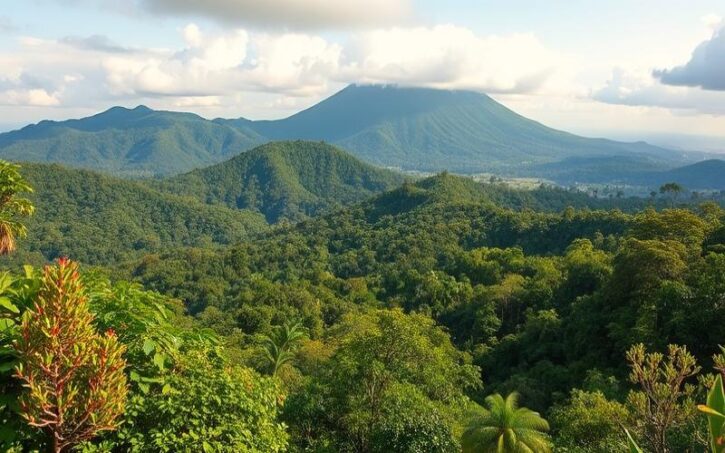
The transition to life in Costa Rica, a land of biodiversity and lush outdoors, may evoke images of golden beaches and enchanting rainforests, but it requires a genuine adaptation to the local climate.
With its distinct seasons – the dry season and the rainy season – understanding the weather conditions becomes essential not only to fully appreciate your new home but also to settle in comfortably.
Whether you are fascinated by the varied microclimates that characterize this country or simply want to know how to prepare for hot days punctuated by tropical rains, our guide offers practical advice so you can acclimate harmoniously to your environment while embracing the unique and welcoming culture that makes this beautiful destination famous.
Acclimating to Costa Rica’s Microclimates
In Costa Rica, the diversity of microclimates is remarkable, with marked variations between humid rainforests, dry savannas, temperate valleys, and cloud forests, even over short distances. This climatic mosaic influences daily life, clothing choices, activities, and well-being.
Main Types of Microclimates in Costa Rica:
| Microclimate | Typical Location | Average Temperature | Precipitation | Characteristics |
|---|---|---|---|---|
| Humid Rainforest | Caribbean (Puerto Viejo, Tortuguero) | 75–90°F (24–32°C) | Regular rain, year-round | High humidity, lush vegetation, abundant wildlife |
| Dry Tropical Forest | North Pacific (Guanacaste) | 81–95°F (27–35°C) | Pronounced dry season | Intense sun, sparse vegetation, beaches |
| Cloud Forest | Monteverde, Central Mountains | 59–77°F (15–25°C) | Frequent mist, abundant rain | Cool atmosphere, unique biodiversity |
| Central Valley | San José, Cartago, Heredia | 64–81°F (18–27°C) | Rain mainly in rainy season | Temperate climate, cool nights, attractive for expats |
| Northern Lowlands | Arenal, Sarapiquí | 68–86°F (20–30°C) | Variable humidity, rains | Local microclimates around lakes and volcanoes |
Variations Over Short Distances:
- A one-hour drive can be enough to go from a hot, dry climate to a cool, humid one.
- Altitude, proximity to the sea or mountains, and wind exposure strongly influence local weather.
Impact on Daily Life:
Clothing:
- Pack light, breathable, and quick-drying outfits for humid areas.
- Wear a hat, sunglasses, and long clothing in dry, sunny regions.
- Bring a waterproof jacket or sweater for cool nights or high-altitude areas.
Physical Activities:
- Adapt the intensity and timing of activities to the heat and humidity (favor mornings or late afternoons in hot areas).
- Avoid physical exertion during peaks of heat or humidity.
Lifestyle:
- Plan travel according to the season (avoid the rainy season for certain outdoor activities or mountain roads).
- Get used to different rhythms depending on the region (siesta or afternoon breaks in very hot areas).
Practical Tips for Adaptation:
Planning According to Seasons:
- Check the local weather before each trip.
- Have alternatives planned in case of heavy rains or flooding in humid regions.
Hydration and Health:
- Drink plenty of water, especially in hot areas or during physical exertion.
- Use high-SPF sunscreen, even on cloudy days.
- Apply insect repellent regularly, particularly in rainforests and near water.
Protection and Comfort:
- Wear closed-toe shoes in humid regions to avoid bites and stings.
- Carry an umbrella or poncho during the rainy season.
Potential Impact on Mental Health and Adaptation Strategies:
Climate Changes: Adapting to high humidity, heat, or unpredictable weather conditions can cause stress or temporary discomfort.
Adaptation Strategies:
- Take time to acclimate gradually to a new climate.
- Practice relaxing activities (yoga, meditation, nature walks).
- Maintain a regular sleep routine and ensure living spaces are well-ventilated.
- Seek support from other expatriates or the local community to share adaptation experiences.
Summary of Practical Recommendations:
- Research the local climate before traveling or moving.
- Adapt your clothing and schedule to weather conditions.
- Take care of your physical and mental health while adapting to a new microclimate.
In Costa Rica, the key is adaptability: the diversity of microclimates requires flexibility, anticipation, and listening to your body.
Good to Know:
Costa Rica’s microclimates, such as humid rainforests and dry savannas, can vary considerably over short distances, requiring appropriate clothing and good hydration; plan your travel according to the seasons and regularly use sunscreen and repellents, while remaining mindful of the impacts on your mental health to navigate these transitions well.
Climate Impacts on Expatriate Health and Well-being
Costa Rica’s tropical climate, characterized by intense heat and high humidity, has notable impacts on the physical health and mental well-being of expatriates.
Effects on Physical Health
- Risk of Dehydration: Profuse sweating due to the heat accelerates fluid loss. Without regular rehydration, this can lead to fatigue, headaches, or more serious issues.
- Heatstroke (Sunstroke): Prolonged sun exposure increases the risk of hyperthermia, especially during outdoor physical activities.
- Vector-Borne Diseases (Dengue, Chikungunya): Mosquitoes thrive in humid areas; these diseases present with high fever, joint pain, and may require hospitalization.
| Risk | Main Symptoms | Prevention |
|---|---|---|
| Dehydration | Fatigue, dizziness | Drink regularly |
| Heatstroke | Nausea, confusion | Avoid exertion during hot hours |
| Dengue/Chikungunya | High fever, body aches | Repellents & covering clothing |
Impacts on Mental Well-being
- Difficulty Adapting: Some expatriates report a persistent feeling of discomfort during the first weeks (“the humidity seems to stick to the skin and makes any activity tiring”).
- Influence on Mood & Sleep: The lack of cool nights disrupts nighttime rest; irritability or decreased motivation is sometimes observed.
- Increased Stress: Adapting one’s daily rhythm to avoid the heat can become a source of frustration.
“The first month was difficult. I slept poorly because of the constant mugginess… I had to rethink my daily habits,” shares Julie D., settled near the Pacific.
Practical Tips to Mitigate These Impacts
- Drink frequently throughout the day (minimum 2 liters, more if physically active).
- Wear light clothing made of natural fibers (linen/cotton), loose and light-colored.
- Prioritize outdoor activities early in the morning or after 4 PM to avoid peak heat.
- Consistently seek shade or equip yourself with a wide-brimmed hat/portable mister.
- Use appropriate insect repellents; sleep under a mosquito net in certain regions.
Additional list:
- Adopt a diet rich in fresh local fruits (additional hydration) and limit heavy/salty dishes that increase thirst.
- Stay attentive to bodily signals: unusual shortness of breath/fever/persistent feeling of exhaustion warrant a prompt medical consultation.
Key Takeaway
Acclimatization often takes several weeks: listening to your body remains paramount. Many expatriates emphasize that a flexible routine – combining rigorous hydration, regular breaks in the shade, and dietary adaptation – gradually allows one to fully appreciate this unique climate without sacrificing health or psychological well-being.
Good to Know:
In Costa Rica, adapt your routine by drinking water regularly to avoid dehydration and wear light clothing to cope with the heat and humidity; many expatriates also emphasize the importance of planning activities during the cooler parts of the day to maintain their well-being.
Strategies for Coping with Extreme Climates
Strategies for Coping with Climatic Variations in Costa Rica
List of practical tips for the rainy and hurricane season:
- Regularly monitor local weather forecasts.
- Keep an emergency kit on hand with flashlights, batteries, essential medications, and important documents.
- Store enough drinking water and non-perishable food.
- Check the waterproofing of the roof, windows, and doors to prevent leaks.
- Plan an alternative electricity system (generator or solar batteries).
- Avoid unnecessary travel during heavy rains; plan trips in advance.
Recommended Clothing According to Climate
| Season | Recommended Clothing |
|---|---|
| Rainy Season | Waterproof poncho, rubber boots |
| Dry Season | Light T-shirts, loose cotton pants |
| Hot Days | Wide-brimmed hat, sunglasses |
| High Humidity | Breathable, moisture-wicking clothing |
Home Space Adjustments:
- Install mosquito screens on all openings to limit insect entry during the rainy season.
- Use a dehumidifier to reduce excessive indoor humidity.
- Prioritize natural ventilation: open opposite windows to promote fresh air circulation.
- Equip your home with blinds or thick curtains to limit heat during peak temperatures.
Food and Water Management During Severe Weather:
- Build a food reserve with canned goods, dried fruits, and dehydrated products that are easy to store long-term.
- Always have several bottles or jugs of drinking water on hand.
- Regularly check the condition of the refrigerator/freezer (consider a small generator).
Access to Local Medical Services:
- Register with the nearest medical center upon arrival in the country.
- Keep an updated list of emergency numbers (local Red Cross, private ambulances).
- Obtain international health insurance that specifically covers care related to tropical diseases.
Preparation for Climate Emergencies:
- Participate in workshops organized by local communities on natural disaster management.
- Identify in advance all temporary shelters available in your region (schools converted into shelters).
- Establish a family plan including meeting points and key contacts.
By adopting these proactive measures, it is possible for any expatriate in Costa Rica not only to maximize daily comfort but also to ensure safety in the face of challenges posed by the local climate.
Good to Know:
Wear light, breathable clothing to handle the heat and equip your home with dehumidifiers. Keep a stock of drinking water and non-perishable food to avoid any inconvenience during storms.
Home Adaptation to Local Conditions
Costa Rica has a tropical climate marked by two main seasons: a dry season (December to April) and a rainy season (May to November). Depending on the region, the climate varies from tropical dry (Pacific coast) to tropical humid (Caribbean coast), including temperate microclimates at altitude. Temperatures remain stable, generally ranging between 68°F and 95°F (20°C and 35°C) depending on the area, but humidity and precipitation can be very high, especially during the rainy season.
This climatic context strongly influences construction and interior design choices:
- Houses are often designed to maximize natural ventilation to limit heat and humidity.
- Steeply pitched roofs are preferred to quickly shed heavy rains.
- Openings (windows, louvers) are strategically placed to promote air circulation while limiting rain entry.
Suitable Building Materials
| Material | Advantages for the Local Climate |
|---|---|
| Local Wood (teak, melina) | Resistant to humidity and termites, natural insulation |
| Reinforced Concrete | Good resistance to weather and earthquakes |
| Terracotta Tiles | Excellent thermal insulation |
| Fiber Cement | Resistant to humidity and easy to maintain |
- Walls are often double-walled or insulated to limit temperature variations and protect against humidity.
- Natural materials are preferred for their low environmental impact and ability to “breathe.”
Practical Tips for Adaptation:
- Install wide roof overhangs to protect walls and openings from torrential rains.
- Use mosquito screens and ceiling fans to avoid excessive air conditioning use.
- Plan effective drainage systems around the house to prevent water accumulation and landslide risks.
- Paint exterior walls with waterproof coatings to limit moisture penetration.
Regular Maintenance:
- Regularly check and treat wooden structures against termites.
- Clean gutters and water drains after each heavy rain.
- Frequently inspect roofs and walls to detect potential leaks or mold.
Energy Savings:
- Install solar panels for hot water and electricity, as Costa Rica benefits from good sunlight.
- Prioritize low-consumption appliances (energy label class A or higher).
- Use LED bulbs and timer or motion detector systems for outdoor lighting.
Safety Against Natural Risks:
| Natural Risk | Recommended Precautions |
|---|---|
| Earthquakes | Reinforced foundations, seismic standards |
| Landslides | Construction outside risk zones, drainage |
| Flooding | Elevated construction, good drainage |
- Consult local engineers to ensure compliance with safety standards.
- Prepare an emergency kit and an evacuation plan suited to the region.
Integrating with Nature and Respecting the Ecosystem:
- Preserve existing vegetation around the house to promote natural shade and biodiversity.
- Create edible gardens or native plant gardens to limit maintenance and water use.
- Install rainwater collectors for irrigation or non-potable uses.
Testimonials and Concrete Examples:
“We chose to install large opposite-facing windows to benefit from the trade winds and avoid air conditioning, while using local teak for our frames, which reduced termite problems.”
— Claire and Jean, French expatriates in Nosara
“Installing solar panels and a solar water heater cut our electricity bill in half, and we use rainwater for our permaculture garden.”
— Miguel, Spanish retiree in Atenas
Useful Local Resources for Expatriates:
- Companies specializing in ecological construction: EcoConstrucción CR, CasaVerde Costa Rica
- Local artisans for wood treatment and natural insulation
- Local expatriate groups to share experiences and provider recommendations
Adapting your home in Costa Rica means combining comfort, safety, and respect for nature, while adapting to the country’s climatic diversity.
Good to Know:
In Costa Rica, opt for materials like teak wood that are resistant to humidity and termites, and rely on good natural ventilation to counter the intense heat. Consider sustainable energy solutions, such as installing solar panels, to benefit from constant sunshine while maintaining responsible energy consumption.
Disclaimer: The information provided on this website is for informational purposes only and does not constitute financial, legal, or professional advice. We encourage you to consult qualified experts before making any investment, real estate, or expatriation decisions. Although we strive to maintain up-to-date and accurate information, we do not guarantee the completeness, accuracy, or timeliness of the proposed content. As investment and expatriation involve risks, we disclaim any liability for potential losses or damages arising from the use of this site. Your use of this site confirms your acceptance of these terms and your understanding of the associated risks.

Cyril Jarnias is an independent expert in international wealth management with over 20 years of experience. As an expatriate himself, he is dedicated to helping individuals and business leaders build, protect, and pass on their wealth with complete peace of mind.
On his website, cyriljarnias.com, he shares his expertise on international real estate, offshore company formation, and expatriation.
Thanks to his expertise, he offers sound advice to optimize his clients' wealth management. Cyril Jarnias is also recognized for his appearances in many prestigious media outlets such as BFM Business, les Français de l’étranger, Le Figaro, Les Echos, and Mieux vivre votre argent, where he shares his knowledge and know-how in wealth management.





