
 Published on and written by Cyril Jarnias
Costa Rica, a Paradise for Sports Activities
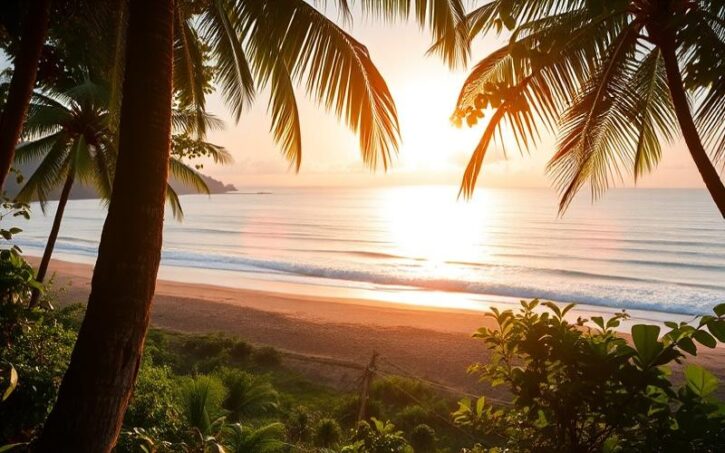
Costa Rica, a true tropical paradise, offers a multitude of sports activities for adventure enthusiasts to discover. Between its Pacific coast with impressive waves, ideal for surfing, and its lush nature perfect for hiking, every visitor will find their bliss.
Whether you’re drawn to white-water rafting on tumultuous rivers or a relaxing yoga session facing a spectacular sunset, the country is brimming with opportunities for athletes of all levels.
From scuba diving where the fascinating seabeds will amaze you, to volcanic terrain offering breathtaking mountain biking trails, Costa Rica is the ultimate land of adventure.
Must-Try Sports to Discover in Costa Rica
Iconic Sports of Costa Rican Culture
Costa Rica is renowned for its rich natural diversity and spectacular landscapes, making it a prime destination for numerous outdoor sports. Some sports have become essential elements of the local culture, attracting enthusiasts from around the world thanks to unique natural conditions.
| Sport | Iconic Sites/Natural Conditions | Reasons for International Appeal | Ecological & Cultural Impact |
|---|---|---|---|
| Surfing | Pacific Coast (Playa Tamarindo, Jacó), Caribbean | Consistent waves, spots for all levels | Tourism development, support for local economy |
| Rafting | Tumultuous Rivers (Río Pacuare, Sarapiquí) | Rapids ranked among the best in the world | Raising awareness for river preservation |
| Hiking | National Parks (Corcovado, Arenal, Monteverde) | Exceptional biodiversity, varied trails | Valuing nature, environmental education |
| Canopy (Ziplining) | Humid Tropical Forests (Monteverde, Manuel Antonio) | Immersive canopy views, thrilling sensation | Promotion of ecotourism, local employment |
| Diving & Snorkeling | Isla del Coco, Cahuita, Golfo Dulce | Unique marine life (sharks, turtles, corals) | Protection of marine areas, scientific research |
Surfing
The Pacific and Caribbean coasts of Costa Rica offer internationally renowned waves, with beaches like Tamarindo and Jacó regularly hosting competitions and surf schools.
Surfing attracts visitors due to its consistent conditions year-round and the diversity of spots suitable for both beginners and experienced surfers.
This sport has contributed to the development of a local economy around sports tourism, creating jobs and supporting coastal communities, while highlighting the need to preserve marine ecosystems.
Rafting
Rivers like the Río Pacuare are world-famous for their rapids and wild landscapes, offering an immersive experience in the heart of tropical nature.
Rafting attracts visitors for the combination of adrenaline and discovery of river biodiversity.
This activity promotes awareness of river protection and supports ecotourism initiatives, while generating income for riverside communities.
Hiking
The many national parks and reserves of Costa Rica (Corcovado, Arenal, Monteverde) offer varied trails, ranging from dense jungle to volcanic craters.
Hiking allows for the discovery of exceptional biodiversity, observing monkeys, tropical birds, and endemic flora.
It encourages the appreciation and preservation of the environment, while supporting the rural economy through ecotourism.
Canopy (Ziplining)
The tropical forests, especially in Monteverde or Manuel Antonio, are ideal for canopy tours, offering thrilling sensations and spectacular views of the canopy.
This innovative activity attracts visitors for its ecological and immersive dimension, allowing observation of wildlife and flora from a unique perspective.
Canopy tours contribute to funding forest conservation and creating sustainable jobs for local communities.
Scuba Diving and Snorkeling
Sites like Isla del Coco, a UNESCO World Heritage site, or the reefs of Cahuita, are renowned for the richness of their marine life: hammerhead sharks, turtles, colorful fish, and corals.
These activities appeal to nature lovers for the opportunity to explore preserved underwater ecosystems.
They have a positive impact by promoting scientific research and the protection of marine areas, but require responsible management to limit pressure on fragile habitats.
Other Notable Sports
Soccer, although less tied to nature, remains the sport most deeply rooted in Costa Rican cultural identity and brings all generations together during major matches.
Cycling and mountain biking are also growing in popularity, taking advantage of the country’s mountainous landscapes and scenic roads.
Summary of Impacts
These sports promote local economic development, encourage environmental preservation, and strengthen Costa Rica’s cultural identity.
Sustainable management and awareness are essential so that these activities remain beneficial for communities and ecosystems.
Good to Know:
Opt for sunrise surf sessions to avoid the crowds, and choose the Rio Pacuare for eco-friendly rafting, where local guides will introduce you to Costa Rica’s unique biodiversity.
Where to Practice Your Favorite Sports in Costa Rica
| Sport | Iconic Locations | Ideal Season | Special Features |
|---|---|---|---|
| Surfing | Tamarindo, Jaco, Playa Hermosa, Playa Avellanas, Playa Nosara, Playa Marbella, Playa Camaronal, Witches Rock | December to April (dry season), consistent swell year-round | Tamarindo: perfect for beginners and competitions; Jaco: consistent waves for all levels; Nosara: renowned beach break |
| Hiking | Corcovado National Park, Arenal Volcano National Park, Rincon de la Vieja National Park, Manuel Antonio National Park | December to April (less rain) | Corcovado: extreme biodiversity; Arenal: volcanic trails, hanging bridges |
| Rafting | Río Pacuare, Río Reventazón, Río Sarapiquí | June to October (more water, more intense rapids) | Río Pacuare: one of the best courses in Central America, spectacular landscapes |
| Mountain Biking | La Fortuna (Arenal), Monteverde, Nosara, Turrialba | December to April (dry trails) | La Fortuna: volcanic and forest trails, views of Arenal |
| Yoga | Nosara, Santa Teresa, Montezuma, Uvita | Year-round, dry season preferred for beaches and retreats | Nosara: yoga capital, retreats in nature, zen atmosphere |
Surfing
- Tamarindo: ideal beach for beginners, many surf schools, national competitions, festive atmosphere.
- Jaco: long beach, consistent waves year-round, spots for all levels, less hot and more humid than Tamarindo.
- Playa Hermosa: known for its powerful waves, recommended for experienced surfers.
- Nosara: popular beach break, relaxed atmosphere, suitable for surfing and yoga.
- Dry season (December to April): optimal conditions, calm sea, less rain.
Hiking
- Corcovado National Park: considered one of the richest ecosystems in the world, varied trails, wildlife observation.
- Arenal Volcano National Park: trails around the volcano, hanging bridges, natural hot springs.
- Prefer the dry season to avoid mud and enjoy the panoramas.
Rafting
- Río Pacuare: famous course, class III-IV rapids, jungle and waterfall landscapes.
- Río Reventazón and Sarapiquí: suitable for different levels, ideal in the rainy season (May to October) for more water flow.
Mountain Biking (MTB)
- La Fortuna (Arenal): varied circuits, volcanic terrain, rainforest, views of Arenal Volcano.
- Monteverde: mountain trails, cloud forests, technical challenges.
Yoga
- Nosara: renowned for its yoga retreats, peaceful beaches, studios in nature.
- Santa Teresa and Montezuma: bohemian atmosphere, seaside classes, international retreats.
Practical Tips
Dry season (December to April): ideal for surfing, hiking, mountain biking, outdoor yoga.
Rainy season (May to November): best time for rafting, but some hiking and mountain biking trails can be muddy or slippery.
For sporting events (surf competitions, yoga festivals), check local calendars to enjoy the atmosphere and international encounters.
Key Takeaway:
The Pacific Coast concentrates the majority of surf spots and yoga retreats, while the interior of the country and the Caribbean coast offer unique hiking, rafting, and mountain biking experiences, each region having its own advantages depending on the season.
Good to Know:
To best enjoy surfing in Tamarindo and Jaco, visit during the dry season from December to April, while for rafting on the Rio Pacuare, the period from May to October guarantees optimal water flow.
The Cost of a Sports Passion for an Expat in Costa Rica
Costs of Equipment and Practicing Popular Sports in Costa Rica
| Sport | Basic Equipment (Purchase) | Rental/Lesson | Club/Registration Fees | Expat Insurance | Transportation (to Reputed Sites) | International Comparison |
|---|---|---|---|---|---|---|
| Surfing | Beginner Board: $160-$430 Wetsuit: $55-$160 | Board Rental: $11-$22/day Group Lesson: $32-$54/session | Local Clubs: $22-$54/year | Sports Insurance: $11-$32/month | Local Bus: $2-$11 Private Shuttle: $32-$65 | Rental/purchase prices more affordable than Europe or USA for basic gear, but lessons at a similar level. |
| Hiking | Boots: $43-$130 Backpack: $32-$86 Clothing: $54-$108 | Local Guide (optional): $22-$43/day | Clubs or Groups: often free or low cost | Standard insurance included | Bus Transport: $2-$16 | Equipment more affordable than in Europe. Park access often cheaper than North America. |
| Cycling | Beginner Bike: $270-$650 Helmet: $22-$65 Accessories: $32-$86 | Bike Rental: $22-$38/day Lesson/Initiation: $22-$43/session | MTB/Road Clubs: $32-$75/year | Specific Insurance: $16-$43/month | Bike on Bus: $5-$16 Shuttle: $32-$65 | Bike purchase often cheaper than in the USA, but imported high-end remains costly. |
Additional Details:
Equipment: Since the opening of Decathlon in San José, access to affordable, quality equipment has significantly improved in Costa Rica, reducing the need for expensive imports. Prices remain slightly higher than in Europe for some specialized items, but entry-level products are very accessible.
Clubs & Associations: Local sports clubs are generally inexpensive, especially compared to Western Europe or North America where annual fees can be significantly higher.
Lessons/Courses: Rates for individual or group surf or cycling lessons are similar to those in tourist destinations in Southern Europe or Asia, but remain lower than those in North American beach resorts.
Sports Insurance: Expats are advised to take out specific insurance covering risk sports (surfing, mountain biking, etc.), with rates similar to those of international insurers, with adjustable monthly or annual packages.
Transportation: Travel costs to major sports sites (surf beaches, national parks, mountains) are moderate via public transport, but can rise if opting for private shuttles or rental vehicles.
International Comparison:
- Entry-level equipment often cheaper than in the United States or Northern Europe, thanks to the arrival of chains like Decathlon.
- Lessons/courses at competitive rates, lower than in developed countries.
- Club fees generally lower than in France, Spain, or Canada.
- Insurance at the same level as international offers, sometimes slightly more expensive for risk sports.
- Transportation less expensive than in most North American or European tourist destinations, especially when using local transport.
Budget Management:
A sports-loving expat can practice these activities at a reasonable cost by favoring local purchases and Costa Rican clubs, while benefiting from easy access to exceptional natural sites. Costs are generally lower than in many other Western countries for equipment and access, but some imported items remain expensive.
Good to Know:
Surfing equipment costs around $300 USD, and club memberships can range from $50 to $100 USD, while surf lessons are about $50 USD per session; insurance fees and transportation to popular places like Tamarindo must also be considered, often more affordable than in the United States.
Disclaimer: The information provided on this website is for informational purposes only and does not constitute financial, legal, or professional advice. We encourage you to consult qualified experts before making any investment, real estate, or expatriation decisions. Although we strive to maintain up-to-date and accurate information, we do not guarantee the completeness, accuracy, or timeliness of the proposed content. As investment and expatriation involve risks, we disclaim any liability for potential losses or damages arising from the use of this site. Your use of this site confirms your acceptance of these terms and your understanding of the associated risks.

Cyril Jarnias is an independent expert in international wealth management with over 20 years of experience. As an expatriate himself, he is dedicated to helping individuals and business leaders build, protect, and pass on their wealth with complete peace of mind.
On his website, cyriljarnias.com, he shares his expertise on international real estate, offshore company formation, and expatriation.
Thanks to his expertise, he offers sound advice to optimize his clients' wealth management. Cyril Jarnias is also recognized for his appearances in many prestigious media outlets such as BFM Business, les Français de l’étranger, Le Figaro, Les Echos, and Mieux vivre votre argent, where he shares his knowledge and know-how in wealth management.





