
 Published on and written by Cyril Jarnias
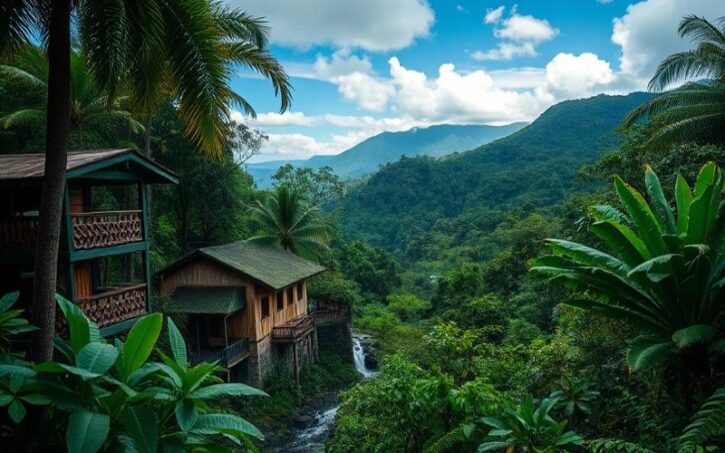
Nestled between the turquoise waters of the Caribbean and the roaring waves of the Pacific Ocean, Costa Rica captivates millions of travelers each year in search of fascinating natural landscapes and extraordinary biodiversity.
Endowed with lush rainforests, majestic volcanoes, and idyllic beaches, this country is brimming with breathtaking tourist treasures. Whether you’re a fan of relaxation, passionate about outdoor adventures, or curious to discover a rich local culture, Costa Rica’s must-see tourist sites promise an unforgettable experience.
Explore the natural wonders of Tortuguero National Park, the sacred lands of Arenal Volcano, and let yourself be enchanted by the paradisiacal beaches of Manuel Antonio—stops that will awaken your senses and nourish your adventurous spirit.
Costa Rica’s Must-See Gems
| Attraction | Distinctive Features | Recommended Activities | Tips & Advice for an Optimal Stay |
|---|---|---|---|
| Manuel Antonio National Park | Famous for its remarkable biodiversity, white-sand beaches, rainforests, and wildlife viewing (monkeys, sloths, iguanas). | Hiking on marked trails, swimming, snorkeling, animal watching, kayaking. | Small but extremely popular: arrive early to avoid the crowds. The beaches inside the park are considered among the country’s most beautiful. Bring water and snacks, as services are limited within the park. |
| Arenal Volcano & La Fortuna | Imposing conical volcano, natural hot springs, spectacular landscapes, and waterfalls. | Hiking on trails in Arenal Volcano National Park, soaking in hot springs, visiting La Fortuna Waterfall, ziplining, horseback riding. | Arenal Volcano was active until 2010, once offering nighttime lava shows. Stay at a hotel with a volcano view and access to thermal springs for a complete experience. |
| Monteverde Cloud Forest Reserve | Unique cloud forest, exceptional wildlife (resplendent quetzal, frogs, butterflies), rare plant biodiversity. | Hiking on suspension bridges, night tours for animal watching, ziplining over the canopy, visiting butterfly gardens. | Misty and humid climate: pack waterproof clothing. Early morning trails offer the best chances for wildlife observation. Book guided activities in advance, as spots are limited. |
| Tortuguero National Park | Accessible only by boat or plane, important sea turtle nesting site, lush network of canals. | Observing turtle nesting (mainly July to October), boat tours, bird and wildlife watching. | The remote access guarantees an authentic experience away from the crowds. Watching thousands of turtles nest is an unforgettable highlight. Pack light, waterproof clothing due to frequent rains. |
| Rio Celeste (Tenorio National Park) | Waterfall and river with an intense turquoise blue color, a rare natural phenomenon. | Hiking (easy to moderate trail), photography, exploring the point where two rivers meet, swimming is prohibited to preserve the ecosystem. | The blue color appears suddenly at the junction of two rivers with different pH levels. Be prepared to descend and then climb 250 steps to reach the waterfall. Trails can be muddy during the rainy season. |
Other Recommendations for an Optimal Stay:
- Opt for guided tours in nature reserves to maximize chances of spotting elusive wildlife.
- Book accommodations in advance, especially during high season (December to April).
- Respect environmental guidelines at each site to preserve fragile ecosystems.
- Pack appropriate clothing: hiking shoes, rain gear, sunscreen, and insect repellent.
Noteworthy Anecdote:
In the Monteverde Reserve, it’s common to hear the “song” of the quetzal, a mythical Central American bird considered a good luck charm by local populations.
At Rio Celeste, legend has it that God rinsed his paintbrushes in the river after painting the sky, hence its supernatural color.
Experiences Not to Miss:
- Soaking in a natural hot spring at the foot of Arenal at sunset.
- Nighttime turtle watching in Tortuguero, accompanied by a local guide.
- Crossing suspension bridges in the mist at Monteverde, for total immersion in the canopy.
Good to Know:
For an optimal experience in Monteverde, choose a guided night tour to observe unique nocturnal wildlife; at Manuel Antonio National Park, opt for an early morning visit to avoid crowds and maximize biodiversity observation.
Practical Travel: Easily Accessing Costa Rica’s Wonders
Transportation Options in Costa Rica
- Domestic Flights
Two main airlines, Sansa and Nature Air, serve major tourist regions. Domestic flights save precious time on long distances (e.g., San José – Drake Bay in 45 min vs. 7-8h by road). Checked baggage weight limit is 14 kg + 5 kg carry-on. Ideal for quick access to remote areas or for flying over volcanoes. - Car Rental
Renting a vehicle offers great freedom to explore off-the-beaten-path sites and enjoy scenic routes like Highway 32 to Braulio Carrillo National Park or Highway 142 around Lake Arenal. Opt for a 4×4 during the rainy season or to access certain beaches and parks. Main roads are decent, but some secondary roads remain winding or unpaved. - Public Buses
The bus network is extensive, economical, and connects almost the entire country. Buses are modern, air-conditioned, and punctual. Two types exist: “basic” (cheaper, slower) and “express” (faster, slightly more expensive). Tickets are purchased at the bus station or from the driver. - Tourist Shuttles
Private companies (Interbus, Gray Line) provide comfortable door-to-door connections between major tourist sites, convenient for travelers who prefer not to drive. - Taxis
Easy to spot (red with a yellow triangle), affordable, available everywhere. At the airport, they are orange. Have the address written in Spanish ready.
| Option | Advantages | Disadvantages |
|---|---|---|
| Domestic Flights | Fast, access to remote areas | Limited baggage, higher cost |
| Car Rental | Freedom, access to scenic routes | Driving can be challenging, deposit required |
| Public Buses | Economical, extensive network | Slower, fixed schedules |
| Tourist Shuttles | Comfort, no need to drive | Price higher than public bus |
| Taxis | Convenient for short trips | Price varies by distance |
Tips to Optimize Your Travel
- For navigation, prioritize apps like Waze (widely used locally), Google Maps, or Maps.me for offline routes.
- Some scenic routes not to miss:
- Highway 32 (San José – Limón, crossing Braulio Carrillo National Park)
- Highway 142 (around Lake Arenal)
- Coastal Highway 34 (Costanera Sur, to access Pacific beaches)
- Anticipate traffic jams around San José, especially during rush hour.
- Buy bus tickets in advance for highly frequented routes.
- For airport transfers, book a shuttle or official taxi in advance.
Ideal Times to Visit
- The best season runs from December to April (dry season), ideal for enjoying beaches and hikes.
- To avoid crowds and benefit from more attractive rates, prioritize the months of May, June, September, and November (green season, lush vegetation, rains mostly in the late afternoon).
- Avoid Holy Week (Semana Santa, March-April) and Christmas holidays, periods of high influx.
Tips for a Smooth Trip
- Payment Methods: Credit cards are accepted in most hotels, restaurants, and supermarkets. Prioritize cash (Costa Rican colón) for small purchases, markets, rural gas stations.
- Language: Spanish is the official language. English is spoken in tourist areas, but some basic Spanish facilitates interactions.
- Road Safety:
- Respect speed limits (generally 40 km/h in town, 80 km/h on highways).
- Seat belts mandatory for all.
- Caution on secondary roads (potholes, wildlife crossings).
- Never leave valuables in the vehicle.
- In case of rain, adjust speed, as some roads can be slippery or flooded.
Key Takeaway:
Costa Rica offers a great diversity of transportation options suitable for all traveler profiles. Plan your trips carefully, prioritize flexibility, and fully enjoy the grand landscapes and local friendliness for a stress-free stay.
Good to Know:
Opt for domestic flights to save time on long distances and use the Waze app to navigate Costa Rican roads easily; prefer traveling during the dry season, from December to April, for optimal weather and fewer crowds.
Accommodations for All Tastes: Where to Stay in Costa Rica
Costa Rica offers a wide range of accommodations suited to all tastes and budgets, from refined luxury to economical options, including unique eco-friendly experiences.
| Accommodation Type | Specific Examples | Recommended Regions/Neighborhoods | Indicative Price Range |
| Luxury Hotels | Nayara Gardens, Tabacon Thermal Resort, El Mangroove, Andaz Costa Rica Resort, Nekajui Ritz-Carlton Reserve | Papagayo (Guanacaste), La Fortuna (Arenal), Uvita, San José | 400 to 1000+ USD/night |
| Hostels | Selina (San José, Monteverde, Manuel Antonio), Arenal Backpackers Resort | San José center, La Fortuna, Monteverde, Tamarindo | 15 to 50 USD/night |
| Ecolodges | Rancho Pacifico, Tiki Villas Rainforest Lodge, Pacuare Lodge | Corcovado, Monteverde, Tortuguero, Osa, Uvita | 80 to 400+ USD/night |
| Vacation Rentals | Airbnb, Stay in Tamarindo, private villas | Tamarindo, Santa Teresa, Puerto Viejo, Manuel Antonio | 50 to 500+ USD/night depending on standard |
| Budget Hotels | Hotel Hacienda Guachipelin, local hotels | La Fortuna, Monteverde, San José, Puerto Viejo | 40 to 90 USD/night |
Tourist Regions and Recommended Neighborhoods:
- San José:
- International hotels, trendy hostels (Barrio Escalante, Sabana, downtown)
- Ideal for a first night and discovering Costa Rican urban life.
- Arenal Volcano / La Fortuna:
- Spa hotels with volcano views, ecolodges in the heart of nature (Nayara Gardens, Tabacon Thermal Resort)
- Budget hostels close to adventure activities.
- Monteverde:
- Ecolodges in the middle of the cloud forest (Monteverde Cloud Forest Lodge, Selina)
- Small family pensions and budget hotels.
- National Parks (Corcovado, Tortuguero, Manuel Antonio):
- Ecological lodges, rustic cabinas close to wildlife
- All-inclusive accommodations for access to remote reserves (Pacuare Lodge for rafting and jungle)
- Pacific Beaches:
- Papagayo: luxury resorts, private villas (Andaz, Nekajui Ritz-Carlton)
- Tamarindo/Santa Teresa: vacation rentals, surfer hostels, family hotels
- Uvita/Dominical: charming small hotels, jungle ecolodges (Vayu Retreat Villas, Tiki Villas)
- Caribbean Coast (Puerto Viejo, Cahuita):
- Colorful bungalows, friendly hostels, vacation homes
- Relaxed atmosphere, easy access to wild beaches
Options Suited to All Budgets:
- Small Budget:
- Hostels, local cabinas, budget hotels often with shared kitchen
- Many options in tourist areas and off the beaten path
- Medium Budget:
- Boutique hotels, B&Bs, small lodges, apartment or house rentals
- High-End:
- All-inclusive resorts, luxury hotels integrated into nature, private villas
Focus on Ecotourism and Responsible Accommodation:
Ecolodges (Monteverde, Osa, Tortuguero) prioritize integration into the environment, use of renewable energy, waste management, and involvement in local preservation.
Many upscale hotels (Andaz, El Mangroove) adopt sustainable practices and support environmental or community initiatives.
Key Takeaway:
Costa Rica stands out for the diversity and quality of its accommodations, allowing everyone to tailor a custom stay, whether seeking luxury, authenticity, friendliness, or ecological commitment.
Good to Know:
Opt for an eco-friendly stay at the Finca Luna Nueva ecolodge near Arenal Volcano or choose the lively neighborhoods of San José for hostel accommodations on a small budget; for incredible panoramas, the beaches of Manuel Antonio offer luxury hotels with ocean views.
Disclaimer: The information provided on this website is for informational purposes only and does not constitute financial, legal, or professional advice. We encourage you to consult qualified experts before making any investment, real estate, or expatriation decisions. Although we strive to maintain up-to-date and accurate information, we do not guarantee the completeness, accuracy, or timeliness of the proposed content. As investment and expatriation involve risks, we disclaim any liability for potential losses or damages arising from the use of this site. Your use of this site confirms your acceptance of these terms and your understanding of the associated risks.

Cyril Jarnias is an independent expert in international wealth management with over 20 years of experience. As an expatriate himself, he is dedicated to helping individuals and business leaders build, protect, and pass on their wealth with complete peace of mind.
On his website, cyriljarnias.com, he shares his expertise on international real estate, offshore company formation, and expatriation.
Thanks to his expertise, he offers sound advice to optimize his clients' wealth management. Cyril Jarnias is also recognized for his appearances in many prestigious media outlets such as BFM Business, les Français de l’étranger, Le Figaro, Les Echos, and Mieux vivre votre argent, where he shares his knowledge and know-how in wealth management.





