
 Published on and written by Cyril Jarnias
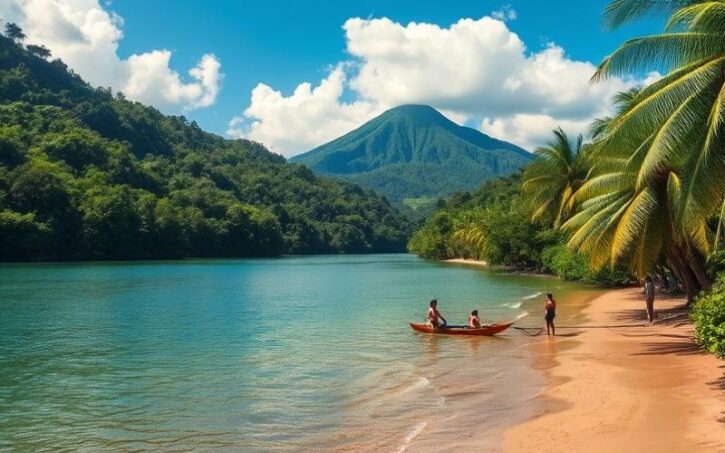
Nestled in the heart of Central America, rural life in Costa Rica offers a vibrant picture where ancestral traditions and sustainable development coexist harmoniously. In this country known for its lush biodiversity and breathtaking landscapes, rural communities are the guardians of a rich and diverse culture.
However, behind this picturesque canvas lie considerable challenges, such as limited infrastructure, restricted access to basic services, and ecological threats to local ecosystems.
By exploring the daily realities of these regions, we will discover how innovative community initiatives and a growing environmental awareness are paving the way for new economic and social opportunities, while preserving the authenticity and unique heritage of these places.
Promoting Rural Life in Costa Rica: An Overview of Opportunities
Costa Rica is deploying innovative government and private initiatives to revitalize rural life, strengthen sustainable development, and open up new economic opportunities.
Key Initiatives:
- Public Agricultural Policies: The Public Policy for the Agricultural Sector 2023-2032 program offers technical assistance, financing, and digital platforms to over 10,500 small producers, including a significant share of women and youth. The goal is to improve competitiveness while supporting sustainable agriculture.
- Territorial Pilot Projects: Plans such as the National Territorial Rural Development Plan (PNDRT) or biological corridors (e.g., “La Suerte–Desenredo” in Pococí) focus on ecosystem-based management to restore ecological connectivity while aligning tourism, water management, and agriculture with environmental sustainability.
- Community Agritourism Programs: The Rural Tourism and Rural Community Tourism Program integrates local businesses into the tourism sector through homestays, nature excursions, and the promotion of indigenous or Afro-Caribbean cultures.
- Private Regenerative Initiatives: Groups like the Regenerate Costa Rica Initiative bring together family farms, agricultural cooperatives (beef/dairy), and local markets around activities such as permaculture, biological corridors, or local currencies to stimulate rural economies.
Major Benefits of Rural Life in Costa Rica:
| Benefit | Description |
|---|---|
| Biodiversity | Exceptional presence of animal/plant species thanks to nature reserves and ecological corridors. |
| Quality of Life | Peaceful setting promoting physical/mental well-being; strong social cohesion. |
| Natural Resources | Direct access to drinking water, fertile lands, protected forests; responsible use encouraged by national policies. |
Economic Opportunities:
- Agritourism: Rapidly growing, allowing rural families to host international visitors eager for cultural/natural authenticity.
- Sustainable/Regenerative Agriculture:
- Growing adoption of agroecological practices (bio-inputs).
- Value enhancement on local/international markets through green labels.
- Dynamic cooperatives covering cattle/dairy/tropical fruits.
- Integrated Community Projects:
- Creation/enhancement of locally managed protected areas
- Youth initiatives focused on peace/well-being
- Local currencies stimulating short supply chains
Key Points to Support These Initiatives:
Infrastructure
- Improvement of the rural road network
- Expanded access to high-speed internet for agricultural/tourism digital platforms
Education
- Technical training oriented toward sustainable agriculture/agritourism
- School awareness programs on environmental protection
Health Services
- Strengthening of rural clinics
- Mobile programs ensuring medical coverage in isolated areas
Good to Know:
Initiatives like subsidies for sustainable agriculture and agritourism training programs illustrate the growing support for rural development in Costa Rica; the Guanacaste region, for example, benefits from high biodiversity that attracts ecotourism. Improving infrastructure and health services is a crucial focus for enhancing quality of life and economic opportunities in rural areas.
Challenges of Countryside Living in Costa Rica for Expats
Language Barriers:
Mastery of Spanish is essential in the countryside, where few residents speak English or French. Many expats report daily difficulties: administrative procedures, access to healthcare, or simply integrating into the local community are hindered by the language.
Patricia Richer, a French expat, recounts having to learn Spanish “on the job” to open her restaurant and manage relationships with suppliers and customers.
Geographic and Social Isolation:
Living in the countryside often involves significant distance from urban centers. Expats mention a feeling of isolation during the rainy seasons when some roads become difficult to navigate.
Several accounts highlight that building a social circle can take time. Facebook groups or expat get-togethers then become essential for creating connections.
Limited Access to Healthcare:
Costa Rica’s public healthcare system offers limited reimbursement; medical services in rural areas remain scarce (under-equipped medical centers, long waits for certain exams).
Many opt for expensive private insurance to be able to consult in the private sector when necessary.
| Challenge | Illustration / Testimonial |
|---|---|
| Language Barrier | “You end up improving your Spanish because it’s vital in daily life” |
| Isolation | “During the green season, it’s not uncommon to be cut off for several days” |
| Healthcare Access | “I had to drive 2.5 hours to see a specialist” |
Insufficient Transportation Infrastructure:
Secondary roads are often poorly maintained and can become impassable during the rainy season.
The lack of reliable public transportation forces many to own an all-terrain vehicle. One expat reported his village being isolated after a sudden flood washed away the local bridge.
Cultural Differences and Integration:
The slower pace (the famous “pura vida”) can surprise those accustomed to more administrative or commercial efficiency.
Some mention their surprise at differences in social codes (relative punctuality, indirect communication).
“At first, I struggled with the fact that no one really says no here… You have to learn to read between the lines!”
Access to Education for Expat Children:
Few international schools outside the capital; it often means choosing between a local public school (in Spanish) or distance/home schooling.
List of options encountered by rural expat families:
- Enrollment in a Costa Rican public school
- Courses via CNED/French online education
- Homeschooling with local networks
“Our children were lost at first… but they ended up bilingual! However, we have to supplement some learning ourselves.”
Climate Variations and Associated Risks:
A very marked dry season followed by a green season (“winter”) making some areas prone to flooding.
Frequently cited risks:
- Roads cut off during heavy rains
- Excessive humidity that can damage houses/electronic equipment
- Intense heat requiring adaptation (and higher energy costs)
Economic Challenges: Cost of Living & Employment:
Key points:
- High cost of certain imported goods, even if local fruits/vegetables remain affordable.
- Finding a salaried job legally is difficult without permanent residency – many create their own business (small tourism/agritourism venture).
“Without speaking fluent Spanish or having a solid local network, finding a salaried job is almost a miracle… Luckily, I was able to start my own independent business thanks to foreign tourists.”
In summary, settling in the Costa Rican countryside offers authenticity and quality of life but requires flexibility in facing daily challenges related to relative isolation, limited infrastructure, and constant cultural adaptation.
Good to Know:
Expats living in rural areas of Costa Rica often face isolation due to a lack of transportation and language barriers; Ana, a French expat, advises joining local groups to improve language skills and build a social network.
Strategies to Encourage Rural Development in Costa Rica
Strategies to encourage rural development in Costa Rica are based on a set of government policies, local initiatives, and incentive programs oriented toward inclusive and sustainable growth.
Current Government Policies and Impact on Rural Growth:
- Adoption of the Program for Sustainable and Competitive Agriculture (2023–2032), supported by international funding, which aims to improve agricultural productivity while strengthening the climate resilience of small producers. This program includes technical assistance, access to sector-specific digital platforms, and specific support for women and youth.
- Integration of the ecosystem-based approach (EbA) into national and territorial plans, promoting rural planning around the sustainable management of natural resources.
Sustainable Development Initiatives:
- Creation of biological corridors, such as the “La Suerte–Desenredo” project in the canton of Pococí, which restores ecological connectivity while aligning agriculture, rural tourism, and water management with environmental goals.
- Highlighting rural entrepreneurs developing green economic models (organic production of agricultural inputs, ecotourism).
Regional Investment Incentive Programs:
- Subsidized loans for farmers adopting sustainable practices.
- Public/private funding dedicated to modernizing local agriculture (innovative agro-industry).
- Institutional support for agricultural cooperatives enabling risk pooling and easier market access.
| Initiative | Main Objective | Expected Impact |
|---|---|---|
| Sustainable Agriculture | Productivity & Resilience | Increase in rural incomes |
| Biological Corridors | Ecological Connectivity | Biodiversity protection |
| Agricultural Cooperatives | Pooling & Training | Local economic strengthening |
| Rural Tourism | Economic Diversification | Creation of local jobs |
Infrastructure Improvement:
Modernization is essential to revitalize rural areas.
- Construction/renovation of rural roads, facilitating agricultural transport to national markets.
- Extension of high-speed internet access, promoting digital education, paperless local administration, and rural e-commerce.
- Development of public health services (mobile medical centers), significantly improving quality of life.
Concrete List:
- Modernization of the secondary road network
- Installation of 4G/5G antennas in isolated villages
- State programs for community health stations
Key Role of Agricultural Cooperatives & Rural Tourism:
Cooperatives economically structure the primary sector through…
- Bulk purchasing of inputs,
- Collective processing,
- Continuous training,
- Direct negotiation with international buyers.
Rural tourism enhances local natural/cultural heritage through…
- Agritourism circuits,
- Homestays,
- Promotion of traditional crafts.
Summary List – Main Challenges Encountered:
- Persistent lack of modern infrastructure in some remote regions
- Difficulty attracting private capital outside major urban centers
- Increased vulnerability to climate change
Strategies to Overcome These Challenges:
- Mobilize targeted international funds for priority infrastructure projects.
- Strengthen public/private partnerships so that each investment is accompanied by an inclusive social approach (guaranteed local jobs).
- Educate/train rural populations in new professions related to digital or green tourism.
- Encourage social innovation through collaborative platforms between local authorities/cooperatives/regional startups.
These combined approaches are progressively enabling more inclusive development, linking regional economic growth with the active preservation of Costa Rica’s natural heritage.
Good to Know:
Government initiatives in Costa Rica integrate ecological policies, such as tax incentives for agritourism and infrastructure strengthening programs, to stimulate the economic growth of rural areas while preserving the environment. Agricultural cooperatives and rural tourism projects are among the successful examples, although challenges remain, including limited internet access and education, requiring specific resources to overcome.
Disclaimer: The information provided on this website is for informational purposes only and does not constitute financial, legal, or professional advice. We encourage you to consult qualified experts before making any investment, real estate, or expatriation decisions. Although we strive to maintain up-to-date and accurate information, we do not guarantee the completeness, accuracy, or timeliness of the proposed content. As investment and expatriation involve risks, we disclaim any liability for potential losses or damages arising from the use of this site. Your use of this site confirms your acceptance of these terms and your understanding of the associated risks.

Cyril Jarnias is an independent expert in international wealth management with over 20 years of experience. As an expatriate himself, he is dedicated to helping individuals and business leaders build, protect, and pass on their wealth with complete peace of mind.
On his website, cyriljarnias.com, he shares his expertise on international real estate, offshore company formation, and expatriation.
Thanks to his expertise, he offers sound advice to optimize his clients' wealth management. Cyril Jarnias is also recognized for his appearances in many prestigious media outlets such as BFM Business, les Français de l’étranger, Le Figaro, Les Echos, and Mieux vivre votre argent, where he shares his knowledge and know-how in wealth management.





