
 Published on and written by Cyril Jarnias
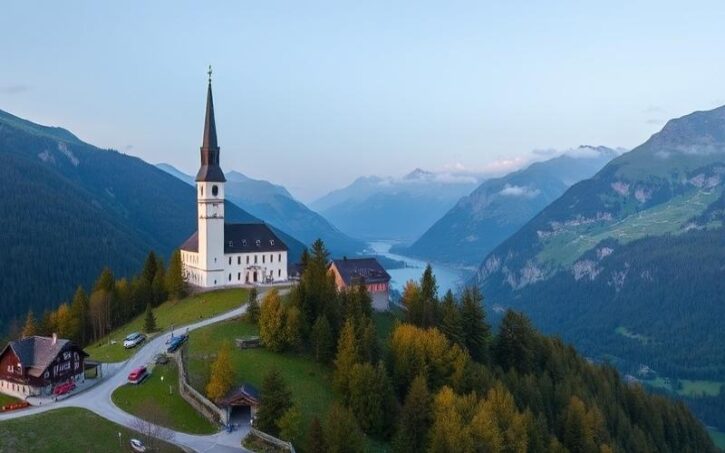
Nestled in the heart of the Alps, between Switzerland and Austria, the Principality of Liechtenstein is emerging as a destination for seasonal rentals, offering travelers a unique experience that blends medieval charm with breathtaking alpine landscapes.
Thanks to its attractive tax environment and booming economy, the vacation rental market is experiencing unprecedented growth, attracting more and more property owners eager to capitalize on this new tourism windfall.
Whether for a romantic getaway in the mountains or a peaceful setting for business meetings, rental opportunities in Liechtenstein are proving to be not only lucrative but also diverse, reflecting the cultural and historical richness of this tiny yet fascinating European state.
Income Opportunities with Seasonal Rentals in Liechtenstein
Seasonal rentals in Liechtenstein present attractive income opportunities for property owners, especially in high-tourism cities like Vaduz. The demand for rental housing has recently increased, supported by a general rise in real estate market prices. Apartment occupancy rates remain high year-round, around 95%, reflecting strong stability and sustained demand.
Popular Destinations and Tourist Demand
- Vaduz: Cultural and administrative capital, highly sought after by tourists for its museums and castle.
- Balzers: Known for its historical heritage.
- Malbun: A popular alpine resort in both winter and summer.
Key points on demand:
- Stable tourism year-round thanks to a varied calendar of cultural events and constant natural appeal.
- Moderate seasonality: The Malbun ski resort attracts visitors in winter, while the Rhine Valley offers summer activities.
| City | Estimated Occupancy Rate | Average Price/Night (High Season) | Average Price/Night (Low Season) |
|---|---|---|---|
| Vaduz | ~95% | €180–250 | €130–180 |
| Malbun | ~90% | €220–300 | €150–210 |
Local Regulations
- Residents must generally occupy the main property before any resale or change of use.
- Only a few properties are eligible each year for purchase by foreigners; this limits the supply available on the rental market but helps maintain high property values.
- Short-term rentals are permitted subject to declarations to the relevant municipality; some villages may impose a maximum number of rental days per year or require a specific license.
Regulatory impact may limit the total number of available listings but thus promotes a high occupancy rate for compliant properties.
Financial Advantages Compared to Long-Term Rentals
- Higher income during peak tourist periods (up to +40%).
- Increased flexibility in property management (possibility of occupying the property between bookings).
| Rental Type | Potential Monthly Income |
|---|---|
| Long-term rental | €2,200 – €2,800/month |
| Seasonal rental | Up to €4,500/month in high season |
Case Studies & Testimonials
A property owner in Malbun reports doubling their income after converting their second home into short-term accommodation thanks to winter tourism, while personally enjoying the property in the off-season. In Vaduz, some owners optimize their occupancy rate through partnerships with local tourism agencies.
Tips for Optimizing Rental Income
- Modernize the interior with comfortable, connected furniture (high-speed WiFi is essential).
- Highlight amenities suitable for families or groups (extra beds, equipped kitchen).
- Emphasize terrace/balcony with panoramic mountain or valley views.
Quick checklist:
- Regularly maintain the facade/garden
- Offer localized/customized welcome kits
- Frequently update listings/professional photos
Central Role of Digital Platforms
Platforms like Airbnb greatly simplify daily management:
- Simplification of international bookings
- Automated tools for dynamic pricing based on local occupancy
- Direct access to guest reviews, enabling quick adaptation to expectations
Smart use of the statistical tools provided also allows for constant competitive monitoring to adjust rates and promotional offers.
In summary,
seasonal rentals in Liechtenstein are particularly lucrative in its main tourist hubs, where strict regulations maintain relative scarcity—thus guaranteeing superior profitability compared to traditional rentals.
Good to know:
Liechtenstein, with its enchanting landscapes and cultural richness, is a sought-after destination for seasonal rentals, particularly attracting hiking and winter sports enthusiasts. Popular destinations include Vaduz and Malbun, where seasonal demand fluctuates, influencing rates that range from 100 to 250 CHF per night depending on the season. Owners must comply with strict local regulations governing short-term rentals, potentially impacting profitability compared to long-term rentals. For example, a property owner in Triesenberg optimized their income by renovating their property and using online platforms, increasing their occupancy rate by 20%. These platforms facilitate bookings, helping to maximize profits. Investing in modern amenities and targeted marketing are proven strategies to attract more temporary tenants.
Renting in Liechtenstein: Advantages Not to Be Missed
Tax Advantages
Liechtenstein stands out for its particularly advantageous tax system for both owners and tenants:
- Low tax rates on income and wealth, often lower than those in neighboring countries.
- No VAT on the sale of old residential properties, which reduces costs related to real estate transactions.
- Frequent exemptions on dividends and capital gains, useful for optimizing the profitability of a rental investment.
- International tax treaties avoiding double taxation, thus offering security and clarity to foreign investors or temporary residents.
| Criterion | Liechtenstein | Austria | Switzerland |
|---|---|---|---|
| Annual property tax | Moderate rate depending on municipality | 0.2% p.a. (up to 5x value) | Varies by canton |
| VAT/Transfer tax | No VAT (except new/commercial) | 3.5% + land registry fees 1.1% | Variable transfer duties |
| Capital gains tax | Depends on duration/seller status | Up to 30% | Taxed at cantonal level |
For expatriates or seasonal renters:
- Tax registration is simple and fast.
- Applicable social security regimes are clear with contributions adapted to the renter’s status.
Economic and Political Stability
Liechtenstein benefits from:
- Exceptional political stability, enhancing the country’s attractiveness to international investors.
- A robust economic environment thanks to prudent public financial management and a solid financial sector.
Picturesque Landscapes & Cultural Activities
Major tourist assets include:
Landscapes:
- Spectacular alpine valleys
- Preserved medieval villages
- Panoramic views of the Rhine
Cultural Activities:
- Renowned museums (Kunstmuseum)
- Annual festivals
- Historic castles open for visits
Modern Infrastructure & High Quality of Life
Seasonal rentals benefit from highly developed infrastructure:
Highlights:
- Efficient road network quickly connecting all regions of the country
- Easy access to advanced medical services
- Advanced digital connectivity
The quality of life is recognized as one of the best in Western Europe:
“The Principality combines safety, remarkable urban cleanliness, easy access to natural leisure activities, and international educational offerings.”
Accessibility & Simplified Services
Access to the rental market is facilitated by:
Available Professional Services:
- Agencies specializing in seasonal rental management
- Multilingual legal advice tailored to international needs
- Efficient digital platforms enabling secure bookings
These elements significantly reduce administrative complexity for both the owner and the tenant.
Good to know:
Renting in Liechtenstein offers substantial advantages thanks to a particularly favorable tax framework for both owners and tenants, thus facilitating investment profitability. The country’s economic and political stability makes Liechtenstein an attractive choice for foreign investors seeking reliable opportunities. Additionally, the picturesque landscapes and diverse cultural activities, such as numerous museums and festivals, enrich the experience of temporary residents. The country boasts modern infrastructure and a high quality of life, ensuring optimal comfort for tenants, while well-established property management services simplify rental formalities. Accessible and well-connected to neighboring countries, Liechtenstein is a top choice for hassle-free seasonal rentals.
The ABCs of Seasonal Property Management
A seasonal property refers to real estate rented for short periods, typically to vacationers or travelers, often during tourist seasons. In Liechtenstein, this model is particularly relevant due to the tourist flow linked to its alpine landscapes and unique cultural offerings. Effective management of such a property not only maximizes profitability but also enhances the country’s image among visitors.
Practical Aspects of Managing a Seasonal Property:
- Regular Maintenance:
- Frequent inspections to prevent accelerated wear and tear due to regular tenant changes.
- Contracts with local providers for cleaning and maintenance (plumbing, heating).
- Systematic checks before each arrival/departure (condition report, inventory).
- Preparation for Tourist Seasons:
- Anticipation of peak periods (winter for skiing, summer for hiking).
- Seasonal updates to furniture and equipment (thick duvets in winter, fans in summer).
- Adaptation of offerings (specific welcome kits depending on the period: hot chocolate or nature guides).
- Remote Management:
- Installation of home automation systems (smart locks, smart thermostats) facilitating autonomous access and energy control.
- Use of digital tools: centralized platforms enabling online booking, secure payment, and quick communication with tenants.
Optimizing Spaces to Maximize Comfort:
- Choose modular and functional furniture allowing quick adaptation based on the number of occupants.
- Prioritize warm decor inspired by local craftsmanship.
- Offer a well-organized space: clever storage in all rooms.
- Provide modern amenities (high-performance WiFi, equipped kitchen).
Advertising Strategies & Dynamic Pricing in Liechtenstein:
| Strategy | Detail |
|---|---|
| Specialized platforms | Listing on Airbnb/VRBO as well as local sites targeting alpine clientele |
| Professional photos | Visual enhancement highlighting mountain views or typical architectural features |
| Dynamic management | Automatic rate adjustments based on local event calendar |
| Targeted promotions | Off-season discounts or packaged offers during cultural events |
To set prices correctly:
- Regularly analyze local competition
- Adjust rates for one-off events (cultural festivals, sports competitions)
- Offer different minimum stay durations depending on the period
Local Regulations Impacting Seasonal Rentals in Liechtenstein:
It is essential:
- To inquire with municipal authorities about any mandatory prior declarations or limitations on the maximum number of days allowed per year
- To strictly comply with standards for tourist furnished accommodations
- To systematically insure each rental against property damage
Key Tips for Offering a Unique Experience Highlighting Liechtenstein’s Culture & Landscapes:
Provide in each accommodation:
“A personalized booklet presenting local traditions, best typical restaurants, and original off-the-beaten-path itineraries.”
Other recommendations:
- Collaborate with local artisans to offer regional products in a discovery basket
- Organize themed guided tours on request around cultural heritage
- Subtly decorate with items evoking princely history or alpine art
These touches not only enrich the tenant experience but also encourage loyalty and positive word-of-mouth.
Good to know:
Managing a seasonal property in Liechtenstein requires a thorough understanding of the small spaces available for short stays, catering to high tourist traffic. It is essential to maintain regular upkeep, especially before tourist seasons, to ensure clean and welcoming spaces. Remote management solutions, such as electronic locking systems and professional cleaning services, can be valuable for non-resident owners. Space optimization is crucial; adding modular furnishings and authentic local amenities can greatly contribute to tenant comfort and appeal. Exploring effective marketing strategies and adjusting prices based on high and low seasons, while adhering to strict local tourist accommodation rules, is essential. Offering exclusive experiences highlighting Liechtenstein’s cultural richness and natural beauty, such as guided castle tours or personalized hikes, can also increase interest and build a loyal, diverse clientele.
Local Regulations: What You Need to Know Before Renting
Specific Local Regulations in Liechtenstein Regarding Seasonal Rentals:
- Legal Requirements for Obtaining a Rental Permit:
- The acquisition and operation of real estate, including for seasonal rentals, are strictly regulated.
- To operate a seasonal rental, prior authorization from local authorities is required. Non-residents, in particular, must have a residence permit and have lived in Liechtenstein for at least three years before applying for government approval for any real estate activity.
| Status | Required Conditions | Possibility to Rent |
|---|---|---|
| Permanent resident | Prior authorization | Yes |
| Non-resident | Residence permit + 3 years presence + government authorization | Very limited |
- Restrictions on Rental Duration:
- Commonly applied European regulations limit the duration to a maximum of 90 consecutive days per tenant for furnished tourist rentals (in the absence of specific contrary indication for Liechtenstein, this limit practically applies as a regional standard).
- Zoning and Permitted Areas:
- Rental activities are subject to local urban planning plans. It is necessary to obtain urban planning compatibility of the property with the “tourist/short-term rental” designation. Some neighborhoods or municipalities may prohibit or restrict this type of activity to preserve the residential housing stock.
- Taxes and Fees Associated with Seasonal Rentals:
- Main applicable taxes include:
- Municipal property tax
- Tax on income generated by rentals (mandatory declaration to tax authorities)
- Possible additional taxes depending on the municipality (e.g., tourist tax)
- Potential fees:
- Administrative fees related to property registration
- Possible costs related to technical inspections
- Main applicable taxes include:
- Inspections by Local Authorities:
- Inspections may be carried out before the permit is issued and periodically thereafter to verify that the property meets locally imposed health, safety, and urban planning standards.
Major Differences from Other European Countries:
| Aspect | Liechtenstein | Other European Countries |
|---|---|---|
| Foreign real estate acquisition | Very restrictive | More accessible in many member states |
| Obtaining permit/rental | Long process & multiple levels | Often simpler (registration at city hall) |
| Zoning | Strict control based on local urban planning | Sometimes more flexible |
| Taxation | Depends on resident/non-resident status | Varied regimes |
Note
State control remains particularly rigorous in Liechtenstein compared to usual European standards, where only certain large cities impose as many administrative constraints on both acquisition and short-term rental operations.
Good to know:
In Liechtenstein, before engaging in seasonal rentals, it is crucial to obtain a permit issued by local authorities, which verifies compliance with safety and conformity standards. Rentals cannot exceed three consecutive months without a contract renewal obligation, and they are mainly restricted to authorized urban areas, limiting offerings in villages or more rural regions. Owners must plan to pay specific taxes applicable to rental income, as well as potential fees for regular inspections conducted by authorities. Unlike other European countries where regulations may be more flexible, Liechtenstein imposes strict controls to ensure compliance with local standards, thereby increasing tenant protection. Given the stricter regulations, it is advisable to carefully compare with other destinations to avoid costly infractions.
Disclaimer: The information provided on this website is for informational purposes only and does not constitute financial, legal, or professional advice. We encourage you to consult qualified experts before making any investment, real estate, or expatriation decisions. Although we strive to maintain up-to-date and accurate information, we do not guarantee the completeness, accuracy, or timeliness of the proposed content. As investment and expatriation involve risks, we disclaim any liability for potential losses or damages arising from the use of this site. Your use of this site confirms your acceptance of these terms and your understanding of the associated risks.

Cyril Jarnias is an independent expert in international wealth management with over 20 years of experience. As an expatriate himself, he is dedicated to helping individuals and business leaders build, protect, and pass on their wealth with complete peace of mind.
On his website, cyriljarnias.com, he shares his expertise on international real estate, offshore company formation, and expatriation.
Thanks to his expertise, he offers sound advice to optimize his clients' wealth management. Cyril Jarnias is also recognized for his appearances in many prestigious media outlets such as BFM Business, les Français de l’étranger, Le Figaro, Les Echos, and Mieux vivre votre argent, where he shares his knowledge and know-how in wealth management.





