
 Published on and written by Cyril Jarnias
Nestled in the Heart of Europe, the Authentic Villages of Liechtenstein
The authentic villages of Liechtenstein offer a unique blend of traditional charm and thriving economic potential. On the cusp of 2025, investing in these havens of peace presents an opportunity not only for a quest for tranquility but also for strategic diversification of a real estate portfolio.
This microstate, with its favorable regulatory framework and fiscal appeal, provides fertile ground for investment while ensuring a preserved setting. Let yourself be seduced by the picturesque charm of its villages while exploring the prospects for sustainable economic growth that Liechtenstein can offer.
Good to know:
Liechtenstein is renowned for its political and economic stability, as well as its advantageous tax framework, making it a sought-after destination for international investors.
Investing in the Authentic Villages of Liechtenstein: A Profitable Opportunity
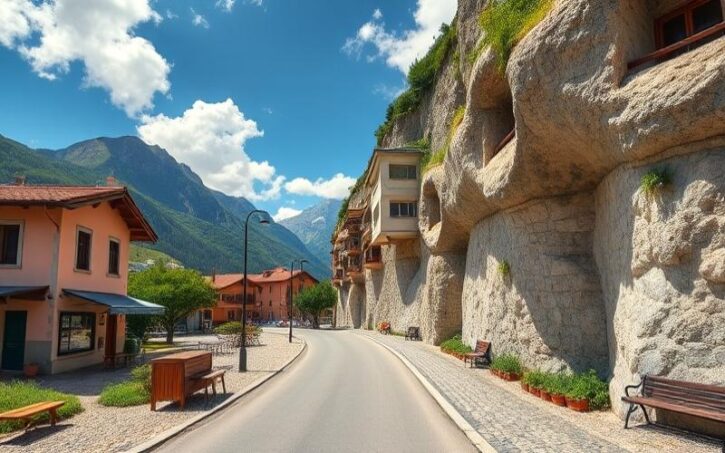
The villages of Liechtenstein, such as Planken, offer a unique combination of traditional charm, cultural preservation, and environmental policies, making them attractive to investors. Cultural and historical authenticity is preserved through community initiatives that value local heritage and the natural environment. The villages are often perched on sunny terraces, offering breathtaking views of the Rhine Valley, which contributes to their tourist and real estate appeal.
Architectural Aspects: The villages of Liechtenstein are characterized by traditional rustic architecture, with environmentally friendly guesthouses that reflect the community’s commitment to preserving its heritage and natural environment.
Economic and Tax Advantages
Liechtenstein offers an attractive economic and tax environment for investors. Alternative Investment Funds (AIFs) are particularly popular, allowing investors to diversify their portfolio with illiquid assets like real estate. The tax environment is advantageous, as the wealth of locally managed funds is not taxed.
Economic and Real Estate Statistics
- Real Estate Price Growth: Real estate prices in Liechtenstein have experienced steady growth, with an average annual increase of 3 to 5% during the 2000s and 2010s.
- Investment Funds: In 2020, 763 funds were active in Liechtenstein, representing a volume of over 59 billion Swiss francs, an increase of 73.9% since 2016.
Infrastructure and Government Initiatives
The infrastructure in place in Liechtenstein facilitates investments through favorable policies and simplified regulations for the creation and administration of funds. Government initiatives aim to encourage investments by simplifying administrative processes and offering attractive tax benefits.
Short and Medium-Term Trends:
- Investment Diversification: AIFs offer an opportunity to diversify investment portfolios, thereby reducing risks and increasing potential returns.
- Tourism Growth: The increase in tourism in the picturesque villages of Liechtenstein could drive higher demand for temporary housing, thus strengthening the profitability of real estate investments.
Government Initiatives by 2025
Government initiatives include reforming AIF management to make it more accessible and efficient. Additionally, maintaining a favorable tax environment and promoting sustainability in the villages contribute to creating a climate conducive to investment.
| Features | Description |
| Cultural Authenticity | Preservation of local heritage and natural environment. |
| Rustic Architecture | Environmentally friendly traditional houses. |
| Tax Advantages | Tax exemption for locally managed funds. |
| Economic Growth | Steady growth in real estate prices and increase in investment funds. |
| Infrastructure | Favorable policies and simplified regulations for investments. |
Key Aspects for Investors:
- Economic Stability: Stable economic environment with continuous growth.
- Investment Diversification: Opportunity to invest in alternative assets via AIFs.
- Attractive Tax Environment: No wealth tax on locally managed funds.
- Sustainable Initiatives: Promotion of environmental practices in the villages.
Good to know:
Investing in the authentic villages of Liechtenstein offers a profitable opportunity thanks to their unique characteristics, such as well-preserved cultural traditions, a rich history, and picturesque architecture. Liechtenstein benefits from a growing economy with a GDP growth rate of 4% in 2023, and its real estate market shows a price increase of 5% over the same period. The various economic and tax advantages, such as low tax rates and a favorable regulatory framework, attract many investors. Furthermore, the government encourages investments through initiatives aimed at modernizing local infrastructure, thereby strengthening the appeal of these villages while preserving their authenticity. Well-developed roads, easy access to urban services, and active government support are all factors that promote short and medium-term profitability.
Rural Real Estate in Liechtenstein: A Heritage to Enhance
Rural real estate in Liechtenstein holds particular importance due to the country’s small size, the scarcity of buildable land, and the commitment to preserving local heritage. Rural properties, often located outside urban centers like Vaduz or Schaan, are characterized by their authenticity, historical value, and potential for harmonious integration into the alpine landscape.
| Type of Rural Property | Main Characteristics |
| Historic Farms | Old stone or solid timber buildings, traditional roofs, large agricultural outbuildings |
| Charming Country Houses | Careful local architecture, landscaped gardens, noble materials |
| Agricultural Land | Rare and sought-after plots for viticulture or traditional farming |
Potential Advantages for Investors:
- Heritage Preservation: Renovating or rehabilitating a historic farm not only helps safeguard an important part of Liechtenstein’s rural past but also increases the heritage value of the property.
- Modernization Opportunities: Rural properties lend themselves to innovative projects that blend architectural respect with contemporary comfort (integrated home automation, energy optimization).
- Community Satisfaction: Investing in these properties offers the unique opportunity to actively participate in local rural life and the maintenance of village traditions.
- Seasonal Rental Potential: The growing tourist appeal for authentic stays encourages the development of bed-and-breakfast offerings in these renovated homes.
The Liechtenstein real estate market is characterized by high demand despite a very limited supply; this applies particularly to rural areas where land availability is extremely restricted.
Specific Challenges Faced by Investors:
- Strict urban planning regulations aimed at preserving the rural character (local heritage protections)
- Lengthy administrative procedures for renovations affecting listed buildings
- Necessity of obtaining a special permit for foreigners wishing to acquire real estate
Practical Tips:
- Engage local experts from the outset who are thoroughly familiar with legal requirements
- Prioritize direct dialogue with local authorities to anticipate any future constraints related to permits
- Prioritize work that respects original materials
In 2015, there were approximately 6,283 single-family homes across the entire territory; while no recent detailed statistics distinguish exclusively rural real estate within this limited total—a direct reflection of scarcity—it remains recognized that “rural areas sometimes offer less expensive opportunities but remain marked by this scarcity.”
Recent examples illustrate this dynamic: several old farms have been successfully transformed into high-end contemporary residences featuring private spas and advanced home automation while preserving traditional facades—demonstrating that combining heritage enhancement with technical innovation is now an attractive model in Liechtenstein.
Good to know:
Liechtenstein’s rural real estate represents a unique treasure for investors, blending authentic charm with heritage enhancement potential. Typical properties include historic farms with traditional architectural details, picturesque country houses, and fertile agricultural land. Investing in this sector offers not only the opportunity to restore and modernize these buildings but also to actively participate in preserving the country’s cultural heritage while integrating into the local community. However, it is important to carefully navigate the strict conservation and urban planning regulations that protect these areas; engaging local experts can be wise. In 2023, demand for such properties saw a 15% growth, reflecting the appeal of heritage and authenticity. Successful projects, such as the restoration of an old farm into an eco-friendly complex, demonstrate the potential for returns. Investors are encouraged to explore these opportunities, while considering legal and cultural specifics, to maximize gains while enriching Liechtenstein’s rural fabric.
Strategies to Maximize Authenticity and Profitability of Your Rural Investments
Advantages of Investing in the Authentic Villages of Liechtenstein:
- Asset Appreciation through Local Cultural Richness:
- Villages like Schaan, Balzers, and Eschen offer immersion in a preserved alpine environment, with living traditions and protected architectural heritage.
- Proximity to major cultural sites (medieval castles, modern art museums, wine routes) allows for the creation of a differentiated and highly valued tourist offering.
- Regional authenticity attracts an audience seeking local experiences: renovated traditional accommodations, alpine gastronomy, or folkloric events help increase the perceived value of real estate properties.
- Economic Benefits and Quality of Life:
- Favorable tax climate combined with rare political stability in Central Europe.
- Strong rental demand linked to growing tourist appeal as well as the presence of international companies.
How to Strategically Benefit from Local Culture:
To maximize the potential of your investment:
- Offer seasonal or themed rentals (wine tourism stays on the wine route, cottages in traditional houses).
- Collaborate with local artisans to integrate regional know-how (respectful heritage renovation).
- Organize or sponsor cultural events to anchor your project in the village’s social fabric.
Strategic Partnerships for Sustainable Profitability:
List of recommended actions:
- Partner with local companies specializing in property management to ensure legal compliance and in-depth market knowledge.
- Jointly develop immersive offerings with tourism offices or local heritage associations to extend the average length of stay.
- Leverage the robust banking network to finance projects while benefiting from specific tax incentives for rural areas.
Concrete Examples of Successful Projects That Stimulated the Rural Economy While Preserving Regional Authenticity:
| Project | Location | Economic Impact | Cultural Preservation |
|---|---|---|---|
| Renovation of Alpine Chalets | Triesenberg | Creation of local craft jobs; increase in tourist traffic | Preservation of traditional architecture; “authentic accommodation” certification |
| Wine Tourism Route | Vaduz – Balzers | Increase in wine revenue & seasonal accommodations | Showcasing terroir; transmission of winemaking know-how |
Rural Development Trends Expected for 2025 & Responsible Alignment:
Notable forecasts:
- Expected growth in eco-responsible micro-hotels integrated into traditional buildings
- Increased digitalization (automated rental management), promoting financial transparency
- Public/private partnerships around local food supply chains and slow tourism
Recommended alignment for responsible investors:
- Prioritize sustainable local materials during renovation work
- Favor hiring village residents
- Limit land artificialization through gentle densification
Local Regulations Impacting Profitability/Authenticity:
Key points:
- Long but secure administrative process thanks to the strict land registry; limits excessive speculation.
- Obligations regarding respect for local architectural style during major renovations
- Limited but stable possibilities for short-term tourist rentals depending on defined zones
Thoughtful investment in Liechtenstein’s authentic villages combines lasting financial appreciation with an active contribution to safeguarding the living alpine heritage.
Good to know:
Investing in the authentic villages of Liechtenstein offers unique opportunities to enhance your assets by leveraging local cultural richness, which can increase the appeal of your real estate holdings. Forge strategic partnerships with local institutions, such as cultural associations or tourism offices, to ensure the sustainability and profitability of your operations. Examples of successful projects, like restoring traditional buildings into hotels or cottages, have proven effective in stimulating the rural economy while preserving regional identity. In 2025, development trends emphasize ecotourism and sustainable agricultural practices, aligning investor interests with responsible practices. However, it is crucial to familiarize yourself with local regulations, which may sometimes restrict certain constructions to maintain the authenticity of the landscape.
Disclaimer: The information provided on this website is for informational purposes only and does not constitute financial, legal, or professional advice. We encourage you to consult qualified experts before making any investment, real estate, or expatriation decisions. Although we strive to maintain up-to-date and accurate information, we do not guarantee the completeness, accuracy, or timeliness of the proposed content. As investment and expatriation involve risks, we disclaim any liability for potential losses or damages arising from the use of this site. Your use of this site confirms your acceptance of these terms and your understanding of the associated risks.

Cyril Jarnias is an independent expert in international wealth management with over 20 years of experience. As an expatriate himself, he is dedicated to helping individuals and business leaders build, protect, and pass on their wealth with complete peace of mind.
On his website, cyriljarnias.com, he shares his expertise on international real estate, offshore company formation, and expatriation.
Thanks to his expertise, he offers sound advice to optimize his clients' wealth management. Cyril Jarnias is also recognized for his appearances in many prestigious media outlets such as BFM Business, les Français de l’étranger, Le Figaro, Les Echos, and Mieux vivre votre argent, where he shares his knowledge and know-how in wealth management.





