
 Published on and written by Cyril Jarnias
Liechtenstein: A Microstate Booming with Tourism
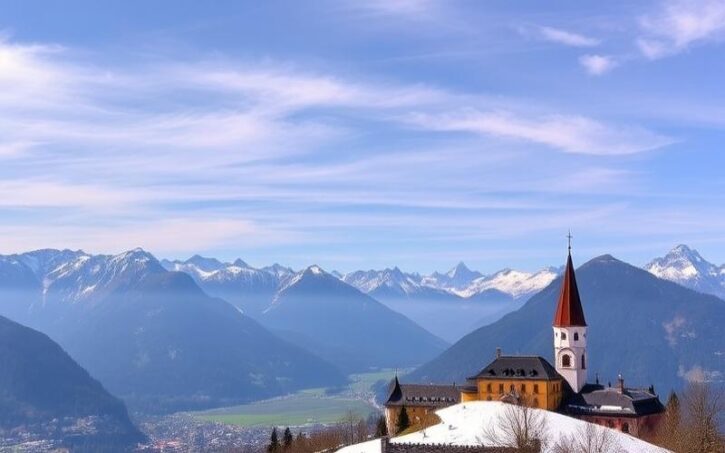
In the heart of Europe, Liechtenstein, though small in size, is a growing point of interest for travelers worldwide, drawn by its alpine landscapes and unique cultural heritage.
Tourism’s Impact on the Real Estate Market
This microstate, experiencing a tourism boom, is seeing its real estate market undergo significant transformations. The rise of tourism has direct repercussions on property prices and housing availability, creating opportunities but also challenges for local residents and investors.
Economic and Social Consequences
The effects of this dynamic are multifaceted, influencing not only the local economy but also urban policies and housing accessibility for the country’s residents, who sometimes find themselves facing a new economic reality.
Good to know:
Liechtenstein is one of the smallest countries in the world, but its real estate market is very dynamic due to its growing tourist popularity.
Tourism’s Impact on Real Estate in Liechtenstein
The increase and fluctuation of tourism in Liechtenstein exert direct and indirect effects on residential and commercial real estate prices, with marked consequences depending on the region and season.
Effects on Real Estate Prices
- The rise in visitor numbers increases demand for short-term accommodations (Airbnb, seasonal rentals), which tends to push rents upward as well as purchase prices in tourist areas.
- According to a study applied to other highly touristic European regions, a 10% increase in the number of properties listed on Airbnb can lead to an average 1.48% rise in real estate prices. This phenomenon is particularly visible in microstates where the real estate market is already tight.
- Attractive areas like Vaduz therefore see a notable differential compared to rural or less frequented municipalities:
| Region | Average Price per m² (2025) | Estimated Annual Change |
|---|---|---|
| Vaduz (center) | >€15,000 | +4 to +7% |
| Balzers/Schaan | ~€12,000 – €14,500 | +3 to +5% |
| Peripheral Areas | ~€8,000 – €11,000 | +1 to +3% |
The ultra-concentration of wealth linked to the international financial sector also fuels this real estate dynamic; despite a high GDP and a low official unemployment rate, some residents find themselves excluded from the real estate market due to sustained foreign speculative demand.
In summary:
Tourism acts as an upward catalyst on residential/commercial land where it is concentrated. It also contributes to rapid—sometimes unbalanced—shifts between center/periphery while locally exacerbating social inequalities regarding housing.
Good to know:
In Liechtenstein, tourism’s impact on real estate translates into a notable rise in prices, particularly in tourist regions like Vaduz and Balzers, where housing prices have climbed 12% over the past two years compared to a rise of only 4% in less frequented areas. This dynamic is fueled by increased seasonal demand that exacerbates the limited availability of properties, leading to higher rents, especially during peak season, and making buying and selling more competitive. Tourist infrastructure also encourages urbanization of peripheral areas, offering new opportunities but also contributing to gentrification, which can make the real estate market less accessible for local residents. Consequently, local communities face pressure on housing accessibility, exacerbated by an influx of new residents attracted by recent developments, sometimes creating socio-economic challenges in maintaining a sustainable balance between thriving tourism and residents’ quality of life.
Areas with High Tourism Potential
Liechtenstein, though small in area, concentrates several areas with high tourism potential that directly influence the dynamism of the local real estate market.
| Tourist Zone | Main Attractions | Geographic Location |
| Vaduz | Vaduz Castle, National Museum (Landesmuseum), art galleries | West-central, capital |
| Malbun | Alpine landscapes, ski resorts, hiking trails | Southeast, alpine municipality |
| Balzers | Gutenberg Castle | South of the country |
| Ruggell | Ruggeller Riet Nature Reserve | North |
Vaduz, Capital and Cultural Heart of the Country:
- Vaduz Castle dominates the city from a hill and symbolizes national history. Although only open to the public on the occasion of the national holiday (August 15), its surroundings offer panoramic views of the Rhine Valley and the Alps.
- Museums such as the Landesmuseum showcase local archaeology and objects from regional excavations. Art galleries also enrich the cultural fabric.
Malbun, Flagship Resort for Alpine Lovers:
- Liechtenstein’s only true alpine resort, Malbun attracts skiers in winter and hikers in summer with its preserved landscapes.
- The hotel offering is adapted for family or sports stays: modern alpine hotels, chalets for rent.
Balzers, Historic Village in the South:
The medieval Gutenberg Castle watches over the village from a rocky promontory. Its silhouette is visible from the entire region; although rarely open for interior visits except during summer or special events, its park remains accessible.
Other Natural Sites:
The Ruggeller Riet Nature Reserve offers immersion in a unique bucolic landscape with designated areas for picnicking or observing local wildlife.
Available Tourist Infrastructure:
- Modern hotels in Vaduz and Malbun
- Seasonal rentals (furnished apartments)
- Efficient public transport connecting major tourist municipalities
- Adapted road networks allowing quick access between natural areas and urban centers
Influence on the Real Estate Market:
List of recent trends observed in these attractive areas:
- Growing demand for properties intended for seasonal rental, particularly in Malbun where chalets or apartments near the slopes are highly sought after.
- Increased interest in second homes around Vaduz as well as in any sector offering an unobstructed view of the mountains or immediate proximity to a heritage site.
Analysis:
The constant tourist influx fosters a gradual but stable increase in local real estate prices. This dynamic is explained by:
- The inherent land scarcity within the restricted territory
- Growing international attractiveness among an affluent clientele seeking cultural authenticity and a preserved environment
- Interesting rental yield thanks to regular short stays throughout the year
Good to know:
In Liechtenstein, tourism potential is mainly concentrated around areas like Vaduz, famous for its iconic castle, and Malbun, prized for its alpine landscapes. These attractions, alongside renowned museums and galleries, enhance the appeal of this small principality. The development of adapted infrastructure, with a diverse hotel offering and an efficient transport network, supports this influx of visitors. The local real estate market feels the effects with growing demand for vacation rental properties and second homes, especially in these sought-after tourist zones. This dynamic leads to a notable appreciation of real estate assets in these sectors, where properties often register long-term price increases due to sustained interest from investors and individuals captivated by Liechtenstein’s unique cultural and natural offering.
The potential for long-term appreciation remains high for any property located near a major tourist axis like Vaduz or Malbun. The positive evolution will also depend, however, on the strict maintenance of environmental standards guaranteeing the natural charm that is today the country’s main attraction.
This evolution suggests a sustainable consolidation or even sustained increase in real estate value in these privileged sectors as long as their reception capacity remains adapted to current international standards.
When Tourism Influences Prices
Evolution of Tourism in Liechtenstein and Impact on Real Estate Prices
In recent years, Liechtenstein has experienced moderate growth in tourist arrivals. After a marked decline in 2020 linked to the pandemic (approximately 58,400 arrivals), the country saw this figure rise to about 101,000 visitors in 2022, according to the World Tourism Organization. Despite this increase, it remains the least visited country in Europe, far behind comparable microstates like Monaco.
| Year | Tourist Arrivals |
| 2020 | ~58,400 |
| 2022 | ~101,000 |
The majority of tourists come from Switzerland, Austria, and Germany. Key tourist areas remain concentrated around Vaduz (the capital), Malbun (alpine resort), and picturesque villages offering seasonal apartments or traditional hotels.
Relationship Between Tourist Demand and Rising Real Estate Prices
The steady increase in arrivals has put pressure on limited accommodation capacity:
- Only 33 hotel establishments, 63 vacation apartments, two campsites, and a few guesthouses recorded.
- Limited capacity facing growing demand during seasonal peaks.
This tension has impacted residential and commercial real estate markets:
- Notable increase in price per square meter in areas attractive to investors wishing to convert or rent their properties short-term.
- Significant increase in rental costs for the local population during certain periods, particularly in sectors close to major tourist infrastructure.
Effect of Seasonal Rentals on the Local Market
Short-term rentals via specialized platforms have become more frequent in recent years:
- Temporary reduction in the stock available for traditional long-term rentals.
- Increased tension on housing access for permanent residents in certain alpine villages popular with winter or summer tourists.
Observed consequences:
- Higher rents during peak season
- Relative decrease in affordable offers for local young professionals
Reaction of Local and Foreign Investors
Faced with new tourism trends:
- Local investors increasingly seek to enhance their real estate assets through flexible tourist accommodation rather than traditional long-term leases.
- A few foreign investors are also interested in the opportunities offered by this small but high-end market; however, they remain a minority compared to national players.
Government Policies Governing These Developments
The government closely monitors these dynamics to avoid an overly pronounced imbalance between tourism development and maintaining affordable housing access:
- Strict regulation concerning the change of use from residential to commercial/tourist accommodation
- Annual administrative limit on the total number of new licenses granted for tourist accommodations
- Dialogue with local municipalities to ensure a balance between economic attractiveness and maintaining a stable community life
Local Perception of Tourism-Induced Real Estate Changes
“Residents sometimes express concern about the rapid rise in rents in certain sectors; conversely, many recognize that this dynamic benefits local businesses and creates occasional jobs.”
For many local businesses (cafés, souvenir shops…), this evolution is perceived positively thanks to the increased but controlled flow—as long as it does not radically transform their daily environment nor overly exclude long-standing residents.
Good to know:
In recent years, Liechtenstein has experienced a notable increase in tourist arrivals, leading to a significant rise in real estate prices, especially in key areas like Vaduz and Malbun. With nearly a 10% growth in annual visitor numbers according to the latest statistics, the increased demand for short-term seasonal rentals has driven up residential and commercial prices. Investors, both local and foreign, are increasingly turning to these lucrative opportunities. However, this dynamic impacts the local rental market, making housing less accessible for permanent residents. In response, the government has sought to adopt regulations aimed at limiting negative effects, although some residents express concerns about the rapid market transformations. Local businesses, for their part, benefit from the tourist influx but must also adapt to increased competition due to price changes.
Rental Investment: An Opportunity to Seize
Rental investment in Liechtenstein today presents itself as a particularly attractive opportunity, supported by the country’s economic stability, continuous growth in demand, and the positive impact of tourism on the real estate market.
| Key Factor | Current Situation (2024-2025) | Impact on Rental Investment |
| Economic Stability | Robust growth, very low public debt | Security for foreign investors |
| Price per m² | €5,000 to €12,000 in sought-after neighborhoods | Asset appreciation |
| Rental Yield | Rising rents; among the highest yields in Central Europe | Increased attractiveness |
| Occupancy Rate | Very high (>97% in tourist areas) | Low vacancy, stable income streams |
| Regulation | Annual quota: fewer than 30 properties accessible to foreigners; strict regulation of rent increases | Limited access but potential appreciation |
List of Specific Advantages of a Rental Investment in Tourist Areas:
- Constant influx of international tourists, particularly in Vaduz and Balzers, strengthening seasonal and annual demand for furnished or short-term rentals.
- High real estate prices guaranteeing stable or even growing asset appreciation.
- Yields above the regional average, driven by near-total occupancy rates during peak periods.
- Possible diversification through the purchase of mixed-use buildings (residential/commercial), highly sought after by both tourists and the local economic fabric.
Tourism acts as the main driver: it significantly amplifies demand for temporary housing, with a marked preference for high-end or atypical properties. This dynamic ensures owners an occupancy rate close to 100% during major tourist seasons.
Important Regulatory Points:
- An annual quota strictly limits the number of properties accessible each year to non-resident investors (fewer than 30 properties).
- Annual rent increases are legally regulated to avoid excessive speculation.
- The solid legal system guarantees contractual security and speed during transactions.
The unique combination of political/economic stability, land scarcity, and tourism boom makes Liechtenstein a premium market reserved for savvy investors looking to secure their capital while benefiting from high regular returns.
Quick Comparison Table Between Classic Residential Areas and Tourist Areas:
| Criterion | Classic Residential Area | Tourist Area |
| Occupancy Rate | High (~95%) | Very high (>97%) |
| Average Rent Level (€/m²) | ~€6,500 | >€10,000 |
| Estimated Net Yield (%) | 3–4 | 4–6+ |
| Capital Gain Potential | Moderate | High due to scarcity + tourist appeal |
Investing in the rental sector in Liechtenstein thus combines maximum security with particularly attractive financial prospects for those who know how to seize these limited opportunities.
Good to know:
Liechtenstein, thanks to its growing tourist attractions, is seeing an increase in real estate demand, making rental investment an opportunity to seize. The country’s economic and political stability, coupled with its privileged geographic location, attracts many foreign investors. Tourist areas, particularly the capital Vaduz and charming mountain localities, offer attractive rental yields with occupancy rates often exceeding 80%. However, it is crucial to consider local regulations, such as restrictions on purchases by non-residents, which can influence investment strategies. These assets, combined with developed infrastructure and rising tourist numbers, make Liechtenstein’s rental real estate market particularly promising for savvy investors.
Disclaimer: The information provided on this website is for informational purposes only and does not constitute financial, legal, or professional advice. We encourage you to consult qualified experts before making any investment, real estate, or expatriation decisions. Although we strive to maintain up-to-date and accurate information, we do not guarantee the completeness, accuracy, or timeliness of the proposed content. As investment and expatriation involve risks, we disclaim any liability for potential losses or damages arising from the use of this site. Your use of this site confirms your acceptance of these terms and your understanding of the associated risks.

Cyril Jarnias is an independent expert in international wealth management with over 20 years of experience. As an expatriate himself, he is dedicated to helping individuals and business leaders build, protect, and pass on their wealth with complete peace of mind.
On his website, cyriljarnias.com, he shares his expertise on international real estate, offshore company formation, and expatriation.
Thanks to his expertise, he offers sound advice to optimize his clients' wealth management. Cyril Jarnias is also recognized for his appearances in many prestigious media outlets such as BFM Business, les Français de l’étranger, Le Figaro, Les Echos, and Mieux vivre votre argent, where he shares his knowledge and know-how in wealth management.





