
 Published on and written by Cyril Jarnias
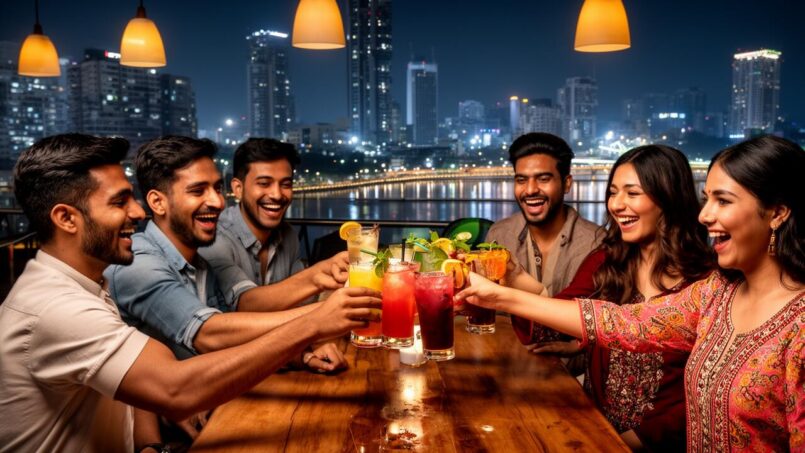
When the sun sets over Dhaka, Chattogram, or Cox’s Bazar, Bangladesh changes its face. The streets fill with the smells of grilling meat, coal smoke, and hot tea served in small glasses, while bridges light up and building rooftops transform into open-air bars and restaurants. In a country where alcohol is strictly regulated, nightlife isn’t built around pints of beer, but around street food, tea stalls, live music, walks, and an intense culture of socializing.
Nightlife is mainly concentrated in Dhaka and Chattogram. It is essential to respect local cultural codes, dress appropriately, and know which behaviors are allowed or not to enjoy the night safely.
Understanding the Cultural and Legal Framework of the Night
Before talking about specific places, it’s important to understand the context of nightlife in Bangladesh. Society is deeply collectivist, strongly attached to family, traditions, and religion. The Muslim majority views alcohol with suspicion, and laws strictly regulate its sale.
Alcoholic beverages are only served in international hotels, private clubs, and a few licensed bars. Supermarkets do not carry them, and drinking in the street is illegal. Bangladeshis who consume alcohol typically do so discreetly, in private settings or at these authorized establishments, while most evenings unfold without a single drop of alcohol.
In Dhaka, the night is animated by streets, markets, tea stalls, and promenades. Families and students stay out late, while wholesale markets operate at full capacity. This buzz takes place within a modest social framework: public displays of affection between men and women are frowned upon, clothing is conservative, and physical contact between opposite sexes remains limited.
Essential Social Codes at Night
In the evening as during the day, a few implicit rules structure interactions. Greetings remain important: “Assalamu Alaikum” and “Wa Alaikum Assalam” for the vast Muslim majority, “Nomoshkar” or “Namaste” in Hindu circles. Avoid shaking hands with women unless they extend theirs first, and keep in mind that gestures like whistling or pointing with a finger are considered vulgar.
At night in busy places in Bangladesh, it’s important to adopt a calm, measured style of communication. Speaking loudly, gesticulating aggressively, or losing your temper in public is generally frowned upon. On the other hand, Bangladeshi society is very tolerant of physical closeness between people of the same sex, seen as a mark of platonic friendship. It is therefore common and socially accepted to see two men or two women holding hands or walking arm in arm in public.
Dress Code and Modesty After Dark
Even in trendy neighborhoods, the rule remains modesty. Women typically cover shoulders, chest, arms, and legs at least to the knees, often much more. Salwar kameez, long tunics, and loose pants are the norm; short skirts or tank tops are almost nonexistent in public spaces. For a traveler, adopting this type of clothing helps blend in more and reduces unwanted stares, especially for Western women who are often very visible.
Men mostly wear pants and shirts or t-shirts with sleeves. Shorts are still frowned upon in public, especially at night and outside of very touristy areas or hotel complexes. On Cox’s Bazar beach, leggings with a long tunic or a covering t-shirt are much more acceptable than a bikini, even at sunset.
Dhaka by Night: The City That (Almost) Never Sleeps
The capital concentrates the greatest diversity of nighttime atmospheres: street food alleys, markets running until dawn, panoramic rooftops, concert halls, walks along urban lakes… At night, Dhaka is often described as a city “that never sleeps,” but in its own tone, more focused on food, family, and music than on wild partying.
Gulshan and Banani: Rooftop Bars and Insider Food Streets
Gulshan and Banani are the flagship neighborhoods of Dhaka’s “modern” nightlife, where diplomats, expats, corporate executives, and an affluent middle class gather. Here you’ll find chic rooftops, trendy lounges, dance clubs, and increasingly, an extraordinary night street food scene.
North of Gulshan-2, an anonymous alley has become a true nocturnal epicenter in just a few years: Rangpur Goli. After dark, this small lane turns into a corridor of coal smoke, grills, and glasses of tea lined up as far as the eye can see. This is where the Rangpur Tea Stall, opened more than fifteen years ago, laid the foundation for what has become an institution. Today, the shop, renamed Rangpur Confectionery, serves about thirty varieties of tea, from simple milk tea at 20 taka to saffron tea at 200 taka, accompanied by seasonal fruit juices. Students from nearby universities and office workers linger on the sidewalks late into the evening.
Around it, entrepreneurs have capitalized on the new appetite for the night. A tin shack called Rater Kebab (“the night kebab”), launched by Masud Rana and Mohammad Nur Islam, stays open all night with fish and chicken skewers, chaap, grilled items, and parathas. Grilled fish – tilapia, coral fish, rupchanda – share the grill with haryali or reshmi kebabs. Simple fans direct the smoke toward the alley, drawing customers by the smell.
Further along, the Viral Fuchka Mama stand, run by Nurul Haque, has become a local legend. His doi fuchka, a yogurt version of this iconic snack, draws lines of 30 to 40 minutes on holidays. On a good weekend, the stall can sell 80,000 to 90,000 taka worth of fuchka in a single evening, a sign of the huge foot traffic in this alley.
The restaurant Gulshan Nehari Ghar, run by Rubel Mia, offers a selection of traditional dishes served at night, including nehari (beef or mutton) which is its bestseller, as well as haleem, khichuri, tehari, and duck or chicken dishes, perfect for satisfying late-night hunger.
Another trend visible at Rangpur Goli is… car trunk restaurants. Car Khana, for example, is operated from a car trunk by Rajon and his wife Ratri, who prepare a snack called Chips Makha. Customers can even bring their own chips, in a concept inspired by a “BYOB” twist. Another entrepreneur, Tahsin Jahan, comes from Uttara with containers of homemade tehari and jali kebab sold from 9 PM to 2 AM, as a complement to his catering business “Tasu’s” on Facebook. Around them, vehicles converted into stalls offer pithas, payesh, cakes, coconut puddings, juices, or sugarcane juice.
The authorities, aware of the economic potential of this micro-nighttime district, have set a closing time: all stalls must shut down around 2 AM. In exchange for respecting this rule, the Gulshan police station chief guarantees vendors that they will not be victims of political racketeering or extortion, and even gives them his phone number to report problems. This regulated oversight allows Rangpur Goli to stay lively without spiraling out of control.
In the same area, some more established chains also extend their hours. Herfy, a Saudi fast-food chain, serves until 2 AM on weekdays and 2:30 AM on weekends, with table service. The confectionery-restaurant Premium Sweets in Gulshan-2 also stays open until 2 AM, with khichuri, kala bhuna, “walima”-style roasts, and desserts, while places like Tehari Avenue, on Gulshan Road 119, still serve tehari or chicken pulao until around 1 AM on some nights.
For a more international or festive atmosphere, Gulshan and Banani are not short on bars and lounges. On the roof of the Westin, Prego combines fine Italian cuisine, live music, and spectacular views from the 23rd floor, with dishes around $30 and cocktails around $15, mainly frequented by an affluent clientele and expats. Other rooftops like the Sky Lounge at Le Méridien, Six Seasons Hotel Rooftop, or lounges such as Elixir in Gulshan offer DJ sets, “smart casual” dress codes, and an atmosphere closer to regional capitals while remaining subject to strict alcohol legislation.
In Banani, the club scene is young and dynamic. Establishments like Club Illusion, Vibe Room, Neon Nights, or Bluemoon Recreation Club attract a trendy crowd with varied music (electro, pop, EDM). Entry fees are generally moderate (a few euros) and the atmosphere aims to be “trendy,” within the bounds of Bangladeshi legal and social norms.
To navigate the night offerings in Gulshan and Banani, it helps to see how the main venues distribute by type of experience.
| Area | Type of Venue | Example | Main Feature | Approximate Closing Time |
|---|---|---|---|---|
| Gulshan 2 (North) | Street food alley | Rangpur Goli (Rater Kebab, etc.) | Kebabs, fuchka, nehari, car trunk stands | 2 AM |
| Gulshan (hotels) | Rooftop bar / restaurant | Prego (Westin), Six Seasons | Panoramic view, expat clientele, legal alcohol | Late night |
| Gulshan 1 | Street food | Tehari Avenue, Gulshan 1 Circle | Tehari, pulao, snacks | 1 AM – 2 AM depending on day |
| Banani | Clubs and lounges | Club Illusion, Vibe Room | Club music, young crowd | Night |
| Gulshan–Banani | Late-night cafes | Gloria Jeans, Café Mosaic | Coffee, pastries, relaxed vibe | Until about 1 AM |
Dhanmondi, Shahbagh, Hatirjheel: Culture, Concerts, and Walks
West of Dhaka, Dhanmondi offers a more cultural and “café” night than clubbing. The areas around universities and the Dhaka campus become a hub of arts, debates, and music after sunset. The university’s “cultural circle” around the TSC (Teacher-Student Centre) sees music, painting, and poetry groups forming next to tea and snack stalls where people discuss the world late into the night.
Places like Jatra Biroti embody this fusion of culture and nightlife. This rooftop is both a vegetarian restaurant, café, and concert hall. The decor mixes Bengali handicrafts, artwork, and a relaxed atmosphere. On stage, you can hear fusions of Lalon or Tagore songs with jazz or rock, as well as independent bands from the alternative scene. The clientele comes as much for the music as for the idea of supporting local arts.
Still in this cultural vein, Chhayanaut Cultural Center and the Shilpakala Academy regularly host evening performances, between 6:30 PM and 10 PM, ranging from contemporary theater to traditional dance shows and classical or folk music concerts. Attending these events allows you to experience another facet of Bangladeshi nightlife, turned toward contemplation rather than excitement.
Nearby, Dhanmondi Lake and its banks host a night market some evenings, mixing snack stalls, small artisans, and strollers. It is also in this part of the city that shopping centers like Jamuna Future Park or Shimanto Square extend their hours, with very busy food courts late in the evening.
In central Dhaka, another key non-alcoholic nightspot is Hatirjheel, a major urban redevelopment project around a lake, crossed by illuminated bridges. People come here as couples, families, or friends to walk on the walkways, take boat rides, snap photos, or grab a snack. The reflections of lights on the water and the relative coolness of the night transform this site into a true nighttime promenade, frequented until about 11:30 PM.
Old Dhaka: Nazirabazar and Sadarghat, the Beating Heart of Popular Nightlife
For those wanting to discover a 100% local night, without cocktail glasses or amplified music, the old city – Old Dhaka – is a must.
The Nazirabazar neighborhood is one of the favorite destinations for night owl foodies. As the evening progresses, the streets fill with stalls offering grilled chicken, beef chaap, sweet lassis, flamboyant paan, strong tea served in small glasses. The tongs, these iconic tea stalls, stay open practically all night. The restaurant Hanif Biryani, specializing in biryani accompanied by borhani, is one of the popular addresses, though very crowded and often cramped.
Another symbolic nightspot in old Dhaka is the Sadarghat area, an immense river terminal on the Buriganga. Between 6 PM and midnight, the comings and goings of passenger boats, silhouettes on the pontoons, street vendors, and lighting on the water create a very strong atmosphere. It’s an ideal place for night photography enthusiasts, provided you stay in busy areas and avoid isolated docks.
To get a sense of Dhaka’s very particular duality, just compare a walk in Nazirabazar around midnight with a nighttime stroll through Karwan Bazar, the country’s largest wholesale market. There, nightlife has nothing festive about it: around 11:30 PM, trucks loaded with fruits and vegetables continuously arrive, porters load baskets onto their heads, lengthy transactions take place under neon lights. The daily turnover of this market can reach 50 million taka, with peak activity between midnight and dawn. The night at Karwan Bazar is one of intense work, but also a labor sociability, around tea and snacks, very different from the air-conditioned lounges of Gulshan.
Cafés, Cinemas, Planetarium: Nights Without Alcohol but Not Without Options
For those not seeking club vibes or food street crowds, Dhaka also offers a range of quieter nighttime activities. Cafés like Gloria Jeans in Gulshan, Café Mosaic, or foreign coffee shop chains stay open late, sometimes until 1 AM, with coffee, pastries, light meals, and Wi-Fi. They often serve as a stopover between dinner and a late return home.
Movie fans can enjoy modern theaters like Star Cineplex, often attached to shopping malls, which screen evening shows, while the planetarium at Novo Theatre offers sessions until 9:30 PM, adding an educational dimension to a night out.
Chattogram, Cox’s Bazar, and Sylhet: Beach Nights, Private Clubs, and Nature
While Dhaka concentrates the most options, nightlife doesn’t stop at the capital’s borders. Chattogram (Chittagong), the country’s main port, boasts a more discreet scene but one considered by some more “refined” than Cox’s Bazar’s in terms of clubs and bars.
Chattogram: Private Clubs and Lively Hotels
In Chattogram, several private clubs such as the Chittagong Club, the Chittagong Boat Club, and the Chittagong Seniors Club form the core of a very exclusive nightlife, often reserved for members and their guests. These places combine dining, bars well-stocked with spirits, and sometimes classical or contemporary music concerts.
The price in dollars of a single imported beer in some hotel bars in Chattogram.
Some of these venues host “themed nights”, mixing electronic music, hip-hop, or classic dance, sometimes with live performances. The atmosphere, while drawing inspiration from international clubs, remains governed by local norms: alcohol is served in a controlled manner, access may be filtered, and dress codes – “smart” or “trendy” – are often posted.
Cox’s Bazar: Nighttime Beach Walks and Hotel Bars
In Cox’s Bazar, the world’s longest natural beach mainly attracts families and groups of young people for night walks. Laboni Beach, for example, is busy from 6 PM to sometimes 2 AM, with people walking along the shore, buying grilled corn, fruit, or tea from temporary stalls, sitting on the sand to listen to the sound of the waves.
Bars for consuming alcohol are found almost exclusively in large hotels. The bar at Sayeman Beach Resort is often cited as one of the best options, while establishments like Long Beach or Sea Crown have quieter bars. The atmosphere is mostly focused on relaxation, not rowdy nightlife.
Sylhet, Sundarbans, Kaptai: Nature Nights and Tea Rituals
Further north, the Sylhet region is known for its tea plantations and famous “seven-layer tea.” Evenings can be spent in small salons where you taste this local curiosity, observing the colorful layers of tea, a symbol of a very particular art of service.
In the Sundarbans, nighttime activities take place mainly on boats anchored in the rivers, where you spend the night listening to the sounds of the mangrove. Around Kaptai Lake, some organize boat trips on full moon nights, where the silence and the water’s luminescence replace the usual city soundtrack.
Live Music and Clubbing: A Rich but Discreet Scene
Contrary to popular belief, Bangladesh hosts a thriving nighttime music scene, ranging from rock to electronic music to jazz and folk fusions. Dhaka and Chattogram are the main hubs.
Dhaka: From Rock to Jazz-Folk Fusions
In the capital, venues like Hard Rock Cafe, The Base, Guitar Strings, Shisha Lounge, BAGHA Club, or the poolside at Westin Dhaka offer evenings with local bands and, occasionally, international artists. Styles range from rock to jazz, pop, Bangla rock, revisited folk music, or DJ sets.
Festivals like the Bengal Classical Music Festival or the Dhaka International Folk Fest gather huge crowds each year around Indian classical music, regional traditions, and contemporary fusions. Even if they aren’t limited to nighttime, they often transform Dhaka into a music capital until the early morning.
Major Dhaka festivals
The diversity of genres offered in the evening is such that you can find both jazz bars like Whisper’s Courtyard in Dhanmondi, an intimate speakeasy playing mostly jazz, and clubs like Cruise Club, Level 5, Rock N Rolla, or Club Escape, focused on EDM, hip-hop, or house. Some clubs also claim a more inclusive atmosphere, including gay-friendly, though these practices remain discreet in public spaces.
An overview of the main categories of music venues available in the Bangladeshi capital.
Spaces dedicated to live concerts, hosting local and international artists.
Lively establishments often offering live music or DJ sets.
Dining venues where the atmosphere is set by musical performances.
Cultural infrastructure for more classical or traditional musical shows.
Parks or public squares occasionally hosting festivals or concerts.
Places for learning, creating, and recording for musicians.
| Venue Category | Examples in Dhaka | Music Atmosphere | Primary Audience |
|---|---|---|---|
| Concert hall / bar | Hard Rock Cafe, The Base | Rock, pop, folk, world music | Urban youth, expats |
| Musical rooftop lounge | Jatra Biroti, BUNKA, Skyline Lounge | Fusions, DJ sets, acoustic | Mixed, trendy crowd |
| Jazz / mellow live | Whisper’s Courtyard, Shisha Lounge | Jazz, blues, contemporary | Live music enthusiasts |
| Dance clubs | Cruise Club, Level 5, Club Escape | EDM, house, hip-hop | Partygoers, affluent youth |
| Cultural centers | Shilpakala Academy, Chhayanaut | Classical, theater, dance | Cultural audience, families |
Chattogram: Modern Clubs and Musical Resorts
In Chattogram, the clubs mentioned earlier – Sakila, Club 21, Illusion, Blue Moon Lounge & Nightclub, The Club Chittagong – rely heavily on music and lighting to stand out. Some organize themed nights, others focus on performances by renowned DJs.
Hotels like the Radisson Blu Chattogram Bay View or Mermaid Beach Resort often combine live music, sometimes with views of the Bay of Bengal, and cocktails, in a more “resort” format than urban club.
Eating at Night: From Uttara’s Kala Bhuna to 24/7 Khichuris
Rather than around bars, Bangladeshi nightlife is structured around food. In practically all cities, it’s possible to eat very late, sometimes 24/7, but the offerings vary from neighborhood to neighborhood.
Approximate quantity of meat, in kilograms, prepared each night for Kala Bhuna at Bismillah Hotel and Restaurant in Uttara.
Near Moghbazar, Hotel D Taj offers 24/7 service, with a solid reputation for its beef or chicken khichuris. Some nights, like during Argentina’s World Cup victory, the place was packed with fans, proving that Bangladeshi nightlife can also pulse to the rhythm of football.
Across Dhaka, many restaurants and chains – from franchise fast food to local outlets – extend their hours until midnight, 1 AM, or 2 AM, though truly late-night offerings remain concentrated in a few pockets like Gulshan, Banani, Nazirabazar, or certain hotels.
Night Markets and Late-Night Shopping
A strong peculiarity of Bangladesh is the place of markets in social life. Although most close early in the evening, some extend their hours, or even transform after dark.
Karwan Bazar is the most spectacular example. Already a gigantic wholesale market by day, it becomes between midnight and dawn a logistical hub where trucks deliver fruits, vegetables, fish, or rice that will supply Dhaka’s shops. This is a face of the night that fascinates many visitors, but it should be approached with caution: the bustle, trucks, cash transactions can present risks for those not accompanied or unfamiliar with the customs.
Markets like New Market, Gausia, or Chandni Chowk are lively until about 8 PM or 9 PM, then quiet down. In contrast, Nazirabazar remains very active late into the night, where shops mix with restaurants and street stalls, making it a popular nighttime hangout.
During the month of Ramadan, several neighborhoods – Chawkbazar, Baily Road, Mohammadpur, Old Dhaka – transform into night bazaars dedicated to iftar. From 6 PM to 3 AM, stalls of sweets, grilled meats, dairy desserts, or juices decorate the streets. This period is probably the most spectacular to discover Bangladeshi nightlife: the activity is at its peak, food is everywhere, and entire families go out after breaking the fast.
Rooftops: Another Way to Experience the Night
Beyond clubs and food streets, a major trend in Dhaka is the explosion of rooftop restaurants. More than a hundred rooftops have opened in recent years, offering dinner or coffee with a view of the sea of lights that the city becomes at night.
In the Paltan area, Bird’s Eye Roof Top Restaurant atop Baitul View Tower offers a 360° panorama of the city, including the grand Baitul Mukarram National Mosque and the stadium. Prices there remain among the most affordable in Dhaka for a rooftop.
Discover a selection of establishments offering unique culinary experiences and elevated atmospheres.
Live barbecue and candlelight dinner options, next to an infinity pool with a view of an airstrip.
Varied themed atmospheres: urban jungle, hanging garden, glass lounge, panoramic terraces. Thai, Italian, Arab, Bengali, and fusion cuisines.
For travelers who prefer a quiet outing, these rooftops offer an ideal alternative to clubs, with the added benefit of enhanced safety, a controlled environment, and menus where mocktails and juices are far more common than alcohol.
Safety at Night: Enjoy Without Putting Yourself at Risk
The night in Bangladesh can be warm, friendly, and fascinating, but authorities and foreign observers alike also highlight a medium security risk, higher in certain situations. After a period of unrest in 2024, crime – especially armed robbery – has seen a rise in big cities, particularly in Dhaka.
Affluent neighborhoods (Gulshan, Banani) are sometimes targeted for theft by organized gangs. The commercial area of Motijheel is not recommended after office hours close. Individual transport (rickshaws, taxis, CNGs) can pose risks of robbery at night, especially on isolated roads.
To limit dangers, recommendations converge:
For your safety in Bangladesh, stay in well-lit, busy, central areas. Avoid walking alone at night on deserted streets, empty beaches (even in Cox’s Bazar), or on roads between cities. Prefer using ride-hailing platforms (like Uber) over unregulated taxis, and always carefully verify the driver’s identity and license plate. Keep your valuables discreet, preferably use a crossbody bag, and avoid flaunting your phone or wads of cash in public. For women, it is advisable to wear very modest clothing, avoid very late solo outings, and if possible, travel in a group or accompanied by a guide. In case of a serious problem, dial 999, the national emergency number.
Violent crimes specifically targeting foreigners remain rare, but pickpocketing, bag snatching, and scams (fake guides, fake plainclothes police) do exist, especially in very crowded places. The night amplifies these risks, hence the importance of maintaining a critical mindset toward overly insistent “help” offered by strangers.
Coexisting with Religious and Social Norms
Finally, the night in Bangladesh cannot be understood without incorporating the religious and moral dimension. In a country where Islam shapes daily life, the idea of “going out” does not imply a break from usual codes.
During Ramadan, social life shifts to the night, around mosques, the breaking of the fast (iftar), prayers (tarawih), and markets. Visitors are advised not to eat or drink in public during the day. However, they are welcome in the evening to explore the bazaars and communal meals, provided they show respect.
Talking politics, criticizing the government, debating religion, or bringing up sensitive topics (Israel, terrorism, tribal minorities) requires great caution, even more so in potentially emotionally charged nighttime settings. Good conversation topics, on the other hand, are numerous: family (especially children), cricket, gastronomy, crafts, music.
How to Craft Your Ideal Night in Bangladesh
In the end, “going out at night” in Bangladesh can mean very different things depending on your desires:
To discover Bangladeshi nightlife, you can immerse yourself in the popular atmosphere of Old Dhaka around Nazirabazar, tasting hanif biryani and tea from tongs. Another option is to stroll along the illuminated bridges of Hatirjheel in Dhaka or on Laboni Beach in Cox’s Bazar, with a grilled corn on the cob. For dinner with a view, rooftops overlooking the lights of Dhaka are ideal, often followed by an extension at a café. Music lovers can attend a concert at Jatra Biroti, Hard Rock Cafe, or a club in Chattogram. Finally, during Ramadan, exploring night markets allows you to eat and mingle with crowds until 3 AM.
Whatever the choice, the key is to keep in mind the country’s specificities: relative sobriety, importance of family, respect for modesty, but also immense human warmth. Bangladeshis love to welcome, invite, and share, even late at night. By accepting a proffered tea in a Rangpur Goli stall, a piece of kala bhuna in Uttara, or a sauce-dripping fuchka at Fuchka Mama’s, you touch the heart of local nightlife: a night more focused on community than on excess.
Disclaimer: The information provided on this website is for informational purposes only and does not constitute financial, legal, or professional advice. We encourage you to consult qualified experts before making any investment, real estate, or expatriation decisions. Although we strive to maintain up-to-date and accurate information, we do not guarantee the completeness, accuracy, or timeliness of the proposed content. As investment and expatriation involve risks, we disclaim any liability for potential losses or damages arising from the use of this site. Your use of this site confirms your acceptance of these terms and your understanding of the associated risks.

Cyril Jarnias is an independent expert in international wealth management with over 20 years of experience. As an expatriate himself, he is dedicated to helping individuals and business leaders build, protect, and pass on their wealth with complete peace of mind.
On his website, cyriljarnias.com, he shares his expertise on international real estate, offshore company formation, and expatriation.
Thanks to his expertise, he offers sound advice to optimize his clients' wealth management. Cyril Jarnias is also recognized for his appearances in many prestigious media outlets such as BFM Business, les Français de l’étranger, Le Figaro, Les Echos, and Mieux vivre votre argent, where he shares his knowledge and know-how in wealth management.





