
 Published on and written by Cyril Jarnias
Montenegro: A Welcoming Destination for French Expatriates
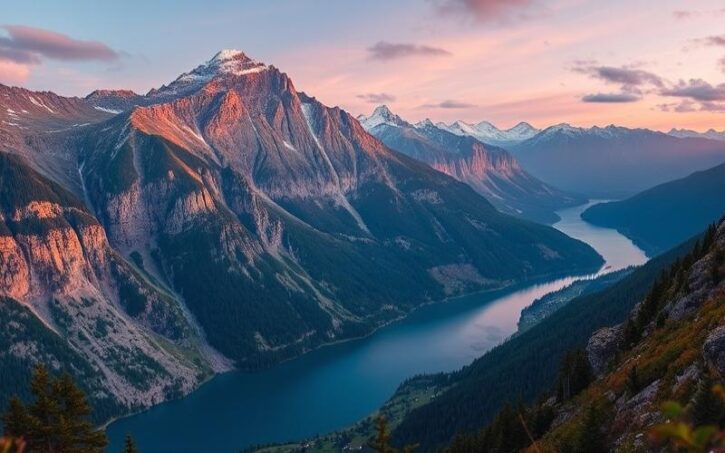
Montenegro, this small Balkan country, has been attracting a growing number of French expatriates in recent years, drawn by its natural beauty and peaceful lifestyle.
Through a series of captivating testimonials, this article explores the experiences of these newcomers who have become property owners in this green haven nestled between the Adriatic Sea and majestic mountains.
Each shares their own adventure, from discovering the Montenegrin real estate market to integrating into the local community, lifting the veil on the challenges and joys encountered in this process of turning dreams into reality.
Good to Know:
Montenegro offers an exceptional living environment with a cost of living advantageous compared to France, making it a sought-after destination for expatriation.
French Expatriates in Montenegro: Immersion in Their Daily Lives
French expatriates living in Montenegro report daily experiences marked by significant cultural adaptation, linguistic challenges, but also a sought-after quality of life.
Cultural Integration and Social Climate
- Integration often comes through active participation in local events, such as cultural festivals or traditional celebrations (Kotor Carnival, Herceg Novi Mimosa Festival).
- The Montenegrin pace of life is more relaxed than in France. Social relationships are paramount: it’s not uncommon to take time for long conversations over coffee on a terrace.
- Many highlight the warm welcome from Montenegrins and the ease of building connections when adopting their friendliness.
Linguistic Challenges
- The language barrier remains an initial obstacle: Montenegrin (similar to Serbian) is rarely spoken by newcomers.
- Some share that learning basic everyday vocabulary greatly helps with daily procedures and facilitates integration. Several expatriates mention having progressed through exchanges with neighbors or by getting involved in the local community.
Differences with France
| Aspect | Life in Montenegro | Life in France |
|---|---|---|
| Daily Pace | Slower, focused on relationships | Often faster |
| Cost of Living | Affordable (€1000–2000/month sufficient) | Higher in many regions |
| Taxation | Low rate (9%) | Generally higher taxes |
| Social Relations | Very informal and warm | Sometimes perceived as more distant |
Personal Testimonials
“I was surprised by the importance given to human relationships here. A simple hello can turn into a long friendly discussion on a terrace!”
“At first, not speaking Montenegrin was difficult. But my colleagues helped me learn a few words every day; today I feel truly integrated.”
Social and Professional Engagements
- Several French people get involved in local associations or organize meetings among expatriates themselves to facilitate mutual aid.
- Some entrepreneurs recount having found an unprecedented balance thanks to the exceptional natural setting – working from a coastal town while enjoying water activities after office hours positively influences their perception of the country.
- Frequent anecdotes concern their involvement in local charity events or their culinary discoveries during workshops organized among residents.
Main Motivations for Choosing This Country
- Unbeatable housing value for money
- Very attractive taxation
- Omnipresent nature between sea and mountains
- Geographic proximity to France
- Desire to live differently, far from urban stress
Their gradual adaptation is often accompanied by an openness to local culture: some even end up adopting certain Montenegrin habits such as starting each morning with a shared coffee with neighbors or shopkeepers.
Good to Know:
French expatriates in Montenegro discover a daily life rich in contrasts, where the warm welcome from Montenegrins facilitates their integration, although linguistic challenges can sometimes complicate exchanges. Immersing in the local culture, marked by a strong community tradition, is essential to understanding this country whose pace of life is slower than in France. Clémence, for example, got involved in a charitable association, which allowed her to build strong ties while contributing socially. Many appreciate the more relaxed social climate and magnificent landscapes as main reasons for choosing to settle here. However, they often have to adapt to administrative and professional differences, but this doesn’t prevent them from seizing local professional networking opportunities, like Pierre, who developed his business through local festivals. Several mention practical tips like learning essential Montenegrin expressions for better integration and an open-minded approach to local traditions for an enriching experience.
Buying Property in Montenegro: Expatriates’ Advice
French Expatriates’ Testimonials:
“The climate and taxation convinced me to settle in Montenegro. Even though I don’t speak Serbian, the French are very well received here. The language barrier is real at first, but many procedures can be done in English or with the help of a local agent.”
— Alexandre
“I chose the Adriatic coast for its beauty and proximity to France (2-hour flight). Prices remain attractive compared to other European countries, but it’s important to research local rules before buying.”
— Julien
Key Steps in the Purchase Process:
- Search for suitable property (apartment, single-family home, villa)
- Verification of legal status and property titles
- Opening a local bank account
- Signing the preliminary agreement/contract before a notary
- Official registration with land authorities
- Payment of additional fees and key handover
Administrative or Cultural Obstacles:
- The language barrier can complicate exchanges with administrations or certain sellers.
- Notarial procedures are strict; it’s essential that all documents are officially translated.
- Access to certain properties (especially in protected natural areas) may be restricted for foreigners.
Tips to Overcome These Challenges:
- Get assistance from a local lawyer specialized in real estate law or an experienced real estate agent speaking French or English.
- Budget for certified translation of official documents.
- Never sign without verifying all land titles.
Popular Regions Among French Expatriates:
| Region | Main Assets |
|---|---|
| Bay of Kotor | Spectacular landscapes, cultural life |
| Budva | Lively atmosphere, beaches |
| Tivat | Airport & marina proximity |
| Herceg Novi | Mild climate year-round |
Types of Properties Often Chosen:
- New apartments near the coast
- Single-family homes with gardens in the countryside
- Sea-view villas intended for seasonal rental
Factors to Consider When Choosing:
- Proximity to essential services (shops, international schools)
- Quick access to road/airport infrastructure
- Preserved natural setting vs. summer tourist activity
- Clear legal status (full ownership preferred)
Specific Rules for Foreigners:
French nationals can freely acquire any type of built property (apartments/houses), excluding protected areas such as extensive natural reserves or agricultural land exceeding 5,000 m².
Practical Advice on Hidden Costs and Financing:
- Notary fees (~1% of purchase value)
- Annual property tax varying by municipality/location
- Bank fees for opening/transferring international funds
- Some sellers partially accept cryptocurrencies/cash but local bank credit is difficult to access without local tax residence
It is highly recommended, from the beginning:
- To systematically surround yourself with an independent Montenegrin lawyer,
- To favor an agent with perfect knowledge of the local market,
- To demand total transparency on all additional fees before any signing.
Good to Know:
Buying property in Montenegro can be a rewarding experience, but it’s essential to prepare well. According to advice from French expatriates, it’s crucial to get assistance from a local lawyer or experienced real estate agent to navigate through sometimes complex bureaucracy and property rules applicable to foreigners. Coastal regions like Budva and Kotor are particularly sought after for their attractive living environment and proximity to services. Apartments and villas are the most coveted types of properties. It’s important to consider hidden costs such as notary and registration fees, often unknown. To optimize the purchase process, it’s advised to check negotiation possibilities on price and explore financing options that may include loans in local or foreign currency. Expatriates have highlighted some administrative and cultural obstacles, like the need for official document translations, but recommend using an expert to overcome these challenges effectively.
⧫ Professional assistance significantly limits any administrative or financial risk during a successful expatriation to Montenegro ⧫
Expatriate Stories: Challenges and Successes in Montenegro
Expatriate Stories: Challenges and Successes in Montenegro
Sophie, originally from Lyon, settled in Kotor for 5 years with her family, highlights the safety felt daily. She mentions a more serene life than in Paris: she walks alone in the evening without fear and emphasizes the kindness of residents. Her main challenge was adapting to cultural differences and driving on mountain roads in winter.
Marc, a Toulouse entrepreneur settled in Podgorica for 7 years and became owner of a downtown apartment, insists on the importance of surrounding oneself with reliable local partners. He explains that while corruption still exists in some administrative or real estate sectors, it decreases each year: understanding the country’s codes and integrating locally greatly facilitates all procedures. According to him, once this step is passed, everything becomes simpler for investing or entrepreneurship.
Émilie, a mother originally from Nantes residing in Budva with her partner and their two children: their choice of Montenegro was motivated by a better family quality of life. The children play outside freely under the neighborhood’s benevolent supervision – a marked contrast with their French experience – although Émilie points out sometimes chaotic road traffic during summer.
Niko (testimonial collected in Tivat), a single thirty-year-old from Île-de-France: he notes that gradually transitioning between France and Montenegro allowed him to acclimate to the local lifestyle without abruptness. He highly recommends this “buffer” for those wishing to avoid too brutal or poorly anticipated cultural shock.
Main Challenges Faced by These Expatriates:
- Initial language barrier requiring either learning Montenegrin or frequent reliance on English speakers.
- Complex administrative procedures during property purchases (verification of land titles, need for a specialized lawyer).
- Adaptation to local customs especially in real estate or commercial transactions.
- Different road traffic (particularly outside tourist season).
Successes & Positive Aspects Highlighted:
- Generally increased sense of personal safety.
- Exceptional quality of natural landscapes.
- Attractive economic opportunities thanks to a real estate market accessible to foreigners.
- Pleasant climate promoting a friendly outdoor lifestyle.
- Increased freedom for families; neighborly friendliness.
- Take your time before buying: renting for a few months allows better understanding of the local market.
- Always use a local specialized lawyer during notarial procedures.
- Actively integrate into the Montenegrin social fabric to facilitate all procedures.
- Quickly train in language basics to be autonomous in daily exchanges.
| Owner | Region | Family Situation | Main Challenges | Notable Successes |
|---|---|---|---|---|
| Sophie | Kotor | Married + children | Local culture / Roads | Safety / Kindness |
| Marc | Podgorica | Solo entrepreneur | Corruption / Partners | Simplicity after integration |
| Émilie | Budva | Family with 2 children | Seasonal traffic | Children’s freedom / Social life |
| Niko | Tivat | Single | Cultural shock / Gradual adaptation | Hybrid France-Montenegro mode |
“Once you understand how the country works… everything becomes simpler!”
“Our children are much freer here than in France… It’s a huge plus for our family quality of life.”
Good to Know:
Among the stories of French expatriates who became property owners in Montenegro, Jean-Marc, originally from Brittany, highlights the difficulty of overcoming the language barrier, often mitigated by Serbian courses and translation apps; meeting locals ready to help was a clear success. Amélie, coming from Lyon with her family, mentions cultural differences but appreciates the more peaceful pace of life and warm welcome from Montenegrin neighbors, which facilitated their integration. Christian, a single man from Paris, emphasizes the complexity of administrative procedures and strongly recommends assistance from a local lawyer specialized in real estate. All three agree on the significant savings compared to French property prices and advise thoroughly researching regions to seize the best economic opportunities. Expatriates like these also highlight Montenegro’s natural beauty and the richness of local cuisine as strong points that enrich their daily lives.
Disclaimer: The information provided on this website is for informational purposes only and does not constitute financial, legal, or professional advice. We encourage you to consult qualified experts before making any investment, real estate, or expatriation decisions. Although we strive to maintain up-to-date and accurate information, we do not guarantee the completeness, accuracy, or timeliness of the proposed content. As investment and expatriation involve risks, we disclaim any liability for potential losses or damages arising from the use of this site. Your use of this site confirms your acceptance of these terms and your understanding of the associated risks.

Cyril Jarnias is an independent expert in international wealth management with over 20 years of experience. As an expatriate himself, he is dedicated to helping individuals and business leaders build, protect, and pass on their wealth with complete peace of mind.
On his website, cyriljarnias.com, he shares his expertise on international real estate, offshore company formation, and expatriation.
Thanks to his expertise, he offers sound advice to optimize his clients' wealth management. Cyril Jarnias is also recognized for his appearances in many prestigious media outlets such as BFM Business, les Français de l’étranger, Le Figaro, Les Echos, and Mieux vivre votre argent, where he shares his knowledge and know-how in wealth management.





