
 Published on and written by Cyril Jarnias
With its picturesque coastline along the Adriatic Sea, Montenegro has become a top destination for real estate investors seeking waterfront properties. This small Balkan country offers a unique blend of natural beauty, rich history, and modern development, attracting an increasing number of international buyers. Whether you’re looking for an idyllic vacation home or a promising rental investment, Montenegro’s real estate market is brimming with coastal opportunities. In this comprehensive guide, we reveal the best places to invest and the key steps to make your Montenegrin property dream a reality.
Montenegro’s Coastal Gems: Where to Invest for Maximum Potential
Montenegro’s coastline stretches nearly 300 km, offering diverse landscapes and atmospheres. Certain areas stand out particularly for their tourist appeal and investment potential:
Bay of Kotor: An Adriatic Fjord with Irresistible Charm
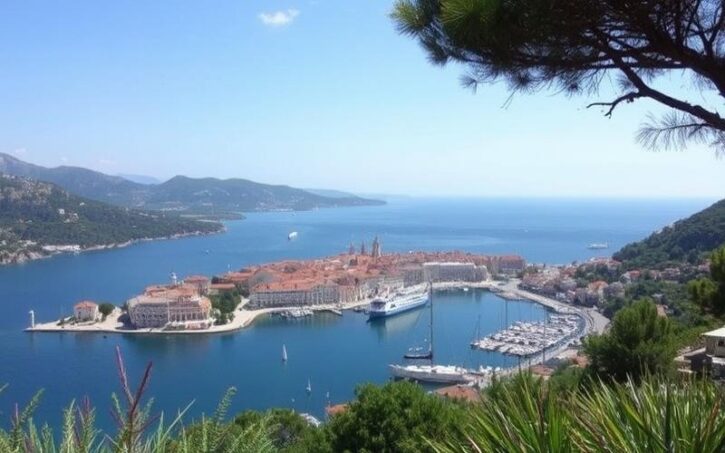
The Bay of Kotor, a UNESCO World Heritage site, is undoubtedly one of Montenegro’s most sought-after regions. Its crystal-clear waters surrounded by steep mountains create a spectacular setting, comparable to Norwegian fjords. The historic towns lining the bay, such as Kotor, Perast, and Tivat, attract a growing number of visitors and investors.
The region’s appeal is enhanced by Tivat International Airport, which provides excellent connectivity to the rest of Europe. The development of luxury marinas, like Porto Montenegro in Tivat, has significantly increased the area’s attractiveness to high-end clientele.
Investors can consider purchasing properties in towns such as:
- Kotor: for its medieval charm and high rental potential
- Dobrota: for its waterfront villas with breathtaking views
- Tivat: for its more modern atmosphere and quality infrastructure
Good to know:
The Bay of Kotor offers excellent potential for seasonal rentals, with high occupancy rates during the peak summer season. Well-located properties can generate attractive rental returns.
Budva: The Pearl of the Adriatic for Dynamic Investment
Budva, nicknamed the “Miami of Montenegro,” is the heart of the country’s nightlife and beach tourism. This coastal town attracts thousands of visitors each year with its sandy beaches, picturesque old town, and festive atmosphere. Budva’s real estate market is particularly dynamic, offering a wide range of investment options.
The most sought-after areas include:
- The Old Town: for its historic charm and high rental potential
- Bečići: for its modern residential complexes by the sea
- Sveti Stefan: for luxury properties near the iconic island-hotel
Budva benefits from strong rental demand, both for seasonal and long-term leases. Investors can aim for attractive returns, particularly with well-located and well-appointed properties.
Good to know:
Budva is experiencing rapid growth and continuous development. It’s important to choose properties in well-established areas or quality projects to maximize long-term appreciation potential.
Herceg Novi: The Rising Star of Montenegro’s Real Estate Market
Located at the entrance to the Bay of Kotor, Herceg Novi is a booming destination attracting increasing attention from savvy investors. This historic town offers a unique blend of authentic charm and modern development, with property prices still attractive compared to other more established coastal areas.
Herceg Novi’s advantages include:
- A picturesque old town with rich history
- Pebble beaches and crystal-clear waters
- Proximity to the Croatian border, attracting visitors from this neighboring country
- Development of luxury projects like Porto Novi, enhancing the region’s profile
Investors can consider purchasing properties in the historic city center, offering short-term rental potential, or in modern seaside residential complexes for long-term appreciation.
Good to know:
Herceg Novi could benefit significantly from Montenegro’s potential EU membership, which could further stimulate the local real estate market.
Buying a waterfront property in Montenegro may seem complex for foreign investors, but with the right information and proper guidance, the process can be smooth and secure. Here are the key steps to follow:
Dive into Preparations: Research and Due Diligence
Before embarking on a property purchase, it’s crucial to prepare thoroughly:
1. Clearly define your investment goals: Vacation home, rental investment, or a mix of both? Your strategy will influence the type of property and location to target.
2. Familiarize yourself with the local market: Study Montenegro’s real estate market trends, average prices in different regions, and growth projections. Resources like local real estate reports and expert opinions can be valuable.
3. Check legal restrictions: While Montenegro allows foreigners to purchase real estate, certain restrictions may apply, particularly for agricultural land. Ensure you fully understand your rights as a foreign buyer.
4. Budget carefully: Beyond the purchase price, account for additional costs such as taxes, notary fees, and potential renovation or furnishing expenses.
Good to know:
Montenegro’s real estate market can be volatile. It’s recommended to consult reliable and up-to-date sources for the most current information on prices and market trends.
Once your preparations are complete, begin actively searching for your property:
1. Engage a reputable local real estate agent: A professional familiar with the local market can save you valuable time and provide access to off-market opportunities. Ensure you choose a licensed agent experienced in transactions with international buyers.
2. Personally visit properties: If possible, take a scouting trip to Montenegro to visit properties that interest you. This will allow you not only to assess the properties but also to familiarize yourself with the local environment.
- Property title and absence of disputes
- Building permits and compliance with local regulations
- Structural condition of the building (hire an expert if necessary)
- Fees and taxes associated with the property
4. Negotiate smartly: The Montenegrin market may offer negotiation opportunities. Base your offer on your market research and your agent’s advice to make a fair and competitive bid.
Good to know:
Montenegro’s tourist season typically runs from May to September. Visiting during the off-season can give you a different perspective on the property and region, and potentially better negotiating power.
Secure Your Investment: Purchase Process and Legal Formalities
Once you’ve found the ideal property, it’s time to finalize the purchase:
1. Engage a local attorney: A lawyer specializing in Montenegrin real estate law is essential to navigate legal complexities and protect your interests throughout the purchase process.
2. Sign a preliminary contract: This document, often accompanied by a deposit, formalizes your purchase intention and agreed-upon conditions.
3. Obtain necessary permits: Depending on your status and property type, you may need specific permits from the Montenegrin government.
4. Finalize financing: If you need a loan, explore options with local or international banks. Note that loan conditions for foreign buyers may be stricter.
5. Sign the final sales deed: This step typically takes place before a notary. Ensure you understand all terms before signing.
6. Register the property: Registration with the local cadastre is crucial to formalize your ownership.
Good to know:
The purchase process in Montenegro typically takes 1 to 3 months on average. Factor this timeline into your planning, especially if you’re aiming for acquisition before the summer season.
Maximize Your Investment: Strategies for a Profitable Waterfront Property
Buying a waterfront property in Montenegro can be much more than just a vacation spot. With the right strategies, your investment can become a substantial source of income and growing asset value.
Ride the Wave of Seasonal Rentals
Montenegro’s tourist rental market is booming, offering excellent opportunities for property owners:
1. Target the high season: Summer months (June to September) are the most lucrative. Optimize your rates accordingly and ensure your property is available during this period.
2. Offer quality services: Modern amenities, careful decoration, and additional services (like high-speed Wi-Fi or airport transfers) can justify higher rates and attract quality tenants.
3. Use online rental platforms: Sites like Airbnb, Booking.com, or local specialized agencies can help you reach a broad international audience.
4. Consider professional management: If you don’t reside in Montenegro, a rental management company can handle all practical aspects, from welcoming tenants to property maintenance.
Good to know:
Well-managed properties in sought-after areas like the Bay of Kotor or Budva can achieve occupancy rates of 70% to 80% during peak season, with annual rental returns potentially exceeding 6% to 8%.
Invest in Property Improvement and Value Enhancement
To maximize your property’s long-term value:
1. Renovate strategically: Targeted improvements, such as modernizing the kitchen or bathroom, can significantly increase your property’s appeal and value.
2. Focus on energy efficiency: Installing solar panels or improving insulation can reduce operating costs and increase appeal for environmentally conscious tenants.
3. Create attractive outdoor spaces: A well-designed terrace or landscaped garden can become a major selling point for a waterfront property.
4. Stay informed about local developments: Infrastructure improvements or new tourist attractions opening can positively impact your property’s value.
Good to know:
Montenegro’s real estate market has seen average appreciation of 5% to 7% annually in sought-after coastal areas in recent years, offering interesting long-term capital gains potential.
Effective tax and regulatory management is crucial to optimize your investment:
1. Understand your tax obligations: Familiarize yourself with property taxes, rental income taxes, and any applicable tourist taxes in Montenegro.
2. Explore optimal ownership structures: In some cases, creating a local company to hold the property may offer tax benefits or facilitate management.
3. Stay compliant with rental regulations: Ensure you obtain all necessary licenses for tourist rentals and comply with local accommodation standards.
4. Consider estate planning: If you plan to pass the property to your heirs, consult an expert to structure your investment optimally.
Good to know:
Montenegro offers an attractive tax regime for foreign investors, with a corporate tax rate of 9%, one of the lowest in Europe. This can make structuring your real estate investment through a local entity interesting.
Conclusion: Your Passport to Successful Investment in Montenegro
Investing in a waterfront property in Montenegro offers a unique opportunity to combine personal pleasure with financial potential. With its breathtaking landscapes, Mediterranean climate, and growing real estate market, Montenegro positions itself as a top destination for savvy investors.
By following this guide and adopting a thoughtful, strategic approach, you can confidently navigate the waters of Montenegrin real estate investment. Whether you’re seeking an idyllic vacation home or a profitable rental investment, Montenegro’s coastline is full of opportunities to realize your property dreams.
Remember that every investment comes with its own challenges and opportunities. Thorough due diligence, professional advice, and a clear understanding of your goals are essential for success in your Montenegrin real estate adventure.
Disclaimer: The information provided on this website is for informational purposes only and does not constitute financial, legal, or professional advice. We encourage you to consult qualified experts before making any investment, real estate, or expatriation decisions. Although we strive to maintain up-to-date and accurate information, we do not guarantee the completeness, accuracy, or timeliness of the proposed content. As investment and expatriation involve risks, we disclaim any liability for potential losses or damages arising from the use of this site. Your use of this site confirms your acceptance of these terms and your understanding of the associated risks.

Cyril Jarnias is an independent expert in international wealth management with over 20 years of experience. As an expatriate himself, he is dedicated to helping individuals and business leaders build, protect, and pass on their wealth with complete peace of mind.
On his website, cyriljarnias.com, he shares his expertise on international real estate, offshore company formation, and expatriation.
Thanks to his expertise, he offers sound advice to optimize his clients' wealth management. Cyril Jarnias is also recognized for his appearances in many prestigious media outlets such as BFM Business, les Français de l’étranger, Le Figaro, Les Echos, and Mieux vivre votre argent, where he shares his knowledge and know-how in wealth management.





