
 Published on and written by Cyril Jarnias
Indonesia: An Archipelago of a Thousand Facets
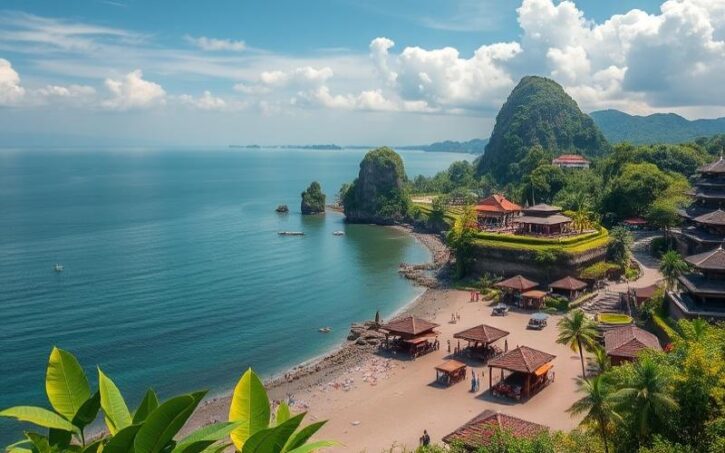
Indonesia, an archipelago of a thousand facets, attracts millions of visitors each year eager to discover its idyllic landscapes and rich culture, gradually transforming the local real estate landscape.
The Impact of Tourism on Real Estate
Indeed, the expansion of tourism is shaping this market in a profound and dynamic way, presenting both opportunities and challenges for local and international players.
Good to know:
While some regions, like Bali, are experiencing rapid investment growth, other parts of the country are trying to keep up with this frantic pace.
The Stakes of Real Estate Development
This dynamic raises essential questions about:
- Housing affordability for residents
- Soaring prices
- The balance between economic development and preserving cultural and natural resources
Trending Tourist Zones in Indonesia
The most popular tourist zones in Indonesia currently are Bali, Jakarta, Lombok, and Yogyakarta, all experiencing marked growth in international and domestic tourist numbers.
Recent Visitor Statistics
| Region | International Arrivals (Jan-May 2025) | Annual Change |
| Indonesia (total) | 5.44 million | +3.8% |
| Bali | 2.64 million | +13.65% |
| Jakarta | Not specified, but remains one of the main entry points | |
| Lombok | Included in overall data, strong regional growth | |
| Yogyakarta | Included in overall data, strong regional growth |
- Bali, in particular, recorded 602,213 foreign visitors in May 2025 alone, an increase of +10.58% compared to May 2024.
- Jakarta, Lombok, and Yogyakarta are among the main arrival hubs for international tourists in 2025.
Distinctive Features of the Destinations
- Bali: Renowned for its beaches, nightlife, Hindu temples, and wellness offerings (yoga, spas). The island remains Indonesia’s top destination, combining beach tourism, ecotourism, and local culture.
- Jakarta: The economic and cultural capital, Jakarta attracts with its dynamic urban scene, shopping malls, culinary offerings, and nightlife, appealing to both business travelers and tourists.
- Lombok: Increasingly popular, Lombok stands out for its pristine beaches, surf spots, and privileged access to the Gili Islands, offering a quieter alternative to Bali.
- Yogyakarta: A center of Javanese heritage, Yogyakarta attracts visitors for its iconic temples (Borobudur, Prambanan), traditional arts, and university atmosphere.
Influence of the Tourism Boom on the Real Estate Market
Demand for second homes, hotels, and temporary accommodations is growing rapidly, particularly in Bali and Lombok, where foreign and local investors are increasingly interested in purchasing villas, beachfront properties, and tourist apartments.
“The continuous rise in tourism is transforming the local market. Investors are looking to capitalize on the growing demand for quality accommodations, especially villas for rent on Airbnb or boutique hotels.”
A real estate expert based in Bali
In Jakarta, the appeal of urban stays and business tourism is stimulating the construction of high-end hotels and furnished apartments.
In Yogyakarta, the proximity of cultural sites encourages the development of guesthouses, charming hotels, and student residences.
Trends and Projections
Indonesian authorities are targeting between 14 and 16 million international visitors for the year 2025.
Investment in tourism infrastructure (transportation, visa digitalization, sustainable tourism) and increased air connectivity are expected to support this growth.
Professionals anticipate continued real estate demand, particularly in coastal areas and urban centers, with a diversification of offerings (co-living, hybrid residences, ecolodges).
“If the trend continues, Bali and Lombok could see tourist real estate prices increase by 10 to 15% over the next two years, driven by the arrival of new investors and the rise of international tourism.”
An analysis report
In summary:
- Trending destinations like Bali, Jakarta, Lombok, and Yogyakarta combine natural, cultural, and urban assets.
- Their growing popularity boosts demand for tourist real estate, durably transforming the local market.
- Experts anticipate a continuation of this dynamic, with rising prices and diversification of tourism-related real estate investments.
Good to know:
Bali, Jakarta, Lombok, and Yogyakarta are currently tourism hotspots in Indonesia, each offering distinct attractions like Bali’s paradisiacal beaches, Yogyakarta’s rich cultural heritage, and Jakarta’s dynamic urban vibe. Recent data shows Bali attracts nearly 6 million tourists per year, and this popularity boosts the local real estate market with increased demand for second homes and hotels. Lombok, with its quieter setting, is also seeing growing interest in investments in temporary accommodations. Real estate experts note that tourist influx in Jakarta is encouraging the conversion of many spaces into rental housing for visitors, a trend expected to intensify over the next five years in correlation with the tourism sector’s growth.
How Tourism Influences Real Estate Prices
Indonesia has experienced a remarkable tourism boom in recent years, reaching 13.9 million international visitors in 2024 (+18.8% compared to 2023) and continuing its growth in 2025 with an annual increase of over 9%, according to the latest official figures. The number of monthly arrivals exceeded the one million mark for the first time since the pandemic in April and May 2025. This dynamic is supported by investments in air infrastructure, the development of new destinations, and marketing campaigns targeting Australia, China, and Singapore, among others.
Main Source Markets (April-May 2025):
- Singapore: ~20%
- China: ~24%
- Australia: ~17%
- Japan, South Korea, India & United Kingdom also significant
| Year | International Arrivals | Annual Growth |
|---|---|---|
| 2019 | 16.11 M | — |
| 2023 | 11.68 M | — |
| 2024 | 13.90 M | +18.8 % |
| Jan-May/25 | >5 M | +3–9 % |
This tourism surge has translated into increased demand for:
- Second homes
- Seasonal rentals (Airbnb/villas)
- Hotels and resorts
Tourist areas like Bali or Jakarta are thus seeing their real estate market transformed:
Effects on Real Estate Prices in Tourist Zones
- Rapid increase in price per square meter on Bali’s south coast (Seminyak/Canggu/Uluwatu), where villas intended for tourist rentals now account for up to a third of transactions.
- Proliferation of hotel projects and serviced residences in Jakarta aimed at foreign investors.
- Relative decrease in supply accessible to local residents.
Local Social Consequences:
- General increase in the cost of living around tourist hubs
- Gradual displacement of residents towards cheaper inland areas
- Growing difficulties for local young professionals to access affordable housing
Examples of Impacts on Local Communities
- Partial eviction due to the rapid increase in residential rents in some Balinese neighborhoods.
- Increased land speculation around new tourist “hotspots” (Nusa Penida/Gili/Lombok).
- Change in the social fabric with the rapid transformation of local commerce towards the tourism sector.
Public Policies Implemented or Considered:
- Bali’s implementation of a temporary moratorium on certain forms of unregulated tourist accommodation.
- Creation of quotas or restrictions on foreign purchases in certain sensitive areas to preserve a rental stock accessible to locals.
- Differentiated taxation between primary residence/second home/rental investment.
Perspectives from Real Estate Experts/Economists:
“International demand will likely continue to support the high-end Balinese market as long as the macroeconomic context remains favorable; however, there is a real risk of progressive exclusion for a growing portion of native residents if no regulations are adopted.”
“In the medium term, speculation could lead to a local real estate bubble if not managed through appropriate urban planning.”
Broader Economic Implications:
| Opportunities | Challenges |
|---|---|
| Massive foreign currency inflows | Loss of local housing affordability |
| Direct/indirect jobs | Speculative risk |
| Infrastructure enhancement | Land/environmental pressure |
Tourism therefore strongly energizes certain segments of the Indonesian real estate market but also raises questions about harmonious and inclusive development – between growing international attractiveness and local social necessity.
Good to know:
In recent years, Indonesia has experienced strong tourism growth, with a notable increase in the number of visitors, both international and domestic, leading, for example, to a 20% rise in Bali over five years. This increased popularity has spurred a sharp rise in demand for second homes and vacation rentals, causing a significant increase in real estate prices in tourist areas like Bali and Jakarta. Local communities are feeling the repercussions, including a higher cost of living and reduced housing accessibility, putting many residents in difficulty. To counter these effects, some local policies aim to regulate real estate market development, such as implementing restrictions on property purchases by foreigners. Real estate experts point to an uncertain but potentially lucrative future, highlighting economic opportunities while warning of the challenges related to balancing tourism growth and social protection. Thus, the impact of tourism on real estate in Indonesia presents both promising and complex issues for the country as a whole, requiring careful management to optimize benefits while minimizing social and economic damage.
The Rise of Rental Investment Thanks to Tourism
The expansion of rental investment in Indonesia is mainly explained by sustained tourism growth, which stimulates demand for temporary housing and real estate suitable for both international and domestic visitors.
Driving Role of Tourism in the Real Estate Dynamic
- In 2025, the Indonesian government forecasts over 6.5 million international arrivals, with a significant portion concentrated in Bali and other major tourist areas.
- This influx generates strong short-term rental demand, allowing for gross yields between 6% and 12% per year depending on the property type and location.
- The most sought-after destinations for investors are:
- Bali (Seminyak, Ubud, Canggu/Batu Bolong, Sanur)
- Jakarta (for urban stays)
- Lombok, experiencing strong growth thanks to tourism development
- Emerging areas like Lovina Beach (North Bali), stimulated by the upcoming opening of a new international airport
| Destination | Type of Property Sought | Estimated Gross Yield |
| Seminyak | Luxury villa | 8–10 % |
| Ubud | Room villa/cultural | 10–12 % |
| Canggu/Batu Bolong | High-end villa | High + appreciation |
| Sanur | Family/stable properties | Stable/long term |
Preferred Property Types
- Individual villas with pool (high seasonal profitability)
- Turnkey tourist residences
- Apartments or condos near the coast or cultural hubs
- Boutique hotels and alternative accommodations (guesthouses)
Common Investment Strategies
- Acquisition followed by seasonal rental via international platforms.
- Off-plan purchase in new developments offering rental guarantees.
- Development or renovation to create differentiating experiences: wellness retreats in Ubud; connected villas in Canggu for digital nomads; eco-friendly resorts in Lombok.
- Diversification via commercial tourism real estate: independent hotels or restaurants.
Challenges & Opportunities in the Market
Opportunities
- Upgrading the property portfolio to meet demanding international clientele
- Expansion into new regions thanks to airport infrastructure
- High potential in the long-stay/digital nomad segment
Challenges
- Complex land regulations for foreigners requiring specific legal structuring
- Strong local competition that can affect occupancy rates outside peak season
- Regulatory fluctuations concerning short-term rentals
Concrete Examples & Testimonials
“The villas we developed near Batu Bolong have an annual occupancy rate exceeding 80%, especially thanks to the massive return of Australian and European tourists.”
Commercial Director, Pertama Property
“After investing in an eco-friendly hotel project near Lovina Beach anticipating the opening of the new North Bali airport, we saw the land value double in two years.”
Foreign investor based in Singapore
Summary List:
Key factors favoring expansion
- Structural increase in the international tourist flow post-pandemic
- Superior profitability compared to mature Western markets
- Unique cultural/natural attractiveness enhancing customer loyalty
Main risks identified
- Regulatory uncertainty regarding direct foreign investments
- Economic vulnerability linked to the tourism/hospitality sector
In summary, Indonesian rental investment fully benefits from the national tourism dynamism; Bali remains the nerve center while paving the way for regional diversification driven by new infrastructure and global trends such as long-term remote work or high-end experiential tourism.
Investing today requires regulatory vigilance and continuous strategic adaptation to the rapid changes in the local real estate market!
Good to know:
The booming tourism sector in Indonesia, with an annual growth rate of 10% according to the latest statistics, significantly stimulates rental investment, especially in Bali, Jakarta, and Lombok. These destinations attract real estate investors who favor luxury villas and furnished apartments to meet growing tourist demand. Investment strategies include purchasing properties under freehold title or managing accommodations via rental platforms like Airbnb, maximizing returns through consistent occupancy. Despite challenges such as real estate regulation and market saturation in some areas, significant opportunities exist, as evidenced by local companies doubling their real estate portfolios in a few years. Investor testimonials emphasize that choosing a turnkey property with efficient management can offer a quick return on investment, making this sector very attractive for savvy investors.
Disclaimer: The information provided on this website is for informational purposes only and does not constitute financial, legal, or professional advice. We encourage you to consult qualified experts before making any investment, real estate, or expatriation decisions. Although we strive to maintain up-to-date and accurate information, we do not guarantee the completeness, accuracy, or timeliness of the proposed content. As investment and expatriation involve risks, we disclaim any liability for potential losses or damages arising from the use of this site. Your use of this site confirms your acceptance of these terms and your understanding of the associated risks.

Cyril Jarnias is an independent expert in international wealth management with over 20 years of experience. As an expatriate himself, he is dedicated to helping individuals and business leaders build, protect, and pass on their wealth with complete peace of mind.
On his website, cyriljarnias.com, he shares his expertise on international real estate, offshore company formation, and expatriation.
Thanks to his expertise, he offers sound advice to optimize his clients' wealth management. Cyril Jarnias is also recognized for his appearances in many prestigious media outlets such as BFM Business, les Français de l’étranger, Le Figaro, Les Echos, and Mieux vivre votre argent, where he shares his knowledge and know-how in wealth management.





