
 Published on and written by Cyril Jarnias
Nestled in the Heart of Italy, These Artist Villages Emerge as Creative Oases
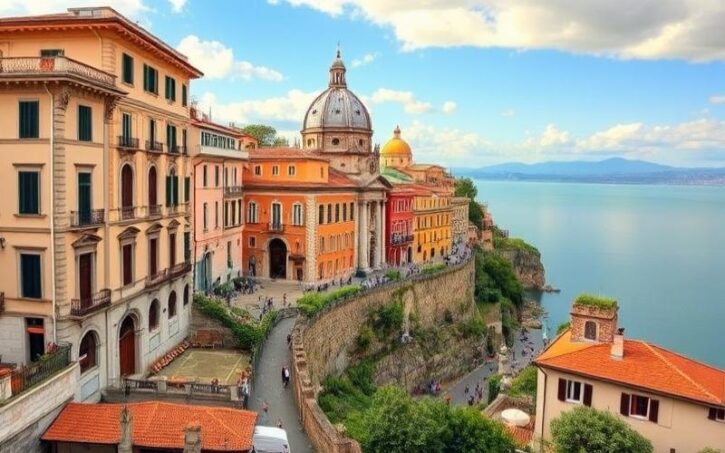
Nestled in the heart of Italy, these artist villages emerge as creative oases, where art and culture converge to give birth to unique expressions. Their dual function as cultural hubs and economic opportunities raises the crucial question of whether these enclaves are primarily a sustainable investment for art and culture or a means to monetize often rural spaces in need of renewal.
Villages like Calcata and Bussana Vecchia, along with more recent initiatives, not only revitalize old buildings but actively transform the local social and economic fabric.
Redefining the Concept of Cultural Heritage
Through this article, discover how artist engagement, community dynamics, and investor interest are redefining the concept of heritage culture, balancing passion and profitability.
Good to Know:
Artist villages in Italy often offer creative residencies and workshops open to the public, allowing direct immersion in the artistic process.
The Secrets of Artistic Communities in Italy
Artistic communities in Italy are rooted in a long continuum, from medieval workshops and Renaissance princely courts to modern artist colonies and current borghi d’arte, where the concentration of workshops, patrons, and markets has fostered collective life among creators and the emergence of structured “artist villages” built around institutions, residencies, and a loyal audience. These hubs formed where urban wealth, commissioners (Church, princes, guilds), learning infrastructures (botteghe, academies), and exchange networks coincided, first in city-states (Florence, Siena, Padua, Venice, Rome, Mantua, Urbino, Ferrara), then in towns and resorts during the 19th-20th centuries, stimulated by artistic tourism and local markets.
Artist Settlement Motivations
Interactions with Inhabitants and Strengthening Community Spirit
Famous Colonies and Artist Villages (Representative Sample)
Current Community Operations
Types of Art Practiced Today
Contributions to the Sustainability of Italian Artistic Culture
Local and National Economic Influence
Role in Tourist Attractiveness
| Period | Key Locations | Formation Factors | Lasting Effects |
|---|---|---|---|
| 14th–16th Centuries | Florence, Siena, Padua, Venice, Rome, Mantua, Urbino, Ferrara, Naples | Princely and ecclesiastical patronage, workshops, academies, urban markets | Regional schools, monumental heritage, learning circuits |
| 17th Century | Rome, Venice | Influx of foreign artists, international market, professional sociability | Professionalization, art trade, transnational networks |
| 19th–21st Centuries | Borghi d’arte and heritage villages | Cultural tourism, residencies, local revitalization | Diversification of practices, territorial development, tourist attractiveness |
Good to Know:
Artistic communities in Italy trace their roots to the 19th century, when international artists began settling in picturesque villages such as Civita di Bagnoregio, inspired by the country’s natural beauty and rich history. Famous colonies like the one in Fiesole gathered talents like Bernard Berenson, blending art and intellectual research. Attracted by unique light and heritage wealth, painters and sculptors often interacted with locals to exchange techniques and traditions, fostering a sense of cohesion and cultural exchange. Today, these communities continue to thrive, with a range of arts practiced, from contemporary ceramics to digital art, thus helping maintain Italy’s artistic dynamism. They play a vital role in the local economy by attracting tourists and students while contributing to cultural enrichment, as seen in annual festivals and public workshops, enhancing regional appeal and stimulating the Italian art market.
Renovating Farms into Artist Villages: A Bet on the Future
Transforming farms into artist villages in Italy constitutes a bet on the future because these projects rely on culture’s ability to revive declining territories, attract talent and visitors, and structure hybrid local economies blending creation, tourism, and craftsmanship. They position art as sustainable social infrastructure, capable of reconfiguring the image and use of marginalized places.
Why It’s a Bet on the Future
- Demographic and territorial anticipation: in many Italian regions marked by aging and exodus, investing in creation restores functions to disused farm buildings and hamlets, reintegrating them into housing, production, and hospitality circuits.
- Image change and attractiveness: art requalifies the aesthetics of places, creates contemporary identity narratives, and attracts resident artists, neo-rural inhabitants, and seasonal visitors.
- Platform effect: these villages become “laboratories” where residencies, exhibitions, artisanal crafts, education, and events develop, generating positive externalities (networks, skills, micro-enterprises).
- Cultural resilience: culture as an essential service strengthens social cohesion, intergenerational transmission, and local innovation.
Cultural and Social Impact
Rural Area Revitalization
- Reopening of houses and workshops, reactivation of squares and public pathways.
- Regular cultural programming that breaks seasonal isolation and creates shared rituals.
Attractiveness for Artists and Visitors
- Artist residencies, long-term rentals in former farms, public art circuits.
- Niche tourism (art, heritage, nature) with benefits for diffuse accommodation, dining, and local producers.
Dynamic Creative Communities
- Participatory governance blending residents, artist collectives, and associations.
- Transmission of know-how (dry stone, fresco, ceramics, circular design) and educational programs for youth.
Economic Challenges and Opportunities
Opportunities
- Income diversification: workshop and rental lodging, exhibition ticket sales, café-bookstores, art markets, cultural services, brand partnerships.
- Increased property value and requalification of underused agricultural heritage.
- Local jobs: cultural mediation, craftsmanship, maintenance, accommodation, communication.
Challenges
- High initial renovation funding (seismic standards, energy efficiency, sanitation).
- Seasonality and tourist demand volatility; need for year-round programming.
- Risk of soft gentrification: rising rents, tension between artistic and residential uses.
- Regulatory complexity: heritage protection, landscape constraints, public establishment regulations, fire safety, accessibility.
- Infrastructure: mobility, digital connectivity, water/energy for isolated sites.
Public Policies and Available Subsidies
Italian National Programs
- Aid for historical building rehabilitation and energy efficiency.
- Measures for “borghi” and combating depopulation, with calls for cultural, tourist, and social innovation projects.
- Tax incentives for cultural patronage and work on cultural assets.
Regional and Municipal Levels
- Regional cultural funds, credits for artist residencies, micro-grants for cultural animation.
- Moderate-rent concessions of public buildings, emphyteutic leases, temporary usage rights.
European Frameworks
- Cohesion and rural development funds (Leader/CLLD) for economic diversification, short cultural and tourist circuits.
- European cultural programs (residencies, transnational cooperation) and funding for heritage ecological transition.
Mixed Financial Engineering
- Hybrid setup: grants + patronage + crowdfunding + operating revenue + impact finance.
Concrete Examples in Italy and Local Perceptions
Bussana Vecchia (Liguria)
Former abandoned village turned “artist village,” pedestrian and designed as an open-air museum where workshops and in situ installations create a unique atmosphere and attract thousands of European visitors annually.
Local perception: renewed heritage pride and tourist dynamism, while requiring careful management of flows and conservation of inhabited ruins.
Favara – Farm Cultural Park (Sicily)
Transformation of a dilapidated historic center into a vast space for artistic creation and production, reviving local real estate and cultural activity on a national scale.
Local perception: recognition of artist-entrepreneurs’ role and gradual resident acceptance given benefits in terms of animation and city image.
Valogno (Campania)
Art therapy project turned open-air museum: scattered frescoes and works revived a depopulated village, linking social inclusion, health, and art.
Local perception: positive reception around a project with strong human dimension, highlighting family roots and participation of invited artists.
Legro (Piedmont)
“Painted village” with frescoes inspired by literature and cinema, transforming streets into cultural trails and boosting town tourist appeal.
Local perception: satisfaction linked to national circuit recognition and visitor arrival, with benefits for local shops and guides.
Success Conditions
- Shared governance and usage pacts between owners, artists, and municipalities.
- Phased work: start with “pilot units” (farm-workshop, lodging-workshop) to prove viability.
- Year-round programming and links with schools, universities, craft and design networks.
- Access strategy: shuttles, paths, peripheral parking, accessibility.
- Impact measurement: occupancy indicators, events, economic benefits, resident satisfaction.
Typical Economic Model (Example of a Former Farm Converted into Artist Village Core)
Investments
- Structural and energy renovation.
- Modular workshop setups, diffuse accommodation, exhibition spaces.
- Digital and soft mobility infrastructure.
Recurring Revenue
- Workshop and residency rentals.
- Accommodation and dining, events, ticket sales, craft shops.
- Partnerships, patronage, training and workshops.
Risk Management
- Regional programming mutualization, weather insurance, working capital covering low season, anti-speculation clauses.
Operational Checklist
- Map available agricultural heritage and structural condition.
- Co-design with residents and artists a usage plan and identity narrative.
- Identify multi-level subsidies and relevant tax measures.
- Define mobility and accessibility plan.
- Prototype a first cultural season and measure its impact.
- Establish architectural and environmental charter (local materials, reversibility, sobriety).
| Axis | Objective | Key Actions | Indicators |
|---|---|---|---|
| Revitalization | Reoccupy buildings, animate public space | Residencies, art trails, artisan markets | Occupancy rate, number of events |
| Attractiveness | Attract artists and visitors | Targeted communication, partnerships, festivals | Number of residents, overnight stays |
| Local Economy | Create sustainable income | Workshop rentals, accommodation, sales | Revenue by category, local employment |
| Inclusion | Strengthen social bonds | Mediation, school workshops, accessibility | Resident participation, diversity |
| Heritage | Preserve and innovate | Architectural charter, bio-based materials | Compliance, carbon footprint |
Key takeaway: these transformations are not just real estate renovations; they are territorial cultural strategies betting on creativity as a future driver, with measurable benefits and strong demand for local governance to sustain the balance between life, art, and economy.
Examples to Extend to Farms
- Main farm as “hub”: shared workshops, rural fablab, collective kitchen and artist accommodation.
- Annex barns: micro-stages and exhibition spaces.
- Courtyards and gardens: in situ installations, artistic vegetable gardens, markets.
- Outbuildings: family residences for artists, art therapy and mediation spaces.
Funding and Engineering Avenues
- Local consortium (municipality + owners + cultural association) to apply for project calls.
- Solidarity land trust to acquire and renovate farms, with controlled rents for artists.
- Social impact contracts indexed on revitalization indicators.
- Slow tourism: combined passes for workshops-visits-producers.
Risks to Anticipate and Responses
- Occasional overtourism: quotas, timed ticketing, mediation.
- Usage conflicts: charters and mediation, usage clauses in leases.
- Dependence on subsidies: revenue diversification, local endowment.
- Building maintenance: local maintenance services, training in traditional techniques.
Examples cited: Bussana Vecchia (Liguria), Farm Cultural Park in Favara (Sicily), Valogno (Campania), Legro “painted village” (Piedmont).
Good to Know:
Transforming farms into artist villages in Italy represents a bet on the future due to their ability to revitalize rural areas, attracting artists and visitors and creating dynamic communities focused on creativity. These initiatives, such as those in regions like Tuscany and Umbria, demonstrate significant cultural and social impact; however, they face economic challenges, including financial accessibility and the need for modern infrastructure. Government subsidies and incentive policies, often crucial, encourage such projects by seeking to balance heritage preservation and artistic innovation. Local perceptions vary, but successful examples show economic gains through cultural tourism and an enriching environment for both residents and artists.
Creative Eco-Villages: A Cultural or Profitable Investment?
Creative eco-villages in Italy combine remarkable natural settings with artistic programming and sustainable management to attract resident artists, responsible tourists, and impact investors. They rely on hybrid models blending eco-friendly accommodation, regenerative agriculture, craftsmanship, cultural events, and community governance to balance heritage preservation and profitability.
Typical Economic Models
- Eco-friendly accommodation: guest rooms, rental lodgings, and agriturismi integrated into restored stone buildings, naturally insulated, partially powered by renewable energy.
- Artist residencies and workshops: paid or grant-funded programs that finance site maintenance and animate cultural life.
- Agriculture and short circuits: synergistic vegetable gardens, orchards, and organic products sold on-site and in local markets.
- Cultural tourism and ecotourism: heritage visits to restored medieval villages, trails in agricultural parks, off-grid immersive experiences.
- Training and events: eco-construction, permaculture, visual and performing arts internships; seasonal festivals and exhibitions.
- Cooperative governance: cultural associations and resident cooperatives that pool resources, structure offerings, and diversify income.
Balance Between Cultural Preservation and Profitability
- Adaptive reuse of historical buildings (stone, local wood, terracotta) to maintain authenticity while improving energy efficiency.
- Limited capacity, seasonal pricing, and curated programming to avoid overtourism and stabilize cash flow.
- Consensus rules and landscape charters to preserve landscapes, biodiversity, and local cultural identity.
- Mix of recurring revenue (accommodation, farm rent, memberships) and occasional income (events, patronage, restoration grants).
Concrete Examples in Italy
Torri Superiore (Liguria)
- Strengths: medieval stone village restored with high-performance eco-design techniques; cosmopolitan site hosting ecotourists, artists, and trainees; associative and cultural governance.
- Artistic and sustainable offerings: eco-construction and music workshops, energy-sober accommodation, exemplary heritage restoration.
- Economic model: mix of accommodation-training-events, with revenue supplemented by cultural activities and residencies.
Basilico (Tuscany)
- Strengths: synergistic vegetable garden covering a large part of food needs; small scale and strong social cohesion; selective visitor welcome.
- Artistic and sustainable offerings: permaculture workshops, local craftsmanship, in situ landscape exhibition as “living gallery.”
- Economic model: subsistence farming + local sales + educational activities; cost sobriety through partial self-sufficiency.
Damanhur (Piedmont)
- Strengths: community recognized as a model sustainable society; agricultural production and ecological construction; vibrant cultural life.
- Artistic and sustainable offerings: underground artistic temples, performances and installations; care through natural methods; structured visit programs.
- Economic model: cultural ticketing + training + craftsmanship + hospitality; strong culture-tourism-ecology synergies.
Bagnaia (Tuscany)
- Strengths: collectivization of land and wealth, food autonomy and work sharing; rural anchoring.
- Artistic and sustainable offerings: community events, peasant craftsmanship, educational workshops.
- Economic model: local product sales + resident wages + cultural activities, limiting dependence on tourism alone.
Creative Eco-Hospitality Linked to Arts and Nature
- Artistic parks and farms: for example, a participatory agricultural park in Salento where art, landscape, and ecology structure hospitality.
- “Artist refuges” off-grid: sites powered by photovoltaics, amidst hills and vineyards (Sicily/Etna, Noto), offering creative stays and artistic production spaces.
Comparative Table
| Village | Location | Natural Assets | Economic Pillars | Artistic Offerings | Governance |
|---|---|---|---|---|---|
| Torri Superiore | Ligurian Alps | Medieval stone village | Accommodation, workshops, events | Workshops, residencies, music | Cultural association, consensus |
| Basilico | Tuscan hills | Subsistence agroecosystem | Synergistic garden, pedagogy | Craftsmanship, nature workshops | Small community, consensus |
| Damanhur | Piedmont | Wooded valleys | Ticketing, training, craftsmanship | Temples, performances, installations | Structured community |
| Bagnaia | Rural Tuscany | Collectivized lands | Local sales, wages, culture | Community events | Work sharing, consensus |
| Artistic Eco-Hospitality (Noto/Etna/Salento) | Sicily/Apulia | Dry stone walls, vines, lava | Creative stays, agritourism | Residencies, in situ workshops | Local cooperatives/associations |
Societal and Cultural Impacts
- Rural revitalization: repopulation of abandoned hamlets, restoration of vernacular buildings, reopening of workshops and micro-businesses.
- Local economy: non-relocatable jobs (eco-construction, agriculture, cultural mediation), technical and artistic skill upgrading.
- Artistic collaboration: transdisciplinary co-creations, international programming, intergenerational transmission.
- Social cohesion and health: sober lifestyles, mutual aid, reduced isolation, environmental education.
- Territorial attractiveness: “creative green” image attracting visitors, digital nomads, and impact investors.
Testimonials
“Living and creating here means working with stone, light, and silence: architecture becomes our first work.”
— Resident-artist from Torri Superiore.
“The synergistic garden feeds us and funds workshops; it’s also our open-air workshop.”
— Member of Basilico.
“We invest because value is created on three axes: cultural heritage, artistic experience, proven sustainability.”
— Impact investor involved in an Apulian agricultural park.
“Consensus takes time, but it avoids social costs and strengthens project resilience.”
— Resident of Bagnaia.
Potential Financial and Cultural Challenges
- Land pressure and overtourism: gentrification risk, tension between capacity and profitability; need for caps and ecological schedules.
- Restoration costs and compliance: high investments to renovate according to heritage and energy standards; need for grants and patronage.
- Governance and professionalization: reconciling internal democracy and management requirements (marketing, finance, safety).
- Revenue diversification: vulnerability to seasonal shocks; importance of e-commerce craftsmanship, subscriptions, institutional partnerships.
- Local integration: avoiding insularity, co-building with municipalities and farmers, respecting rituals and know-how.
Operational Best Practices
- 40/40/20 activity portfolios: 40% accommodation, 40% activities (art/training), 20% agro/products.
- Impact indicators: local jobs created, restored surfaces, renewable energy share, annual works and events.
- Clear governance: cooperative statutes, curatorial committees, participatory budgets.
- Applied ecology: bio-based materials, water autonomy, agroforestry, soft mobility.
- Partnerships: art schools, eco-village networks, natural parks, heritage foundations.
These eco-villages demonstrate that ambitious artistic proposals and rigorous ecological management can support territories, both culturally and economically, when based on shared governance and diversified revenue models.
Good to Know:
In Italy, creative eco-villages like Torri Superiore in Liguria and Colletta di Castelbianco are remarkable examples of integrating art and sustainability. Nestled in natural settings, these villages attract artists and visitors through dynamic cultural offerings while adopting ecological practices. They rely on economic models combining artist residencies, sustainable tourism, and artwork sales to ensure viability. Resident testimonials reveal that these initiatives revitalize rural areas by fostering collaboration among artists and supporting local economies. However, challenges persist, such as the need for public subsidies and managing tourist flows to preserve cultural authenticity.

Cyril Jarnias is an independent expert in international wealth management with over 20 years of experience. As an expatriate himself, he is dedicated to helping individuals and business leaders build, protect, and pass on their wealth with complete peace of mind.
On his website, cyriljarnias.com, he shares his expertise on international real estate, offshore company formation, and expatriation.
Thanks to his expertise, he offers sound advice to optimize his clients' wealth management. Cyril Jarnias is also recognized for his appearances in many prestigious media outlets such as BFM Business, les Français de l’étranger, Le Figaro, Les Echos, and Mieux vivre votre argent, where he shares his knowledge and know-how in wealth management.





