
 Published on and written by Cyril Jarnias
Morocco, with its diverse landscapes ranging from Mediterranean beaches to the Atlas Mountains, and its historic imperial cities, has become a top tourist destination. This growing appeal has had a significant impact on the country’s real estate market, creating new dynamics and investment opportunities. Let’s take a detailed look at how tourism is shaping the Moroccan real estate landscape.
Morocco’s Tourist Gems: Booming Real Estate Hotspots
Tourism in Morocco has experienced spectacular growth in recent years, making the country the top tourist destination in Africa. This popularity has had a direct impact on certain areas, which have become genuine real estate hotspots:
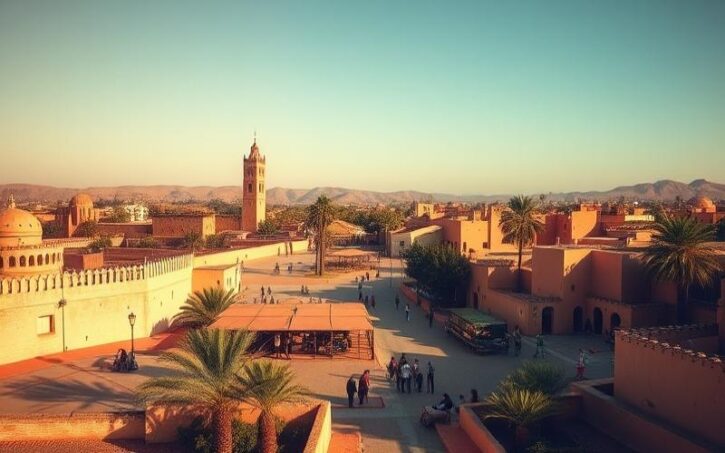
Marrakech, the Pearl of the South: As Morocco’s iconic city, Marrakech attracts millions of visitors each year. Its authentic charm, traditional riads, and unique atmosphere make it a prime destination for real estate investors. The medina, a UNESCO World Heritage site, is particularly sought after for renovation projects and conversions into guesthouses.
Agadir, the Ultimate Beach Resort: With its mild climate year-round and fine sandy beaches, Agadir has become a leading destination for beach tourism. The real estate market here is dynamic, with strong demand for sea-view apartments and tourist residences.
Tangier, the Gateway to Africa: Located on the Strait of Gibraltar, Tangier is experiencing a spectacular revival. Urban and tourism development projects have attracted numerous investors, particularly in the chic Kasbah district and along the corniche.
Essaouira, the Bohemian Charm: This small coastal town is increasingly attracting tourists seeking authenticity. Its real estate market is developing rapidly, with growing demand for renovated riads and apartments in the medina.
Good to know:
Popular tourist areas in Morocco offer diverse investment opportunities, ranging from traditional riads to modern apartments and tourist residences. Each destination has its own specific features and target audience.
Soaring Prices: When Tourism Drives Up Real Estate Values
The influx of tourists has had a significant impact on real estate prices in Morocco’s most sought-after areas:
A widespread increase in flagship destinations: In Marrakech, for example, prices for riads in the medina have seen a dramatic rise in recent years. It is not uncommon for the most prestigious properties to reach several million euros. In Agadir, beachfront apartments can easily exceed 3,000 euros per square meter.
Disparities between neighborhoods: In each city, certain neighborhoods are more affected by this price increase than others. In Marrakech, the Hivernage and Guéliz districts are particularly popular with foreign investors, leading to a sharp rise in prices. In Tangier, it is the port and Kasbah area that is experiencing the most significant appreciation.
A ripple effect on peripheral areas: The rise in prices in tourist centers also impacts surrounding areas. A phenomenon of gentrification is observed in some formerly working-class neighborhoods, which are becoming attractive to investors due to their potential for capital gains.
Opportunities in emerging cities: Faced with soaring prices in the most well-known destinations, some investors are turning to emerging tourist cities like Fez, Meknes, or Ouarzazate. These destinations still offer attractive prices and interesting development potential.
Good to know:
Real estate price increases in Morocco’s tourist areas can reach 10 to 15% per year in some particularly sought-after sectors. It is crucial to thoroughly study the local market before investing to identify the best opportunities.
The Rental Gold Rush: How Tourism Transforms Real Estate Investment
The development of tourism in Morocco has created new rental investment opportunities, transforming the country’s real estate landscape:
The boom in short-term rentals: With the rise of online rental platforms like Airbnb, many property owners have converted their properties into tourist rentals. This trend is particularly pronounced in the medinas of Marrakech and Essaouira, where riads transformed into guesthouses can generate substantial income.
The emergence of managed residences: To meet the growing demand for tourist accommodations, many developers have built managed residences. These complexes, often located in popular tourist areas like Agadir or Tangier, offer investors the opportunity to purchase a property while benefiting from professional rental management.
Diversification of rental offerings: The tourist rental market in Morocco has diversified considerably in recent years. Offerings now range from simple studios to luxurious villas with pools, including designer apartments in trendy neighborhoods. This diversity allows investors to target different customer segments.
Regulatory challenges: Faced with the explosion of short-term rentals, Moroccan authorities have implemented stricter regulations. Property owners wishing to rent their property to tourists must now obtain authorization and comply with certain quality and safety standards. This evolution of the legal framework aims to professionalize the sector and ensure a quality experience for visitors.
Good to know:
Rental investment in Morocco’s tourist areas can offer attractive returns, ranging from 5 to 10% per year for well-located and well-managed properties. However, it is important to factor in management and maintenance costs, as well as the seasonality of certain destinations.
Toward Sustainable Tourism: New Challenges for the Moroccan Real Estate Market
Faced with the growing impact of tourism on the real estate market, Morocco is increasingly turning to sustainable development models:
The rise of ecotourism: New real estate projects focused on ecotourism are emerging, particularly in the mountainous regions of the Atlas or in the desert. These developments emphasize landscape integration and the use of local, sustainable materials.
Heritage renovation: In historic cities like Fez or Meknes, architectural heritage renovation programs are being implemented. These initiatives aim to preserve the authenticity of the sites while adapting them to modern comfort standards, creating new opportunities for responsible real estate investment.
Development of sustainable neighborhoods: In major tourist cities like Marrakech or Casablanca, new neighborhoods are being designed according to sustainability principles. These projects incorporate green spaces, efficient water and energy management systems, and aim to create a pleasant living environment for both residents and visitors.
Training in tourism real estate professions: To support this sustainable development, Morocco is investing in training for tourism real estate professions. Specialized programs are being created to train professionals capable of managing real estate projects that respect the environment and local communities.
Good to know:
Real estate projects focused on sustainable tourism in Morocco often benefit from tax incentives and investment facilities. These initiatives aim to encourage responsible and long-term tourism development.
The impact of tourism on the real estate market in Morocco is undeniable. It has transformed the urban landscape of many cities, created new investment opportunities, and stimulated the local economy. However, this rapid development also raises challenges in terms of housing affordability for local populations and the preservation of the country’s cultural and natural heritage.
Looking ahead, the challenge for Morocco will be to find a balance between tourism development, preserving its authenticity, and the needs of its population. Real estate investors will have a crucial role to play in this transition toward a more sustainable and inclusive tourism model.
Disclaimer: The information provided on this website is for informational purposes only and does not constitute financial, legal, or professional advice. We encourage you to consult qualified experts before making any investment, real estate, or expatriation decisions. Although we strive to maintain up-to-date and accurate information, we do not guarantee the completeness, accuracy, or timeliness of the proposed content. As investment and expatriation involve risks, we disclaim any liability for potential losses or damages arising from the use of this site. Your use of this site confirms your acceptance of these terms and your understanding of the associated risks.

Cyril Jarnias is an independent expert in international wealth management with over 20 years of experience. As an expatriate himself, he is dedicated to helping individuals and business leaders build, protect, and pass on their wealth with complete peace of mind.
On his website, cyriljarnias.com, he shares his expertise on international real estate, offshore company formation, and expatriation.
Thanks to his expertise, he offers sound advice to optimize his clients' wealth management. Cyril Jarnias is also recognized for his appearances in many prestigious media outlets such as BFM Business, les Français de l’étranger, Le Figaro, Les Echos, and Mieux vivre votre argent, where he shares his knowledge and know-how in wealth management.





