
 Published on and written by Cyril Jarnias
Italy, the birthplace of the Renaissance and land of la dolce vita, attracts millions of visitors from around the world each year. This massive influx of tourists doesn’t just fill the country’s picturesque streets and iconic museums; it also exerts considerable influence on the Italian real estate market. From the narrow alleys of Florence to the sunny beaches of Sicily, the impact of tourism is felt in every corner of the peninsula, profoundly transforming the real estate landscape and urban dynamics.
Italy’s Jewels: The Destinations That Attract Tourists and Investors Alike
Italy is brimming with iconic tourist destinations that attract not only visitors but also real estate investors. These areas, true magnets for tourism, experience unique real estate dynamics, often characterized by high demand and rising prices.
Rome, the Eternal City, remains undeniably one of the most sought-after destinations. Its unparalleled historical heritage, from the Colosseum to the Trevi Fountain and the Vatican, attracts millions of visitors each year. This popularity is directly reflected in the local real estate market. Apartments in the historic center, particularly those offering views of iconic monuments, are in extremely high demand, both for rental investment and second homes.
Florence, the Jewel of Tuscany, is not far behind. The city of the Medici, with its world-renowned museums and Renaissance architecture, exerts a powerful appeal on tourists and investors. The historic center of Florence, a UNESCO World Heritage site, sees its real estate prices skyrocketing, driven by tourist demand and the scarcity of available properties.
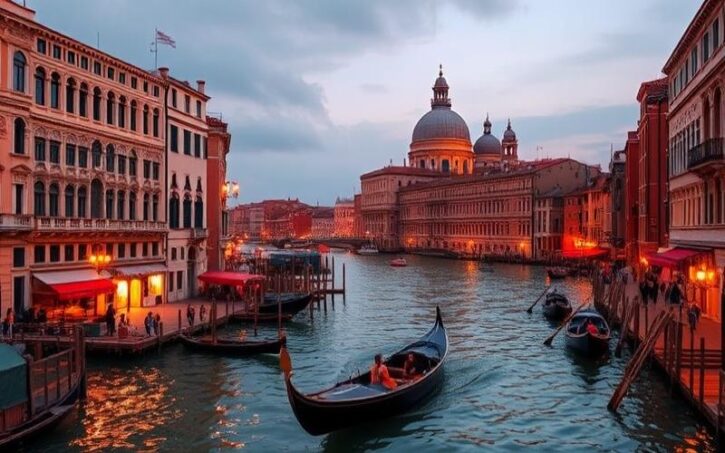
Venice, the Serene Republic, presents a special case. The city of the Doges, facing mass tourism that threatens its balance, sees its real estate market deeply impacted. Historic palazzos and apartments with canal views reach dizzying prices, while the local population struggles to find housing, facing competition from tourist rentals.
In the south, the Amalfi Coast and Puglia are emerging as prime destinations for more coastal and authentic tourism. These regions are experiencing renewed interest from foreign investors, attracted by still relatively affordable prices and significant growth potential.
Good to Know:
The most popular tourist areas in Italy, such as Rome, Florence, Venice, and the Amalfi Coast, are experiencing strong real estate pressure due to the influx of visitors and investors. This dynamic leads to rising prices and a transformation of the urban fabric, sometimes at the expense of local populations.
The Price Waltz: When Tourism Sends Italian Real Estate Soaring
The impact of tourism on real estate prices in Italy is undeniable and manifests spectacularly in certain regions. This influence translates into a significant increase in property values, particularly in areas most favored by visitors.
In the historic center of Florence, the situation is particularly striking. According to the latest available data, the average price per square meter in the heart of the Tuscan city has reached record highs, averaging €4,500 in 2025. This dizzying rise represents an increase of nearly 32% in just two years. Apartments offering views of the Duomo or Ponte Vecchio can even trade at prices exceeding €7,000 per square meter.
In Rome, the situation is hardly different. In the most touristy neighborhoods like Centro Storico or Trastevere, average prices range between €6,000 and €8,000 per square meter in 2025. Exceptional properties, such as penthouses with views of the Colosseum, can reach dizzying heights, sometimes exceeding €15,000 per square meter.
Venice perhaps presents the most extreme case. The lagoon city, facing limited space and insatiable tourist demand, sees its real estate prices soar. In 2025, the average price in the historic center exceeds €5,000 per square meter, with peaks over €10,000 for the most prestigious properties overlooking the Grand Canal.
This price inflation is not without consequences. It leads to an accelerated gentrification phenomenon in these tourist areas, pushing local residents to the periphery. In Florence, for example, Florentines spend an average of 78% of their income on housing in the city center in 2025, compared to 72% in 2023, a situation that is becoming unsustainable for many households.
However, it’s important to note that this upward trend is not uniform across the entire Italian territory. In Puglia, for example, a region experiencing a tourism boom, prices remain relatively affordable. For a 150 to 200 m² villa with a pool, the investment range is between €350,000 and €480,000 in 2025, prices that are attracting more and more foreign investors looking for good deals.
This price disparity between established tourist destinations and emerging regions creates new dynamics in the Italian real estate market. It pushes investors and buyers to explore new areas, thus contributing to a geographical redistribution of tourism-related real estate investments.
Good to Know:
The impact of tourism on real estate prices in Italy varies considerably by region. While major tourist cities like Florence, Rome, and Venice experience spectacular increases, sometimes reaching over €7,000 per square meter in the most sought-after areas, emerging regions like Puglia still offer investment opportunities at more affordable prices, around €2,000 per square meter for quality properties.
The Gold Rush: The Boom in Italian Rental Investment
The rise of tourism in Italy has sparked a true revolution in the rental investment sector. More and more investors, both Italian and foreign, are turning to purchasing properties intended for tourist rentals, attracted by potentially high returns and seemingly insatiable demand.
The Airbnb phenomenon played a crucial role in this transformation. In 2025, Florence has over 14,500 accommodations listed on the platform, a dizzying increase of 32% in just two years. This proliferation of short-term rentals has profoundly modified the real estate landscape of Italian tourist cities.
Rental yields in the most sought-after tourist areas can be particularly attractive. In Rome, for example, a well-located apartment in the historic center can generate a gross rental yield ranging from 6% to 8% per year in seasonal rentals, compared to 3% to 4% in long-term rentals. This significant difference explains the enthusiasm of investors for this type of property.
In Puglia, a region experiencing a tourism boom, the real estate market presents a rental profitability potential much higher than the French market. Tourist regions, especially between May and October, attract a growing number of visitors, making seasonal rentals particularly lucrative. An investor can expect gross returns of up to 10% per year for a well-located villa with a pool.
However, this rush toward rental investment is not without consequences. It contributes to the scarcity of available housing for local residents and the general increase in rents. In Florence, for example, the municipality had to take drastic measures to try to regulate this phenomenon. In 2025, the city established a €50 million fund to encourage long-term rentals, attempting to rebalance the real estate market.
Venice, facing similar challenges, also had to react. The city of the Doges implemented restrictions on new licenses for tourist rentals in certain areas, seeking to preserve the balance between the tourist economy and residents’ quality of life.
These regulatory measures, which are multiplying in Italian tourist cities, are beginning to impact the rental investment market. Investors must now navigate a more complex legal environment, with restrictions that vary from city to city.
Despite these challenges, rental investment in Italy remains attractive to many investors. The diversity of destinations, ranging from world-famous art cities to emerging coastal regions, offers a wide range of opportunities. Savvy investors are increasingly turning to less saturated destinations, like small Tuscan towns or coastal villages in Puglia, in search of a balance between profitability and sustainability.
Good to Know:
Rental investment in Italy, driven by the tourism boom, offers potentially high returns, ranging from 6% to 10% in the most sought-after areas. However, this market faces increasing regulation, especially in major tourist cities like Florence and Venice, where measures are being taken to limit the proliferation of short-term rentals and preserve the balance of the local real estate market.
Toward a New Balance: Challenges and Opportunities in the Italian Real Estate Market Facing Tourism
The Italian real estate market, deeply marked by the rise of tourism, now stands at a crossroads. Between economic opportunities and social challenges, the sector must find a new balance to ensure sustainable and harmonious development.
Tourist gentrification is one of the main challenges facing Italian cities. In Florence, for example, the historic center is gradually emptying of its local residents, replaced by second homes and tourist rentals. This trend threatens the social and cultural fabric that gives these cities their charm. To counter this phenomenon, municipalities like Florence have implemented incentive measures to encourage long-term rentals for local residents.
Regulation of the rental market is becoming a priority for many Italian cities. Venice, for example, has established a quota system for new tourist rental licenses in certain neighborhoods. These measures aim to preserve a balance between the tourist economy and residents’ quality of life. Investors must now contend with an ever-evolving regulatory framework, requiring careful legal monitoring.
However, these challenges also come with opportunities. The emergence of new tourist destinations in Italy opens new perspectives for investors. Puglia, for example, is experiencing remarkable growth, attracting more and more visitors in search of authenticity. This region still offers investment opportunities at relatively affordable prices, with significant growth potential.
The diversification of tourism represents another major opportunity. Italy is increasingly betting on sustainable and experiential tourism, valuing its cultural and natural heritage. This trend favors the emergence of new types of accommodations, like agritourism or boutique hotels, offering new niches for real estate investors.
Heritage renovation constitutes another promising development axis. Many Italian cities are launching rehabilitation programs for their historic centers, offering investment opportunities in the restoration of old buildings. These projects, often supported by tax incentives, allow for the reconciliation of heritage preservation and economic development.
Facing these evolutions, the Italian real estate market is reinventing itself. The most astute investors are adopting a more sustainable approach, favoring projects that integrate harmoniously into the local fabric. This trend translates into growing interest in small towns and rural areas, where it’s still possible to find a balance between profitability and respect for the local environment.
Italian authorities, aware of these issues, are working on developing new policies aimed at framing tourist and real estate development. The Italian government is currently studying a national bill inspired by measures taken in Florence, with a limitation to 90 days per year for Airbnb rentals in historic centers. These regulatory evolutions could reshape the landscape of tourist real estate investment in Italy in the coming years.
Good to Know:
The Italian real estate market facing tourism is in full transformation. While major tourist cities are implementing regulations to preserve their social balance, new opportunities are emerging in less saturated regions like Puglia. Investors are increasingly turning toward sustainable and integrated projects, in line with new trends in experiential and responsible tourism.
Conclusion: Italy, a Real Estate Market in Full Metamorphosis
The impact of tourism on the Italian real estate market is undeniable and profound. From the cobblestone streets of Rome to the sunny beaches of Sicily, the country’s real estate landscape is transforming under the influence of an unprecedented tourist influx. This evolution brings its share of challenges, but also opportunities for savvy investors.
Major tourist cities like Rome, Florence, and Venice have seen their real estate prices soar, reaching sometimes dizzying heights. This increase, while offering attractive profitability prospects for investors, also raises crucial questions about housing accessibility for local populations and the preservation of the authenticity of these iconic places.
Facing these issues, Italian authorities, both at the local and national levels, are striving to find a delicate balance between economic development and preservation of the social fabric. Regulatory measures for the rental market, like those implemented in Florence or Venice, testify to this desire to control the effects of mass tourism on real estate.
Simultaneously, new opportunities are emerging in less saturated regions, like Puglia or certain rural areas of Tuscany. These destinations, offering a seductive mix of authenticity and growth potential, are attracting more and more investors in search of a balance between profitability and sustainability.
The future of Italian real estate linked to tourism seems to be heading toward a more balanced and sustainable model. The most insightful investors are adapting to this new reality, favoring projects that integrate harmoniously into the local fabric and meet the new expectations of more responsible and experiential tourism.
Ultimately, Italy remains a prime destination for tourism-related real estate investment. However, succeeding in this evolving market now requires a fine understanding of local dynamics, careful regulatory monitoring, and a responsible approach to investment. For those who can navigate these changing waters, the Italian real estate dolce vita still promises beautiful opportunities.
Disclaimer: The information provided on this website is for informational purposes only and does not constitute financial, legal, or professional advice. We encourage you to consult qualified experts before making any investment, real estate, or expatriation decisions. Although we strive to maintain up-to-date and accurate information, we do not guarantee the completeness, accuracy, or timeliness of the proposed content. As investment and expatriation involve risks, we disclaim any liability for potential losses or damages arising from the use of this site. Your use of this site confirms your acceptance of these terms and your understanding of the associated risks.

Cyril Jarnias is an independent expert in international wealth management with over 20 years of experience. As an expatriate himself, he is dedicated to helping individuals and business leaders build, protect, and pass on their wealth with complete peace of mind.
On his website, cyriljarnias.com, he shares his expertise on international real estate, offshore company formation, and expatriation.
Thanks to his expertise, he offers sound advice to optimize his clients' wealth management. Cyril Jarnias is also recognized for his appearances in many prestigious media outlets such as BFM Business, les Français de l’étranger, Le Figaro, Les Echos, and Mieux vivre votre argent, where he shares his knowledge and know-how in wealth management.





