
 Published on and written by Cyril Jarnias
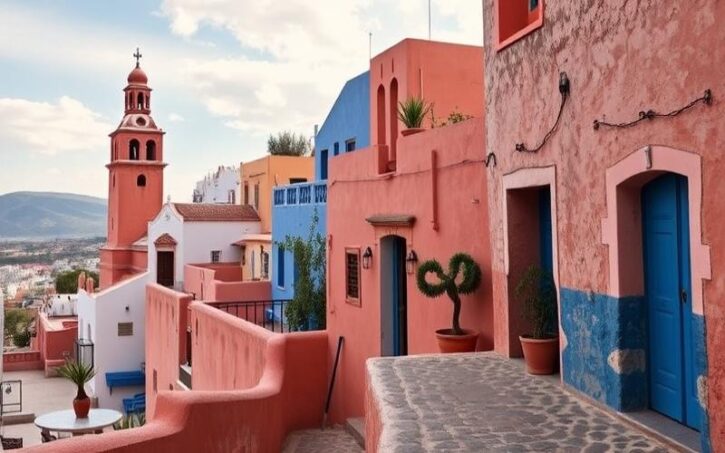
At the dawn of 2025, Morocco, rich in picturesque landscapes and ancestral cultures, offers unique investment opportunities in its authentic villages, true hidden treasures with undeniable appeal. While major metropolises evolve rapidly, these havens of peace preserve a cultural heritage and way of life that increasingly attract investors seeking sustainable projects.
The enthusiasm for authenticity and sustainability draws visitors from all walks of life, transforming these villages into emerging tourist destinations and offering significant economic development potential. Thus, turning to these Moroccan gems promises not only an attractive return on investment but also contributes to the preservation of a living heritage, ensuring respectful tourism in symbiosis with the environment and local populations.
Investing in Authentic Moroccan Heritage
Morocco offers a rich investment potential in its authentic heritage, particularly in traditional villages that preserve the country’s architectural and cultural legacy. These opportunities are part of a national dynamic of heritage valorization and sustainable tourism development.
In 2025, the Moroccan tourism sector is experiencing significant growth with 8 billion dirhams in planned investments. During the first four months of the year, 1.5 billion dirhams have already been mobilized for various accommodation and entertainment projects. This momentum is expected to add 8,000 additional beds to the country’s accommodation capacity by the end of the year.
The Moroccan Tourism Engineering Company (SMIT) plays a crucial role in this strategy by structuring investments and improving the attractiveness of destinations. Several initiatives are underway, including the installation of signage, the creation of interpretation centers, and the development of tourist villages that highlight local heritage.
The Moroccan government has strengthened its legislative framework with the unanimous adoption of Bill 33.22 on the protection of cultural heritage in February 2025. This legislation aims to preserve the authenticity of heritage sites while promoting their economic valorization.
For investors interested in authentic heritage, various options are available depending on the budget. Projects exceeding 10 million dirhams can include tourist residences in regions like Dakhla, blending modernity with respect for local architectural traditions.
| Type of Investment | Approximate Budget | Preferred Regions |
| Renovation of traditional houses | 1-5 million MAD | Atlas, Chefchaouen, Essaouira |
| Creation of authentic guesthouses | 3-8 million MAD | Ouarzazate, Fes, Meknes |
| Tourist residences | +10 million MAD | Dakhla, Marrakech, Agadir |
The Ministry of Youth, Culture, and Communication actively supports cultural and artistic projects that valorize heritage. In March 2025, the application deadline for benefiting from this support was extended to March 25, reflecting the government’s commitment to the cultural sector.
Morocco’s economic outlook for 2025-2026 is encouraging, with growth projections of 4.0% and 3.6% respectively, in a context of controlled inflation. These favorable conditions, combined with growing traveler interest in authentic cultural experiences, create a conducive environment for investments in Moroccan heritage.
Challenges to consider include the need to balance modernization with preserving authenticity, as well as adapting to climate changes that may affect certain regions. Investors must also consider the importance of involving local communities to ensure the social and cultural sustainability of their projects.
- Preserve traditional architecture
- Valorize local artisanal know-how
- Develop cultural tourism circuits
- Integrate green technologies in the renovation of old buildings
The success of these investments relies on a balanced approach that respects the authenticity of heritage while meeting the expectations of contemporary visitors seeking enriching experiences that honor local traditions.
Good to Know:
Investing in authentic Moroccan villages, such as Chefchaouen and Ait Ben Haddou, offers significant opportunities for preservation and cultural valorization, supported by attractive tax incentives and government policies favoring the maintenance of architectural and cultural traditions. In 2025, these villages are attracting more tourists seeking authentic cultural experiences, thereby stimulating the local economy. Recent successes, like the restoration of the Fes medina, demonstrate the potential of these investments. However, investors must navigate environmental challenges, such as water resource management, and maintain a balance between economic development and heritage preservation. A long-term commitment is crucial to ensure the sustainability of heritage while meeting the growing traveler interest in genuine cultural immersion.
Investment Opportunities in Moroccan Rural Real Estate
Analysis of the Moroccan rural real estate market reveals promising dynamics, driven by favorable structural and cyclical trends.
Analysis of Current Trends
- The Moroccan real estate market is undergoing a significant transformation in 2025, with growing demand not only in major cities but also in rural areas on the outskirts of urban hubs such as Marrakech, Rabat, and Tangier.
- Rural regions near these centers are experiencing renewed interest due to accelerated urbanization, infrastructure development, and the search for second homes or agritourism properties.
- Cities like Beni Mellal-Khenifra (agriculture), Souss-Massa (green tourism), or the Marrakech hinterland offer strong potential for rural land investment.
| Region | Attractive Factor | Primary Opportunity |
|---|---|---|
| Beni Mellal-Khenifra | Intensive agriculture | Farms, agricultural land |
| Souss-Massa | Ecological tourism | Rural lodges, ecolodges |
| Al Haouz/Marrakech | Urban proximity | Second homes |
Government and Municipal Initiatives
- The Moroccan government has launched several programs to develop rural infrastructure: roads, access to drinking water, and widespread electrification.
- The National Initiative for Human Development (INDH) has allocated over 2 billion dirhams annually since 2023 to support social infrastructure in remote villages.
- Municipalities encourage the creation of agro-industrial zones integrating modern rural housing and collective facilities.
Impact of Sustainable Development & Environmental Regulations
Rural real estate is heavily influenced by the shift toward sustainable development: constructions respecting environmental standards (local materials, energy efficiency).
New regulations impose the preservation of fertile agricultural land and responsible management of water resources; this steers investors toward innovative ecotourism or agroecological projects.
“The sector’s growth will inevitably involve greater integration of ESG (Environmental-Social-Governance) criteria in all rural projects,” says Driss Bencheikh, analyst at Sefraoui Realtor.
Recent Examples of Successful Investments
In the Souss-Massa region:
- Creation of an eco-tourism complex combining certified organic farms and high-end accommodations, generating over 120 direct jobs in three years.
- Collective purchase and traditional renovation of a historic kasbah near Taroudant, transformed into a guesthouse ranked among the top ten rural addresses by TourMag Morocco 2024.
Outlook & Economic Forecasts for 2025
- Expected growth of the rural sector estimated between +4% and +6% over the year according to Nerolink Media
- Stable or slight increase (+0.8%) in average price per square meter excluding inflation
- Positive effect expected from national megaprojects like Tanger Med II, with some benefits indirectly reaching nearby rural areas
- Likely rise in domestic “nature-oriented” tourism supporting the seasonal rental market
Experts anticipate a gradual but steady continuation of the movement toward rural real estate until 2030. Morocco’s agricultural diversification, coupled with national ecological ambitions, should continue to offer fertile ground—both literally and figuratively—for savvy investors.
Good to Know:
The rural real estate market in Morocco is experiencing notable growth thanks to favorable trends, particularly in promising regions like the Atlas and the Rif, where demand increased by 15% in 2023. The Moroccan government has launched several initiatives to improve infrastructure in these areas, with a budget of 2 billion dirhams allocated for 2024, targeting drinking water and roads. Environmental regulations aimed at promoting sustainable development have strengthened the appeal of these investments, especially for environmentally friendly projects. For example, the “Eco-Villages in the Rif” ecological project saw a 20% increase in value over two years. According to economist Naoufel El Mehdi, the rural sector could grow by 30% by 2025, offering new opportunities for investors attuned to the country’s positive economic forecasts.
Valorization of Morocco’s Underestimated Rural Regions
Rural Morocco possesses exceptional tourism potential thanks to a remarkable diversity of landscapes, ranging from impressive forests to Atlantic and Mediterranean coasts, as well as sand dunes, mountains, valleys, and waterways. This natural wealth is a major asset for developing an alternative tourism offering to mass tourism.
Unique Characteristics of Moroccan Rural Regions
- Varied landscapes stretching from the Rif mountains to the Sahara oases
- Authentic Berber villages preserving a traditional way of life
- Rich cultural heritage including local crafts and gastronomy
- Superior environmental quality (pure water, clean air)
Economic and Tourism Opportunities
| Type of Opportunity | Description | Benefits |
|---|---|---|
| Community-based accommodation | Development of integrated hosting structures | Direct income for local communities |
| Cultural experiences | Valorization of traditions and know-how | Preservation of intangible heritage |
| Ecotourism | Environmentally friendly activities | Conservation of fragile ecosystems |
| Thematic circuits | Discovery of regional specificities | Distribution of tourist flows |
Rural tourism represents a promising alternative to mass tourism, enabling more balanced and respectful economic development of territories.
Government Initiatives and Programs
The Moroccan Tourism Engineering Company (SMIT) has launched an ambitious program aimed at transforming 16 rural villages into genuine tourist destinations. This project is part of the 2024-2026 Tourism Roadmap and is based on:
- Innovative concepts adapted to local specificities
- Collaboration between communities, private actors, and associations
- Development of community-based accommodations
- Valorization of unique cultural experiences
Other initiatives, such as the project in the Souss-Massa and Beni regions, promote tourism that respects the environment, nature, and culture.
Examples of Success Stories
Some rural regions have already successfully undergone their tourism transformation, notably through the valorization of their natural and cultural heritage. The Berber villages of the Atlas have developed circuits allowing visitors to discover their traditional way of life while generating income for local populations.
Challenges to Overcome
Despite this potential, several challenges persist:
- Accessibility and development of suitable infrastructure
- Training of local populations in tourism professions
- Preservation of authenticity in the face of increased visitor numbers
- Balance between economic development and environmental protection
- Establishment of effective marketing circuits
The development of rural tourism in Morocco represents a major opportunity to valorize underestimated territories while creating jobs and preserving the country’s natural and cultural heritage.
Good to Know:
Morocco’s underestimated rural regions offer incredible wealth for investors, thanks to their picturesque landscapes, unique cultural heritage, and artisanal traditions. The natural beauty of the Atlas mountains or the lush plains provides undeniable appeal for ecotourism development, while local artisanal production, such as Safi pottery or Atlas carpets, presents strong economic potential. Government initiatives, such as the Plan Maroc Vert, support this dynamic through subsidies and professional training, although challenges persist, particularly regarding infrastructure and local skills. Success examples include Ait Benhaddou, a UNESCO World Heritage village, which has thrived thanks to the rise of film and ecological tourism. However, to maximize these opportunities, it is crucial to invest in basic infrastructure and develop training programs to ensure the sustainable integration of local populations into these projects.
Disclaimer: The information provided on this website is for informational purposes only and does not constitute financial, legal, or professional advice. We encourage you to consult qualified experts before making any investment, real estate, or expatriation decisions. Although we strive to maintain up-to-date and accurate information, we do not guarantee the completeness, accuracy, or timeliness of the proposed content. As investment and expatriation involve risks, we disclaim any liability for potential losses or damages arising from the use of this site. Your use of this site confirms your acceptance of these terms and your understanding of the associated risks.

Cyril Jarnias is an independent expert in international wealth management with over 20 years of experience. As an expatriate himself, he is dedicated to helping individuals and business leaders build, protect, and pass on their wealth with complete peace of mind.
On his website, cyriljarnias.com, he shares his expertise on international real estate, offshore company formation, and expatriation.
Thanks to his expertise, he offers sound advice to optimize his clients' wealth management. Cyril Jarnias is also recognized for his appearances in many prestigious media outlets such as BFM Business, les Français de l’étranger, Le Figaro, Les Echos, and Mieux vivre votre argent, where he shares his knowledge and know-how in wealth management.





