
 Published on and written by Cyril Jarnias
The Moroccan real estate market is currently experiencing an exciting period, marked by a unique blend of centuries-old traditions and modern innovations. This article explores the current trends shaping the real estate landscape of the Cherifian kingdom, offering valuable insights for potential investors and buyers.
Morocco’s Real Estate Gems: Thriving Sectors and Cities
The Moroccan real estate market boasts remarkable diversity, with several sectors and geographic areas standing out in particular:
Casablanca: The Bustling Metropolis
Casablanca, the country’s economic powerhouse, continues to attract investors thanks to its dynamism and ambitious projects. The city is experiencing sustained real estate development, particularly in business districts like Casa Anfa and Casablanca Finance City. These areas offer interesting opportunities for high-end office space and upscale residences.
Marrakech: The Timeless Appeal of the Red City
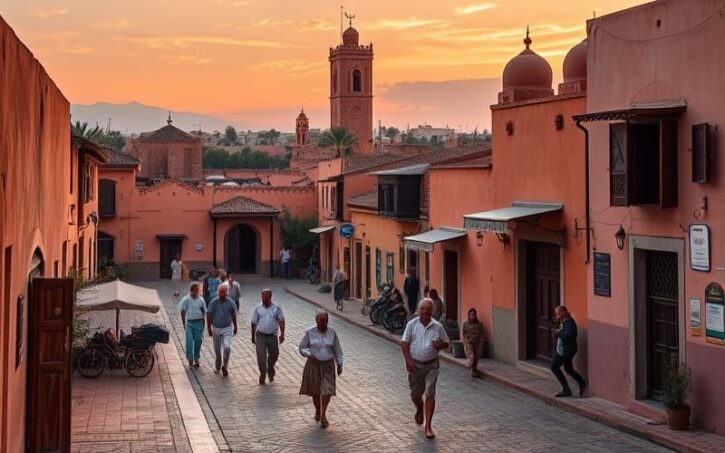
Marrakech retains its status as a top destination for luxury real estate and second homes. Riads in the medina and villas in upscale neighborhoods like Hivernage or Palmeraie remain highly sought after by foreign investors. The market for guesthouses and boutique hotels is also thriving there.
Tangier: Africa’s Gateway in Transformation
Tangier is undergoing a spectacular transformation thanks to major projects like Tanger Med and the new city of Tanger Tech. These developments are boosting demand for residential and commercial real estate, making the city on the strait a prime destination for investors.
The Mediterranean Coast: Expanding Tourism Potential
Seaside resorts like Saïdia and Tamuda Bay on the Mediterranean coast are increasingly attracting the attention of developers and investors. These areas offer interesting potential for tourism real estate and vacation homes.
Eco-Friendly Real Estate: An Emerging Trend
There is a growing awareness of environmental issues in the Moroccan real estate sector. Projects incorporating ecological standards and green technologies are gaining popularity, especially in major cities like Casablanca and Rabat.
Good to Know:
Morocco offers a diversity of real estate opportunities, ranging from modern urban projects to authentic traditional properties. Savvy investors will know how to leverage this variety to build a balanced and promising portfolio.
The Price Barometer: Contrasting Trends by Region
The evolution of real estate prices in Morocco shows significant variations depending on the region and property type:
Casablanca: Moderate but Steady Increase
In the economic capital, prices are experiencing a steady increase, particularly in sought-after neighborhoods and new upscale projects. An average annual increase of 3 to 5% is observed for quality apartments in central areas.
Marrakech: A Resilient Luxury Market
Despite fluctuations in tourism, the luxury real estate market in Marrakech remains solid. Prices for restored riads in the medina and high-end villas in sought-after neighborhoods have seen a slight increase, around 2 to 3% annually.
Tangier: Sustained Growth
The city on the strait is recording one of the strongest increases in real estate prices in the country. New residential and commercial projects around Tanger Med have seen their prices rise by 5 to 7% per year in recent years.
Medium-Sized Cities: Opportunities to Seize
Medium-sized cities like Fez, Meknes, and Agadir offer interesting prospects with more affordable prices and significant growth potential. These markets are experiencing a moderate price increase, around 2 to 4% per year.
Emerging Tourist Areas: Gradual Appreciation
Developing seaside resorts on the Mediterranean and Atlantic coasts are seeing their prices gradually increase, with annual growth rates varying between 3 and 6% depending on the project.
Good to Know:
Although real estate prices in Morocco are generally trending upward, they remain competitive compared to many Mediterranean destinations, thus offering good value for money for foreign investors.
Moroccan Real Estate Gems: Where to Invest to Maximize Returns?
For investors looking to make the most of the Moroccan real estate market, several types of properties stand out for their return potential and attractiveness:
Modern Urban Apartments: The Safe Bet
In major cities like Casablanca, Rabat, and Tangier, new apartments in secure residences offer excellent rental potential. These properties, popular with executives and expatriates, guarantee attractive rental yields, often between 5 and 7% per year.
Renovated Riads: The Charm of Authenticity
In Marrakech, Fez, and Essaouira, restored riads in the medinas are prime investments. Operated as guesthouses or seasonal rentals, they can generate high returns, sometimes exceeding 8% annually, while offering interesting long-term capital appreciation potential.
Beachfront Real Estate: Betting on Tourism
Apartments and villas in developing seaside resorts, such as Taghazout Bay near Agadir or Saïdia on the Mediterranean coast, have strong growth potential. These investments can combine personal use with seasonal rental profitability.
Commercial Spaces: A Stable Option
In booming urban areas, like the new Casablanca Finance City business district, commercial spaces and offices offer stable return prospects, generally between 6 and 8% per year, with secure long-term leases.
Eco-Friendly Projects: Investing in the Future
Real estate programs incorporating high environmental standards, such as the eco-districts being developed in Benguerir or Zenata near Casablanca, attract a clientele sensitive to sustainable development. These investments, while sometimes more costly to purchase, can offer better long-term appreciation.
Student Residences: A Growing Market
With the development of higher education in Morocco, student residences in university cities like Rabat, Casablanca, and Marrakech represent an interesting investment opportunity, with potential returns of 7 to 9% per year.
Good to Know:
Diversification is key to optimizing your real estate investment in Morocco. Combining different types of properties in various regions allows you to maximize returns while minimizing risks.
Future Outlook: A Constantly Evolving Market
The Moroccan real estate market is set to undergo significant transformations in the coming years, influenced by several factors:
Digitalization of the Sector
The COVID-19 pandemic accelerated the digitalization of the Moroccan real estate sector. Virtual tours, online transactions, and the use of blockchain to secure property deeds are trends that should strengthen, making the market more accessible and transparent.
Sustainable Development
Eco-friendly real estate projects will gain importance, driven by growing environmental awareness and stricter regulations. Environmental certifications will become an important selection criterion for investors and buyers.
New Forms of Housing
Co-living and shared workspaces are emerging as promising concepts, particularly in major cities. These new forms of housing and work meet the needs of a young and mobile population, opening up new opportunities for investors.
Infrastructure and Connectivity
Major infrastructure projects, such as the high-speed rail line connecting Tangier to Casablanca or the development of new highways, will continue to influence the real estate market, creating new areas of attractiveness and development.
Good to Know:
The Moroccan real estate market, while offering great opportunities, requires a good understanding of local specifics and emerging trends. Professional guidance can prove invaluable for navigating this dynamic market and making the most of it.
In conclusion, the Moroccan real estate market offers a range of attractive opportunities for savvy investors. Between the modernity of Casablanca, the timeless charm of Marrakech, and the emerging potential of regions like Tangier or the Mediterranean coast, the Cherifian Kingdom provides fertile ground for promising real estate investments. The key to success lies in a diversified approach, taking into account local specifics and emerging trends, to build a balanced and profitable real estate portfolio.
Disclaimer: The information provided on this website is for informational purposes only and does not constitute financial, legal, or professional advice. We encourage you to consult qualified experts before making any investment, real estate, or expatriation decisions. Although we strive to maintain up-to-date and accurate information, we do not guarantee the completeness, accuracy, or timeliness of the proposed content. As investment and expatriation involve risks, we disclaim any liability for potential losses or damages arising from the use of this site. Your use of this site confirms your acceptance of these terms and your understanding of the associated risks.

Cyril Jarnias is an independent expert in international wealth management with over 20 years of experience. As an expatriate himself, he is dedicated to helping individuals and business leaders build, protect, and pass on their wealth with complete peace of mind.
On his website, cyriljarnias.com, he shares his expertise on international real estate, offshore company formation, and expatriation.
Thanks to his expertise, he offers sound advice to optimize his clients' wealth management. Cyril Jarnias is also recognized for his appearances in many prestigious media outlets such as BFM Business, les Français de l’étranger, Le Figaro, Les Echos, and Mieux vivre votre argent, where he shares his knowledge and know-how in wealth management.





