
 Published on and written by Cyril Jarnias
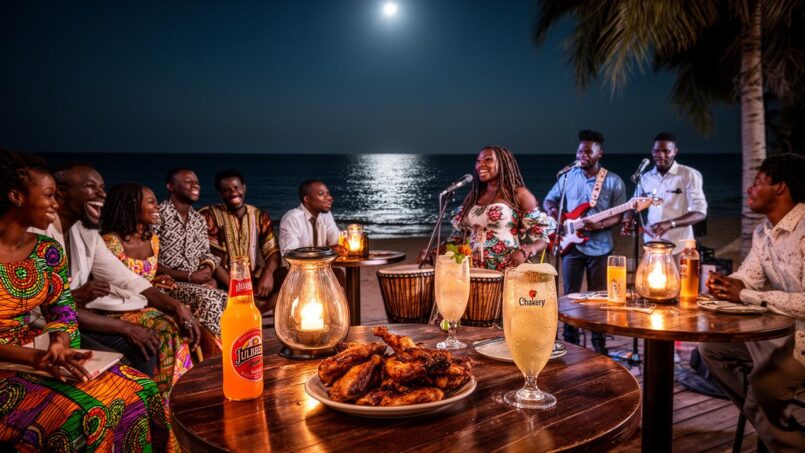
Nightlife in Gambia isn’t a mini Las Vegas, but it has something much rarer: a very dense mix of bars, clubs, beach bars, and restaurants where tourists, expats, and locals mingle in a vibe that’s both laid-back and electrifying. Between the sounds of Afrobeats, mbalax, reggae, and hip-hop, the parties can easily stretch until dawn, especially in the coastal areas of Kololi, Kotu, Bakau, Fajara, and the big Serrekunda.
The night in Gambia is organized around several distinct areas: the hub of activity is on the Senegambia Strip in Kololi, with its many establishments. Serrekunda has a few large, structured clubs, while a constellation of beach bars lines the coast. For a more relaxed vibe, head to neighborhoods like Kotu or Fajara.
Understanding the layout of Gambian nightlife
Most of the lively spots are concentrated in the large urban area of Serrekunda and, more specifically, in the beach resort of Kololi. That’s where the famous Senegambia Strip is located, a J-shaped road about half a mile long that connects the Senegambia Hotel to the main road. Once a dusty track lined with shacks, it has become the heart of the country’s tourist nightlife.
Along this stretch, the atmosphere is fueled by a succession of bars, restaurants, nightclubs, casinos, and hotels. Music from the terraces blares until dawn, waiters call out to passersby, and vendors hawk “afra” skewers and souvenirs. Also note the presence of “bumsters,” sometimes pushy touts offering guide services or activities, and more rarely drugs, though these are strictly illegal in Gambia.
Around it, several areas complete the picture. Kotu and South Kotu, a bit quieter, host beach bars, casinos, and hotel lounges. Fajara and Cape Point offer a more sophisticated vibe, with restaurants boasting stunning Atlantic views and a few bars to wind down the evening. Bakau, meanwhile, blends purely local spots, live bands, and rootsy culture. Banjul, on the other hand, remains surprisingly quiet after dark, though a few beach bars and hotels provide minimal entertainment.
To get between these hubs, taxis are everywhere, day and night. Big clubs like Jokor or Willy’s are always surrounded by taxis at closing time, making getting back to your hotel fairly simple—as long as you negotiate the fare before getting in.
Kololi and the Senegambia Strip: the beating heart of Gambian nights
It’s hard to talk about nightlife in Gambia without starting with Kololi. Between the beach, big hotels like Kairaba or Senegambia Beach Hotel, and that famous Strip packed with neon lights, terraces, and heavy bass, everything is set up for a seamless evening of dinner, bar, and club without ever needing a car.
The Strip: a mile of bars, clubs, and restaurants
The Senegambia Strip is the natural starting point for any night out. The vibe changes as the hours pass: early evening, the terraces fill with families, couples, and groups of friends dining, watching soccer on big screens, or listening to live bands. Later, DJs take over and the street becomes a real corridor of decibels.
The establishments range from small intimate techno bars to large mainstream nightclubs. Some focus on jazz or Latin, others on dancehall or Nigerian Afrobeats. As the night goes on, the crowds shift from restaurants to clubs, then to a few late-night spots that keep the party going until dawn.
Bars and lounges to start the evening
Many travelers prefer to start at a bar or lounge for some predrinks before hitting the big clubs. On or around the Strip, several places have become landmarks.
Located on Senegambia Road in Serrekunda, this bar-lounge offers a festive atmosphere with meals, cocktails, shisha, and sports screening on TVs. With both indoor and outdoor tables, you can start the evening there until around 3:00 AM, giving you a full night experience without having to move.
Right next door, 3 Chicks & A Grill has a slightly more “adult” and sophisticated positioning. Its large open space lets you watch the comings and goings on the Strip, the decor is polished, and the clientele is more “grown and sexy.” People smoke shisha, listen to a mix of Afrobeats, old-school hip-hop, retro R&B, and sometimes house. Those who enjoy people-watching while sipping a drink particularly appreciate this open layout.
Further along, spots like GTS Bar & Restaurant or Jazz Cafe round out this first layer of the night. GTS, just off the Strip, offers live concerts, African dancers, and fire performers, plus a pool table to kill time. Jazz Cafe, meanwhile, attracts many locals with cheap beers and programming that caters more to Gambian tastes, with jazz nights but also mbalax or reggae.
Several establishments in the Serrekunda area offer places to grab a drink, each with a distinct atmosphere.
A bar for a drink early or late in the evening, with its own style and music level.
A bar for a drink early or late in the evening, with its own style and music level.
A bar-restaurant for a drink early or late in the evening, with its own style and music level.
A bar for a drink early or late in the evening, with its own style and music level.
A bar for a drink early or late in the evening, with its own style and music level.
To visualize some of these starting points, here’s a summary:
| Bar / lounge | Main location | Vibe / key features |
|---|---|---|
| Reo’s Bar and Restaurant | Senegambia Road, Serrekunda | Bar-lounge, dinner, sports TV, shisha, party until ~3 AM |
| 3 Chicks & A Grill | Senegambia Strip, Serrekunda | “Adult” vibe, polished decor, shisha, mix Afrobeats/old school |
| GTS Bar & Restaurant | Near Senegambia Strip | Live concerts, African dancers, fire show, pool table |
| Jazz Cafe | Senegambia Strip | Cheap beer, local crowd, jazz and African music |
| GT’s Bar & Restaurant | Serrekunda | Highly rated, friendly bar-restaurant |
| Time-Inn | Serrekunda | Night bar, popular, good music |
The big clubs of Kololi: Duplex, WOW, Aquarius, Milly’s, Totties
For those who want to dance until the very end of the night, Kololi is home to a few heavyweights of Gambian nightlife.
Duplex Nightclub, on Bertil Harding Highway near Seaview Gardens Hotel, is often cited as one of the best clubs in the country. This ultra-modern complex spans over 10,000 square feet with multiple dance floors, VIP areas, balconies, two bars, and a sound and light system worthy of big European or American clubs. Management enforces a strict dress code—no flip-flops, overly sporty sneakers, or tank tops—and is typically open Thursday through Sunday, from 8:30 PM to 6:00 AM. They host DJ nights, concerts, and even fashion events like Banjul Fashion Week.
The affordable entry price at WOW Nightclub, in Gambian dalasis.
Aquarius Nightclub, also known as Aquarius Cafe, is right next to the Strip, near the Kairaba Hotel. This medium-sized club (capacity about 100 people) focuses on a very danceable mix of Latin, hip-hop, R&B, and dance, with themed nights and a late happy hour typically from 11 PM to 1 AM. Entry is around 200 dalasis in high season.
Two other clubs, Milly’s and Totties Night Club, round out the scene nicely. Milly’s, which can hold over 700 clubbers, opens at midnight and closes around 4 AM. It features Mix & Mingle nights on Monday, a live band on Friday, and open mic on Sunday, plus a VIP area and restaurant. Totties, also on the Strip, runs from 10 PM to 4:30 AM, with a strong focus on reggae, hip-hop, and R&B, with an entry fee of about 150 dalasis.
A table comparing some major Kololi clubs:
| Club / nightclub | Area | Typical hours | Approx. entry | Style / special features |
|---|---|---|---|---|
| Duplex | Kololi, Seaview | Thu–Sun, ~8:30 PM – 6 AM | Variable, on the higher side | Ultra-modern complex, strict dress code |
| WOW Nightclub | Senegambia Strip | Daily, ~10 PM – 6 AM | ~50 GMD, women free Wed. | Afrobeats, dancehall, jazz café below |
| Aquarius | Near Strip | 10 PM – 5 AM, happy hour 11–1 | ~200 GMD | Latin, hip-hop, R&B, themed nights |
| Milly’s | Senegambia Strip | 12 AM – 4 AM | Variable entry | Mix & mingle, live bands, open mic, VIP lounge |
| Totties | Senegambia Strip | 10 PM – 4:30 AM | ~150 GMD | Reggae, hip-hop, R&B |
Alongside these heavyweights, other spots like Paparazzi (a small club-bar-restaurant with polished decor), Club 22, Britannia Bar (packed with locals after midnight), or places favored by regulars such as African Queen, Poco Loco, Coach and Horses, complete a very dense nightlife scene across just a few streets.
Serrekunda, Kairaba Avenue, and Palma Rima Road: the “urban” scene
Beyond the tourist Strip, Serrekunda has a more “urban” nightlife, sometimes less geared toward visitors but increasingly popular with those who want to go off the beaten path.
Kairaba Avenue: Propaganda, Envy, and Jokor
Kairaba Avenue (Pipeline Road) is the main artery of Serrekunda. It houses several flagship establishments that let you chain a relaxed pre-drink and a much more intense night.
Propaganda Sport Bar, at 134 Kairaba Avenue, is a good example of an early-evening bar. The place, decorated with a sports theme—sneakers, balls, and pool tables—draws both European football fans and groups of friends hunting for cheap shots. The vibe is relaxed, the music is solid, and it clearly plays the “pre-club” card.
Upstairs in the same building, Envy Night Club is one of the most popular nightclubs in Serrekunda. The vibe is very different and the crowd really starts dancing only around 2 or 3 AM, with parties often stretching past 7 AM. Entry is paid for everyone, and reserving a table costs about 300 dollars. The music lineup is a mix of Gambian sounds, Nigerian Afrobeats, American hip-hop, and a few Western classics. Regulars note that Gambians dress sharply for this club: high heels, crisp shirts, and strong colognes.
Further along Kairaba Avenue, Jokor is an institution. This large open-air garden club, open since the mid-1990s, has two big dance floors, three bars, and a restaurant serving African and European dishes at reasonable prices (service can be slow). Open most of the week, it’s especially packed on Fridays and Saturdays from midnight to 4 AM, with a very African playlist: salsa, ndaga, dancehall, reggae, and R&B. Management enforces a minimum dress code: beachwear and overly casual shorts are frowned upon. Entry is relatively modest (50 to 100 dalasis), making it accessible to a very broad crowd, including tourists, and shared taxis pass nearby, making returns easy.
On the same strip, Revels Bar & Night Club represents the newer generation of discos, even if it’s less documented than Jokor.
Palma Rima Road: ONYX and the rise of “designer” clubs
Alongside Kairaba Avenue, Palma Rima Road is home to ONYX, one of the clubs that stands out most in terms of design compared to local standards. Its address is precisely listed (F73P+893, Palma Rima Road) and entry is free for women, while men pay between 500 and 1,000 dalasis depending on the night.
Wednesdays and Saturdays are the biggest nights, with large crowds, solid DJs, and an atmosphere that lasts very late. The music and vibe are universally praised, and the decor is more polished than in most Gambian clubs. ONYX, representing a new generation of venues, attracts urban youth with a blend of Afrobeats, hip-hop, African hits, and some Western tracks.
Cassy’s Lounge, Big Apple, and the mosaic of Serrekunda
Alongside the big names, Serrekunda is packed with spots that round out the night more quietly. Cassy’s Lounge, for example, charms with its very polished interior, upstairs bar, and chill vibe, ideal for a birthday or dinner with friends. Inside the Palms Shopping Complex in Kotu, Big Apple Executive Lounge offers a more upscale setting, with cocktails, lounge music, and a well-to-do clientele.
Other addresses like Archers Lounge, Time-Inn, Magic Bar, or places mentioned as The New Wild Monkey, Darboe’s Bar and Restaurant, or Liv Bar on the coast, enrich a very fragmented landscape where every traveler eventually finds their own haunts.
For a quick overview of some key Serrekunda spots off the Strip:
| Establishment | Neighborhood / thoroughfare | Main feature |
|---|---|---|
| Propaganda Sport Bar | Kairaba Avenue | Sports bar, pool, shots, perfect for pregame |
| Envy Night Club | Kairaba Avenue | Very late club, tables ~$300, sharp dress code |
| Jokor Night Club | Westfield Junction | Large open air, 2 dance floors, African sounds |
| ONYX | Palma Rima Road | Designer club, free for women, big Wed/Sat |
| Cassy’s Lounge | Serrekunda | Chic interior, relaxed vibe, good food |
| Big Apple Lounge | Kotu (Palms Complex) | Upscale lounge, cocktails, affluent crowd |
Kotu, South Kotu, and the coast: beach bars and more “chill” evenings
Just a short taxi ride from Kololi, Kotu and South Kotu offer a more discreet side of Gambian nightlife. Here, life revolves mainly around the beach and bar-restaurants integrated into hotels or right on the sand.
Paradise Beach Bar, on Kotu Beach, is typical of this style. Sitting right on the ocean, it offers simple dishes, competitively priced drinks, and friendly service, in a setting that’s generally less crowded than the Strip. Those who want to dine to the sound of the waves rather than amid the bass find their spot here.
Another pillar of the Kotu scene, open from early morning in high season until late at night. Its restaurant stands out on Sundays with a big barbecue and performances by local dancers and drummers. These are very African evenings, with the smell of charcoal, sabar rhythms, and impromptu choreographies, all directly on the beach.
Kunta Kinteh Beach Bar
Inside the Kombo Beach Hotel, Liv Cocktail & Sports Bar exemplifies those hotel bars that embrace a real nightlife vibe: two happy hour slots, European football broadcasts, pool table, fast Wi-Fi, and attractive prices. For many vacationers, nights can stay confined to this type of bar without ever leaving the property.
In Kotu, New Domino’s Beach Bar and Restaurant offers entertainment almost every night, including buffets on Wednesdays, traditional shows some evenings, and live music. The area also has casinos for those who want to try their luck.
Further south, places like Rainbow Beach Bar, Restaurant & Lodge in Sanyang, or Jungle Beach and Boboy Lodge in Kartong, stretch the coastal nightlife to much quieter villages, where the night revolves more around bonfires, percussion, and a few rootsy concerts rather than big sound systems.
To sum up some iconic spots on this more laid-back coast:
| Place | Location | Type of evening |
|---|---|---|
| Paradise Beach Bar | Kotu Beach | Quiet dinner, attentive staff |
| Kunta Kinteh Beach Bar | Kotu Beach | Sunday BBQ with dancers and drummers |
| Liv Cocktail & Sports Bar | Kombo Beach | Happy hours, soccer, pool, hotel vibe |
| New Domino’s | Kotu Beach | Regular nightly entertainment, buffet, shows |
| Rainbow Beach Bar | Sanyang | Bar/restaurant/lodge, folk shows on weekends |
Fajara, Bakau, Cape Point: gastronomy, live bands, and local atmosphere
Heading up the coast north from Kololi, the neighborhoods of Fajara, Bakau, and Cape Point offer another facet of Gambian nightlife. Quieter, more “smart,” they focus on quality restaurants, intimate concerts, and bars frequented by locals.
Fajara: polished restaurants and elegant bars
Fajara has established itself as a hub for fine dining. Restaurants like Butcher’s Shop, which started as a simple butcher shop in 1993 before becoming a chic address blending Moroccan and international cuisine, or Ngala Lodge Restaurant, famous for its spectacular sea views, Chef Assan, impeccable service, and curated wine list, draw both residents and tourists seeking a romantic dinner.
In Mauritius, several culinary addresses stand out. The Clay Oven is an Indian institution offering dine-in or takeout and a themed “Sizzler’s Night” every Tuesday. Bamboo Garden offers a Chinese cuisine experience in a garden setting. Finally, Luigi’s is known for its pizzas and antipasti, with the bonus of an ocean view.
On the nightlife side, Stone’s Bar & Lounge, in the so-called “M” section of Fajara, combines bar, restaurant, and club in a quieter, residential setting. This kind of place lets you dine, have cocktails, and dance all in one space, in a less touristy vibe than the Strip.
Bakau and Cape Point: local atmosphere, jazz, and seafood BBQ
Bakau, another large coastal neighborhood, is home to several distinctly local spots. Alsamaday Bar, on Sait Matty Road toward Cape Point (formerly Lama Lama), regularly hosts live bands and traditional dance troupes, with a predominantly Gambian clientele. Kora Bar, another Bakau establishment, specializes in concerts blending traditional instruments (kora, sabar, balafon) with modern influences.
This seaside restaurant offers grilled fish, seafood platters, and local beer (Julbrew) in an airy setting. It’s a popular spot with both tourists and Banjul residents, who enjoy going there to cool off in the evening.
Between Fajara and Cape Point, Ngala Lodge itself, beyond its restaurant, is a nightlife destination in its own right: many travelers come for dinner, maybe linger over a drink at the bar, then head back to sleep elsewhere. Given its popularity, reservations are recommended.
A quick look at some major addresses along this corridor:
| Establishment | Area | Nightlife specialty |
|---|---|---|
| Butcher’s Shop | Fajara | Chic restaurant, Sunday brunches, cozy vibe |
| Ngala Lodge Restaurant | Fajara | Romantic dinner, Atlantic view, upscale |
| Stone’s Bar & Lounge | Fajara | Bar-resto-club in residential area |
| Alsamaday Bar | Bakau | Local live bands, dance troupes |
| Kora Bar | Bakau | Concerts blending kora and contemporary sounds |
| Nefertiti Beach Bar | Banjul/Cape Point | Beach bar, BBQ, seafood |
A patchwork of music, cultures, and vibes
What surprises many visitors is the musical diversity of Gambian nights. Depending on the venue, you can go from a set of Nigerian Afrobeats to a session of Senegalese mbalax, from live jazz to a reggae-dancehall DJ, or to local bands playing Afro-Manding hits on kora and balafon.
The Gambian nightlife scene splits into two main trends. Modern clubs like Envy, Duplex, ONYX, Milly’s, or WOW offer a mix of Gambian music, Afrobeats, hip-hop, R&B, and sometimes techno or house, with a strong influence from contemporary West African sounds. The more “rootsy” or local clubs, such as Jokor, Willy’s in Lamin (a big bantaba-style club active on Saturday nights), or the Sunday beach bars in Kotu, favor traditional African rhythms, reggae, dancehall, and popular regional songs.
Hotels, meanwhile, often offer a more formatted program: traditional dance troupes, fire shows, “Gambian Night” evenings with buffet and performance, concerts by English-language cover bands, or even real cultural festivals like the Perreh-Bi Fest at Palma Rima Beach. In places like Coco Ocean Resort and Spa in Brufut, the music is more subdued: jazz, soul, reggae in lounge versions.
Beyond consumption, these nights are also a gateway to local culture. The sabar drummers, griots, and dancers you see on stage are often the same ones who perform at baptisms, weddings, and traditional ceremonies in villages upcountry.
Practical tips for enjoying the Gambian night
Even though the overall vibe is fairly good-natured, going out at night in Gambia requires a few basic reflexes. The first rule is to be wary of “bumsters,” especially ubiquitous in Kololi. Most are simply pushy, offering excursions or currency exchange; others try to sell cannabis or other substances. However, Gambian law is particularly harsh on drugs, and prison sentences can be severe. It’s best to politely but firmly decline any such offers.
In crowded clubs, watch out for pickpockets and drink scams. Keep your valuables (phone, wallet) close to your body and don’t leave your bag on the floor or a stool. To avoid nasty surprises with the bill, always check the prices on the menu or ask the server before ordering, especially for bottles or rounds.
For transportation, stick to official taxis, especially late at night, and agree on the fare before getting in. Outside major clubs, taxi lines form spontaneously at closing time. For the more adventurous, bush taxis and hubs like Westfield Junction stay active late, but as a visiting traveler, a private taxi is simpler.
The maximum cost to rent a table at a trendy club like Envy in Banjul can reach 300 dollars for a night.
Finally, don’t forget the dress aspect. Some places, especially Duplex, ONYX, or Jokor, enforce official or unofficial dress codes: dirty sneakers, swimwear, tank tops, and beach shorts are frowned upon. Many Gambians dress up carefully for a night out, and it’s generally well-regarded to make an effort.
Where to go based on your style of night out?
Faced with this abundance of addresses, the right question isn’t so much “where to go” as “what kind of night do I want to have?”. Here are some pointers to help choose.
Those looking for a heavy clubbing night, with big sound, dense crowds, and a vibe that lasts until dawn, should aim for Envy, ONYX, Duplex, WOW, or Aquarius, knowing that certain nights (Wednesday, Friday, Saturday) are busier. Those who prefer a mix of bar and live music in a local atmosphere should turn to Jokor, Willy’s, Alsamaday, Kunta Kinteh Beach Bar, or some bars in Bakau and Fajara.
For a refined evening, favor the restaurants of Fajara and Cape Point such as Ngala Lodge, Butcher’s Shop, The Clay Oven, or Italian spots like Gusto Gambia or Luigi’s. It’s then easy to continue the night by taking a taxi to Kololi or Serrekunda for a last drink or a dance session.
Beach lovers at night will prefer the bars of Kotu, Rainbow Beach in Sanyang, or Cabana’s and Solomon’s on Kololi beaches, which combine grilled fish dinner, bonfire, live music, and nighttime swimming for the bravest.
Finally, for a deeper cultural immersion, joining a “Gambian Night” at a hotel like Bakadaji or a festival like Perreh-Bi, or attending a show such as the “King’s & Queen’s Show” on the Strip, lets you see dancers, acrobats, musicians, and cooks all showcasing local traditions on the same stage.
A constantly evolving scene, between tourism and local culture
Over the decades, Gambian nightlife has moved from the tennis lawns of Banjul and historic clubs like Black Star or Sahara to the Senegambia Strip and the coastal areas of Kololi and Serrekunda. Today, most major concerts, festivals, and weekend outings take place in this corridor of a few dozen miles, between the economic capital and towns like Brikama.
Yet, despite the weight of tourism, the night remains deeply rooted in local culture. The same drummers and griots who energize the clubs also animate baptisms, weddings, and celebrations in outlying neighborhoods. The rhythms of sabar, mbalax, Afro-Manding, and Pan-African reggae structure the nightlife just as much as playlists of Drake or Burna Boy.
For a visitor, that is probably where the strength of nightlife in Gambia lies: in its ability to combine a glass of Julbrew to the sound of an Afrobeats DJ on the Strip, a refined dinner overlooking the ocean, and, the following night, a chicken “afra” barbecue among drums and traditional songs, with your feet in the sand. By accepting to step a little out of your comfort zone and vary the neighborhoods, you quickly discover that Gambian nightlife is not just a few clubs, but a whole ecosystem of places, music, and encounters.
Disclaimer: The information provided on this website is for informational purposes only and does not constitute financial, legal, or professional advice. We encourage you to consult qualified experts before making any investment, real estate, or expatriation decisions. Although we strive to maintain up-to-date and accurate information, we do not guarantee the completeness, accuracy, or timeliness of the proposed content. As investment and expatriation involve risks, we disclaim any liability for potential losses or damages arising from the use of this site. Your use of this site confirms your acceptance of these terms and your understanding of the associated risks.

Cyril Jarnias is an independent expert in international wealth management with over 20 years of experience. As an expatriate himself, he is dedicated to helping individuals and business leaders build, protect, and pass on their wealth with complete peace of mind.
On his website, cyriljarnias.com, he shares his expertise on international real estate, offshore company formation, and expatriation.
Thanks to his expertise, he offers sound advice to optimize his clients' wealth management. Cyril Jarnias is also recognized for his appearances in many prestigious media outlets such as BFM Business, les Français de l’étranger, Le Figaro, Les Echos, and Mieux vivre votre argent, where he shares his knowledge and know-how in wealth management.





