
 Published on and written by Cyril Jarnias
In 2025, Greece: A Unique Investment Destination
In 2025, as the investment world seeks new directions to diversify portfolios, Greece emerges as an intriguing destination, blending cultural riches with economic growth potential.
Authentic Villages: Untapped Potential
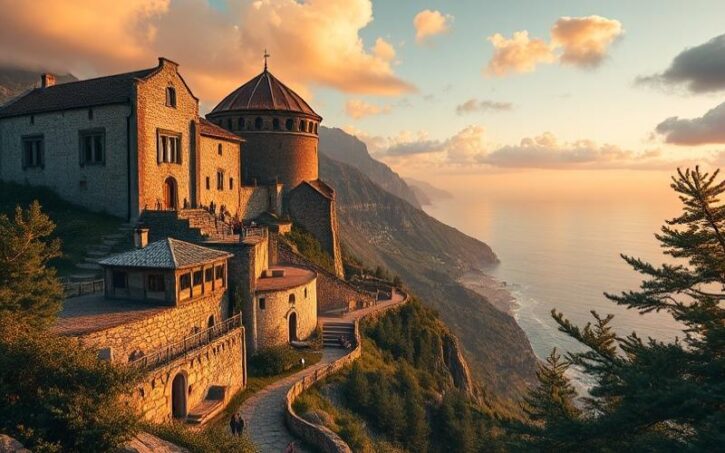
Located far from the hustle and bustle of big cities and saturated tourist destinations, Greece’s authentic villages offer unique investment opportunities. These picturesque places, steeped in history and tradition, attract a growing number of visitors seeking authentic experiences, paving the way for innovative and sustainable real estate projects.
Real Estate Market Opportunities and Trends
By exploring the specifics and opportunities of the real estate market in these villages, this article sheds light on how to capitalize on a growing trend that combines economic strategy with respect for heritage.
Good to Know:
Investments in Greek villages often benefit from tax incentives and state-supported renovation programs.
The Advantages of Authentic Greek Villages for Investment
The appeal of authentic Greek villages lies in a unique combination of cultural heritage, traditional architecture, and preserved quality of life. These localities embody the essence of Hellenic heritage, attracting a growing number of travelers seeking cultural and authentic experiences.
Key Advantages of Greek Villages:
- Cultural and Historical Richness: Villages like Olympos (Karpathos) have preserved their centuries-old traditions, living folklore, traditional costumes worn daily, and remarkable Byzantine architecture.
- Typical Architectural Charm: Makrinitsa in Thessaly is famous for its stone houses with gray slate roofs, cobblestone streets, and historic fountains. Apiranthos on Naxos stands out for its complete construction in local stone, elegant arches, and visible Venetian influence in its buildings.
- Growing Popularity of Cultural/Experiential Tourism: These destinations appeal to travelers wanting to discover Greece beyond the classic beach circuits. Immersion in local life—traditional religious festivals, regional gastronomy, or crafts—is becoming a key driver of contemporary tourism.
- Tax Incentives for Investment: Many municipalities offer attractive tax advantages to encourage real estate rehabilitation or sustainable hotel development in these areas with high heritage potential.
- Still Affordable Real Estate Prices: The average cost per square meter remains lower than in major cities like Athens or Thessaloniki.
| Village | Region / Island | Key Feature | Concrete Example |
|---|---|---|---|
| Makrinitsa | Thessaly | Traditional architecture; local museums | Folk Art Museum |
| Olympos | Karpathos | Living tradition; ancestral costumes | Byzantine church; local festivals |
| Apiranthos | Naxos | “Marble village”; Venetian heritage | Archaeological & Natural History Museums |
| Naoussa | Paros (Cyclades) | Picturesque maritime atmosphere | Lively old port |
| Tsangarada | Pelion | Lush landscapes; rural authenticity | Century-old plane trees |
Other Key Advantages:
- Superior quality of life with a peaceful pace
- Warm welcome from locals fostering a sense of belonging
- Concrete opportunities for sustainable development (ecological renovation of old buildings), as well as promising growth in ecotourism thanks to exceptional preservation of natural landscapes
By choosing these villages—such as Makrinitsa for its timeless atmosphere or Apiranthos for its architectural richness—both investors and visitors actively participate in safeguarding and enhancing Greek heritage while enjoying an authentic setting where life is good.
Good to Know:
Authentic Greek villages, like Nafplio in the Peloponnese or Papingo in Epirus, are increasingly attracting investors with their rich cultural heritage and typical architecture, such as their stone houses with red tile roofs. The growth of cultural and experiential tourism draws a clientele seeking authenticity, thus offering lucrative opportunities for developing ecotourism activities. Local tax incentives make these investments even more attractive, while benefiting from a real estate market where prices remain affordable compared to major metropolises like Athens. These villages also offer an exemplary quality of life, marked by a warm welcome from residents and a peaceful living environment, conducive to projects oriented towards sustainable development.
Strategies for Investing in Rural Real Estate in Greece
Rural Real Estate Market Trends in Greece in 2025
The Greek real estate market continues to show a gradual increase in prices, reaching a national average of €2,596/m² for sales in May 2025, an increase of nearly 2% year-over-year. Demand is driven by international interest and government incentive policies, with estimated annual increases between 4 and 6%. While major cities and coastal areas (Athens Riviera, Greek islands) remain attractive, the rural sector is experiencing a resurgence of interest thanks to the search for authenticity and the rise of alternative tourism.
Emerging Rural Regions
- Epirus: Picturesque mountain villages
- Peloponnese: Inland areas with little tourist exploitation
- Thessaly & Western Macedonia: Farmland and traditional towns
Popular Types of Investments
- Traditional houses to restore in historic villages
- New constructions integrating local architecture
- Agricultural properties or vineyards for agritourism
Administrative Steps to Acquire a Rural Property
List of main steps:
- Obtain a Greek tax number (AFM)
- Verify the title deed at the local land registry
- Mandate a specialized lawyer to check for absence of mortgages or land disputes
- Sign the preliminary agreement at a notary after a possible technical audit (diagnostics)
Specific Considerations:
Legal
- For certain sensitive border or island regions, prior authorization is required.
- Strict compliance with local urban planning rules.
Tax
- Reduced VAT possible on new constructions in eligible areas.
- Annual property taxes vary by use (primary/secondary/agricultural residence).
Environmental
- Environmental permits required if work impacts protected natural areas.
- Restrictions on exterior renovation in classified villages.
Diversifying Your Real Estate Portfolio
| Criterion | Restoration of Old Buildings | New Constructions |
|---|---|---|
| Initial Cost | Often lower | Higher |
| Available Subsidies | Numerous public/local grants | Less frequent except green projects |
| Timelines | Variable depending on condition | Easier to control |
| Potential Return | Strong heritage value appreciation | Modern rental appeal |
| Constraints | Restrictive heritage standards | Rigorous but flexible urban planning |
Tip: Diversifying between restoration (historic core) and new peripheral construction helps smooth regulatory risks while maximizing heritage value appreciation and rental yield.
Public Incentives & Subsidies
To revitalize rural areas:
- Direct aid for energy/heritage restoration via regional or European funds
- Tax reductions on investments in agritourism or certified eco-friendly accommodations
- National programs aimed at repopulating certain abandoned villages by granting land/grants to private investors
Recommended approach:
- Identify active programs with local municipalities
- Prepare files with an approved architect familiar with Greek procedures
- Prioritize local partnerships to strengthen legitimacy during applications
Strategies to Maximize Return on Investment
List of effective approaches:
- Furnished seasonal rentals targeting foreign tourists seeking rural authenticity
- Development of small agritourism complexes combining accommodation/local food/nature experiences
- Themed offerings: wellness/yoga/hiking/cycling retreats around remarkable natural sites
| Strategy | Main Advantage |
|---|---|
| Seasonal Rentals | High profitability in peak season |
| Agritourism | Diversified income + subsidies |
| Local Themed Tourism | Extended stay duration outside peaks |
A successful investment involves a judicious combination of a fine understanding of the local fabric, rigorous selection of the property type suited to the investor’s profile—while fully benefiting from Greek public incentive schemes.
Good to Know:
In 2025, the rural real estate market in Greece is booming, with strong demand in the regions of Thessaly and the Ionian Islands, where renovations of traditional houses and new constructions are sought after. To invest, it is crucial to familiarize yourself with the administrative procedures, including tax regulations, environmental permits, and legal considerations related to protected areas. Diversifying your portfolio with houses to restore can offer tax advantages, while new constructions often guarantee reduced maintenance. The Greek government offers subsidies for rural revitalization, which investors can use to lower their initial costs. Finally, maximizing returns involves leveraging local tourism, seasonal rentals, or agritourism, which are profitable strategies for generating additional income.
How the Authenticity of Greek Villages Drives Profitability
The authenticity and unique character of Greek villages are a major asset for attracting tourists, boosting the local economy, and increasing real estate value. These elements generate growing profitability for investors in 2025.
Tourist Appeal Linked to Authenticity
- Travelers are increasingly seeking authentic experiences, far from mass tourism.
- Villages like Naoussa (Paros) or Lefkes captivate with their picturesque port, marble-paved streets, and preserved Cycladic architecture.
- Amorgos attracts alternative tourism enthusiasts thanks to its untouched atmosphere and spectacular landscapes.
- Santorini remains a global icon with its villages perched above the sea, while Naxos offers rich natural and traditional heritage.
Concrete Examples: Villages Benefiting from Their Authenticity
| Village | Island | Specific Assets |
|---|---|---|
| Naoussa | Paros | Picturesque port, traditional tavernas |
| Lefkes | Paros | White marble alleys, mountain panorama |
| Amorgos | Amorgos | Historic monastery, untouched landscapes |
| Oia/Fira | Santorini | White houses overlooking the caldera |
Local Economic Impacts
- Maintaining an authentic environment fosters the development of artisanal activities (local gastronomy, regional products), generating seasonal jobs and sustainable income for the population.
- Family-run businesses (tavernas, craft shops) directly benefit from the tourist flow driven by the village’s cultural originality.
Effect on Real Estate Value
Architectural uniqueness increases the attractiveness of real estate in these sought-after localities.
Increased demand drives up prices per square meter in these protected areas where any new construction is regulated to preserve the original character.
Increased Profitability for Investors in 2025
List of factors contributing to this profitability:
- High seasonal rental occupancy rate
- Steady appreciation of heritage properties
- Low direct competition due to urban planning restrictions
- Possible diversification between high-end tourist accommodation and traditional restoration
Local & Government Initiatives Supporting Authenticity
The Greek government actively collaborates with local authorities to:
- Preserve architectural heritage through respectful renovation subsidies
- Ensure safety and comfort for visitors after each climatic or seismic event
- Promote local traditions (folk festivals, regional gastronomy)
- Limit excessive urbanization through strict legislation
These actions sustainably reinforce the “authentic” image that attracts discerning tourists and savvy investors alike.
By choosing to invest in these unique Greek villages—of which Paros or Amorgos are emblematic—one benefits not only from heritage appreciation but also from robust rental demand driven by selective tourism focused on the real thing.
Good to Know:
The authenticity of Greek villages like Monemvasia and Metsovo is a major asset that attracts tourists seeking unique experiences, thereby stimulating the local economy and increasing real estate value. The distinctive features of these villages, such as their traditional architecture and preserved customs, make them sought-after destinations, which boosts the hospitality and restaurant sectors. In 2025, local initiatives, such as promoting local crafts and cultural festivals, along with government support for heritage conservation, will continue to strengthen this appeal. These efforts not only enrich the tourist offering but also increase profitability for investors, who benefit from growing demand for typical accommodations and self-guided experiences.
Disclaimer: The information provided on this website is for informational purposes only and does not constitute financial, legal, or professional advice. We encourage you to consult qualified experts before making any investment, real estate, or expatriation decisions. Although we strive to maintain up-to-date and accurate information, we do not guarantee the completeness, accuracy, or timeliness of the proposed content. As investment and expatriation involve risks, we disclaim any liability for potential losses or damages arising from the use of this site. Your use of this site confirms your acceptance of these terms and your understanding of the associated risks.

Cyril Jarnias is an independent expert in international wealth management with over 20 years of experience. As an expatriate himself, he is dedicated to helping individuals and business leaders build, protect, and pass on their wealth with complete peace of mind.
On his website, cyriljarnias.com, he shares his expertise on international real estate, offshore company formation, and expatriation.
Thanks to his expertise, he offers sound advice to optimize his clients' wealth management. Cyril Jarnias is also recognized for his appearances in many prestigious media outlets such as BFM Business, les Français de l’étranger, Le Figaro, Les Echos, and Mieux vivre votre argent, where he shares his knowledge and know-how in wealth management.





